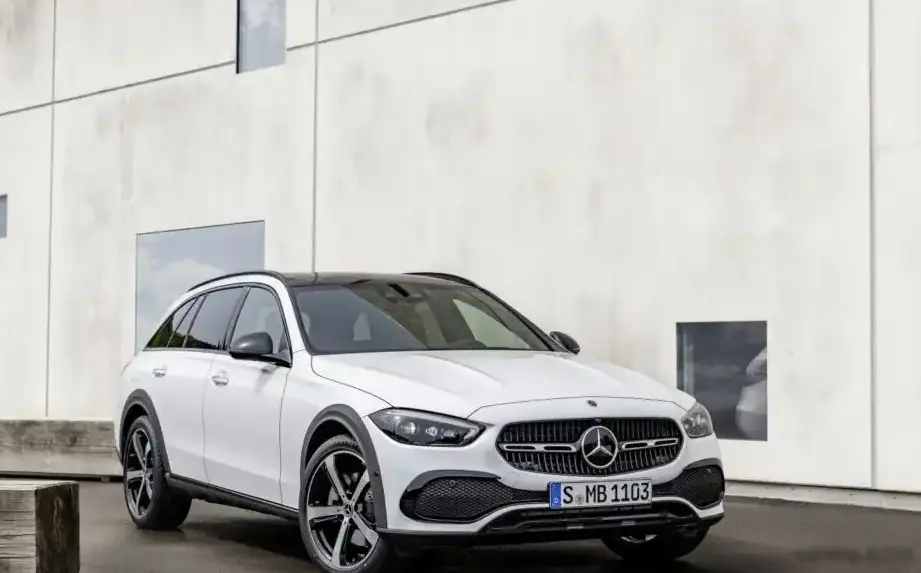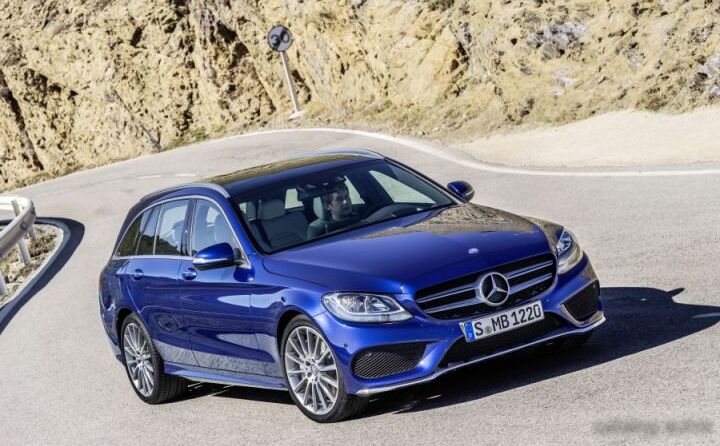
The Mercedes-Benz C-Class T-modell (S205) C 250 9G-TRONIC, produced from 2016 to 2018, represents a compelling blend of practicality and performance within the premium compact estate (wagon) segment. Positioned as a mid-range offering in the S205 series, it catered to buyers seeking a more engaging driving experience than the diesel-powered variants, while offering a more accessible price point than the higher-performance AMG models. This variant combined a turbocharged four-cylinder gasoline engine with Mercedes-Benz’s sophisticated 9G-TRONIC nine-speed automatic transmission, aiming for a balance of efficiency and responsiveness. The S205 generation itself was a significant step forward for the C-Class, introducing a more luxurious interior, improved technology, and enhanced driving dynamics compared to its predecessor.
Technical Specifications
| Brand | Mercedes-Benz |
| Model | C-class |
| Generation | C-class T-modell (S205) |
| Type (Engine) | C 250 (211 Hp) 9G-TRONIC |
| Start of production | 2016 |
| End of production | 2018 |
| Powertrain Architecture | Internal Combustion engine |
| Body type | Station wagon (estate) |
| Seats | 5 |
| Doors | 5 |
| Fuel consumption (urban) | 7.6-8.0 l/100 km (30.9 – 29.4 US mpg) |
| Fuel consumption (extra urban) | 4.9-5.4 l/100 km (48 – 43.6 US mpg) |
| Fuel consumption (combined) | 6.0-6.4 l/100 km (39.2 – 36.8 US mpg) |
| CO2 emissions | 133-144 g/km |
| Fuel Type | Petrol (Gasoline) |
| Acceleration 0 – 100 km/h | 6.6 sec |
| Acceleration 0 – 62 mph | 6.6 sec |
| Acceleration 0 – 60 mph | 6.3 sec |
| Maximum speed | 244 km/h (151.61 mph) |
| Emission standard | Euro 6 |
| Weight-to-power ratio | 7 kg/Hp, 143.5 Hp/tonne |
| Weight-to-torque ratio | 4.2 kg/Nm, 238.1 Nm/tonne |
| Power | 211 Hp @ 5500 rpm |
| Torque | 350 Nm @ 1200-4000 rpm (258.15 lb.-ft. @ 1200-4000 rpm) |
| Engine layout | Front, Longitudinal |
| Engine Model/Code | M 274.920 |
| Engine displacement | 1991 cm3 (121.5 cu. in.) |
| Number of cylinders | 4 |
| Engine configuration | Inline |
| Compression ratio | 9.8:1 |
| Number of valves per cylinder | 4 |
| Fuel injection system | Direct injection |
| Engine aspiration | Turbocharger, Intercooler |
| Engine oil capacity | 7 l (7.4 US qt | 6.16 UK qt) |
| Kerb Weight | 1470 kg (3240.8 lbs.) |
| Max. weight | 2120 kg (4673.8 lbs.) |
| Max load | 650 kg (1433 lbs.) |
| Trunk (boot) space – minimum | 490 l (17.3 cu. ft.) |
| Trunk (boot) space – maximum | 1510 l (53.33 cu. ft.) |
| Fuel tank capacity | 66 l (17.44 US gal | 14.52 UK gal) |
| Length | 4702 mm (185.12 in.) |
| Width | 1810 mm (71.26 in.) |
| Width including mirrors | 2020 mm (79.53 in.) |
| Height | 1457 mm (57.36 in.) |
| Wheelbase | 2840 mm (111.81 in.) |
| Front track | 1584 mm (62.36 in.) |
| Rear (Back) track | 1566 mm (61.65 in.) |
| Front overhang | 790 mm (31.1 in.) |
| Rear overhang | 1072 mm (42.2 in.) |
| Minimum turning circle | 11.22 m (36.81 ft.) |
| Drivetrain Architecture | Rear wheel drive |
| Number of gears and type of gearbox | 9 gears, automatic transmission G-TRONIC |
| Front suspension | Independent multi-link suspension |
| Rear suspension | Independent multi-link suspension |
| Front brakes | Ventilated discs |
| Rear brakes | Disc |
| Assisting systems | ABS (Anti-lock braking system) |
| Steering type | Steering rack and pinion |
| Tires size | 205/60 R16 |
| Wheel rims size | 16 |
Powertrain & Engine Architecture
The C 250 T-modell utilized Mercedes-Benz’s M274.920 2.0-liter inline-four cylinder engine. This engine is a key member of the modular M274 family, known for its efficiency and refinement. It features direct fuel injection, a single turbocharger with an intercooler, and four valves per cylinder. The engine’s aluminum block and head contribute to weight reduction. The turbocharger provides a significant boost in power and torque, delivering 350 Nm (258 lb-ft) of torque across a broad rev range of 1200-4000 rpm. The 9G-TRONIC nine-speed automatic transmission is a crucial component of this powertrain. It offers a wide range of gear ratios, allowing the engine to operate in its most efficient zone more frequently, improving fuel economy. The transmission features a torque converter and a multi-clutch pack for smooth and quick shifts.
Driving Characteristics
The C 250 9G-TRONIC offered a comfortable and refined driving experience. While not as overtly sporty as some of its rivals or the higher-spec C-Class models, it provided ample power for everyday driving and highway cruising. The nine-speed transmission, while generally smooth, could occasionally exhibit slight hesitation during downshifts. The broad torque band of the engine meant that strong acceleration was available from low engine speeds, making overtaking maneuvers relatively effortless. Compared to the C 300, the C 250 offered a slightly less aggressive throttle response and a more relaxed overall demeanor. Manual gear selection was possible via steering wheel-mounted paddle shifters, but the transmission’s programming often prioritized fuel efficiency over outright performance in manual mode.
Equipment & Trim Levels
The C 250 T-modell came standard with a generous array of features, including automatic climate control, a high-resolution infotainment display with a rotary controller, power-adjustable front seats, and a suite of safety systems like ABS, ESP, and multiple airbags. Interior upholstery typically consisted of high-quality cloth or optional leather. Common optional extras included a panoramic sunroof, a premium sound system, navigation, and advanced driver-assistance features like lane keeping assist and adaptive cruise control. Trim levels varied slightly depending on the market, but generally offered packages that bundled popular options together.
Chassis & Braking
The S205 C-Class T-modell featured a sophisticated chassis design with independent multi-link suspension at both the front and rear. This setup provided a good balance of ride comfort and handling precision. The C 250 typically came equipped with ventilated disc brakes at the front and solid disc brakes at the rear. The steering system was a rack-and-pinion design with electric power assistance. Stabilizer bars were fitted front and rear to reduce body roll during cornering. The suspension tuning was geared towards comfort, but still offered a reasonably engaging driving experience.
Market Reception & Comparison
The C 250 T-modell was generally well-received by automotive critics. It was praised for its refined engine, comfortable ride, and spacious interior. However, some reviewers noted that the nine-speed transmission could occasionally feel hesitant. Compared to the C 300, the C 250 offered a more affordable entry point into the C-Class range, while still providing a premium experience. The C 250’s fuel economy was competitive within its segment, offering a good balance between performance and efficiency. Reliability reports have generally been positive, with the M274 engine proving to be a relatively robust unit.
Legacy
The Mercedes-Benz C 250 T-modell (S205) remains a popular choice in the used car market. Its combination of practicality, luxury, and efficiency makes it an appealing option for buyers seeking a premium estate car. The M274 engine, when properly maintained, has proven to be a durable and reliable powertrain. While some maintenance items, such as the timing chain, may require attention at higher mileages, the C 250 generally offers a relatively trouble-free ownership experience. The S205 generation C-Class, as a whole, represented a significant improvement over its predecessor and helped solidify Mercedes-Benz’s position in the competitive compact executive segment.