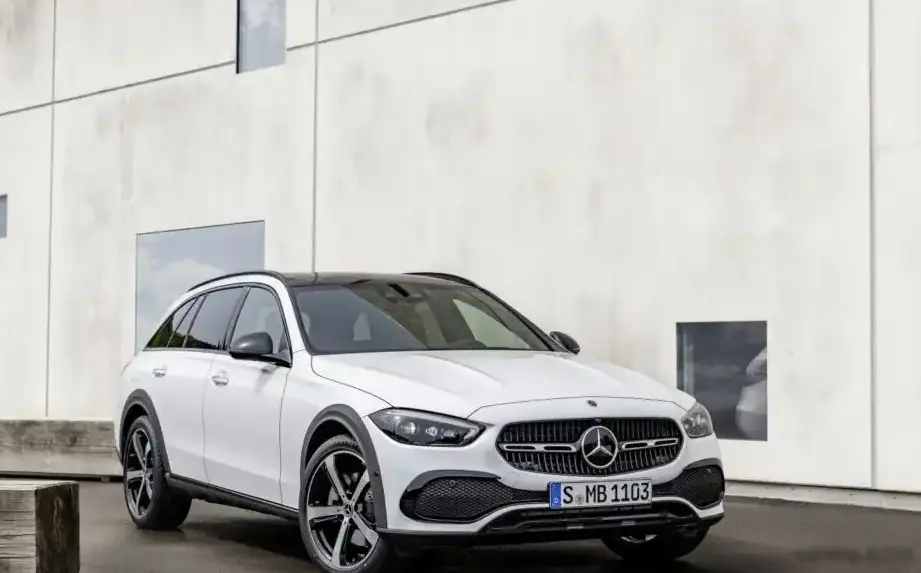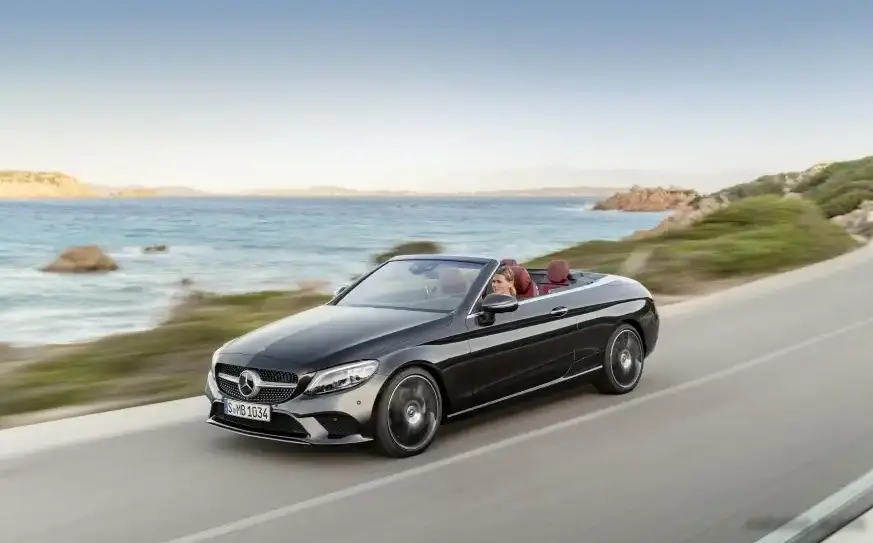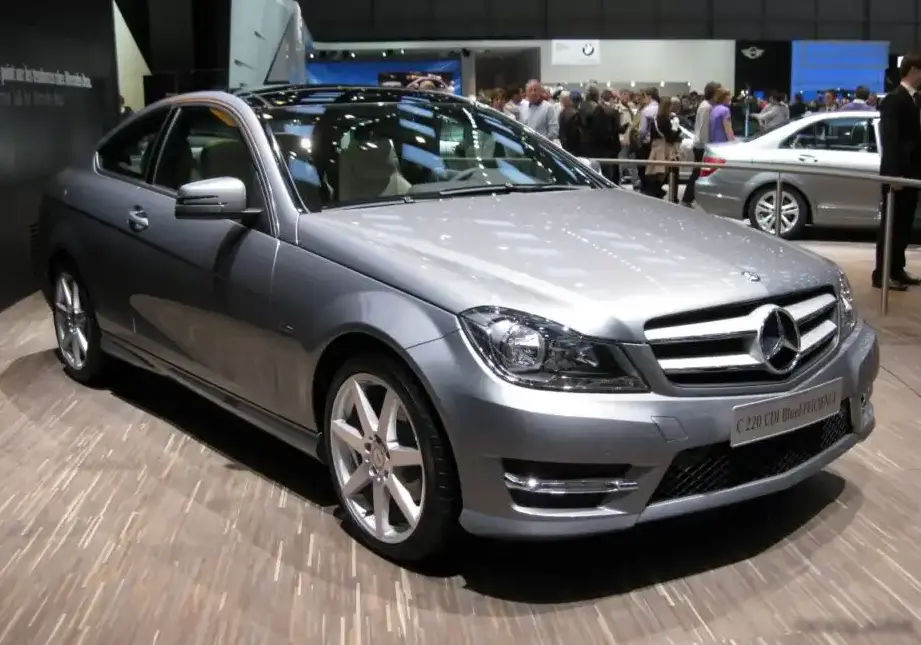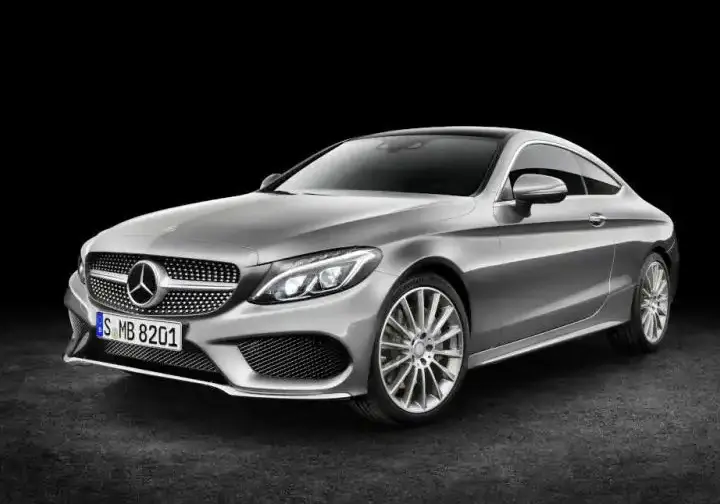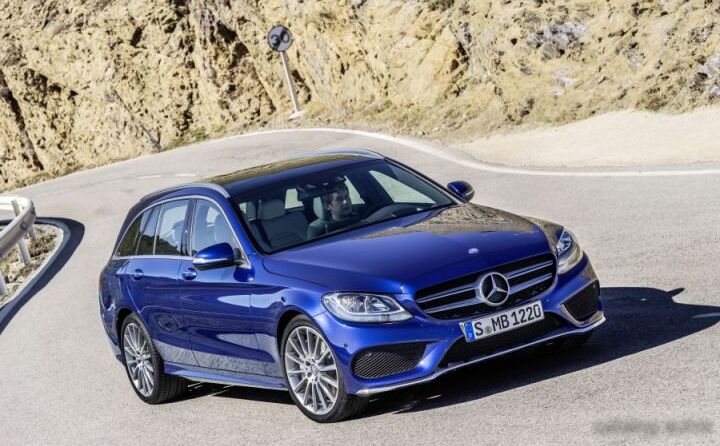
The Mercedes-Benz C-Class T-modell (S205) C 250d, produced from 2014 to 2016, represented a compelling blend of practicality, performance, and efficiency within the premium compact estate (wagon) segment. Positioned as a mid-range offering in the S205 series, it catered to buyers seeking a more economical alternative to the higher-powered C 300d and C 43 AMG variants, while still delivering a refined driving experience and the versatility expected of a Mercedes-Benz wagon. This model was primarily aimed at the European market, where estates remain highly popular, but was also available in select other regions. The C 250d utilized a sophisticated diesel powertrain paired with Mercedes’ 7G-TRONIC PLUS automatic transmission, offering a balance between fuel economy and respectable performance.
Technical Specifications
| Brand | Mercedes-Benz |
| Model | C-class |
| Generation | C-class T-modell (S205) |
| Type (Engine) | C 250d (204 Hp) 7G-TRONIC PLUS |
| Start of production | 2014 |
| End of production | 2016 |
| Powertrain Architecture | Internal Combustion engine |
| Body type | Station wagon (estate) |
| Seats | 5 |
| Doors | 5 |
| Fuel consumption (urban) | 5.7-5.4 l/100 km (41.3 – 43.6 US mpg) |
| Fuel consumption (extra urban) | 4.2-3.9 l/100 km (56 – 60.3 US mpg) |
| Fuel consumption (combined) | 4.8-4.5 l/100 km (49 – 52.3 US mpg) |
| CO2 emissions | 124-117 g/km |
| Fuel Type | Diesel |
| Acceleration 0 – 100 km/h | 6.9 sec |
| Acceleration 0 – 62 mph | 6.9 sec |
| Acceleration 0 – 60 mph | 6.6 sec |
| Maximum speed | 241 km/h (149.75 mph) |
| Emission standard | Euro 6 |
| Weight-to-power ratio | 7.8 kg/Hp |
| Weight-to-torque ratio | 3.2 kg/Nm |
| Power | 204 Hp @ 3800 rpm |
| Torque | 500 Nm @ 1600-1800 rpm (368.78 lb.-ft. @ 1600-1800 rpm) |
| Engine layout | Front, Longitudinal |
| Engine Model/Code | OM 651.921 |
| Engine displacement | 2143 cm3 (130.77 cu. in.) |
| Number of cylinders | 4 |
| Engine configuration | Inline |
| Compression ratio | 16.2:1 |
| Number of valves per cylinder | 4 |
| Fuel injection system | Diesel Commonrail |
| Engine aspiration | BiTurbo, Intercooler |
| Engine oil capacity | 6 l (6.34 US qt | 5.28 UK qt) |
| Kerb Weight | 1585 kg (3494.33 lbs.) |
| Max. weight | 2235 kg (4927.33 lbs.) |
| Max load | 650 kg (1433 lbs.) |
| Trunk (boot) space – minimum | 490 l (17.3 cu. ft.) |
| Trunk (boot) space – maximum | 1510 l (53.33 cu. ft.) |
| Fuel tank capacity | 66 l (17.44 US gal | 14.52 UK gal) |
| Length | 4702 mm (185.12 in.) |
| Width | 1810 mm (71.26 in.) |
| Height | 1457 mm (57.36 in.) |
| Wheelbase | 2840 mm (111.81 in.) |
| Front track | 1584 mm (62.36 in.) |
| Rear track | 1566 mm (61.65 in.) |
| Minimum turning circle | 11.22 m (36.81 ft.) |
| Drivetrain Architecture | Rear wheel drive |
| Number of gears | 7 |
| Gearbox type | Automatic transmission G-TRONIC |
| Front suspension | Independent multi-link suspension |
| Rear suspension | Independent multi-link suspension |
| Front brakes | Ventilated discs |
| Rear brakes | Disc |
| Assisting systems | ABS (Anti-lock braking system) |
| Steering type | Steering rack and pinion |
| Tires size | 205/60 R16 |
| Wheel rims size | 16 |
Powertrain & Engine Architecture
The heart of the C 250d T-modell was the OM 651.921, a 2.1-liter inline-four cylinder diesel engine. This engine was a mainstay of the Mercedes-Benz lineup for many years, known for its durability and efficiency. The ‘921’ designation indicated a later iteration of the OM 651 family, featuring improvements in fuel injection and turbocharging. Crucially, this engine employed a bi-turbocharger setup – a smaller turbo for quick response at low RPMs and a larger turbo for sustained power at higher speeds. This configuration, combined with an intercooler, helped to deliver a broad torque curve and minimize turbo lag. The engine utilized a common rail direct injection system, operating at a high compression ratio of 16.2:1, contributing to its thermal efficiency. The 7G-TRONIC PLUS automatic transmission, a seven-speed unit, was specifically tuned to complement the engine’s characteristics, offering smooth and responsive gear changes. It featured a torque converter lock-up clutch to improve fuel economy at cruising speeds.
Driving Characteristics
The C 250d T-modell, with its 204 horsepower and 368 lb-ft of torque, provided a comfortable and capable driving experience. Acceleration from 0 to 60 mph took approximately 6.6 seconds, making it reasonably quick for a diesel wagon. The 7G-TRONIC transmission was well-matched to the engine, providing seamless shifts and contributing to a relaxed driving style. Compared to the more powerful C 300d, the C 250d offered slightly less outright performance, but the difference was often negligible in everyday driving situations. The torque delivery was particularly strong from low RPMs, making it ideal for overtaking and effortless cruising. Compared to manual transmission versions (available in some markets), the automatic offered greater convenience, especially in urban traffic, but some enthusiasts might have preferred the greater driver engagement of a manual gearbox. The rear-wheel drive configuration provided a balanced feel, although it could be less confident in slippery conditions compared to all-wheel drive variants.
Equipment & Trim Levels
The C 250d T-modell typically came well-equipped as standard, reflecting Mercedes-Benz’s premium positioning. Standard features included automatic climate control, a multi-function steering wheel, power-adjustable front seats, and a high-quality audio system. Interior upholstery was typically Artico leather (a synthetic leather) or a combination of Artico and fabric. Optional extras included genuine leather upholstery, a panoramic sunroof, a navigation system, and advanced driver-assistance systems such as lane keeping assist and blind spot monitoring. Trim levels varied slightly depending on the market, but generally offered packages that bundled together popular options. The dashboard layout was typical of the S205 C-Class, featuring a central infotainment screen and a generally elegant and understated design.
Chassis & Braking
The S205 C-Class T-modell utilized an independent multi-link suspension system at both the front and rear axles. This setup provided a good balance between ride comfort and handling precision. The C 250d, being a mid-range model, typically featured slightly less aggressive suspension tuning compared to the sportier AMG variants. Braking duties were handled by ventilated discs at the front and solid discs at the rear. Anti-lock braking system (ABS) was standard, along with electronic brakeforce distribution (EBD). Stabilizer bars were fitted to both axles to reduce body roll during cornering. The steering system employed a rack and pinion setup, providing precise and responsive steering feel.
Market Reception & Comparison
The C 250d T-modell was generally well-received by automotive critics. It was praised for its fuel efficiency, comfortable ride, and spacious interior. The diesel engine was noted for its refinement and strong torque output. Compared to other wagons in its class, such as the Audi A4 Avant and BMW 3 Series Touring, the C 250d offered a competitive combination of features and performance. Fuel economy was a key strength, consistently achieving figures in the range of 49-52 mpg on the combined cycle. Reliability was generally good, although some owners reported issues with the diesel particulate filter (DPF) system, a common concern with modern diesel engines.
Legacy
The OM 651 engine family, including the 2.1-liter variant used in the C 250d, has proven to be remarkably durable. Well-maintained examples continue to provide reliable service many years after their initial production. On the used car market, the C 250d T-modell represents a good value proposition for buyers seeking a practical and efficient premium wagon. However, potential buyers should be aware of the potential for DPF issues and ensure that the vehicle has been properly serviced. The S205 C-Class T-modell, and the C 250d variant in particular, helped to solidify Mercedes-Benz’s reputation for building high-quality and versatile estate cars.