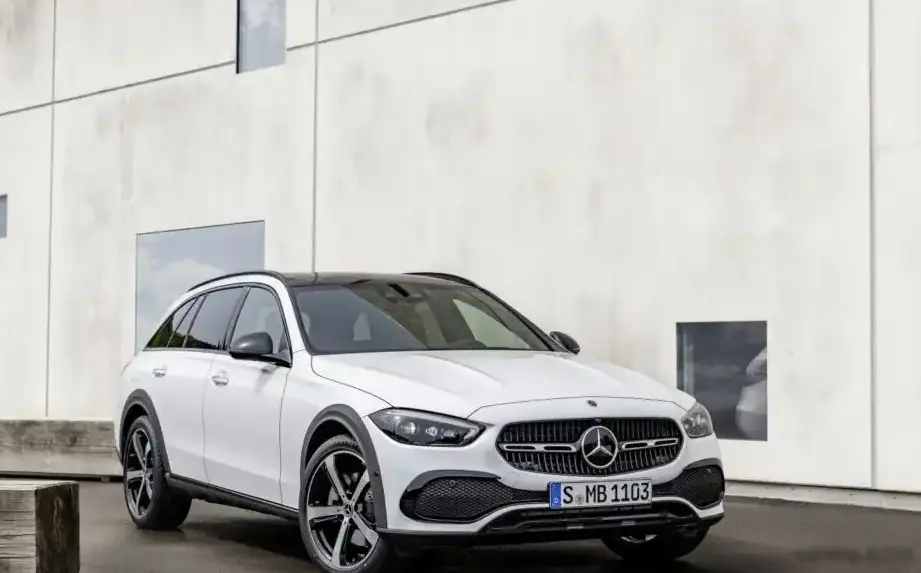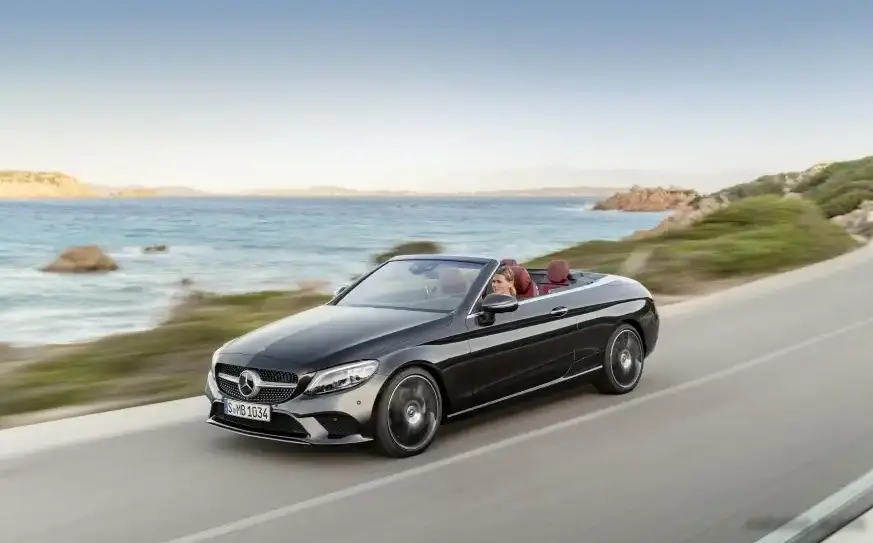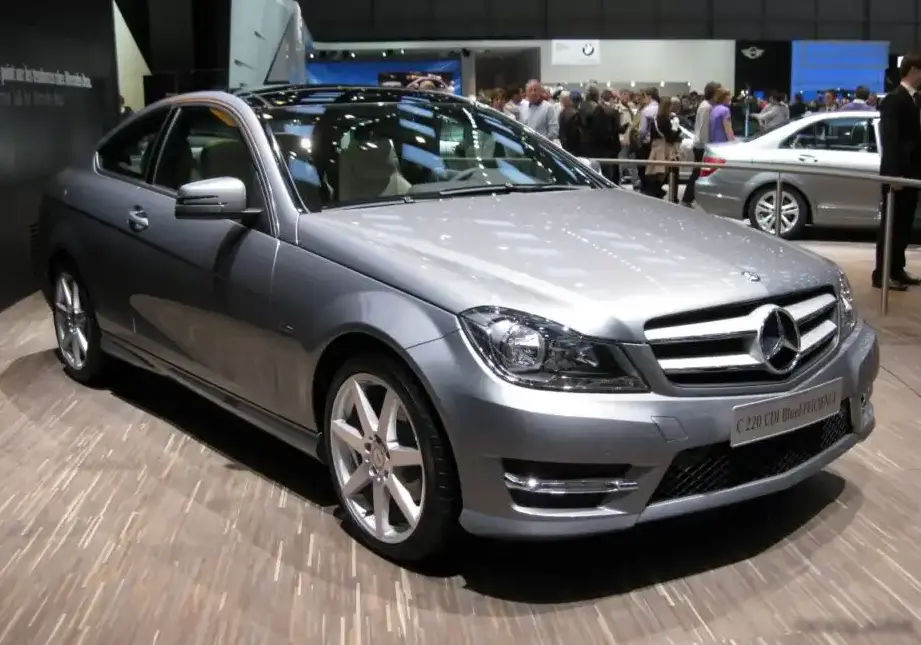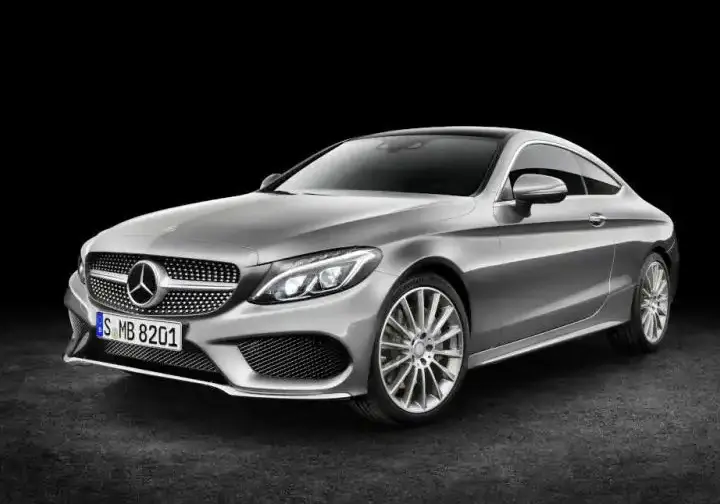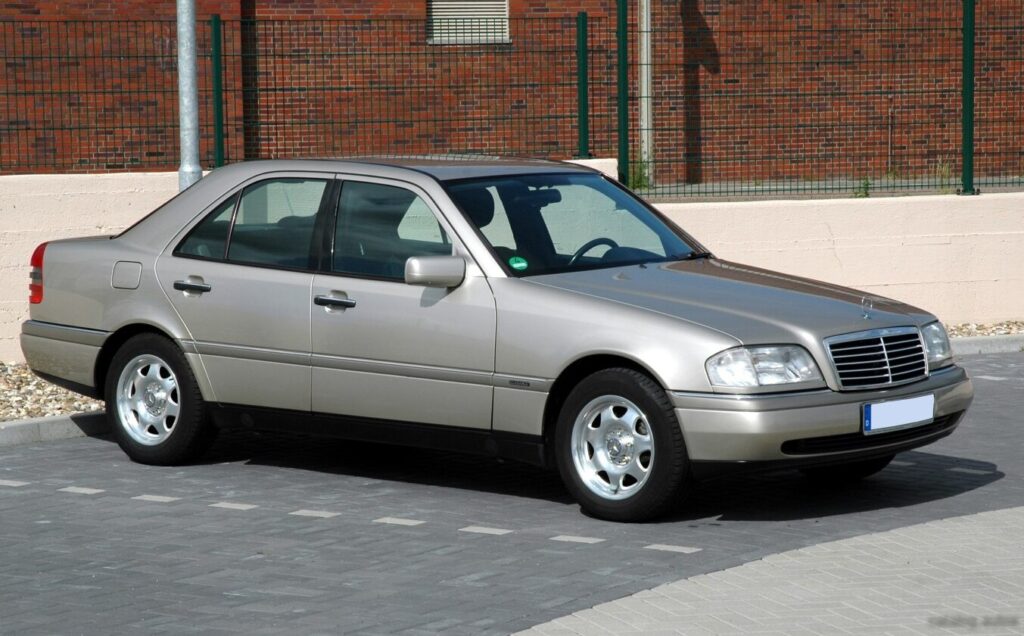
The Mercedes-Benz C 230, produced between October 1995 and June 1997, was a key variant within the W202 C-Class range. Representing a step up from the base C 180 and C 220 models, the C 230 aimed to offer a balance of performance and refinement for the entry-level luxury sedan buyer. It occupied the mid-range position in the lineup, offering more power than the base models but remaining more accessible than the flagship C 280. The W202 C-Class was Mercedes-Benz’s first foray into the compact executive car segment, intended to attract a younger demographic and compete with rivals like the BMW 3 Series and Audi A4.
Technical Specifications
| Brand | Mercedes-Benz |
| Model | C-class |
| Generation | C-class (W202) |
| Type (Engine) | C 230 (150 Hp) |
| Start of production | October, 1995 |
| End of production | June, 1997 |
| Powertrain Architecture | Internal Combustion engine |
| Body type | Sedan |
| Seats | 5 |
| Doors | 4 |
| Fuel consumption (urban) | 11.5 l/100 km (20.5 US mpg) |
| Fuel consumption (extra urban) | 6.5 l/100 km (36.2 US mpg) |
| Fuel Type | Petrol (Gasoline) |
| Acceleration 0 – 100 km/h | 10.5 sec |
| Acceleration 0 – 62 mph | 10.5 sec |
| Acceleration 0 – 60 mph | 10 sec |
| Maximum speed | 210 km/h (130.49 mph) |
| Weight-to-power ratio | 9.4 kg/Hp |
| Weight-to-torque ratio | 6.7 kg/Nm |
| Power | 150 Hp @ 5400 rpm |
| Power per litre | 65.4 Hp/l |
| Torque | 210 Nm @ 3700-4500 rpm (154.89 lb.-ft.) |
| Engine layout | Front, Longitudinal |
| Engine Model/Code | M 111 E 23 / 111.974 |
| Engine displacement | 2295 cm3 (140.05 cu. in.) |
| Number of cylinders | 4 |
| Engine configuration | Inline |
| Cylinder Bore | 90.9 mm (3.58 in.) |
| Piston Stroke | 88.4 mm (3.48 in.) |
| Compression ratio | 10.4:1 |
| Number of valves per cylinder | 4 |
| Fuel injection system | Multi-port manifold injection |
| Engine aspiration | Naturally aspirated engine |
| Valvetrain | DOHC |
| Engine oil capacity | 5.5 l (5.81 US qt | 4.84 UK qt) |
| Coolant | 8.5 l (8.98 US qt | 7.48 UK qt) |
| Kerb Weight | 1410 kg (3108.52 lbs.) |
| Max. weight | 1890 kg (4166.74 lbs.) |
| Max load | 480 kg (1058.22 lbs.) |
| Fuel tank capacity | 62 l (16.38 US gal | 13.64 UK gal) |
| Length | 4487 mm (176.65 in.) |
| Width | 1720 mm (67.72 in.) |
| Height | 1427 mm (56.18 in.) |
| Wheelbase | 2690 mm (105.91 in.) |
| Front track | 1499 mm (59.02 in.) |
| Rear track | 1464 mm (57.64 in.) |
| Drivetrain Architecture | Rear wheel drive |
| Number of gears | 5 gears, manual transmission |
| Front suspension | Double wishbone |
| Rear suspension | Independent multi-link spring suspension with stabilizer |
| Front brakes | Ventilated discs |
| Rear brakes | Disc |
| Assisting systems | ABS (Anti-lock braking system) |
| Steering type | Worm-reduction unit |
| Power steering | Hydraulic Steering |
| Tires size | 195/65 R15 |
| Wheel rims size | 6.5J x 15 |
INTRODUCTION
The C 230, introduced in late 1995, represented a significant upgrade over the initial W202 offerings. It featured a larger, more powerful engine and aimed to provide a more engaging driving experience. The W202 platform, internally designated 1HX0, was a departure for Mercedes-Benz, moving towards a more compact and modern design. The C 230 was positioned as a practical yet sophisticated sedan, appealing to buyers who desired the Mercedes-Benz badge with a bit more performance than the base models offered.
Powertrain & Engine Architecture
At the heart of the C 230 lay the M 111 E 23 engine, a 2.3-liter inline-four cylinder powerplant. This engine, bearing the code 111.974, was a significant improvement over the earlier 2.2-liter units. It featured a cast iron block with an aluminum cylinder head, incorporating a double overhead camshaft (DOHC) valvetrain with four valves per cylinder. Fuel delivery was handled by a Bosch multi-port fuel injection system, ensuring precise fuel metering for optimal performance and efficiency. The engine produced 150 horsepower at 5400 rpm and 210 Nm (155 lb-ft) of torque between 3700 and 4500 rpm. The C 230 was typically paired with a five-speed manual transmission, although a four-speed automatic transmission was also available, albeit at a slight performance penalty. The automatic transmission was a conventional hydraulic unit, offering smooth but not particularly sporty shifts.
Driving Characteristics
The C 230 offered a noticeable improvement in performance compared to the C 180 and C 220. The 2.3-liter engine provided more readily available power, making overtaking and highway cruising more effortless. While not a sports sedan, the C 230 offered a respectable 0-60 mph time of around 10 seconds and a top speed of 130 mph. The manual transmission allowed for greater driver control, while the automatic provided convenience, particularly in urban driving. The gear ratios were tuned for a balance of acceleration and fuel economy. Compared to the later C 280 with its V6 engine, the C 230 felt less powerful, but it offered a lighter front end and more balanced handling. The suspension, tuned for comfort, provided a smooth ride, but body roll was noticeable during aggressive cornering.
Equipment & Trim Levels
The C 230 came standard with a respectable level of equipment for its time. This included power windows, power locks, central locking, and air conditioning. Interior upholstery was typically cloth, but leather was available as an option. The dashboard featured a classic Mercedes-Benz design with wood trim accents. Optional extras included a sunroof, upgraded audio system, and automatic climate control. The C 230’s trim level was generally considered a step above the base models, offering a more refined interior and a more comprehensive list of standard features.
Chassis & Braking
The W202 C-Class featured a robust chassis with independent suspension all around. The front suspension utilized a double wishbone design, while the rear employed a multi-link setup with a stabilizer bar. This configuration provided a comfortable ride and decent handling. The C 230 was equipped with ventilated disc brakes at the front and solid disc brakes at the rear. Anti-lock braking system (ABS) was standard, enhancing safety and control during emergency braking. The steering was a hydraulic power-assisted worm-reduction unit, providing reasonable feedback and ease of use.
Market Reception & Comparison
The C 230 was generally well-received by automotive critics. It was praised for its refined engine, comfortable ride, and build quality. However, some critics noted that the interior felt somewhat dated compared to its rivals, and the handling wasn’t as sporty as some competitors. Compared to the C 220, the C 230 offered a significant performance boost, while remaining more affordable than the C 280. Fuel economy was respectable for its class, averaging around 20 mpg in the city and 36 mpg on the highway. Reliability was generally good, although some owners reported issues with the automatic transmission and electrical components.
Legacy
The C 230, particularly the models equipped with the manual transmission, has developed a following among enthusiasts. The M 111 engine is known for its durability and relatively simple maintenance requirements. While not a high-performance machine, the C 230 offers a classic Mercedes-Benz experience at an affordable price. Today, well-maintained examples are becoming increasingly collectible. Common issues to look for in the used market include rust, worn suspension components, and potential problems with the automatic transmission. The C 230 represents a pivotal moment in Mercedes-Benz history, marking the brand’s entry into the competitive compact executive car segment and laying the foundation for future generations of C-Class models.