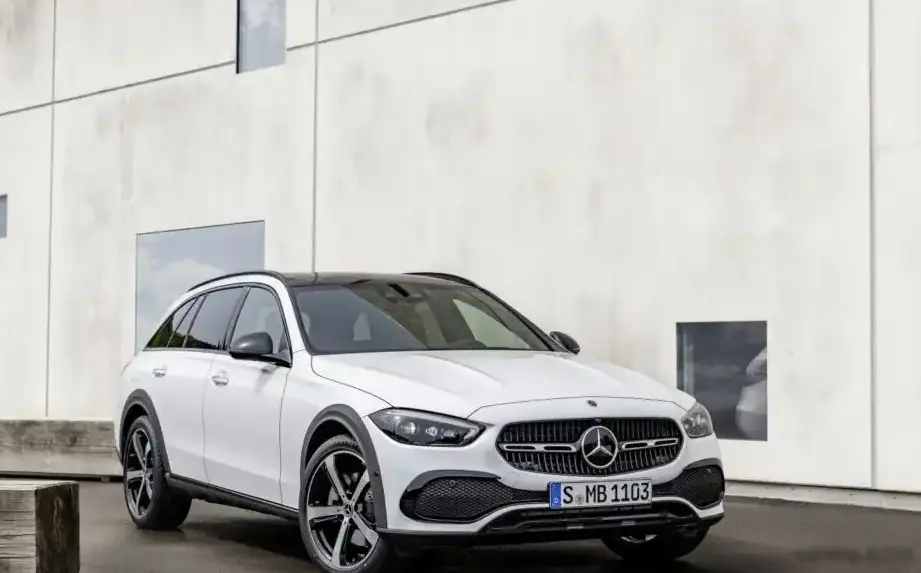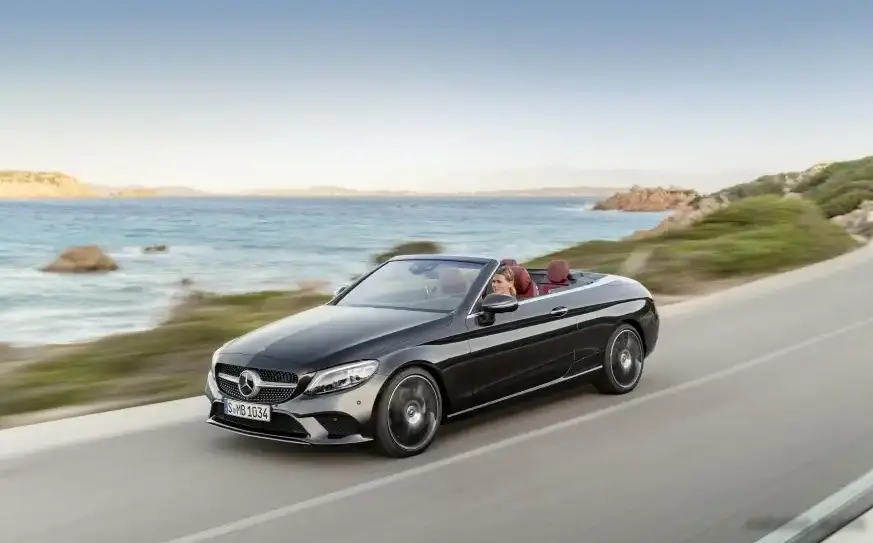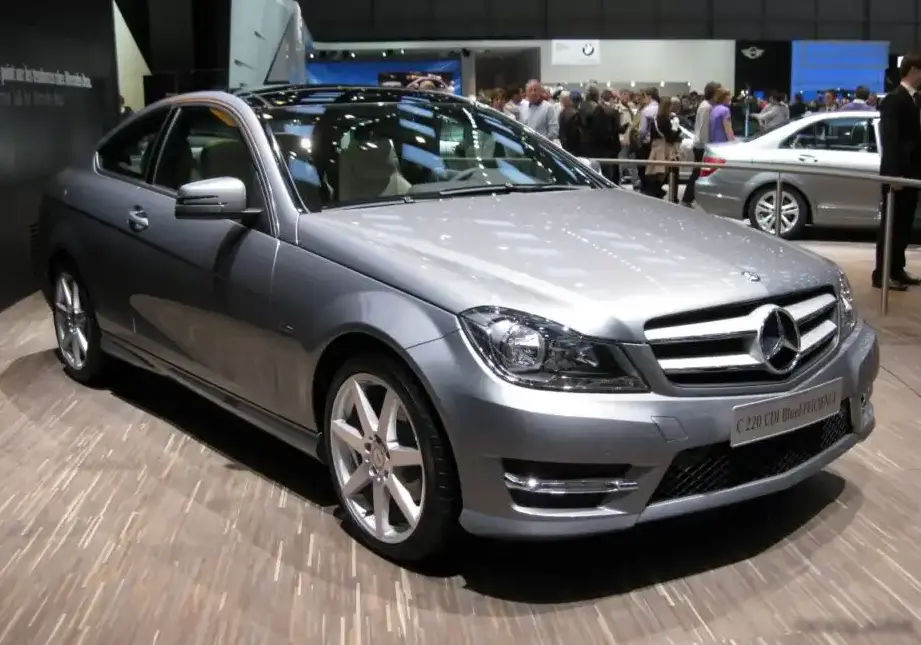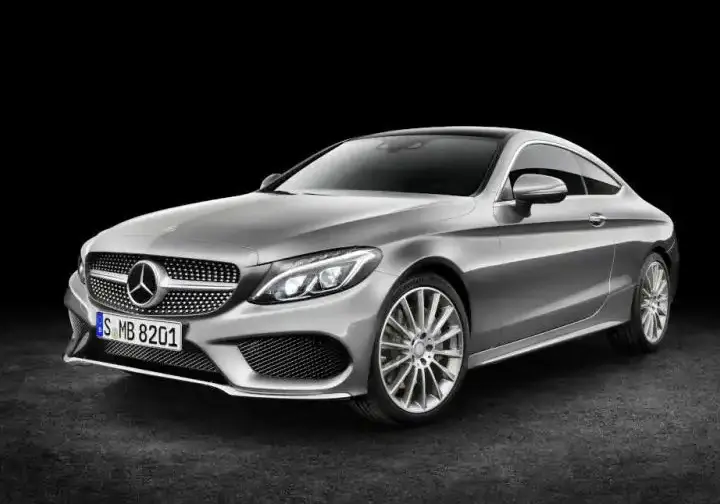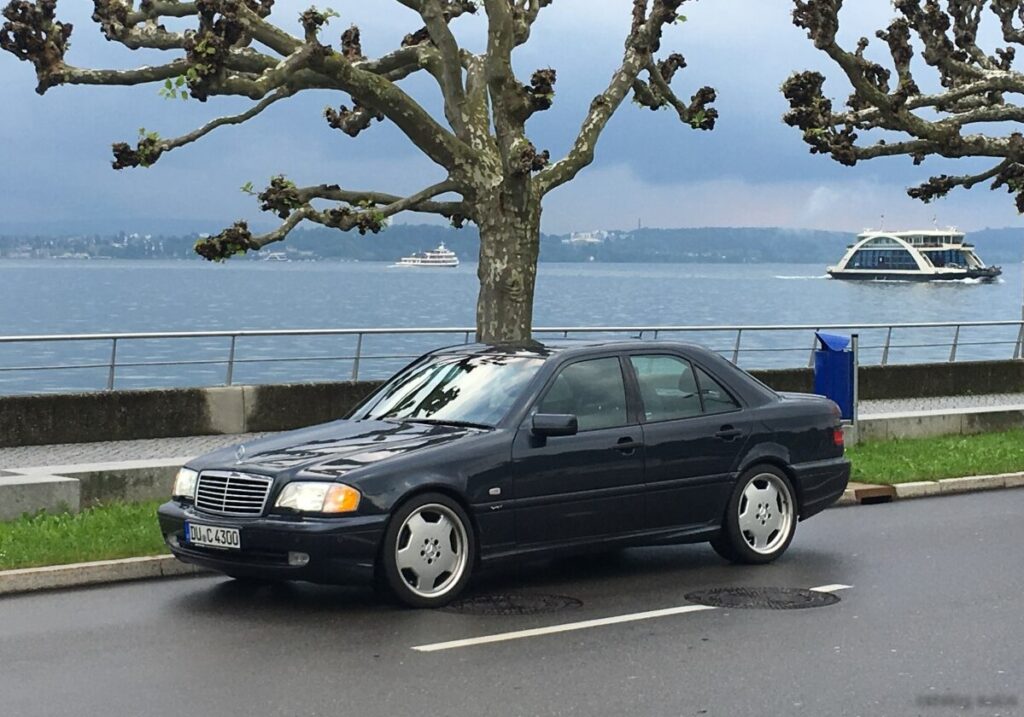
The Mercedes-Benz C 230, produced between July 1997 and June 1998, represents a significant iteration of the W202 C-Class facelift. Positioned as a mid-range offering within the lineup, it aimed to bridge the gap between the more affordable C 180 and the performance-oriented C 280. This variant combined a 2.3-liter inline-four engine with Mercedes’ 5G-TRONIC automatic transmission, offering a blend of comfort, efficiency, and respectable performance for the era. The W202 C-Class, launched in 1993, was Mercedes-Benz’s entry into the compact executive car segment, intended to replace the aging 190E and compete with rivals like the BMW 3 Series and Audi A4.
Technical Specifications
| Brand | Mercedes-Benz |
| Model | C-class |
| Generation | C-class (W202, facelift 1997) |
| Type (Engine) | C 230 (150 Hp) 5G-TRONIC |
| Start of production | July, 1997 |
| End of production | June, 1998 |
| Powertrain Architecture | Internal Combustion engine |
| Body type | Sedan |
| Seats | 5 |
| Doors | 4 |
| Fuel consumption (urban) | 11 l/100 km (21.4 US mpg) |
| Fuel consumption (extra urban) | 6.4 l/100 km (36.8 US mpg) |
| Fuel Type | Petrol (Gasoline) |
| Acceleration 0 – 100 km/h | 10.6 sec |
| Acceleration 0 – 62 mph | 10.6 sec |
| Acceleration 0 – 60 mph | 10.1 sec |
| Maximum speed | 207 km/h (128.62 mph) |
| Weight-to-power ratio | 9.4 kg/Hp |
| Weight-to-torque ratio | 6.7 kg/Nm |
| Power | 150 Hp @ 5400 rpm |
| Torque | 210 Nm @ 3700-4500 rpm (154.89 lb.-ft.) |
| Engine layout | Front, Longitudinal |
| Engine Model/Code | M 111 E 23 / 111.974 |
| Engine displacement | 2295 cm3 (140.05 cu. in.) |
| Number of cylinders | 4 |
| Engine configuration | Inline |
| Cylinder Bore | 90.9 mm (3.58 in.) |
| Piston Stroke | 88.4 mm (3.48 in.) |
| Compression ratio | 10.4:1 |
| Number of valves per cylinder | 4 |
| Fuel injection system | Multi-port manifold injection |
| Engine aspiration | Naturally aspirated engine |
| Valvetrain | DOHC |
| Engine oil capacity | 5.5 l (5.81 US qt | 4.84 UK qt) |
| Coolant | 8.5 l (8.98 US qt | 7.48 UK qt) |
| Kerb Weight | 1410 kg (3108.52 lbs.) |
| Max. weight | 1890 kg (4166.74 lbs.) |
| Max load | 480 kg (1058.22 lbs.) |
| Fuel tank capacity | 62 l (16.38 US gal | 13.64 UK gal) |
| Length | 4516 mm (177.8 in.) |
| Width | 1723 mm (67.83 in.) |
| Height | 1427 mm (56.18 in.) |
| Wheelbase | 2690 mm (105.91 in.) |
| Front track | 1499 mm (59.02 in.) |
| Rear track | 1464 mm (57.64 in.) |
| Drivetrain Architecture | Rear wheel drive |
| Drive wheel | Rear wheel drive |
| Number of gears | 5 |
| Gearbox type | automatic transmission G-TRONIC |
| Front suspension | Double wishbone |
| Rear suspension | Independent multi-link spring suspension with stabilizer |
| Front brakes | Ventilated discs |
| Rear brakes | Disc |
| Assisting systems | ABS (Anti-lock braking system) |
| Steering type | Cone worm with recirculation balls |
| Power steering | Hydraulic Steering |
| Tires size | 195/65 R15 |
| Wheel rims size | 6.5J x 15 |
Powertrain & Engine Architecture
The C 230’s engine, designated the M 111 E 23 (internal code 111.974), is a 2.3-liter inline-four cylinder powerplant. It features a cast iron block with an aluminum cylinder head, incorporating dual overhead camshafts (DOHC) and four valves per cylinder. This configuration allowed for efficient breathing and contributed to the engine’s relatively high specific output. Fuel delivery is managed by a Bosch multi-port fuel injection system, providing precise fuel metering for optimal combustion. The engine produces 150 horsepower at 5400 rpm and 210 Nm (155 lb-ft) of torque between 3700 and 4500 rpm. The 5G-TRONIC automatic transmission, a five-speed unit, was a key component of this variant. It offered smooth and refined gear changes, enhancing the overall driving experience. This transmission was known for its electronic control, adapting shift points based on driving conditions and throttle input.
Driving Characteristics
The C 230 Automatic offered a comfortable and refined driving experience, prioritizing ease of use over outright performance. Acceleration from 0 to 60 mph took approximately 10.1 seconds, and it reached a top speed of 128.62 mph. Compared to the manual transmission version of the C 230, the automatic suffered a slight performance penalty due to the inherent losses in the torque converter. However, the automatic’s smooth shifting and relaxed cruising ability made it a popular choice for drivers seeking a more effortless experience. Compared to the more powerful C 280, the C 230 offered a more economical option, while still providing adequate power for everyday driving. The gear ratios in the 5G-TRONIC were tuned for fuel efficiency and smooth transitions, rather than aggressive acceleration.
Equipment & Trim Levels
The C 230 typically came standard with features such as power windows, power locks, air conditioning, and an AM/FM radio. Upholstery was generally cloth, although leather was available as an option. The dashboard layout was typical of Mercedes-Benz at the time, featuring a wood trim and a straightforward instrument cluster. Optional extras included a sunroof, upgraded audio system, automatic climate control, and heated front seats. The C 230 sat in a comfortable middle ground in terms of trim levels, offering a good balance of features and affordability. It was a step up from the base C 180, but didn’t have the luxury appointments of the C 280.
Chassis & Braking
The W202 C-Class featured a double wishbone front suspension and an independent multi-link rear suspension, providing a comfortable ride and good handling characteristics. The C 230 utilized ventilated disc brakes at the front and solid disc brakes at the rear. Anti-lock braking system (ABS) was standard, enhancing safety and control during emergency braking. The steering was a recirculating ball system with hydraulic power assistance, offering a good balance of feel and ease of use. Stabilizer bars were fitted to both the front and rear axles to reduce body roll during cornering.
Market Reception & Comparison
The C 230 Automatic was generally well-received by automotive critics. It was praised for its comfortable ride, refined interior, and smooth-shifting transmission. However, some critics noted that the engine lacked the punch of the C 280’s larger engine. Fuel economy was considered good for its class, averaging around 21.4 mpg in the city and 36.8 mpg on the highway. Compared to the C 180, the C 230 offered a noticeable performance improvement, making it a more appealing option for drivers who wanted a bit more power. Reliability was generally good, although like all cars of this era, regular maintenance was essential.
Legacy
The M 111 engine family, including the 2.3-liter unit found in the C 230, proved to be a durable and reliable powerplant. While not known for exceptional performance, it offered years of dependable service with proper maintenance. Today, the W202 C-Class, including the C 230, has a growing following among classic Mercedes-Benz enthusiasts. Well-maintained examples are becoming increasingly collectible. The 5G-TRONIC transmission, while generally reliable, can require attention as it ages, with potential issues related to the torque converter and valve body. Overall, the C 230 represents a solid and well-engineered example of a 1990s compact executive car, offering a blend of comfort, reliability, and classic Mercedes-Benz styling.