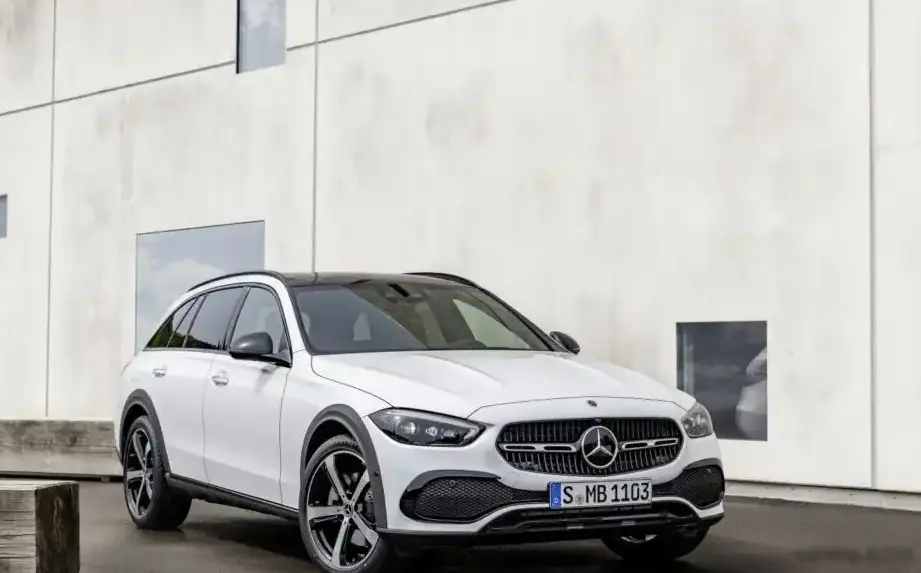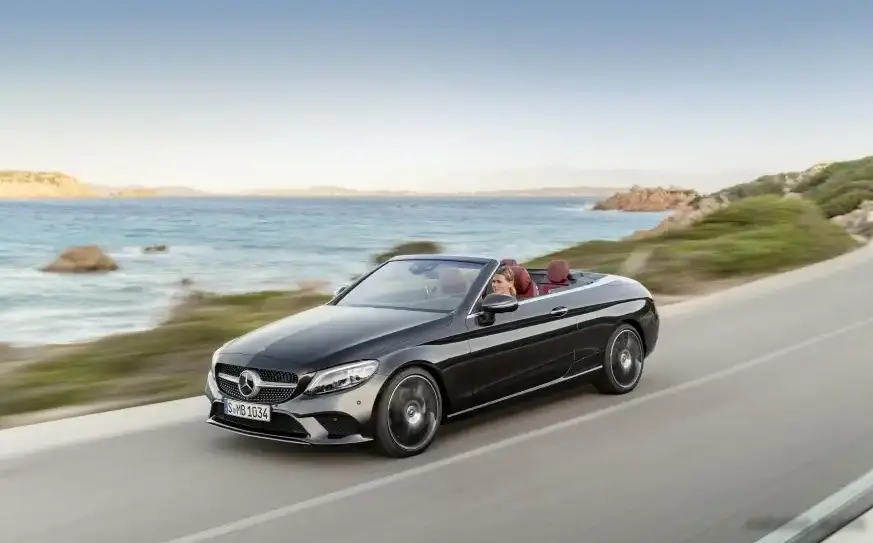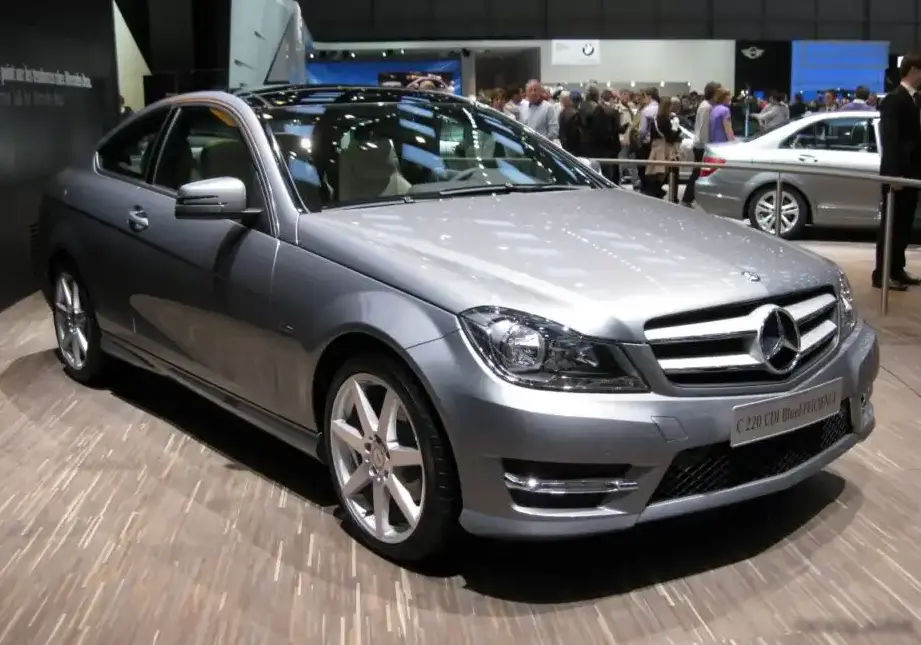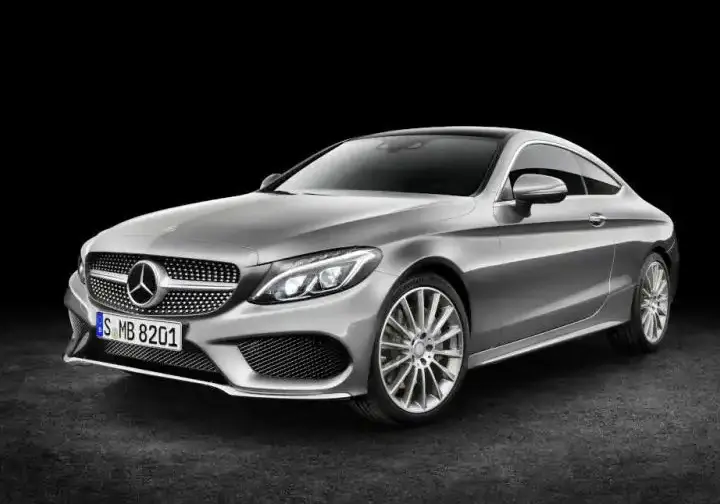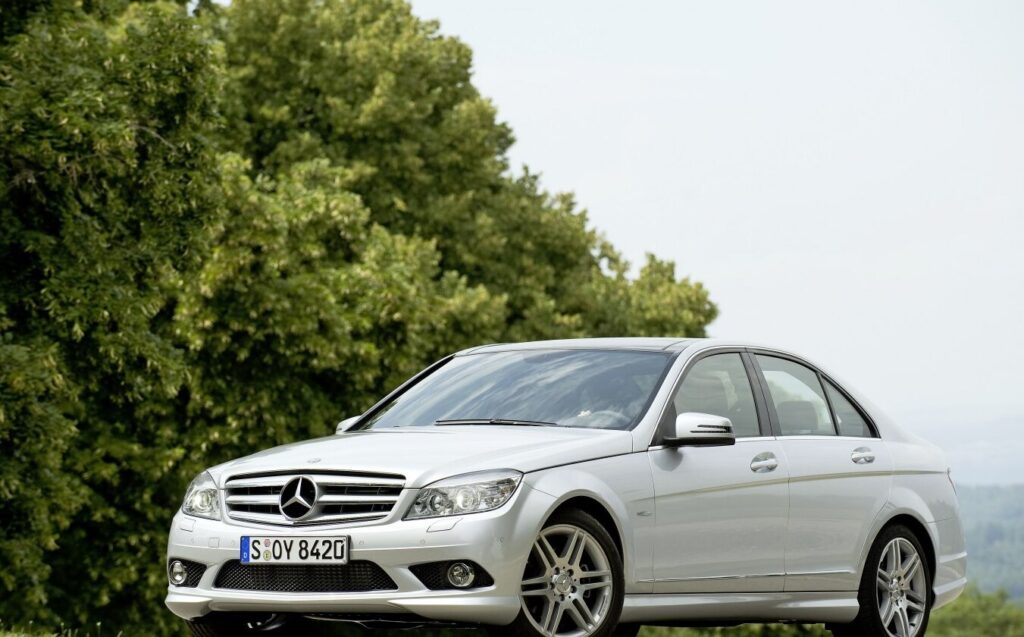
The Mercedes-Benz C-Class (W204) C 180 1.6 Kompressor BlueEFFICIENCY, produced from 2008 to 2009, represented an entry point into the popular C-Class range. Positioned as a fuel-efficient and accessible luxury sedan, it aimed to broaden the appeal of the W204 platform, which debuted in 2007. This variant utilized a downsized, supercharged engine paired with a five-speed automatic transmission, offering a balance between performance and economy within the C-Class lineup. It served as a stepping stone to the more powerful C 200 Kompressor and C 220 CDI models.
Technical Specifications
| Brand | Mercedes-Benz |
| Model | C-class |
| Generation | C-class (W204) |
| Type | C 180 1.6 Kompressor BlueEFFICIENCY (156 Hp) 5G-TRONIC |
| Start of production | 2008 |
| End of production | 2009 |
| Powertrain Architecture | Internal Combustion engine |
| Body type | Sedan |
| Seats | 5 |
| Doors | 4 |
| Fuel consumption (urban) | 10.1-10.5 l/100 km (23.3 – 22.4 US mpg) |
| Fuel consumption (extra urban) | 5.4-6 l/100 km (43.6 – 39.2 US mpg) |
| Fuel consumption (combined) | 7.1-7.7 l/100 km (33.1 – 30.5 US mpg) |
| CO2 emissions | 169-183 g/km |
| Fuel Type | Petrol (Gasoline) |
| Acceleration 0 – 100 km/h | 9.9 sec |
| Acceleration 0 – 62 mph | 9.9 sec |
| Acceleration 0 – 60 mph | 9.4 sec |
| Maximum speed | 223 km/h (138.57 mph) |
| Emission standard | Euro 4 |
| Weight-to-power ratio | 9.1 kg/Hp |
| Weight-to-torque ratio | 6.2 kg/Nm |
| Power | 156 Hp @ 5200 rpm |
| Torque | 230 Nm @ 2800-4600 rpm (169.64 lb.-ft. @ 2800-4600 rpm) |
| Engine layout | Front, Longitudinal |
| Engine Model/Code | M 271.910 |
| Engine displacement | 1597 cm3 (97.45 cu. in.) |
| Number of cylinders | 4 |
| Engine configuration | Inline |
| Cylinder Bore | 82 mm (3.23 in.) |
| Piston Stroke | 75.6 mm (2.98 in.) |
| Compression ratio | 9.3:1 |
| Number of valves per cylinder | 4 |
| Fuel injection system | Multi-port manifold injection |
| Engine aspiration | Supercharger, Intercooler |
| Valvetrain | DOHC |
| Engine oil capacity | 5.5 l (5.81 US qt | 4.84 UK qt) |
| Kerb Weight | 1425 kg (3141.59 lbs.) |
| Max. weight | 1985 kg (4376.18 lbs.) |
| Max load | 560 kg (1234.59 lbs.) |
| Trunk (boot) space (minimum) | 475 l (16.77 cu. ft.) |
| Fuel tank capacity | 66 l (17.44 US gal | 14.52 UK gal) |
| Permitted trailer load (with brakes) | 1700 kg (3747.86 lbs.) |
| Permitted trailer load (without brakes) | 740 kg (1631.42 lbs.) |
| Length | 4581 mm (180.35 in.) |
| Width | 1770 mm (69.69 in.) |
| Width including mirrors | 2009 mm (79.09 in.) |
| Height | 1447 mm (56.97 in.) |
| Wheelbase | 2760 mm (108.66 in.) |
| Front track | 1549 mm (60.98 in.) |
| Rear track | 1552 mm (61.1 in.) |
| Front overhang | 765 mm (30.12 in.) |
| Rear overhang | 1056 mm (41.57 in.) |
| Drag coefficient (Cd) | 0.25 |
| Minimum turning circle | 10.84 m (35.56 ft.) |
| Drivetrain Architecture | Rear wheel drive |
| Number of gears | 5 |
| Gearbox type | Automatic transmission G-TRONIC |
| Front suspension | Independent type McPherson, Transverse stabilizer |
| Rear suspension | Independent multi-link suspension, Transverse stabilizer |
| Front brakes | Ventilated discs |
| Rear brakes | Disc |
| Assisting systems | ABS (Anti-lock braking system) |
| Steering type | Steering rack and pinion |
| Power steering | Hydraulic Steering |
| Tires size | 195/60 R16 |
| Wheel rims size | 6J x 16 |
INTRODUCTION
The W204 C-Class, launched in 2007, aimed to elevate Mercedes-Benz’s compact executive offering. The C 180 1.6 Kompressor BlueEFFICIENCY, introduced in 2008, was a key component of this strategy, particularly in European markets where smaller displacement engines were favored due to taxation and fuel economy concerns. This model utilized Mercedes’ BlueEFFICIENCY technologies to minimize fuel consumption and emissions. It was designed to appeal to buyers seeking a premium sedan with reasonable running costs, offering a more accessible entry point into the C-Class range than the more powerful engine options.
Powertrain & Engine Architecture
The heart of the C 180 BlueEFFICIENCY is the M 271.910 1.6-liter inline-four cylinder engine. This engine features a Lysholm-type mechanical supercharger, providing increased torque at lower engine speeds. The supercharger is engaged at lower RPMs to provide instant boost, improving responsiveness. The engine utilizes multi-point fuel injection and a double overhead camshaft (DOHC) valvetrain with four valves per cylinder. The ‘BlueEFFICIENCY’ designation indicates the inclusion of features like optimized aerodynamics, low-rolling resistance tires, and a revised engine management system to improve fuel economy. The engine is longitudinally mounted, driving the rear wheels. Paired with the engine is a 5G-TRONIC five-speed automatic transmission. This transmission, while smooth, is a generation behind the seven-speed automatics found in higher-spec C-Class models.
Driving Characteristics
The C 180 1.6 Kompressor Automatic delivers a comfortable, if not particularly exhilarating, driving experience. The supercharger provides a noticeable boost in low-end torque, making it reasonably responsive in city driving. However, with 156 horsepower, acceleration is modest, taking approximately 9.9 seconds to reach 62 mph. The five-speed automatic transmission, while refined, lacks the responsiveness and wider gear ratios of more modern transmissions. Compared to the C 200 Kompressor (with a larger 1.8-liter engine), the C 180 feels noticeably less powerful, especially during overtaking maneuvers. The C 220 CDI diesel offered superior fuel economy and stronger low-end torque, making it a popular alternative for those prioritizing efficiency and effortless cruising.
Equipment & Trim Levels
The C 180 BlueEFFICIENCY typically came equipped with a respectable level of standard features for a luxury sedan. These included automatic climate control, a multi-function steering wheel, power windows and mirrors, and a basic audio system. Interior upholstery was generally cloth, although leather options were available. Optional extras included a sunroof, upgraded audio systems, navigation, and parking sensors. Trim levels were relatively simple, with most customization options available as individual add-ons rather than distinct packages. The interior design followed the W204’s overall aesthetic, emphasizing a clean and modern look.
Chassis & Braking
The C 180 BlueEFFICIENCY utilized the standard W204 chassis configuration. Front suspension consisted of independent McPherson struts with a transverse stabilizer bar, while the rear featured an independent multi-link suspension, also with a stabilizer bar. Braking was handled by ventilated discs at the front and solid discs at the rear, equipped with ABS (Anti-lock Braking System). The suspension setup prioritized comfort and ride quality over outright sportiness, providing a smooth and controlled driving experience. The relatively lower weight of the 1.6-liter engine compared to larger engines in the range contributed to balanced handling.
Market Reception & Comparison
The C 180 BlueEFFICIENCY was generally well-received as an economical and practical entry point into the C-Class range. Critics praised its fuel efficiency and comfortable ride, but noted its lack of outright performance compared to higher-spec models. Compared to rivals like the BMW 316i and Audi A3, the C 180 offered a more luxurious interior and a more refined driving experience, but often at a slightly higher price point. Fuel economy figures of around 30-36 mpg combined were competitive for the segment, making it an attractive option for buyers prioritizing running costs. Reliability was generally good, although the supercharger system required periodic maintenance.
Legacy
The C 180 1.6 Kompressor BlueEFFICIENCY represents a transitional period for Mercedes-Benz, as the company began to embrace smaller, more efficient engines. While the M 271 engine family proved generally reliable, the supercharger system can require attention over time. On the used car market, these models are often available at attractive prices, offering a relatively affordable way to experience Mercedes-Benz ownership. However, potential buyers should be aware of the age-related maintenance requirements and the limitations of the five-speed automatic transmission. The C 180 BlueEFFICIENCY remains a testament to Mercedes-Benz’s commitment to providing a balance of luxury, efficiency, and practicality in the compact executive segment.