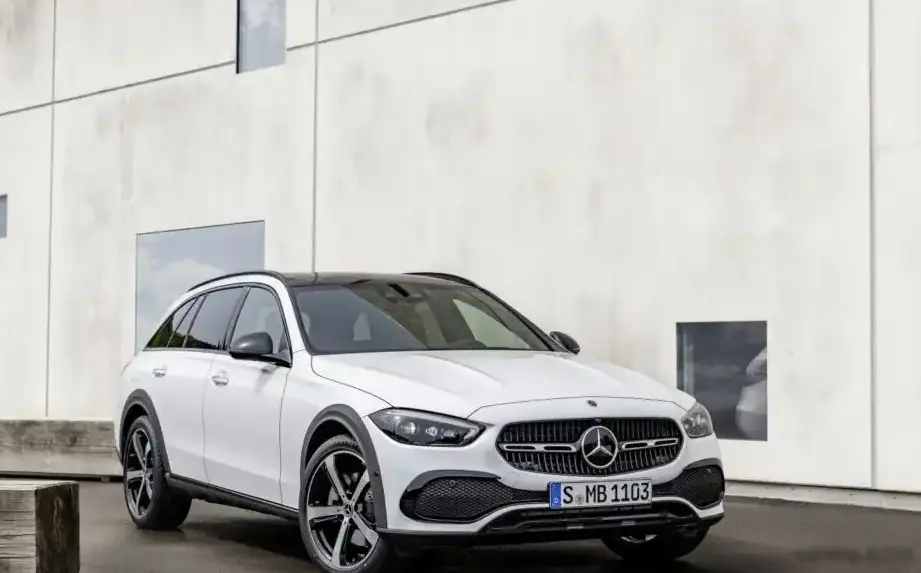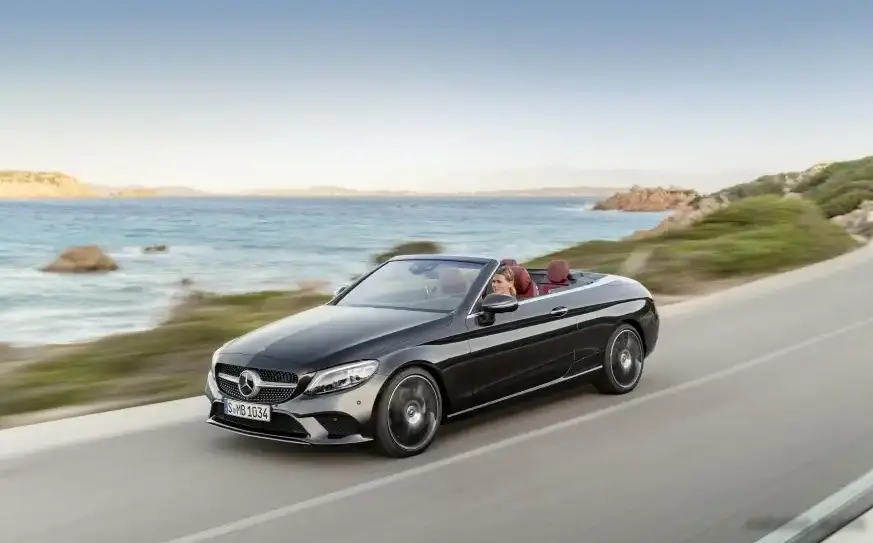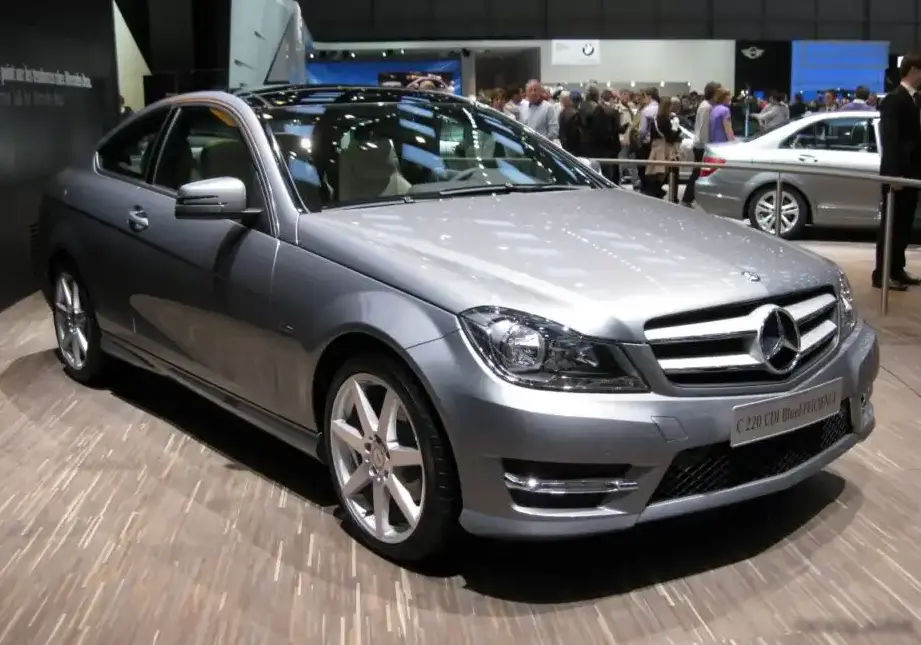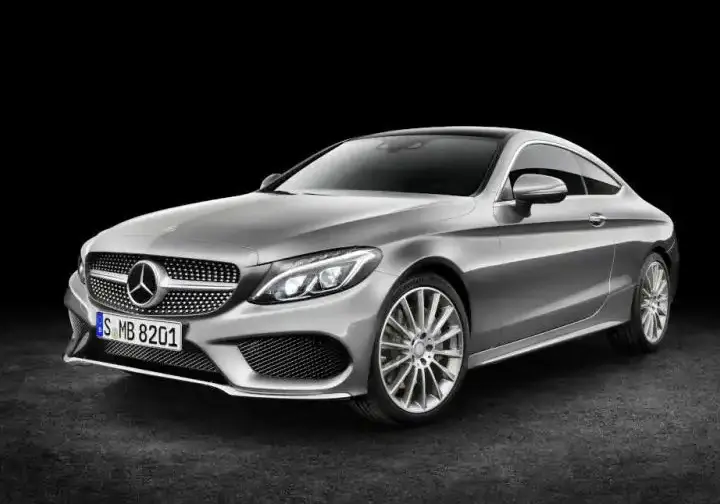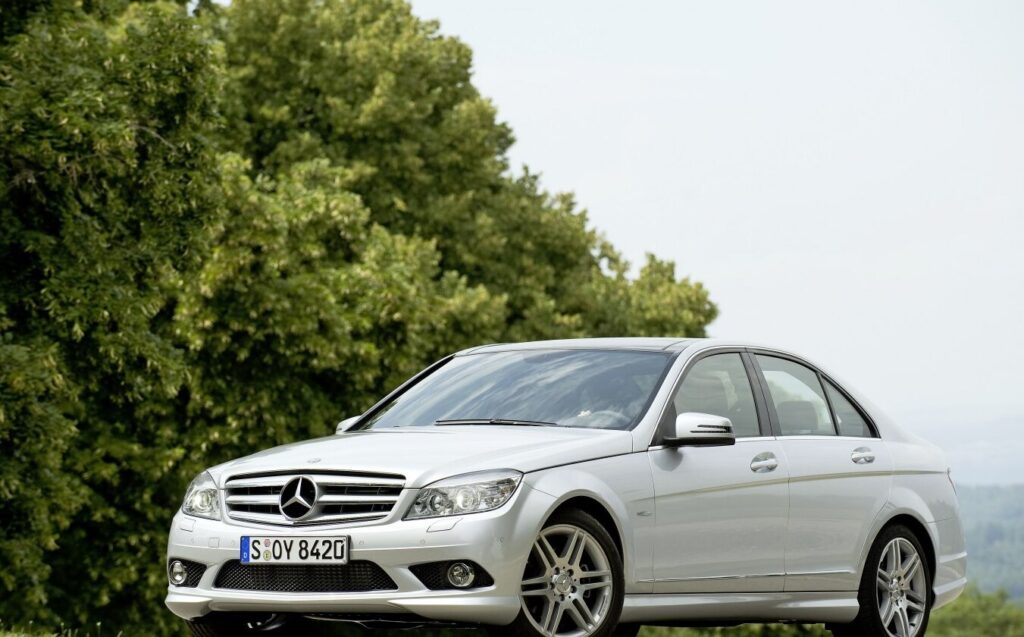
The Mercedes-Benz C 200 CGI BlueEFFICIENCY, produced between 2010 and 2011, represented a key variant within the W204 C-Class range. Positioned as a mid-range offering, it aimed to balance performance and fuel economy, appealing to buyers seeking a premium compact executive car. This model was primarily marketed in Europe and other regions where smaller displacement, turbocharged engines were gaining popularity due to favorable tax regulations and increasing fuel costs. The C 200 CGI BlueEFFICIENCY utilized direct injection technology and a turbocharger to deliver respectable power from its relatively small 1.8-liter engine.
Technical Specifications
| Brand | Mercedes-Benz |
| Model | C-class |
| Generation | C-class (W204) |
| Type (Engine) | C 200 CGI BlueEFFICIENCY (184 Hp) |
| Start of production | 2010 |
| End of production | 2011 |
| Powertrain Architecture | Internal Combustion engine |
| Body type | Sedan |
| Seats | 5 |
| Doors | 4 |
| Fuel consumption (urban) | 9.5-10.5 l/100 km (24.8 – 22.4 US mpg) |
| Fuel consumption (extra urban) | 5.3-6 l/100 km (44.4 – 39.2 US mpg) |
| Fuel consumption (combined) | 6.8-7.6 l/100 km (34.6 – 30.9 US mpg) |
| CO2 emissions | 158-177 g/km |
| Fuel Type | Petrol (Gasoline) |
| Acceleration 0 – 100 km/h | 8.2 sec |
| Acceleration 0 – 62 mph | 8.2 sec |
| Acceleration 0 – 60 mph | 7.8 sec |
| Maximum speed | 237 km/h (147.26 mph) |
| Emission standard | Euro 5 |
| Weight-to-power ratio | 7.7 kg/Hp |
| Weight-to-torque ratio | 5.3 kg/Nm |
| Power | 184 Hp @ 5250 rpm |
| Torque | 270 Nm @ 1800-4600 rpm (199.14 lb.-ft.) |
| Engine layout | Front, Longitudinal |
| Engine Model/Code | M 271.820 |
| Engine displacement | 1796 cm3 (109.6 cu. in.) |
| Number of cylinders | 4 |
| Engine configuration | Inline |
| Cylinder Bore | 82 mm (3.23 in.) |
| Piston Stroke | 85 mm (3.35 in.) |
| Compression ratio | 9.3:1 |
| Number of valves per cylinder | 4 |
| Fuel injection system | Direct injection |
| Engine aspiration | Turbocharger, Intercooler |
| Valvetrain | DOHC |
| Engine oil capacity | 5.5 l (5.81 US qt | 4.84 UK qt) |
| Coolant capacity | 8 l (8.45 US qt | 7.04 UK qt) |
| Kerb Weight | 1425 kg (3141.59 lbs.) |
| Max. weight | 2005 kg (4420.27 lbs.) |
| Max load | 580 kg (1278.68 lbs.) |
| Trunk (boot) space | 475 l (16.77 cu. ft.) |
| Fuel tank capacity | 59 l (15.59 US gal | 12.98 UK gal) |
| Length | 4581 mm (180.35 in.) |
| Width | 1770 mm (69.69 in.) |
| Height | 1447 mm (56.97 in.) |
| Wheelbase | 2760 mm (108.66 in.) |
| Front track | 1549 mm (60.98 in.) |
| Rear track | 1552 mm (61.1 in.) |
| Drivetrain | Rear wheel drive |
| Number of gears | 6 |
| Gearbox type | Manual transmission |
Powertrain & Engine Architecture
The heart of the C 200 CGI BlueEFFICIENCY is the M271.820 1.8-liter inline-four cylinder engine. This engine is a significant departure from older Mercedes-Benz engine designs, embracing forced induction and direct fuel injection to improve efficiency and power output. The “CGI” designation stands for “Charged Gasoline Injection,” highlighting the use of a supercharger and direct injection. However, the 2010-2011 C 200 CGI BlueEFFICIENCY actually utilized a turbocharger instead of a supercharger. This engine features a Roots-type supercharger integrated with a turbocharger, providing both low-end torque and high-end power. The direct injection system precisely meters fuel into the combustion chamber, optimizing combustion and reducing emissions. The engine employs a double overhead camshaft (DOHC) valvetrain with four valves per cylinder, further enhancing its breathing and performance. The six-speed manual transmission was standard, offering precise gear changes and a more engaging driving experience.
Driving Characteristics
The C 200 CGI BlueEFFICIENCY offered a balanced driving experience. While not as overtly sporty as the C 350 or AMG models, it provided sufficient power for everyday driving and occasional spirited runs. The turbocharger provided a noticeable boost in acceleration, with peak torque available from 1800-4600 rpm. This made the car feel responsive in most driving situations. The six-speed manual transmission allowed drivers to fully exploit the engine’s powerband. Compared to the automatic transmission options available on other C-Class models, the manual offered better fuel economy and a more direct connection to the engine. The rear-wheel-drive configuration contributed to a balanced chassis and predictable handling. However, the relatively modest horsepower output meant that acceleration was not as brisk as some competitors, and overtaking maneuvers required careful planning.
Equipment & Trim Levels
The C 200 CGI BlueEFFICIENCY typically came equipped with a respectable level of standard features. These included automatic climate control, power windows and mirrors, a multi-function steering wheel, and a basic audio system. Upholstery was generally cloth, although leather options were available. Optional extras included a sunroof, upgraded audio systems, navigation, parking sensors, and various cosmetic enhancements. The “BlueEFFICIENCY” designation indicated the inclusion of fuel-saving technologies such as start-stop functionality, which automatically shut off the engine when the vehicle was stationary, reducing fuel consumption and emissions. The interior design was typical of Mercedes-Benz, emphasizing quality materials and a refined aesthetic.
Chassis & Braking
The W204 C-Class featured a sophisticated chassis design. The front suspension utilized a McPherson strut setup with a transverse stabilizer bar, while the rear suspension employed a multi-link configuration, also with a stabilizer bar. This setup provided a good balance of ride comfort and handling precision. The C 200 CGI BlueEFFICIENCY typically came equipped with ventilated disc brakes at the front and solid disc brakes at the rear. Anti-lock braking system (ABS) was standard, enhancing braking performance and stability. The steering system was a rack-and-pinion type with hydraulic power assistance, providing precise and responsive steering feel.
Market Reception & Comparison
The C 200 CGI BlueEFFICIENCY was generally well-received by automotive critics. It was praised for its fuel efficiency, refined engine, and comfortable ride. However, some reviewers noted that the engine lacked the outright performance of larger displacement models. Compared to the C 250 or C 350, the C 200 offered a more affordable entry point into the C-Class range, but at the expense of performance. The C 220 CDI diesel variant was a popular alternative for buyers prioritizing fuel economy and torque. The C 200 CGI BlueEFFICIENCY’s fuel economy figures were competitive with other compact executive cars in its class, and its reliability was generally considered to be good.
Legacy
The M271 engine family, including the 1.8-liter variant found in the C 200 CGI BlueEFFICIENCY, proved to be relatively reliable. However, like all turbocharged engines, it is susceptible to issues related to the turbocharger itself, as well as potential carbon buildup on the intake valves. Regular maintenance, including oil changes and fuel system cleaning, is crucial for ensuring long-term reliability. Today, the W204 C-Class remains a popular choice in the used car market, offering a blend of luxury, performance, and affordability. The C 200 CGI BlueEFFICIENCY, with its fuel-efficient engine and manual transmission, represents a particularly appealing option for buyers seeking a practical and engaging compact executive car.