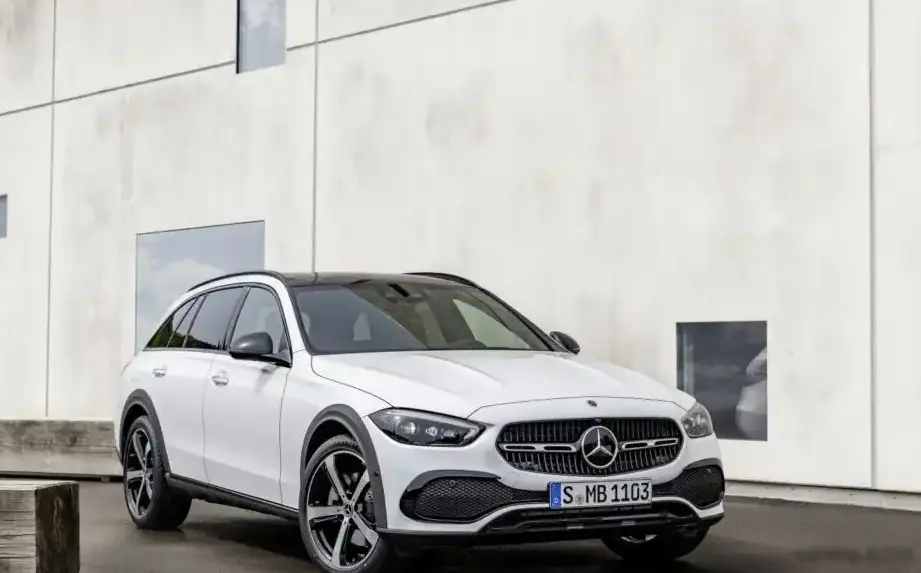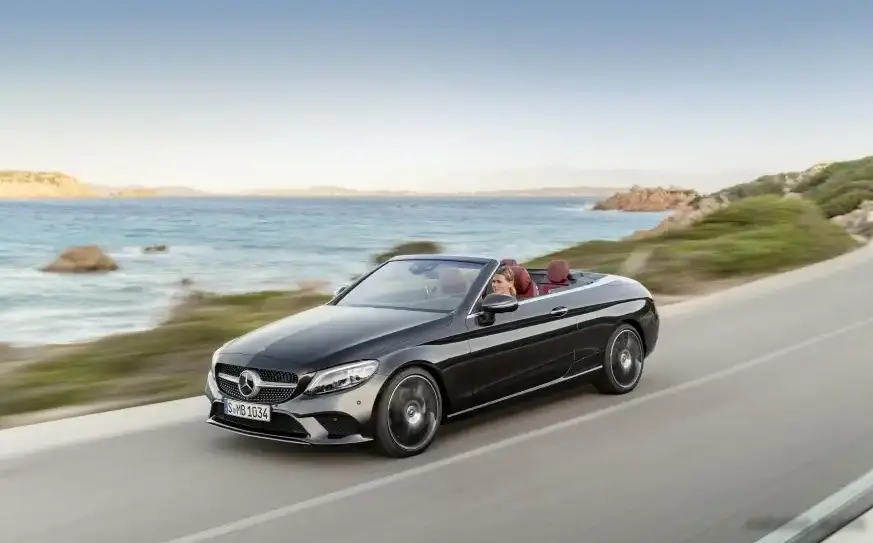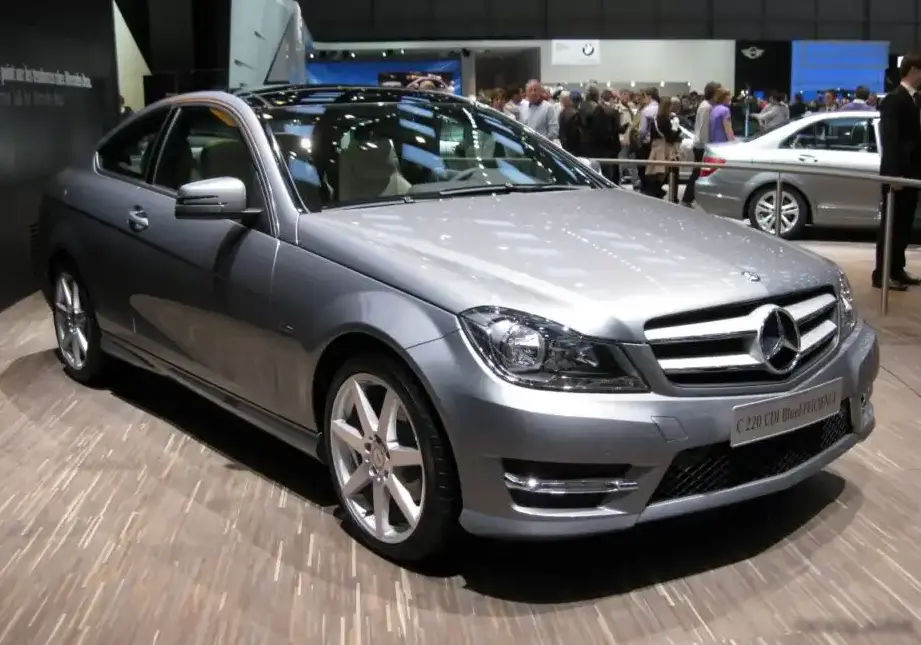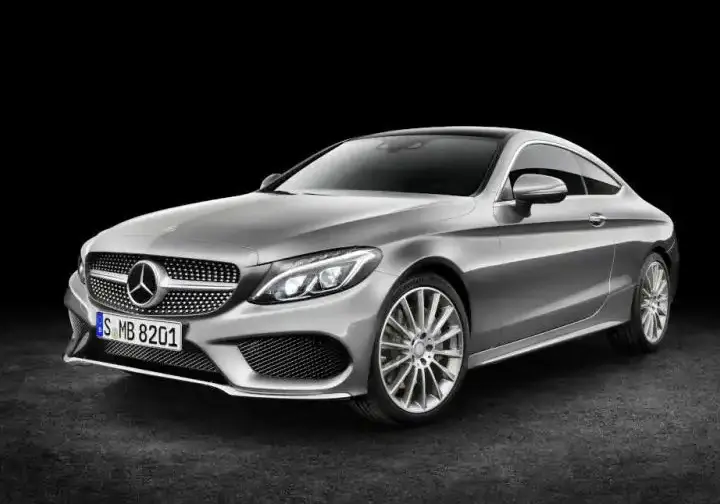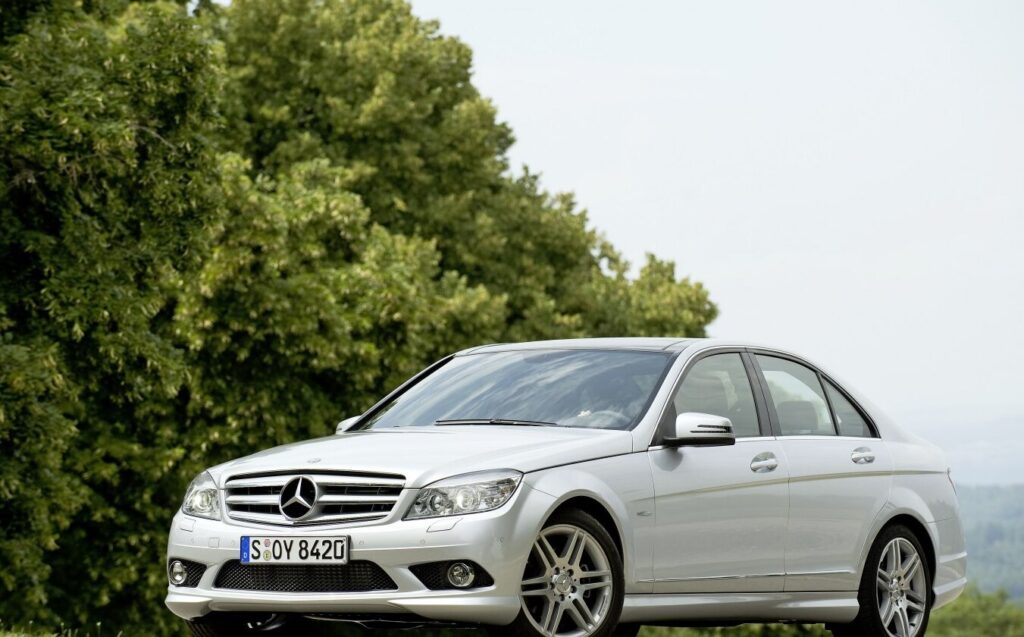
The Mercedes-Benz C-Class (W204) C 250 CGI BlueEFFICIENCY, produced from 2009 to 2011, represented a significant step in blending performance and efficiency within the compact executive car segment. Positioned as a mid-range offering within the W204 lineup, it bridged the gap between the entry-level C 180/200 models and the more potent C 350. This variant combined a turbocharged 1.8-liter four-cylinder engine with the 5G-TRONIC automatic transmission, aiming to deliver a refined driving experience with respectable fuel economy. The C 250 CGI BlueEFFICIENCY was primarily marketed towards buyers seeking a balance of luxury, technology, and reasonable running costs, appealing to both individual owners and fleet customers.
Technical Specifications
| Brand | Mercedes-Benz |
| Model | C-class |
| Generation | C-class (W204) |
| Type (Engine) | C 250 CGI BlueEFFICIENCY (204 Hp) 5G-TRONIC |
| Start of production | 2009 |
| End of production | 2011 |
| Powertrain Architecture | Internal Combustion engine |
| Body type | Sedan |
| Seats | 5 |
| Doors | 4 |
| Fuel consumption (economy) – urban (NEDC) | 10.1-10.7 l/100 km (23.3 – 22 US mpg, 28 – 26.4 UK mpg, 9.9 – 9.3 km/l) |
| Fuel consumption (economy) – extra urban (NEDC) | 5.5-6.2 l/100 km (42.8 – 37.9 US mpg, 51.4 – 45.6 UK mpg, 18.2 – 16.1 km/l) |
| Fuel consumption (economy) – combined (NEDC) | 7.2-7.9 l/100 km (32.7 – 29.8 US mpg, 39.2 – 35.8 UK mpg, 13.9 – 12.7 km/l) |
| CO2 emissions (NEDC) | 168-184 g/km |
| Fuel Type | Petrol (Gasoline) |
| Acceleration 0 – 100 km/h | 7.4 sec |
| Acceleration 0 – 62 mph | 7.4 sec |
| Acceleration 0 – 60 mph | 7 sec |
| Maximum speed | 240 km/h (149.13 mph) |
| Emission standard | Euro 5 |
| Weight-to-power ratio | 7 kg/Hp, 142.7 Hp/tonne |
| Weight-to-torque ratio | 4.6 kg/Nm, 216.8 Nm/tonne |
| Power | 204 Hp @ 5500 rpm |
| Power per litre | 113.6 Hp/l |
| Torque | 310 Nm @ 2000-4300 rpm (228.64 lb.-ft. @ 2000-4300 rpm) |
| Engine layout | Front, Longitudinal |
| Engine Model/Code | M 271.860 |
| Engine displacement | 1796 cm3 (109.6 cu. in.) |
| Number of cylinders | 4 |
| Engine configuration | Inline |
| Cylinder Bore | 82 mm (3.23 in.) |
| Piston Stroke | 85 mm (3.35 in.) |
| Compression ratio | 9.3:1 |
| Number of valves per cylinder | 4 |
| Fuel injection system | Direct injection |
| Engine aspiration | Turbocharger, Intercooler |
| Valvetrain | DOHC |
| Engine oil capacity | 5.5 l (5.81 US qt | 4.84 UK qt) |
| Coolant | 8 l (8.45 US qt | 7.04 UK qt) |
| Kerb Weight | 1430 kg (3152.61 lbs.) |
| Max. weight | 2010 kg (4431.29 lbs.) |
| Max load | 580 kg (1278.68 lbs.) |
| Trunk (boot) space – minimum | 475 l (16.77 cu. ft.) |
| Fuel tank capacity | 59 l (15.59 US gal | 12.98 UK gal) |
| Max. roof load | 100 kg (220.46 lbs.) |
| Permitted trailer load with brakes (12%) | 1800 kg (3968.32 lbs.) |
| Permitted trailer load without brakes | 750 kg (1653.47 lbs.) |
| Permitted towbar download | 75 kg (165.35 lbs.) |
| Length | 4581 mm (180.35 in.) |
| Width | 1770 mm (69.69 in.) |
| Width including mirrors | 2009 mm (79.09 in.) |
| Height | 1447 mm (56.97 in.) |
| Wheelbase | 2760 mm (108.66 in.) |
| Front track | 1549 mm (60.98 in.) |
| Rear (Back) track | 1552 mm (61.1 in.) |
| Front overhang | 765 mm (30.12 in.) |
| Rear overhang | 1056 mm (41.57 in.) |
| Minimum turning circle (turning diameter) | 10.84 m (35.56 ft.) |
| Drivetrain Architecture | The Internal combustion engine (ICE) drives the rear wheels of the vehicle. |
| Drive wheel | Rear wheel drive |
| Number of gears and type of gearbox | 5 gears, automatic transmission G-TRONIC |
| Front suspension | Independent type McPherson, Transverse stabilizer |
| Rear suspension | Independent multi-link suspension, Transverse stabilizer |
| Front brakes | Ventilated discs |
| Rear brakes | Disc |
| Assisting systems | ABS (Anti-lock braking system) |
| Steering type | Steering rack and pinion |
| Power steering | Hydraulic Steering |
| Tires size | 205/55 R16 |
| Wheel rims size | 7J x 16 |
Powertrain & Engine Architecture
The heart of the C 250 CGI BlueEFFICIENCY is the M 271.860 1.8-liter inline-four cylinder engine. This engine is a key member of Mercedes-Benz’s CGI (Compressed Gas Ignition) family, utilizing direct fuel injection and a turbocharger with an intercooler to achieve a balance of power and efficiency. The engine code ‘271’ signifies the engine family, while ‘860’ denotes the specific displacement and configuration. The direct injection system, supplied by Bosch, precisely meters fuel into the combustion chamber, improving combustion efficiency and reducing emissions. The turbocharger provides a significant boost in power output, overcoming the limitations of a smaller displacement engine. The engine features a double overhead camshaft (DOHC) valvetrain with four valves per cylinder, optimizing airflow for enhanced performance. The 5G-TRONIC automatic transmission, a five-speed unit, was specifically calibrated to work with the engine’s torque characteristics. It offered smooth and responsive gear changes, contributing to a comfortable driving experience.
Driving Characteristics
The C 250 CGI BlueEFFICIENCY offered a noticeably different driving experience compared to its more powerful C 350 sibling. While lacking the outright acceleration of the larger engine, the 204 horsepower and 310 Nm (228.64 lb-ft) of torque provided adequate performance for everyday driving. The turbocharger delivered a noticeable surge of power in the mid-range, making overtaking maneuvers relatively effortless. The 5G-TRONIC transmission, while smooth, could sometimes feel a bit hesitant during quick downshifts. Compared to the six-speed manual transmission available on other C-Class models, the automatic prioritized comfort over sporty engagement. The gear ratios were tuned for fuel efficiency, resulting in a slightly less responsive feel. The rear-wheel-drive configuration provided a balanced handling characteristic, although it wasn’t as sharp or engaging as some of its competitors.
Equipment & Trim Levels
The C 250 CGI BlueEFFICIENCY typically came standard with a respectable level of equipment. This included features like automatic climate control, power windows and mirrors, a multi-function steering wheel, and an audio system with CD player. Upholstery was generally cloth, although leather options were available. Optional extras included a sunroof, navigation system, premium sound system, and parking sensors. The ‘BlueEFFICIENCY’ designation indicated the inclusion of fuel-saving technologies such as start-stop functionality and optimized aerodynamics. Interior trim options ranged from wood veneers to aluminum accents, allowing buyers to personalize the cabin to their preferences.
Chassis & Braking
The W204 C-Class featured a fully independent suspension system. The front utilized a McPherson strut setup, while the rear employed a multi-link suspension. Both ends were equipped with a transverse stabilizer bar to reduce body roll during cornering. The C 250 CGI BlueEFFICIENCY typically came equipped with ventilated disc brakes at the front and solid disc brakes at the rear. Anti-lock Braking System (ABS) was standard, providing enhanced braking performance and stability. The steering system was a rack-and-pinion type with hydraulic power assistance, offering a balanced feel between responsiveness and ease of use.
Market Reception & Comparison
The C 250 CGI BlueEFFICIENCY was generally well-received by automotive critics. It was praised for its fuel efficiency, comfortable ride, and refined interior. However, some reviewers noted that the performance wasn’t as exhilarating as some of its rivals, and the 5G-TRONIC transmission could feel a bit dated compared to newer automatic gearboxes. Compared to the C 350, the C 250 offered a more affordable entry point into the C-Class range, while still providing a luxurious and well-equipped vehicle. Against competitors like the BMW 320i and Audi A4 1.8 TFSI, the C 250 offered a competitive blend of features and performance.
Legacy
The M 271 engine family, including the 1.8-liter CGI variant found in the C 250, has proven to be relatively reliable, although some owners have reported issues with the turbocharger and fuel injectors over the long term. Regular maintenance, including oil changes and timely replacement of wear items, is crucial for ensuring longevity. In the used car market, the C 250 CGI BlueEFFICIENCY represents a good value proposition for buyers seeking a comfortable and efficient compact executive car. Its combination of luxury, technology, and reasonable running costs continues to make it an appealing option, even years after its production ended.