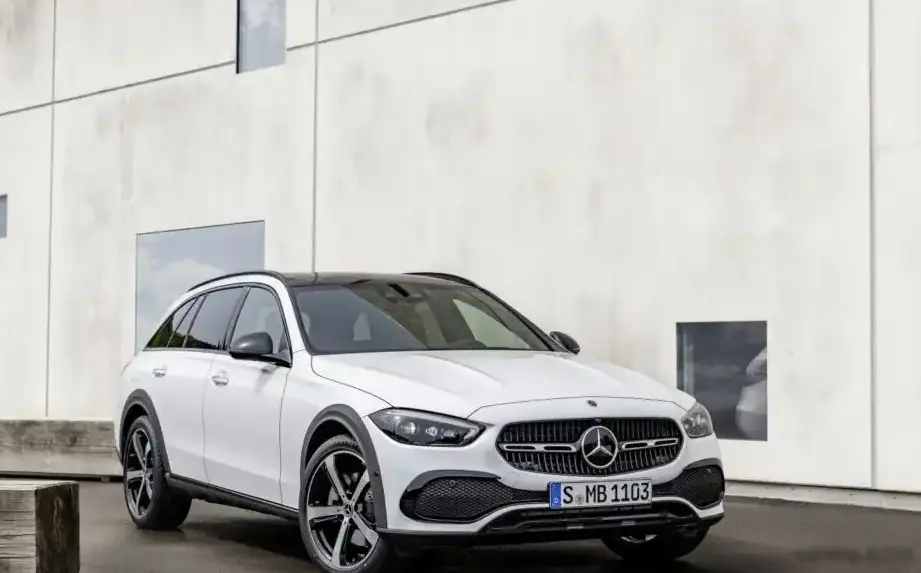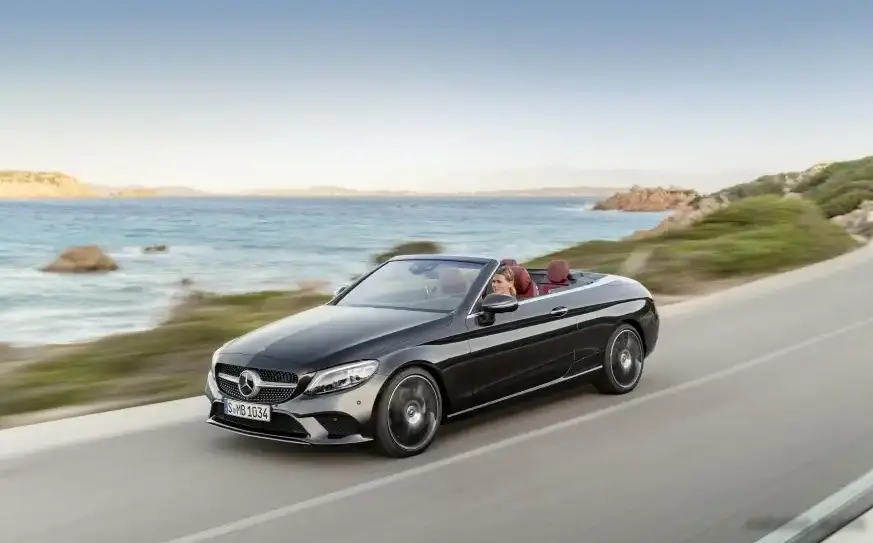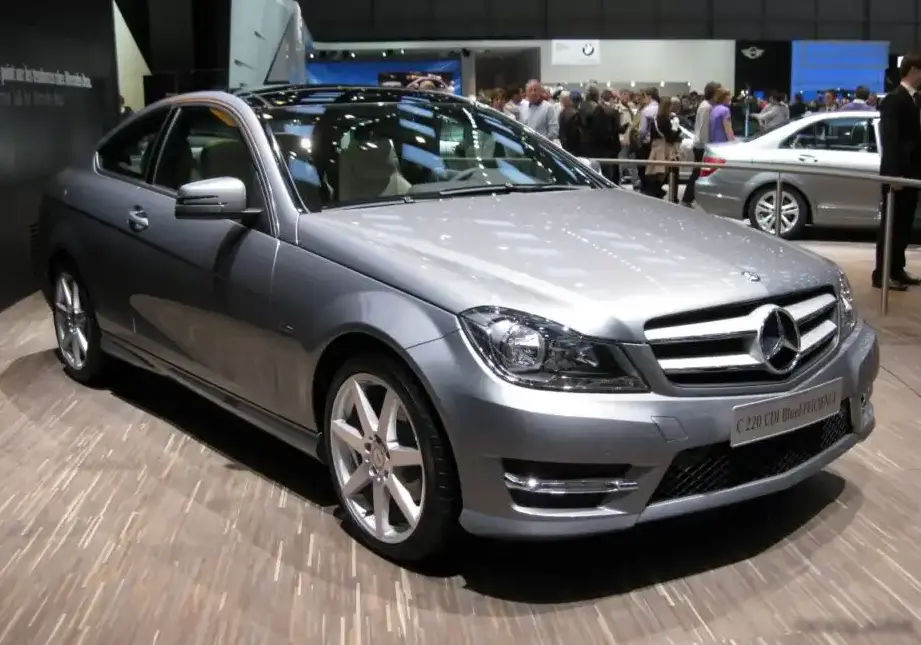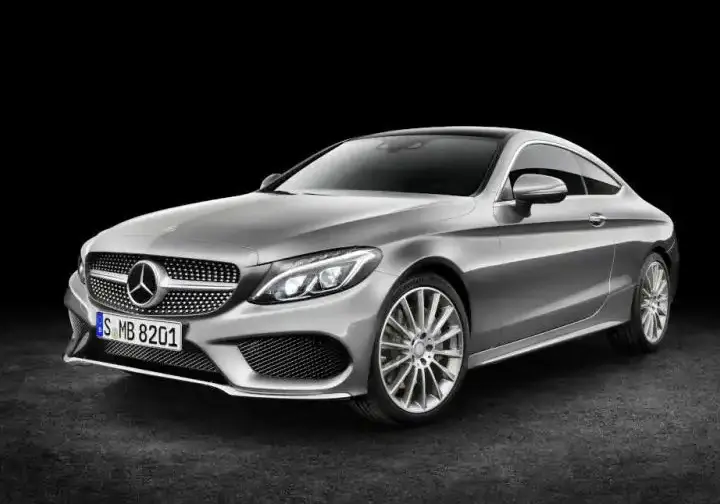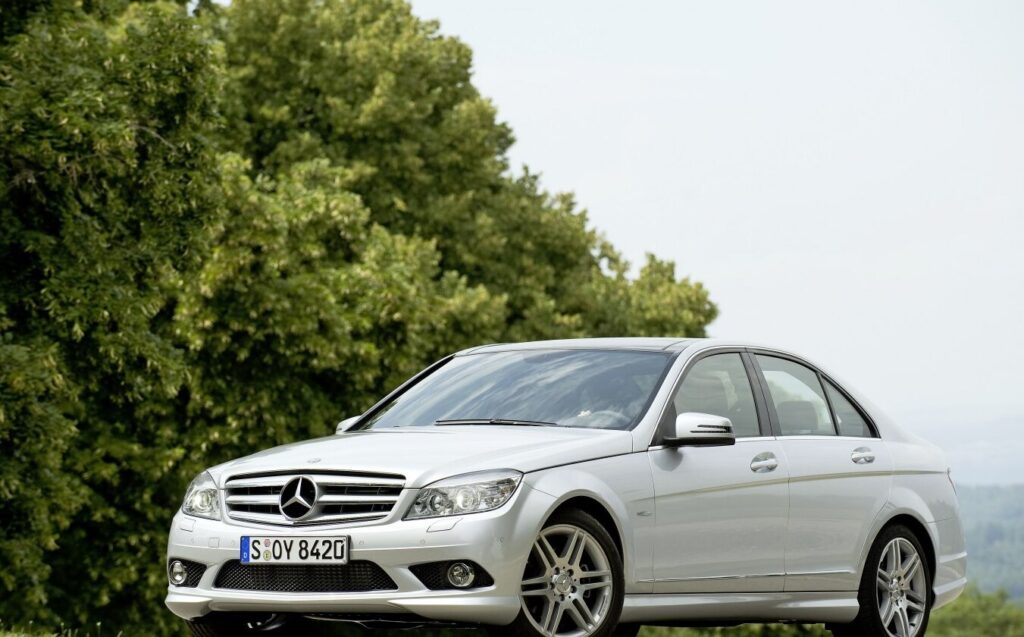
The Mercedes-Benz C-Class (W204) C 300 V6, produced from 2009 to 2011, represented a mid-cycle offering within the second generation of the popular C-Class sedan. Positioned as a step up from the C 250 and a more accessible alternative to the performance-oriented C 350, the C 300 V6 aimed to balance luxury, performance, and fuel efficiency. It was primarily marketed towards buyers seeking a refined driving experience with a capable engine, fitting into the premium compact executive car segment. This variant was sold primarily in North America and select international markets, offering a compelling package within the broader W204 lineup.
Technical Specifications
| Brand | Mercedes-Benz |
| Model | C-class |
| Generation | C-class (W204) |
| Type (Engine) | C 300 V6 (231 Hp) |
| Start of production | 2009 |
| End of production | 2011 |
| Powertrain Architecture | Internal Combustion engine |
| Body type | Sedan |
| Seats | 5 |
| Doors | 4 |
| Fuel consumption (economy) – urban (NEDC) | 13.7-13.9 l/100 km (17.2 – 16.9 US mpg, 20.6 – 20.3 UK mpg, 7.3 – 7.2 km/l) |
| Fuel consumption (economy) – extra urban (NEDC) | 6.9-7.1 l/100 km (34.1 – 33.1 US mpg, 40.9 – 39.8 UK mpg, 14.5 – 14.1 km/l) |
| Fuel consumption (economy) – combined (NEDC) | 9.4-9.6 l/100 km (25 – 24.5 US mpg, 30.1 – 29.4 UK mpg, 10.6 – 10.4 km/l) |
| CO2 emissions (NEDC) | 220-225 g/km |
| Fuel Type | Petrol (Gasoline) |
| Acceleration 0 – 100 km/h | 7.3 sec |
| Acceleration 0 – 62 mph | 7.3 sec |
| Acceleration 0 – 60 mph | 6.9 sec |
| Maximum speed | 250 km/h (155.34 mph) – Electronically limited |
| Emission standard | Euro 5 |
| Weight-to-power ratio | 6.4 kg/Hp, 156.1 Hp/tonne |
| Weight-to-torque ratio | 4.9 kg/Nm, 202.7 Nm/tonne |
| Power | 231 Hp @ 6000 rpm |
| Torque | 300 Nm @ 2500-5000 rpm (221.27 lb.-ft. @ 2500-5000 rpm) |
| Engine layout | Front, Longitudinal |
| Engine Model/Code | M 272.947 |
| Engine displacement | 2996 cm3 (182.83 cu. in.) |
| Number of cylinders | 6 |
| Engine configuration | V-engine |
| Cylinder Bore | 88 mm (3.46 in.) |
| Piston Stroke | 82 mm (3.23 in.) |
| Compression ratio | 11.3:1 |
| Number of valves per cylinder | 4 |
| Fuel injection system | Multi-port manifold injection |
| Engine aspiration | Naturally aspirated engine |
| Valvetrain | DOHC |
| Engine oil capacity | 8 l (8.45 US qt | 7.04 UK qt) |
| Kerb Weight | 1480 kg (3262.84 lbs.) |
| Max. weight | 2040 kg (4497.43 lbs.) |
| Max load | 560 kg (1234.59 lbs.) |
| Trunk (boot) space – minimum | 475 l (16.77 cu. ft.) |
| Fuel tank capacity | 66 l (17.44 US gal | 14.52 UK gal) |
| Max. roof load | 100 kg (220.46 lbs.) |
| Permitted trailer load with brakes (12%) | 1800 kg (3968.32 lbs.) |
| Permitted trailer load without brakes | 750 kg (1653.47 lbs.) |
| Permitted towbar download | 75 kg (165.35 lbs.) |
| Length | 4581 mm (180.35 in.) |
| Width | 1770 mm (69.69 in.) |
| Width including mirrors | 2009 mm (79.09 in.) |
| Height | 1447 mm (56.97 in.) |
| Wheelbase | 2760 mm (108.66 in.) |
| Front track | 1549 mm (60.98 in.) |
| Rear (Back) track | 1552 mm (61.1 in.) |
| Front overhang | 765 mm (30.12 in.) |
| Rear overhang | 1056 mm (41.57 in.) |
| Minimum turning circle (turning diameter) | 10.84 m (35.56 ft.) |
| Drivetrain Architecture | The Internal combustion engine (ICE) drives the rear wheels of the vehicle. |
| Drive wheel | Rear wheel drive |
| Number of gears and type of gearbox | 6 gears, manual transmission |
| Front suspension | Independent type McPherson, Transverse stabilizer |
| Rear suspension | Independent multi-link suspension, Transverse stabilizer |
| Front brakes | Ventilated discs |
| Rear brakes | Disc |
| Assisting systems | ABS (Anti-lock braking system) |
| Steering type | Steering rack and pinion |
| Power steering | Hydraulic Steering |
| Tires size | 205/55 R16 |
| Wheel rims size | 7J x 16 |
Powertrain & Engine Architecture
The heart of the C 300 V6 is the M272.947 3.0-liter naturally aspirated V6 engine. This engine, a staple in many Mercedes-Benz models of the era, features a 60-degree V-angle and utilizes a multi-port fuel injection system. The engine produces 231 horsepower at 6,000 rpm and 300 Nm (221 lb-ft) of torque between 2,500 and 5,000 rpm. It employs a double overhead camshaft (DOHC) valvetrain with four valves per cylinder, contributing to its relatively high specific output. The engine’s construction incorporates an aluminum alloy block and cylinder heads, helping to reduce weight. The C 300 V6 was paired with a 6-speed manual transmission, providing drivers with a more engaging driving experience compared to the optional 5-speed automatic transmission available on some other C-Class models.
Driving Characteristics
The C 300 V6 with the 6-speed manual transmission offered a noticeably more spirited driving experience than the C 250. Acceleration from 0 to 60 mph was achieved in approximately 6.9 seconds, making it competitive within its class. The engine’s torque curve provided adequate power for everyday driving and confident overtaking maneuvers. While not as overtly sporty as the C 350, the C 300 V6 delivered a smooth and refined power delivery. The manual transmission allowed for precise gear selection and greater driver control. Compared to the automatic version, the manual offered improved fuel economy and a more connected feel. The rear-wheel-drive configuration contributed to balanced handling, although it could be challenging in low-traction conditions.
Equipment & Trim Levels
The C 300 V6 typically came standard with features such as automatic climate control, power windows and locks, a multi-function steering wheel, and a basic audio system. Upholstery was generally cloth, with leather options available as upgrades. Common optional extras included a sunroof, premium audio systems (like Harman Kardon), navigation, and parking sensors. The interior design was typical of Mercedes-Benz at the time, emphasizing a luxurious and comfortable environment. Trim levels varied slightly depending on the market, but generally, the C 300 V6 offered a good balance of standard features and available upgrades.
Chassis & Braking
The W204 C-Class featured a fully independent suspension system, with a McPherson strut setup at the front and a multi-link suspension at the rear. This configuration provided a comfortable ride while maintaining good handling characteristics. The C 300 V6 was equipped with ventilated disc brakes at the front and solid discs at the rear. Anti-lock braking system (ABS) was standard. The suspension tuning was geared towards comfort, but the relatively low weight of the C 300 V6 (around 3263 lbs) helped to maintain a responsive feel. Stabilizer bars were fitted to both the front and rear axles to reduce body roll during cornering.
Market Reception & Comparison
The C 300 V6 was generally well-received by automotive critics. It was praised for its smooth engine, comfortable ride, and well-appointed interior. However, some reviewers noted that it lacked the outright performance of the C 350. Compared to the C 250, the C 300 V6 offered a significant power upgrade, making it a more appealing option for drivers who prioritized performance. Fuel economy was respectable for a V6 engine, averaging around 25 mpg in combined driving. Reliability was generally good, although some owners reported minor issues with electronic components.
Legacy
The M272 engine family, including the 3.0-liter V6 found in the C 300 V6, has proven to be relatively durable over the long term. With proper maintenance, these engines can reliably exceed 150,000 miles. Today, the W204 C 300 V6 represents an affordable entry point into the Mercedes-Benz brand. Used examples are readily available, and parts are generally accessible. While not a collector’s item, the C 300 V6 remains a popular choice for buyers seeking a comfortable, reliable, and relatively sporty luxury sedan. The combination of a smooth V6 engine and a manual transmission makes it a particularly appealing option for driving enthusiasts.