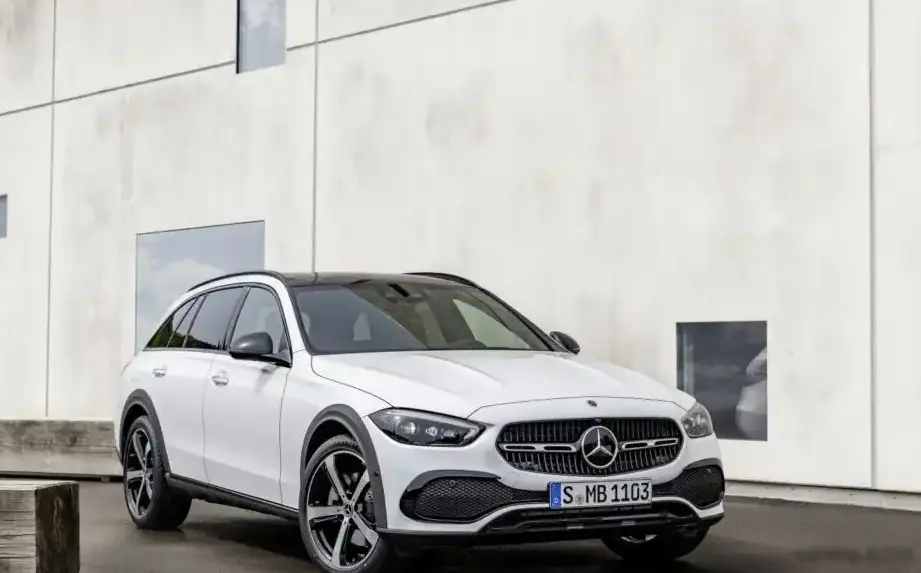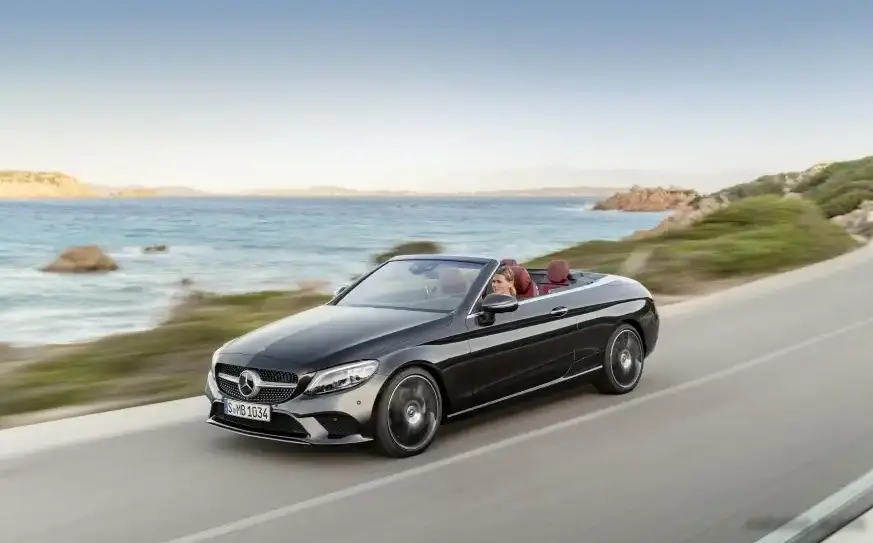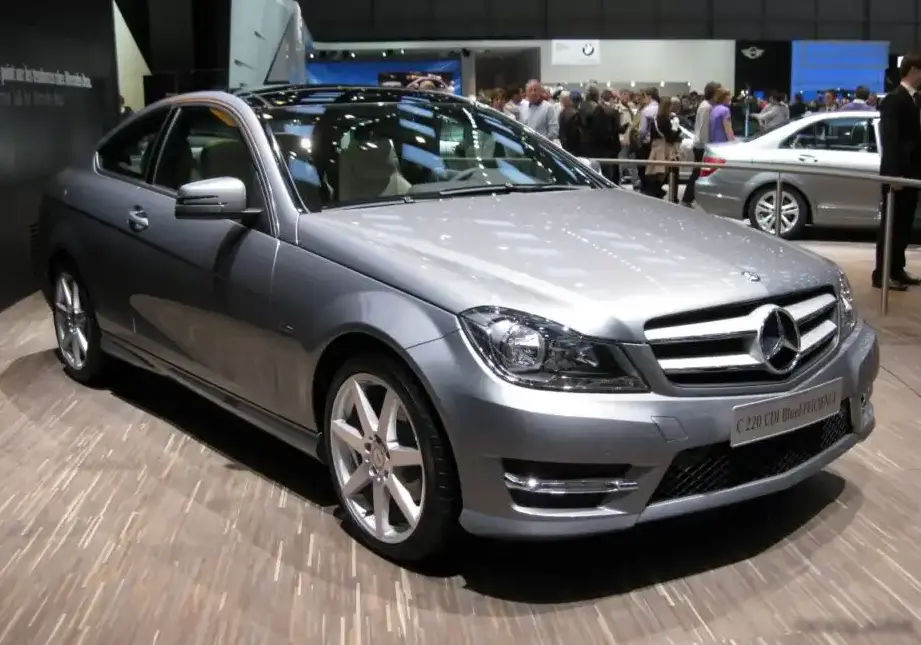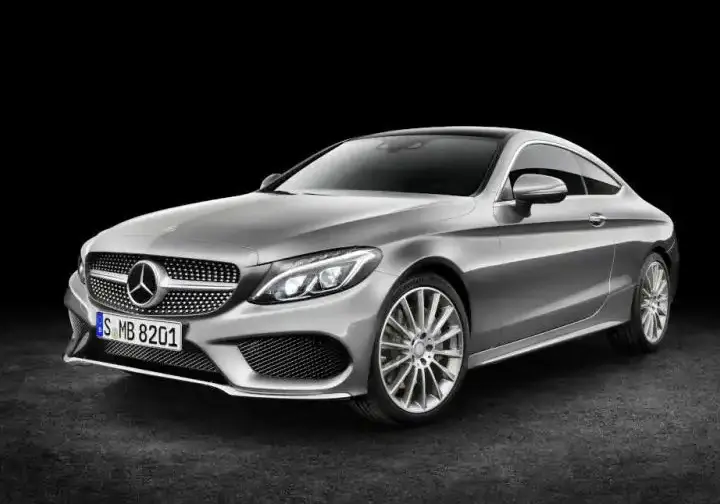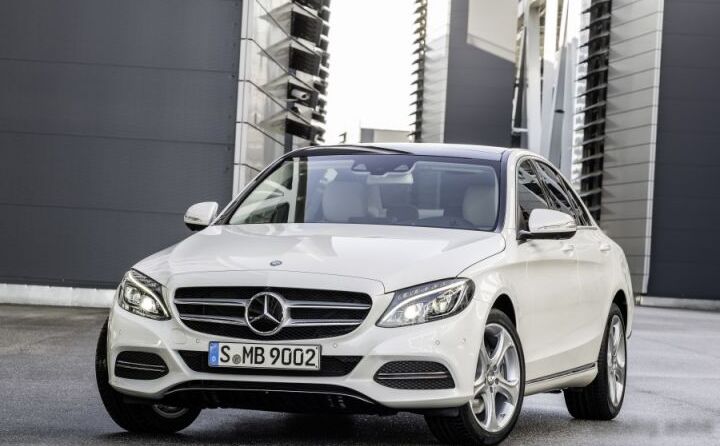
The Mercedes-Benz C-Class (W205) AMG C 63 S, produced from 2015 to 2018, represents the high-performance variant of the fourth-generation C-Class. Positioned as the flagship model within the W205 range, the C 63 S aimed to deliver uncompromising performance and a luxurious driving experience, directly competing with rivals like the BMW M3 and Audi RS5. This specific configuration, featuring a 4.0-liter twin-turbocharged V8 engine paired with the AMG SPEEDSHIFT MCT 7-speed automatic transmission, was the pinnacle of the W205 C-Class lineup, offering significantly more power and advanced technology than other trims.
Technical Specifications
| Brand | Mercedes-Benz |
| Model | C-class |
| Generation | C-class (W205) |
| Type | AMG C 63 S V8 (510 Hp) SPEEDSHIFT MCT |
| Start of production | 2015 |
| End of production | 2018 |
| Powertrain Architecture | Internal Combustion engine |
| Body type | Sedan |
| Seats | 5 |
| Doors | 4 |
| Fuel consumption (urban) | 11.0-10.8 l/100 km (21.4 – 21.8 US mpg, 25.7 – 26.2 UK mpg, 9.1 – 9.3 km/l) |
| Fuel consumption (extra urban) | 6.9-6.7 l/100 km (34.1 – 35.1 US mpg, 40.9 – 42.2 UK mpg, 14.5 – 14.9 km/l) |
| Fuel consumption (combined) | 8.4-8.2 l/100 km (28 – 28.7 US mpg, 33.6 – 34.4 UK mpg, 11.9 – 12.2 km/l) |
| CO2 emissions | 195-192 g/km |
| Fuel Type | Petrol (Gasoline) |
| Acceleration 0 – 100 km/h | 4 sec |
| Acceleration 0 – 62 mph | 4 sec |
| Acceleration 0 – 60 mph | 3.9 sec |
| Maximum speed | 250 km/h (155.34 mph) |
| Emission standard | Euro 6 |
| Weight-to-power ratio | 3.2 kg/Hp, 308.2 Hp/tonne |
| Weight-to-torque ratio | 2.4 kg/Nm, 423 Nm/tonne |
| Power | 510 Hp @ 5500-6250 rpm |
| Power per litre | 128.1 Hp/l |
| Torque | 700 Nm @ 1750-4500 rpm (516.29 lb.-ft. @ 1750-4500 rpm) |
| Engine layout | Front, Longitudinal |
| Engine Model/Code | M 177.980 |
| Engine displacement | 3982 cm3 (243 cu. in.) |
| Number of cylinders | 8 |
| Engine configuration | V-engine |
| Compression ratio | 10.5:1 |
| Fuel injection system | Direct injection |
| Engine aspiration | BiTurbo, Intercooler |
| Engine oil capacity | 9 l (9.51 US qt | 7.92 UK qt) |
| Coolant capacity | 11.1 l (11.73 US qt | 9.77 UK qt) |
| Kerb Weight | 1655 kg (3648.65 lbs.) |
| Max. weight | 2180 kg (4806.08 lbs.) |
| Max load | 525 kg (1157.43 lbs.) |
| Trunk (boot) space – minimum | 435 l (15.36 cu. ft.) |
| Fuel tank capacity | 66 l (17.44 US gal | 14.52 UK gal) |
| Length | 4756 mm (187.24 in.) |
| Width | 1839 mm (72.4 in.) |
| Width including mirrors | 2020 mm (79.53 in.) |
| Height | 1426 mm (56.14 in.) |
| Wheelbase | 2840 mm (111.81 in.) |
| Front track | 1609 mm (63.35 in.) |
| Rear track | 1546 mm (60.87 in.) |
| Drivetrain Architecture | Rear wheel drive |
| Number of gears | 7 |
| Gearbox type | Automatic transmission AMG SPEEDSHIFT MCT |
| Front suspension | Double wishbone |
| Rear suspension | Independent multi-link suspension |
| Front brakes | Ventilated discs |
| Rear brakes | Ventilated discs |
| Assisting systems | ABS (Anti-lock braking system) |
| Steering type | Steering rack and pinion |
| Tires size | 245/35 ZR 19; 265/35 ZR 19 |
| Wheel rims size | 19 |
Powertrain & Engine Architecture
The heart of the C 63 S is the M177.980 4.0-liter V8 engine. This engine, a departure from the naturally aspirated 6.2-liter V8 used in previous C 63 models, utilizes two twin-scroll turbochargers positioned within the ‘hot-V’ configuration – meaning they are located between the cylinder banks. This design minimizes exhaust gas routing, improving responsiveness and reducing turbo lag. The engine features direct fuel injection, a compression ratio of 10.5:1, and employs advanced technologies like cylinder deactivation (AMG Cylinder Management) to enhance fuel efficiency during cruising. The AMG SPEEDSHIFT MCT 7-speed automatic transmission is a wet-clutch transmission, replacing the traditional torque converter with a compact wet clutch pack. This design provides faster shift times and a more direct connection between the engine and the wheels. The transmission also features various driving modes, including Comfort, Sport, Sport+, and Race, each altering shift points and responsiveness.
Driving Characteristics
The C 63 S delivers exhilarating performance. The 510 horsepower and 700 Nm (516 lb-ft) of torque provide effortless acceleration, with a 0-60 mph time of just 3.9 seconds. The MCT transmission contributes to incredibly quick and precise gear changes, especially in Sport and Race modes. While the automatic transmission is highly capable, some enthusiasts missed the engagement of a manual gearbox. The rear-wheel-drive configuration, combined with the substantial power output, can make the C 63 S a challenging car to handle at the limit, requiring a skilled driver to manage wheelspin. The suspension, tuned for performance, provides a firm but controlled ride, prioritizing handling over outright comfort.
Equipment & Trim Levels
The C 63 S came standard with a comprehensive list of features, including AMG sport seats upholstered in Nappa leather, a flat-bottom AMG steering wheel, brushed aluminum interior trim, and a high-performance audio system. Standard exterior features included AMG body styling, quad exhaust outlets, and 19-inch alloy wheels. Optional extras included carbon fiber exterior accents, ceramic composite brakes, a head-up display, and advanced driver-assistance systems like lane keeping assist and adaptive cruise control. The interior dashboard configuration was typical of the W205 C-Class, featuring a central infotainment screen controlled by a rotary dial and touchpad.
Chassis & Braking
The C 63 S features a sophisticated chassis designed to handle the engine’s immense power. The front suspension utilizes a three-link design with double wishbones, while the rear employs a five-link independent multi-link suspension. AMG-tuned adaptive dampers are standard, allowing the driver to adjust the suspension stiffness. Braking duties are handled by large, ventilated discs on all four wheels, providing ample stopping power. The C 63 S also incorporates an AMG electronic stability program (ESP) with various settings, allowing for a degree of controlled oversteer.
Market Reception & Comparison
The C 63 S was widely praised by automotive critics for its exceptional performance, engaging driving dynamics, and luxurious interior. However, some reviewers noted that the ride could be firm, and the fuel economy was relatively poor. Compared to the standard C 63, the ‘S’ model offered a significant power increase, upgraded brakes, and a more aggressive suspension setup. Against its rivals, the BMW M3 and Audi RS5, the C 63 S stood out with its distinctive V8 engine sound and more raw, visceral driving experience. The M3 was often lauded for its more balanced handling, while the RS5 offered a more refined and comfortable ride.
Legacy
The M177/M178 engine family, including the 4.0-liter twin-turbo V8 found in the C 63 S, has proven to be remarkably reliable. While maintenance costs can be higher than those of naturally aspirated engines, the engine itself is generally robust. On the used car market, the W205 C 63 S holds its value well, attracting enthusiasts seeking a high-performance luxury sedan. The combination of power, technology, and prestige ensures that the C 63 S remains a desirable and sought-after vehicle.