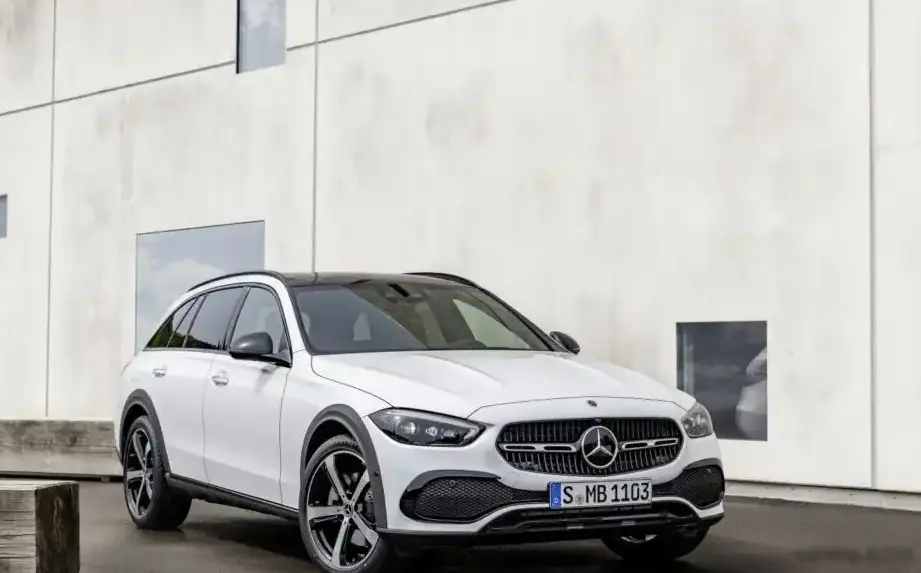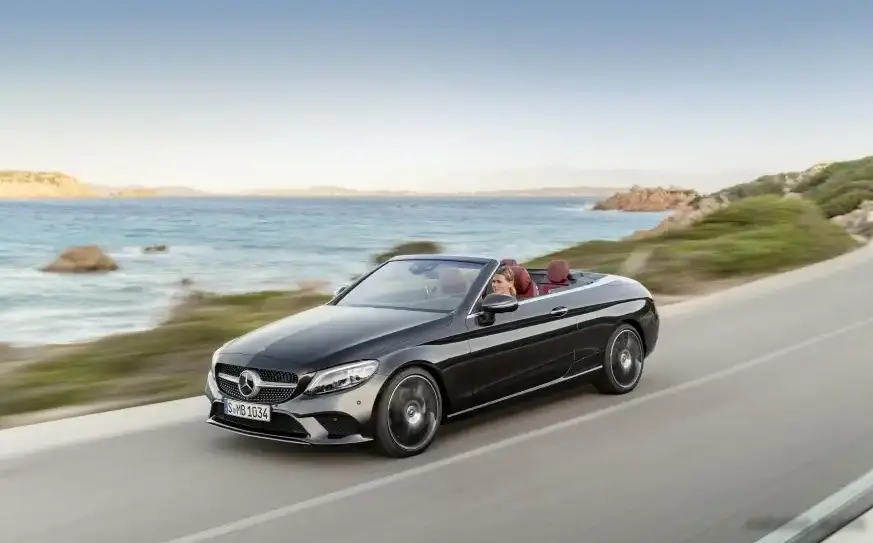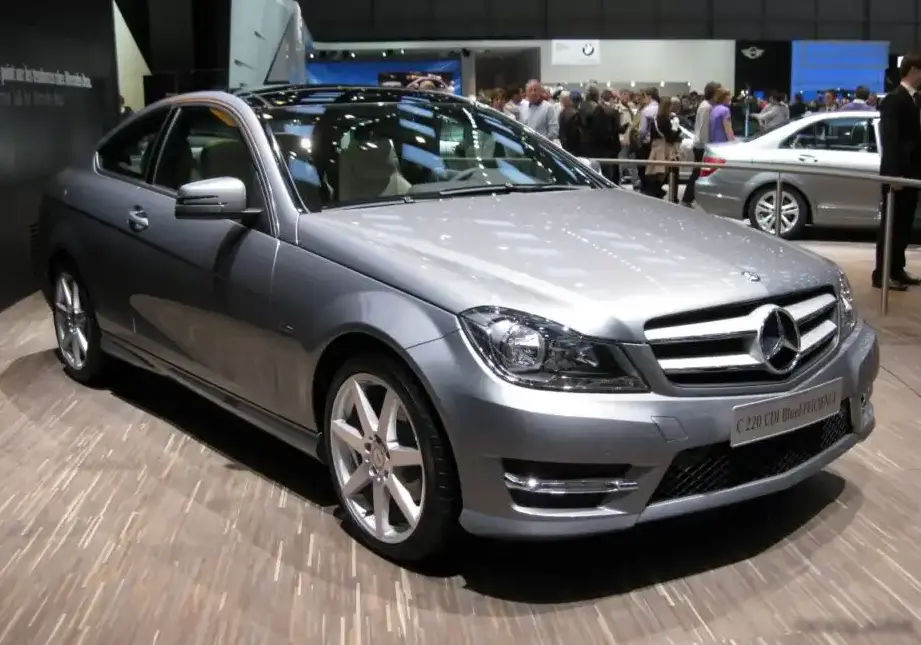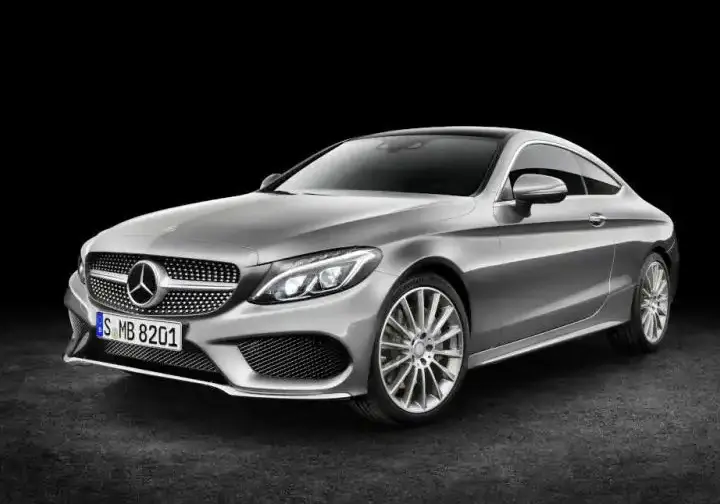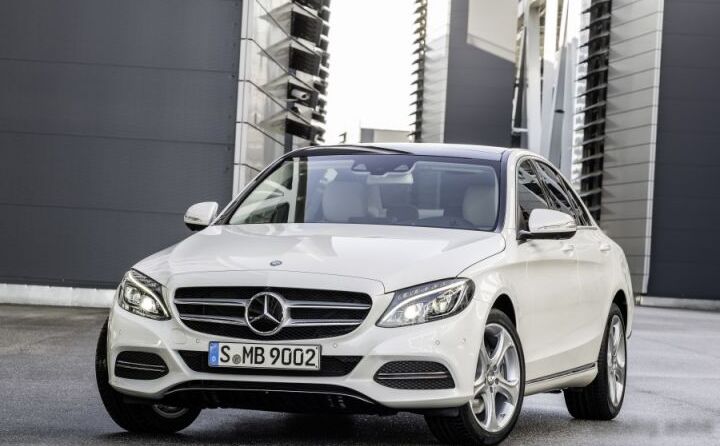
The Mercedes-Benz C 180, part of the W205 C-Class generation produced from 2014 to 2018, represented the entry point into the premium compact executive car segment for Mercedes-Benz. Positioned below the C 200 and C 250 models, the C 180 aimed to offer a balance of luxury, efficiency, and affordability. This variant was primarily marketed in Europe and other regions where smaller displacement engines were favored due to tax regulations and fuel economy concerns. While not a performance leader within the W205 lineup, the C 180 provided a comfortable and refined driving experience, appealing to buyers prioritizing fuel efficiency and a prestigious badge.
Technical Specifications
| Brand | Mercedes-Benz |
| Model | C-class |
| Generation | C-class (W205) |
| Type (Engine) | C 180 (156 Hp) |
| Start of production | 2014 |
| End of production | 2018 |
| Powertrain Architecture | Internal Combustion engine |
| Body type | Sedan |
| Seats | 5 |
| Doors | 4 |
| Fuel consumption (urban) | 6.8-6.4 l/100 km (34.6 – 36.8 US mpg, 41.5 – 44.1 UK mpg, 14.7 – 15.6 km/l) |
| Fuel consumption (extra urban) | 4.7-4.2 l/100 km (50 – 56 US mpg, 60.1 – 67.3 UK mpg, 21.3 – 23.8 km/l) |
| Fuel consumption (combined) | 5.5-5.0 l/100 km (42.8 – 47 US mpg, 51.4 – 56.5 UK mpg, 18.2 – 20 km/l) |
| CO2 emissions | 127-116 g/km |
| Fuel Type | Petrol (Gasoline) |
| Acceleration 0 – 100 km/h | 8.2 sec |
| Acceleration 0 – 62 mph | 8.2 sec |
| Acceleration 0 – 60 mph | 7.8 sec |
| Maximum speed | 225 km/h (139.81 mph) |
| Emission standard | Euro 6 |
| Weight-to-power ratio | 8.5 kg/Hp, 118.2 Hp/tonne |
| Weight-to-torque ratio | 5.3 kg/Nm, 189.4 Nm/tonne |
| Power | 156 Hp @ 5300 rpm |
| Power per litre | 97.8 Hp/l |
| Torque | 250 Nm @ 1200-4000 rpm (184.39 lb.-ft. @ 1200-4000 rpm) |
| Engine layout | Front, Longitudinal |
| Engine Model/Code | M 274.910 |
| Engine displacement | 1595 cm3 (97.33 cu. in.) |
| Number of cylinders | 4 |
| Engine configuration | Inline |
| Compression ratio | 10.3:1 |
| Number of valves per cylinder | 4 |
| Fuel injection system | Direct injection |
| Engine aspiration | Turbocharger, Intercooler |
| Engine oil capacity | 7 l (7.4 US qt | 6.16 UK qt) |
| Coolant | 8 l (8.45 US qt | 7.04 UK qt) |
| Kerb Weight | 1320 kg (2910.1 lbs.) |
| Max. weight | 1960 kg (4321.06 lbs.) |
| Max load | 640 kg (1410.96 lbs.) |
| Trunk (boot) space – minimum | 480 l (16.95 cu. ft.) |
| Fuel tank capacity | 41 l (10.83 US gal | 9.02 UK gal) |
| Length | 4686 mm (184.49 in.) |
| Width | 1810 mm (71.26 in.) |
| Height | 1442 mm (56.77 in.) |
| Wheelbase | 2840 mm (111.81 in.) |
| Front track | 1588 mm (62.52 in.) |
| Rear (Back) track | 1570 mm (61.81 in.) |
| Ride height (ground clearance) | 92 mm (3.62 in.) |
| Minimum turning circle (turning diameter) | 11.22 m (36.81 ft.) |
| Approach angle | 13.5° |
| Departure angle | 14.2° |
| Drivetrain Architecture | The Internal combustion engine (ICE) drives the rear wheels of the vehicle. |
| Drive wheel | Rear wheel drive |
| Number of gears and type of gearbox | 6 gears, manual transmission |
| Front suspension | Independent multi-link suspension |
| Rear suspension | Independent multi-link suspension |
| Front brakes | Ventilated discs |
| Rear brakes | Disc |
| Assisting systems | ABS (Anti-lock braking system) |
| Steering type | Steering rack and pinion |
| Power steering | Electric Steering |
| Tires size | 205/60 R16 |
| Wheel rims size | 16 |
Powertrain & Engine Architecture
The C 180 was powered by the M274.910 1.6-liter inline-four cylinder engine. This engine was a key component of Mercedes-Benz’s modular engine family, utilizing direct injection and a single turbocharger with an intercooler. The direct injection system, operating at pressures up to 200 bar, ensured precise fuel delivery for optimal combustion and efficiency. The engine featured four valves per cylinder and a relatively high compression ratio of 10.3:1, contributing to its power output. The turbocharger provided a boost in power and torque, particularly at lower engine speeds. The engine was longitudinally mounted in the engine bay, driving the rear wheels. The standard transmission was a 6-speed manual, although a 7G-TRONIC PLUS automatic transmission was also available as an option. The automatic transmission offered smooth and efficient gear changes, enhancing the overall driving experience.
Driving Characteristics
The C 180, with its 156 horsepower and 250 Nm (184 lb-ft) of torque, offered adequate performance for everyday driving. Acceleration from 0 to 60 mph took around 7.8 seconds, and the top speed was limited to 139.81 mph. While not particularly sporty, the C 180 provided sufficient power for overtaking and merging onto highways. The engine delivered its peak torque between 1200 and 4000 rpm, providing a broad and usable powerband. Compared to the more powerful C 200 and C 250 models, the C 180 felt less responsive, especially at higher speeds. The manual transmission offered a more engaging driving experience, while the automatic transmission prioritized comfort and convenience. The rear-wheel-drive configuration provided a balanced handling characteristic, although it wasn’t as agile as some of its front-wheel-drive competitors.
Equipment & Trim Levels
The C 180 typically came standard with features such as air conditioning, power windows, power mirrors, a multi-function steering wheel, and an audio system. Upholstery was typically cloth, although leather options were available. The dashboard featured a classic Mercedes-Benz design with analog gauges and a central infotainment screen. Optional extras included a sunroof, navigation system, upgraded audio system, parking sensors, and various driver-assistance systems. Trim levels varied depending on the market, but generally, the C 180 offered a good level of standard equipment for its price point. The ‘SE’ trim was a popular choice, adding features like alloy wheels and upgraded interior trim.
Chassis & Braking
The W205 C-Class featured an independent multi-link suspension system at both the front and rear, providing a comfortable and controlled ride. The suspension was tuned to prioritize comfort over outright sportiness, but it still offered good handling characteristics. The C 180 was equipped with ventilated disc brakes at the front and solid disc brakes at the rear. The anti-lock braking system (ABS) was standard, enhancing braking performance and stability. The steering was a rack-and-pinion system with electric power steering, providing precise and responsive steering feel. The C 180’s relatively low weight (1320 kg / 2910 lbs) contributed to its balanced handling and braking performance.
Market Reception & Comparison
The C 180 was generally well-received by critics as a comfortable and efficient entry-level luxury sedan. It was praised for its refined interior, comfortable ride, and fuel-efficient engine. However, some critics noted that its performance was not as exciting as some of its competitors. Compared to the C 200, the C 180 offered lower running costs but sacrificed some performance. The C 200, with its larger engine, provided a more responsive driving experience. In terms of fuel economy, the C 180 was among the most efficient models in the W205 lineup, achieving combined fuel consumption figures of around 5.0-5.5 l/100 km (42.8-47 US mpg).
Legacy
The M274 engine family, including the 1.6-liter unit in the C 180, proved to be relatively reliable, although some owners have reported issues with the turbocharger and direct injection system. Regular maintenance, including oil changes and fuel system cleaning, is crucial for ensuring the longevity of this powertrain. Today, the W205 C 180 remains a popular choice in the used car market, offering a good balance of luxury, efficiency, and affordability. Its relatively low running costs and comfortable ride make it an attractive option for buyers seeking a premium compact sedan.