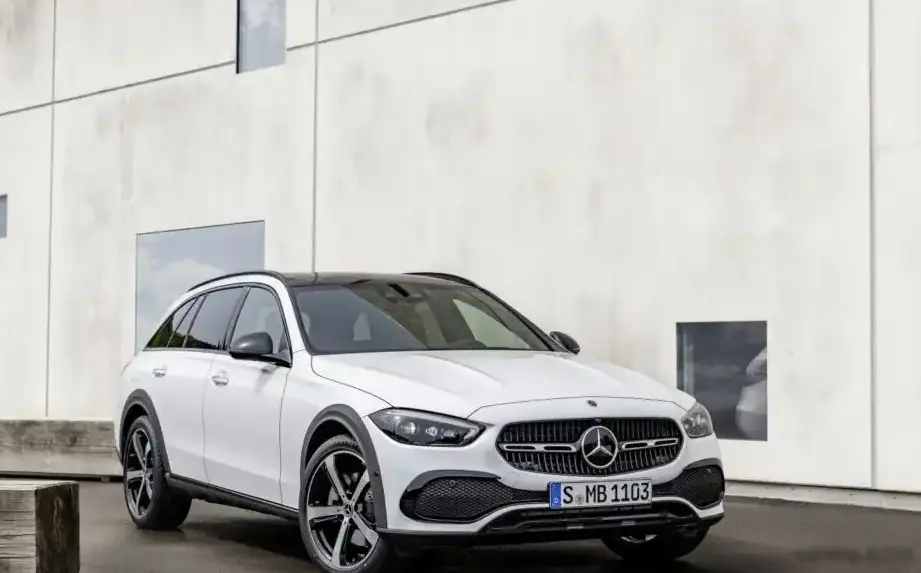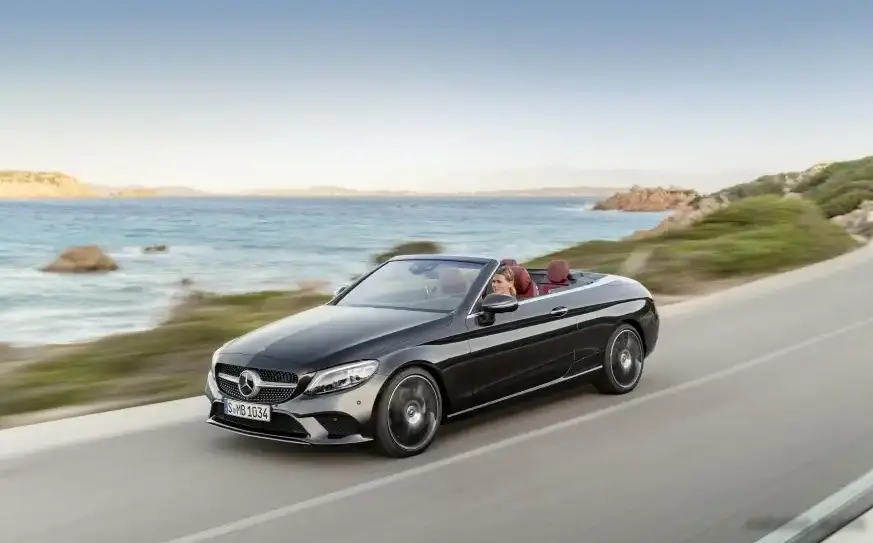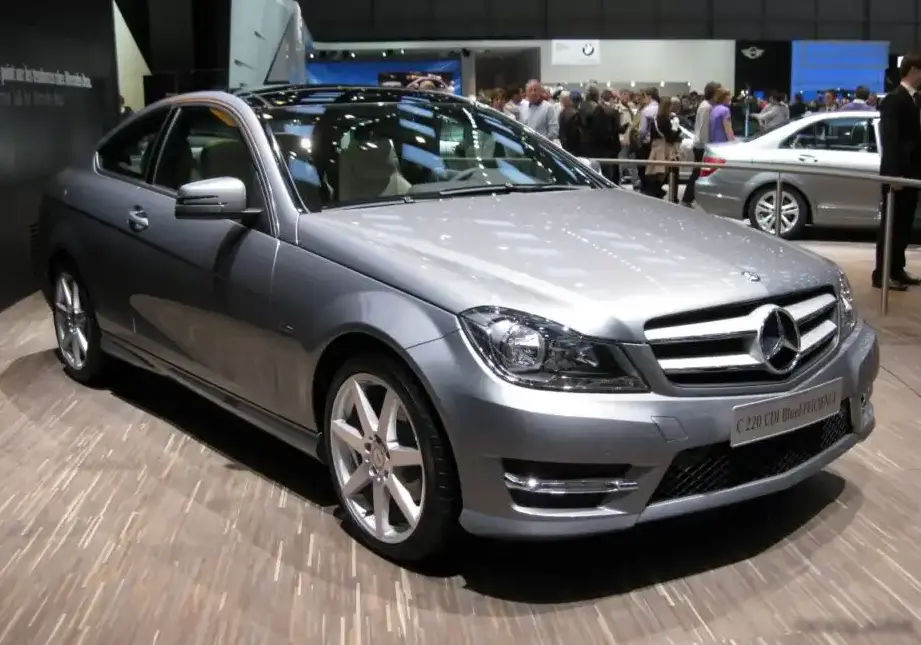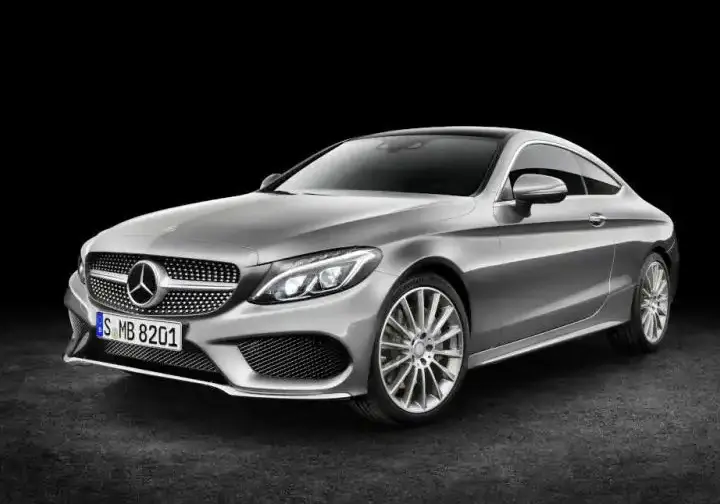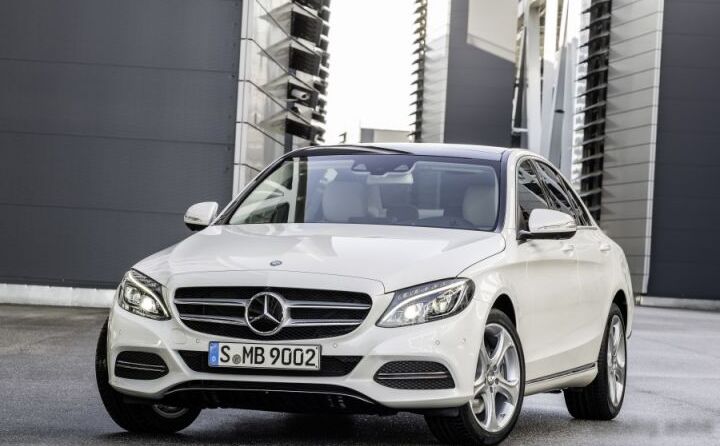
The Mercedes-Benz C 220d 4MATIC, produced between 2016 and 2018, was a key variant within the W205 C-Class range. Positioned as a mid-range offering, it combined a diesel engine with all-wheel drive and a sophisticated nine-speed automatic transmission. This configuration aimed to deliver a balance of performance, efficiency, and all-weather capability, appealing to buyers seeking a premium compact executive car. The C220d 4MATIC served as a popular choice in European markets, where diesel engines and all-wheel drive systems are highly valued, and also gained traction in North America as a more fuel-efficient alternative to its gasoline-powered siblings.
Technical Specifications
| Brand | Mercedes-Benz |
| Model | C-class |
| Generation | C-class (W205) |
| Type (Engine) | C 220d (170 Hp) 4MATIC 9G-TRONIC |
| Start of production | 2016 |
| End of production | 2018 |
| Powertrain Architecture | Internal Combustion engine |
| Body type | Sedan |
| Seats | 5 |
| Doors | 4 |
| Fuel consumption (urban) | 5.8-5.4 l/100 km (40.6 – 43.6 US mpg) |
| Fuel consumption (extra urban) | 4.6-4.2 l/100 km (51.1 – 56 US mpg) |
| Fuel consumption (combined) | 5.0-4.6 l/100 km (47 – 51.1 US mpg) |
| CO2 emissions | 132-122 g/km |
| Fuel Type | Diesel |
| Acceleration 0 – 100 km/h | 7.5 sec |
| Acceleration 0 – 62 mph | 7.5 sec |
| Acceleration 0 – 60 mph | 7.1 sec |
| Maximum speed | 230 km/h (142.92 mph) |
| Emission standard | Euro 6 |
| Weight-to-power ratio | 9.2 kg/Hp, 109 Hp/tonne |
| Weight-to-torque ratio | 3.9 kg/Nm, 256.4 Nm/tonne |
| Power | 170 Hp @ 3000-4200 rpm |
| Power per litre | 79.3 Hp/l |
| Torque | 400 Nm @ 1400-2800 rpm (295.02 lb.-ft. @ 1400-2800 rpm) |
| Engine layout | Front, Longitudinal |
| Engine Model/Code | OM 651.921 |
| Engine displacement | 2143 cm3 (130.77 cu. in.) |
| Number of cylinders | 4 |
| Engine configuration | Inline |
| Compression ratio | 16.2:1 |
| Fuel injection system | Diesel Commonrail |
| Engine aspiration | BiTurbo, Intercooler |
| Engine oil capacity | 6 l (6.34 US qt | 5.28 UK qt) |
| Kerb Weight | 1560 kg (3439.21 lbs.) |
| Max. weight | 2200 kg (4850.17 lbs.) |
| Max load | 640 kg (1410.96 lbs.) |
| Trunk (boot) space – minimum | 480 l (16.95 cu. ft.) |
| Fuel tank capacity | 41 l (10.83 US gal | 9.02 UK gal) |
| Max. roof load | 75 kg (165.35 lbs.) |
| Permitted trailer load with brakes (12%) | 1800 kg (3968.32 lbs.) |
| Permitted trailer load without brakes | 750 kg (1653.47 lbs.) |
| Length | 4686 mm (184.49 in.) |
| Width | 1810 mm (71.26 in.) |
| Width including mirrors | 2020 mm (79.53 in.) |
| Height | 1442 mm (56.77 in.) |
| Wheelbase | 2840 mm (111.81 in.) |
| Front track | 1588 mm (62.52 in.) |
| Rear (Back) track | 1570 mm (61.81 in.) |
| Front overhang | 790 mm (31.1 in.) |
| Rear overhang | 1056 mm (41.57 in.) |
| Drag coefficient (Cd) | 0.28 |
| Minimum turning circle (turning diameter) | 11.45 m (37.57 ft.) |
| Drive wheel | All wheel drive (4×4) |
| Number of gears and type of gearbox | 9 gears, automatic transmission G-TRONIC |
| Front suspension | Independent multi-link suspension |
| Rear suspension | Independent multi-link suspension |
| Front brakes | Ventilated discs |
| Rear brakes | Disc |
Powertrain & Engine Architecture
The C 220d 4MATIC utilized the OM651.921 engine, a 2.1-liter inline-four cylinder diesel engine. This engine was a mainstay in the Mercedes-Benz lineup, known for its robust construction and fuel efficiency. The OM651 featured a common rail direct injection system, delivering fuel at extremely high pressures for optimized combustion. A bi-turbocharger setup, employing both a small and a large turbocharger, minimized turbo lag and provided a broad torque curve. The smaller turbocharger spooled up quickly at low engine speeds, while the larger turbocharger took over at higher speeds, ensuring strong performance across the rev range. The engine produced 170 horsepower at 3000-4200 rpm and a substantial 400 Nm (295 lb-ft) of torque between 1400 and 2800 rpm. Paired with the engine was the 9G-TRONIC nine-speed automatic transmission. This transmission offered a wide range of gear ratios, contributing to both fuel economy and smooth acceleration. The 9G-TRONIC was designed to be adaptable, shifting quickly and efficiently based on driving conditions and driver input.
Driving Characteristics
The C 220d 4MATIC offered a refined and comfortable driving experience. The high torque output of the diesel engine meant that strong acceleration was available from low engine speeds, making it well-suited for everyday driving and overtaking maneuvers. While not a sports car, the 7.5-second 0-60 mph acceleration time was respectable for a diesel-powered sedan. The nine-speed automatic transmission generally shifted smoothly and unobtrusively, although some drivers reported occasional hesitation at lower speeds. The 4MATIC all-wheel-drive system provided enhanced traction and stability, particularly in inclement weather conditions. Compared to the C 250 with its gasoline engine, the C 220d prioritized fuel economy and low-end torque over outright horsepower. The C 300, with its more powerful gasoline engine, offered significantly quicker acceleration but at the expense of fuel efficiency. Manual transmission options were available on other C-Class models, but the 9G-TRONIC was the sole transmission choice for the C 220d 4MATIC.
Equipment & Trim Levels
The C 220d 4MATIC typically came standard with a comprehensive list of features, including automatic climate control, a high-resolution infotainment system with a central display screen, and a suite of safety technologies such as adaptive brake assist and collision prevention assist. Interior upholstery was typically MB-Tex artificial leather, with genuine leather available as an optional upgrade. Common optional extras included a panoramic sunroof, premium sound system, navigation system, and driver assistance packages offering features like lane keeping assist and blind spot monitoring. Trim levels varied slightly depending on the market, but generally followed a progression from base ‘Sport’ to more luxurious ‘AMG Line’ packages, offering sportier styling cues and upgraded interior appointments.
Chassis & Braking
The W205 C-Class featured a sophisticated chassis design with a four-link front suspension and a multi-link rear suspension. This setup provided a good balance of ride comfort and handling precision. The C 220d 4MATIC typically came equipped with ventilated disc brakes at the front and solid disc brakes at the rear. The braking system was enhanced by ABS (Anti-lock Braking System) and Electronic Stability Program (ESP) to ensure safe and controlled stopping performance. Steering was via a rack-and-pinion system with electric power assistance, providing precise and responsive steering feel.
Market Reception & Comparison
The C 220d 4MATIC was generally well-received by automotive critics. It was praised for its fuel efficiency, comfortable ride, and refined interior. The combination of all-wheel drive and the diesel engine was seen as a practical and appealing choice for buyers in regions with harsh winters or challenging road conditions. Compared to the gasoline-powered C-Class models, the C 220d offered superior fuel economy, making it a more cost-effective option for high-mileage drivers. However, some critics noted that the diesel engine was slightly noisier than the gasoline engines, and the acceleration, while adequate, wasn’t as exhilarating.
Legacy
The OM651 engine, used in the C 220d 4MATIC, has proven to be a durable and reliable powerplant when properly maintained. While diesel engines can be susceptible to issues with the fuel injection system and particulate filter, the OM651 has generally demonstrated good longevity. On the used car market, the C 220d 4MATIC remains a popular choice, offering a compelling combination of luxury, efficiency, and all-weather capability. Its relatively high fuel economy and robust engine make it an attractive option for buyers seeking a premium compact executive car that is both practical and enjoyable to drive. However, potential buyers should be aware of the potential maintenance costs associated with diesel engines, particularly the particulate filter, and ensure that the vehicle has been properly serviced throughout its life.