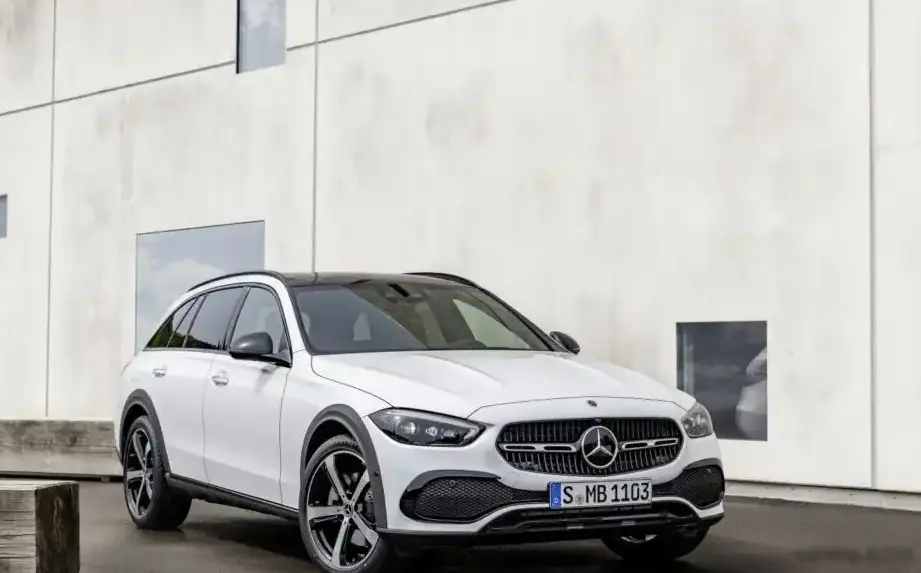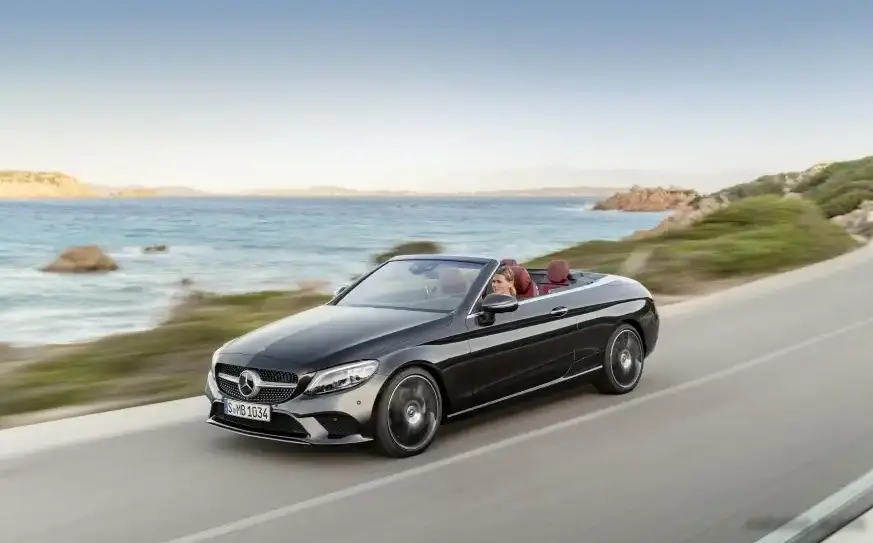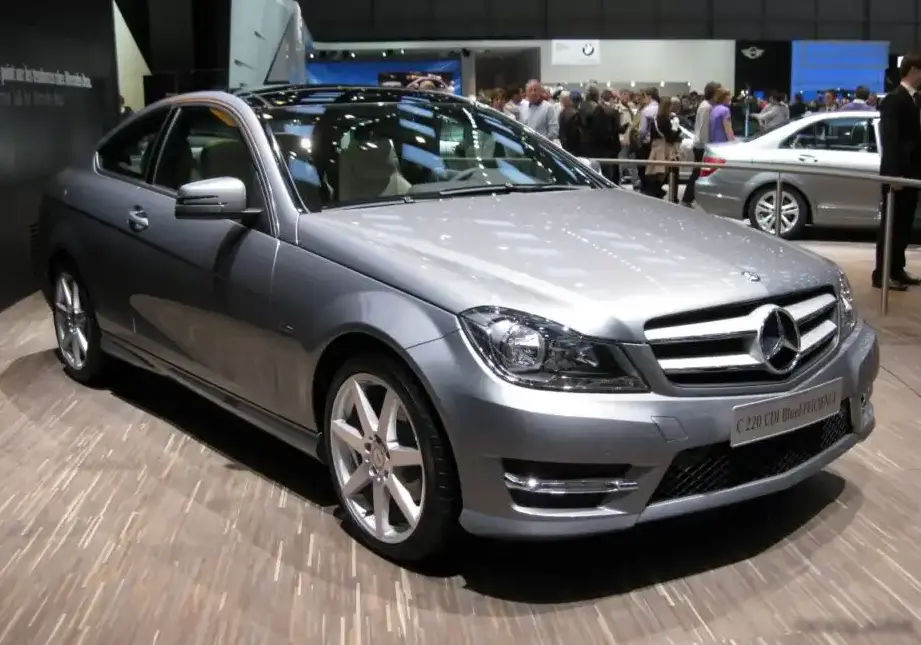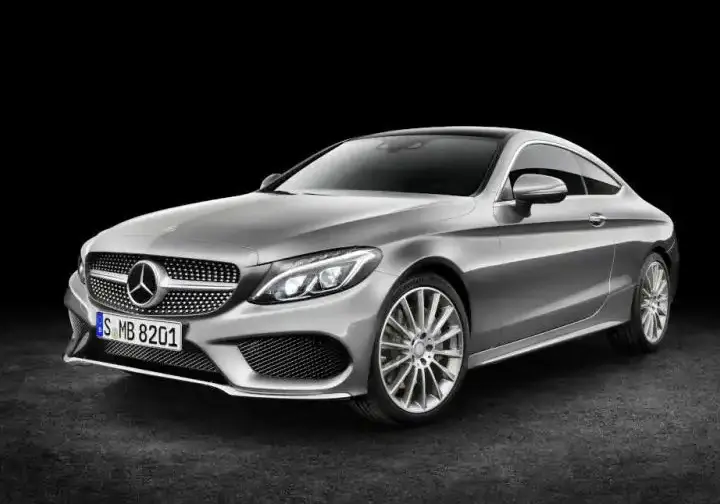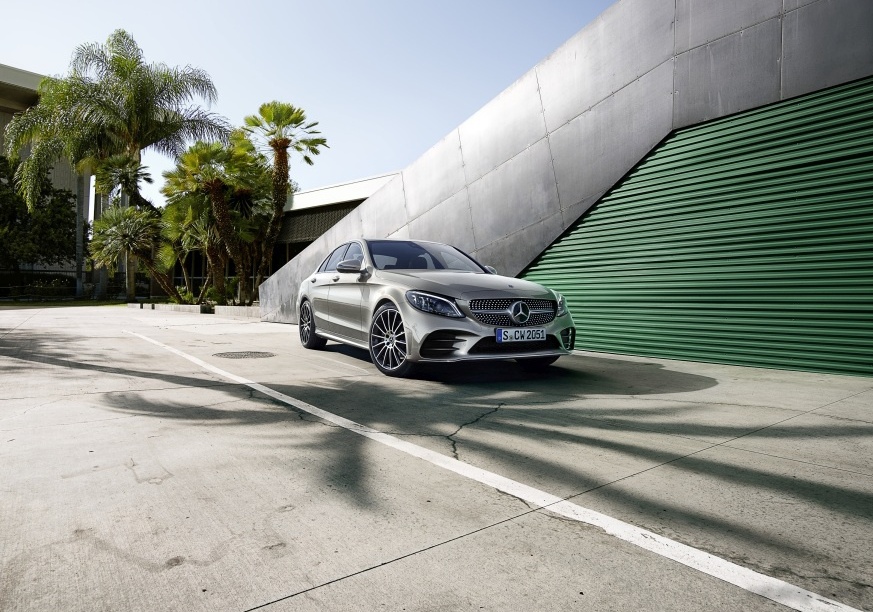
The Mercedes-Benz C 180 1.6 (156 hp) represents an entry-level variant within the W205 C-Class facelift range, produced from 2019 to 2020. Positioned as the most accessible engine option in the lineup, it aimed to deliver a balance of fuel efficiency and acceptable performance for everyday driving. This model occupied a crucial space in the market, attracting buyers seeking the prestige of the C-Class brand without the higher price tag associated with more powerful engines like the C 200 or AMG variants. It was primarily sold in European and Asian markets, where smaller displacement engines were favored due to tax regulations and fuel costs.
Technical Specifications
| Brand | Mercedes-Benz |
| Model | C-class |
| Generation | C-class (W205, facelift 2018) |
| Type (Engine) | C 180 1.6 (156 Hp) |
| Start of production | 2019 |
| End of production | 2020 |
| Powertrain Architecture | Internal Combustion engine |
| Body type | Sedan |
| Seats | 5 |
| Doors | 4 |
| Fuel consumption at Low speed (WLTP) | 6.5 l/100 km (36.2 US mpg, 43.5 UK mpg, 15.4 km/l) |
| Fuel consumption at very high speed (WLTP) | 7.5 l/100 km (31.4 US mpg, 37.7 UK mpg, 13.3 km/l) |
| CO2 emissions (WLTP) | 147-170 g/km |
| Fuel consumption (economy) – urban | 7.5-7.9 l/100 km (31.4 – 29.8 US mpg, 37.7 – 35.8 UK mpg, 13.3 – 12.7 km/l) |
| Fuel consumption (economy) – extra urban | 5.0-5.3 l/100 km (47 – 44.4 US mpg, 56.5 – 53.3 UK mpg, 20 – 18.9 km/l) |
| Fuel consumption (economy) – combined | 5.9-6.2 l/100 km (39.9 – 37.9 US mpg, 47.9 – 45.6 UK mpg, 16.9 – 16.1 km/l) |
| CO2 emissions | 134-142 g/km |
| Fuel Type | Petrol (Gasoline) |
| Acceleration 0 – 100 km/h | 8.2 sec |
| Acceleration 0 – 62 mph | 8.2 sec |
| Acceleration 0 – 60 mph | 7.8 sec |
| Maximum speed | 225 km/h (139.81 mph) |
| Emission standard | Euro 6d-TEMP-EVAP-ISC |
| Weight-to-power ratio | 8.8 kg/Hp, 114.3 Hp/tonne |
| Weight-to-torque ratio | 5.5 kg/Nm, 183.2 Nm/tonne |
| Power | 156 Hp |
| Power per litre | 97.8 Hp/l |
| Torque | 250 Nm @ 1200-4000 rpm (184.39 lb.-ft. @ 1200-4000 rpm) |
| Engine layout | Front, Longitudinal |
| Engine Model/Code | M 274.910 |
| Engine displacement | 1595 cm3 (97.33 cu. in.) |
| Number of cylinders | 4 |
| Engine configuration | Inline |
| Fuel injection system | Direct injection |
| Engine aspiration | Turbocharger, Intercooler |
| Engine oil capacity | 7 l (7.4 US qt | 6.16 UK qt) |
| Coolant | 8 l (8.45 US qt | 7.04 UK qt) |
| Kerb Weight | 1365 kg (3009.31 lbs.) |
| Max. weight | 2020 kg (4453.34 lbs.) |
| Max load | 655 kg (1444.03 lbs.) |
| Trunk (boot) space – minimum | 455 l (16.07 cu. ft.) |
| Fuel tank capacity | 41 l (10.83 US gal | 9.02 UK gal) |
| Permitted trailer load with brakes (12%) | 1800 kg (3968.32 lbs.) |
| Permitted trailer load without brakes | 730 kg (1609.37 lbs.) |
| Length | 4686 mm (184.49 in.) |
| Width | 1810 mm (71.26 in.) |
| Height | 1442 mm (56.77 in.) |
| Wheelbase | 2840 mm (111.81 in.) |
| Front track | 1588 mm (62.52 in.) |
| Front overhang | 790 mm (31.1 in.) |
| Rear overhang | 1056 mm (41.57 in.) |
| Ride height (ground clearance) | 92 mm (3.62 in.) |
| Approach angle | 13.6° |
| Departure angle | 14.2° |
| Ramp-over (brakeover) angle | 8.9° |
| Drivetrain Architecture | The Internal combustion engine (ICE) drives the rear wheels of the vehicle. |
| Drive wheel | Rear wheel drive |
| Number of gears and type of gearbox | 6 gears, manual transmission |
INTRODUCTION
The C 180 1.6, introduced with the 2018 facelift of the W205 C-Class, represented a downsized engine option for Mercedes-Benz. The W205 generation (2014-2021) aimed to blend luxury with sporty handling, and the C 180 was designed to broaden the appeal of the C-Class to a wider audience. This variant utilized a turbocharged 1.6-liter four-cylinder engine, a departure from the naturally aspirated engines previously offered in this segment. It was positioned below the C 200, offering a more economical entry point into the C-Class range. The facelift brought updated styling, improved technology, and refinements to the engine lineup, including this 1.6-liter variant.
Powertrain & Engine Architecture
The heart of the C 180 is the M 274.910 1.6-liter inline-four cylinder engine. This engine is a member of Mercedes-Benz’s modular engine family, designed for flexibility and efficiency. It features direct fuel injection, a single turbocharger with an intercooler, and variable valve timing on both the intake and exhaust sides. The direct injection system delivers fuel directly into the combustion chamber, improving combustion efficiency and reducing emissions. The turbocharger provides a boost in power, compensating for the engine’s relatively small displacement. The engine’s control unit carefully manages fuel delivery, ignition timing, and turbocharger boost to optimize performance and fuel economy. The 6-speed manual transmission was standard, offering precise gear changes and a more engaging driving experience.
Driving Characteristics
The C 180 1.6, with its 156 horsepower and 250 Nm (184 lb-ft) of torque, provided adequate performance for daily commuting and highway cruising. Acceleration from 0 to 100 km/h (0-62 mph) took approximately 8.2 seconds. While not particularly sporty, the engine delivered a usable amount of power throughout the rev range, with peak torque available from 1200 to 4000 rpm. The manual transmission allowed drivers to maintain control over gear selection, maximizing efficiency or extracting more power when needed. Compared to the more powerful C 200, the C 180 felt less responsive, especially during overtaking maneuvers. However, its lighter weight and efficient engine contributed to better fuel economy.
Equipment & Trim Levels
The C 180 typically came standard with features such as automatic climate control, a multi-function steering wheel, power windows, and an audio system with Bluetooth connectivity. Interior upholstery was typically Artico leatherette, with options for genuine leather upgrades. The dashboard featured a central display screen for infotainment functions, controlled by a rotary dial and touchpad. Optional extras included a sunroof, navigation system, parking assist, and upgraded sound systems. The C 180 was often seen with the ‘Style’ or ‘AMG Line’ packages, which added cosmetic enhancements like alloy wheels, body styling kits, and sport seats.
Chassis & Braking
The W205 C-Class featured a sophisticated chassis design, with a four-wheel independent suspension system. The front suspension utilized a three-link design, while the rear suspension employed a multi-link setup. This configuration provided a comfortable ride and precise handling. The C 180 typically came equipped with disc brakes on all four wheels, providing ample stopping power. Anti-lock braking system (ABS) and electronic stability control (ESC) were standard safety features. The suspension tuning was generally comfort-oriented, prioritizing ride quality over outright sportiness. Stabilizer bars were fitted to both the front and rear axles to reduce body roll during cornering.
Market Reception & Comparison
The C 180 1.6 was generally well-received by automotive critics as a sensible and economical option within the C-Class range. It was praised for its fuel efficiency and comfortable ride. However, some reviewers noted that the engine lacked the punch of its larger counterparts. Compared to the C 200, the C 180 offered lower running costs but sacrificed some performance. Against competitors like the BMW 318i and Audi A4 1.4 TFSI, the C 180 held its own in terms of fuel economy and refinement, but often lagged slightly in terms of outright performance.
Legacy
The C 180 1.6, while not the most powerful or sought-after variant of the W205 C-Class, has proven to be a reliable and durable option in the used car market. The 1.6-liter engine, while not known for exceptional longevity, has generally demonstrated good reliability with regular maintenance. Common issues include occasional turbocharger problems and oil leaks. The C 180 remains a popular choice for buyers seeking an affordable and well-equipped luxury sedan. Its combination of comfort, fuel efficiency, and the prestige of the Mercedes-Benz brand continues to make it an attractive option in the used car market today.