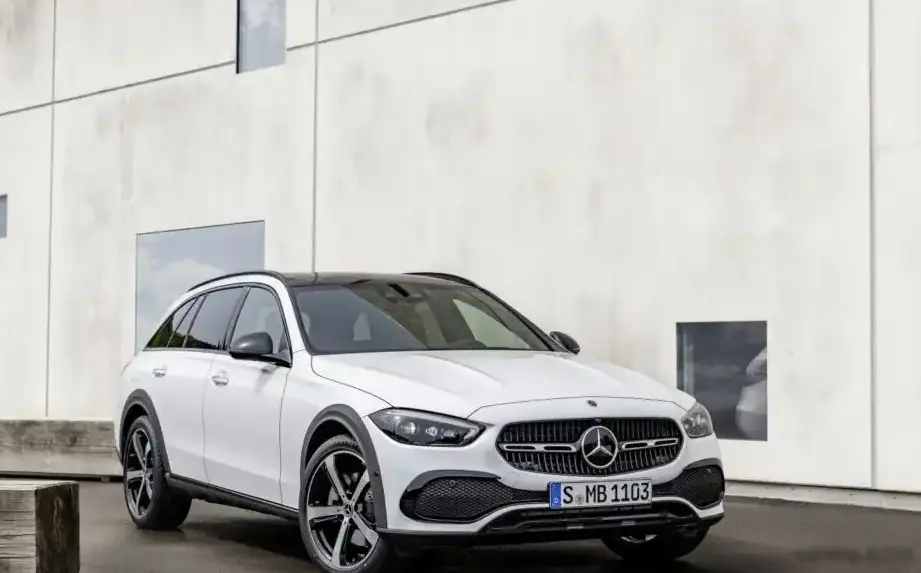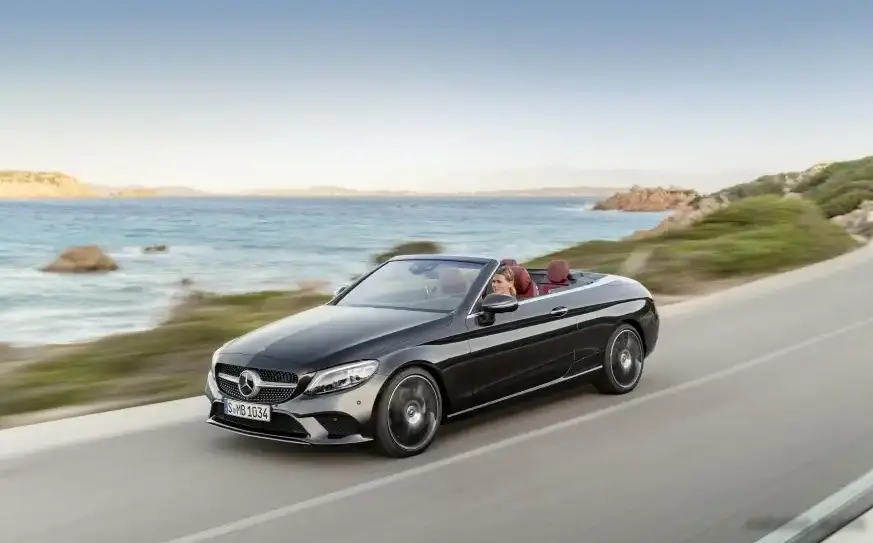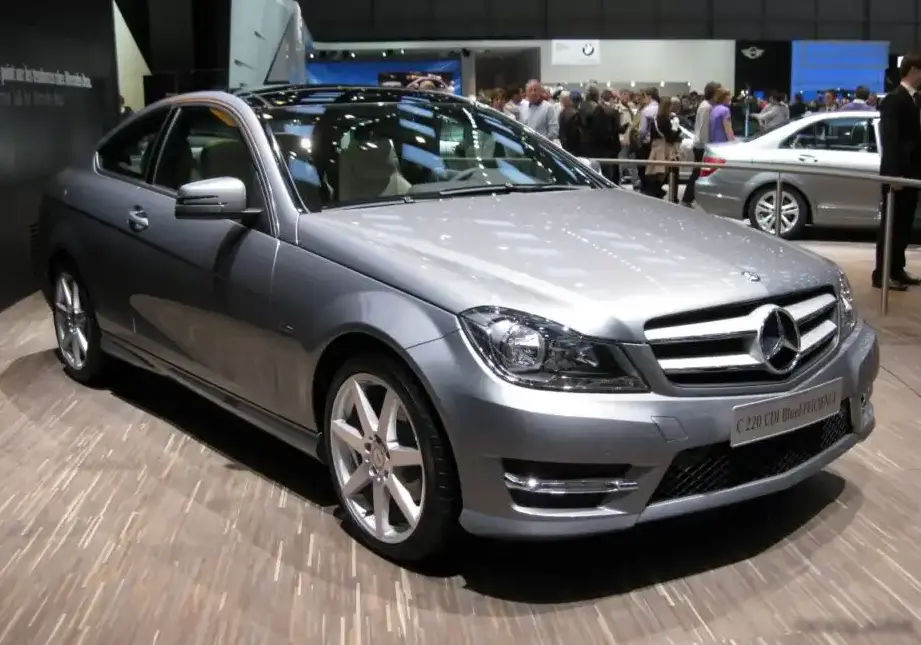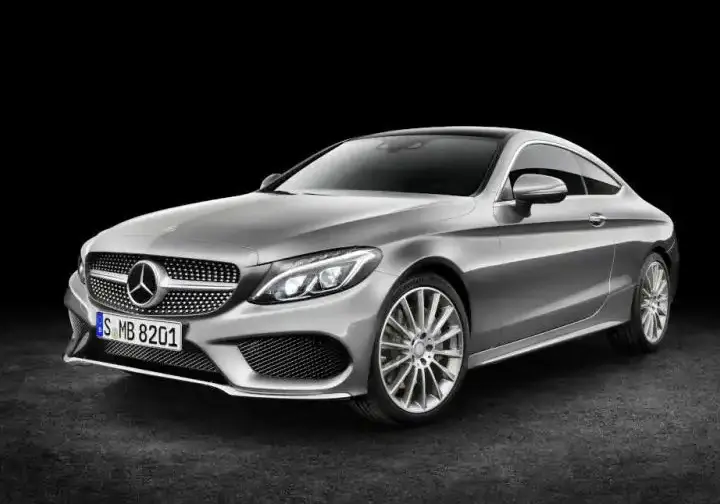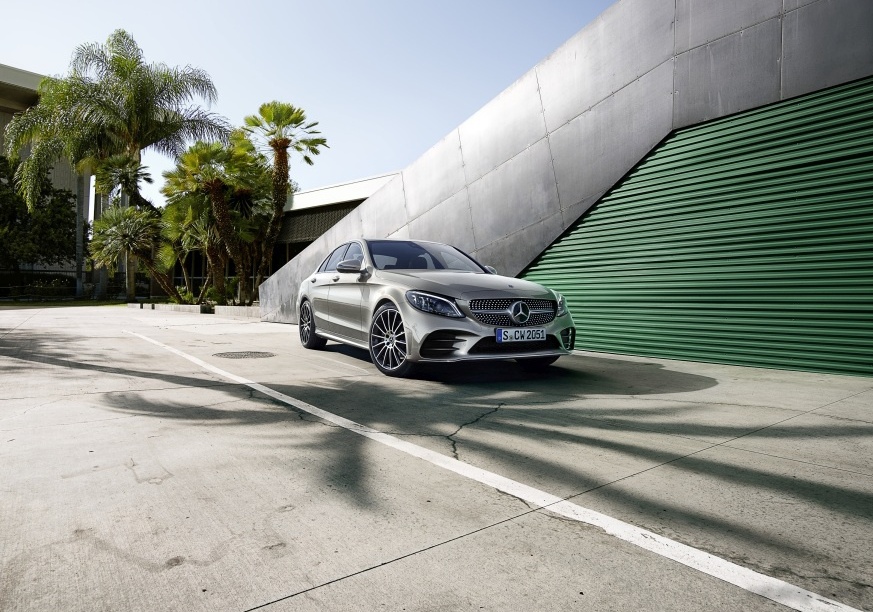
The Mercedes-Benz C 200 EQ Boost, produced from 2018 to 2021 as part of the W205 facelift generation of the C-Class, represents a significant step in the brand’s implementation of mild hybrid technology. Positioned as a mid-range offering within the C-Class lineup, it bridged the gap between the entry-level C 180 and the more performance-oriented C 300. This variant aimed to deliver a balance of fuel efficiency, refinement, and respectable performance, appealing to buyers seeking a premium compact executive sedan. The introduction of the EQ Boost system marked Mercedes-Benz’s initial foray into 48-volt electrification, enhancing both the driving experience and the vehicle’s overall efficiency.
Technical Specifications
| Brand | Mercedes-Benz |
| Model | C-class |
| Generation | C-class (W205, facelift 2018) |
| Type (Engine) | C 200 (184 Hp) EQ Boost 9G-TRONIC |
| Start of production | 2018 |
| End of production | 2021 |
| Powertrain Architecture | MHEV (Mild Hybrid Electric Vehicle) |
| Body type | Sedan |
| Seats | 5 |
| Doors | 4 |
| Fuel consumption at Low speed (WLTP) | 6.4 l/100 km (36.8 US mpg) |
| Fuel consumption at very high speed (WLTP) | 7.9 l/100 km (29.8 US mpg) |
| CO2 emissions (WLTP) | 146-180 g/km |
| Fuel consumption (economy) – urban | 7.9-8.2 l/100 km (29.8 – 28.7 US mpg) |
| Fuel consumption (economy) – extra urban | 4.9-5.2 l/100 km (48 – 45.2 US mpg) |
| Fuel consumption (economy) – combined | 6.0-6.3 l/100 km (39.2 – 37.3 US mpg) |
| CO2 emissions | 136-144 g/km |
| Fuel Type | Petrol (Gasoline) |
| Acceleration 0 – 100 km/h | 7.7 sec |
| Acceleration 0 – 62 mph | 7.7 sec |
| Acceleration 0 – 60 mph | 7.3 sec |
| Maximum speed | 239 km/h (148.51 mph) |
| Emission standard | Euro 6 |
| Weight-to-power ratio | 7.8 kg/Hp |
| Weight-to-torque ratio | 5.1 kg/Nm |
| Electric motor power | 14 Hp |
| Power | 184 Hp |
| Power per litre | 122.9 Hp/l |
| Torque | 280 Nm @ 3000-4000 rpm (206.52 lb.-ft. @ 3000-4000 rpm) |
| Engine layout | Front, Longitudinal |
| Engine Model/Code | M 264.915 |
| Engine displacement | 1497 cm3 (91.35 cu. in.) |
| Number of cylinders | 4 |
| Engine configuration | Inline |
| Number of valves per cylinder | 4 |
| Fuel injection system | Direct injection |
| Engine aspiration | Turbocharger, Intercooler |
| Engine oil capacity | 6.6 l (6.97 US qt | 5.81 UK qt) |
| Coolant | 8.6 l (9.09 US qt | 7.57 UK qt) |
| Kerb Weight | 1430 kg (3152.61 lbs.) |
| Max. weight | 2085 kg (4596.64 lbs.) |
| Max load | 655 kg (1444.03 lbs.) |
| Fuel tank capacity | 41 l (10.83 US gal | 9.02 UK gal) |
| Permitted trailer load with brakes (12%) | 1800 kg (3968.32 lbs.) |
| Permitted trailer load without brakes | 710 kg (1565.28 lbs.) |
| Length | 4686 mm (184.49 in.) |
| Width | 1810 mm (71.26 in.) |
| Height | 1442 mm (56.77 in.) |
| Wheelbase | 2840 mm (111.81 in.) |
| Front track | 1588 mm (62.52 in.) |
| Front overhang | 790 mm (31.1 in.) |
| Rear overhang | 1056 mm (41.57 in.) |
| Ride height (ground clearance) | 92 mm (3.62 in.) |
| Approach angle | 13.6° |
| Departure angle | 14.2° |
| Drivetrain Architecture | Rear wheel drive. MHEV. ICE and electric motor drive the rear wheels. |
| Drive wheel | Rear wheel drive |
| Number of gears and type of gearbox | 9 gears, automatic transmission G-TRONIC |
| Front brakes | Ventilated discs |
| Rear brakes | Ventilated discs |
Powertrain & Engine Architecture
The C 200 EQ Boost is powered by a 1.5-liter turbocharged inline-four cylinder engine, internally designated as the M 264.915. This engine benefits from direct fuel injection and an intercooled turbocharger, producing 184 horsepower and 280 Nm (206.52 lb.-ft.) of torque between 3000 and 4000 rpm. The “EQ Boost” component is a 48-volt mild hybrid system consisting of a 14 horsepower electric motor integrated into the transmission. This system provides several benefits, including regenerative braking to recapture energy during deceleration, electric assistance during acceleration, and the ability to coast with the engine shut off (gliding) to further improve fuel economy. The engine’s 48-volt architecture allows for a more efficient start/stop system and reduces the load on the internal combustion engine. The transmission is a 9G-TRONIC nine-speed automatic, known for its smooth shifts and wide gear ratio spread, optimized to work in conjunction with the EQ Boost system.
Driving Characteristics
The C 200 EQ Boost delivers a refined and comfortable driving experience. The EQ Boost system provides a noticeable, albeit subtle, boost during acceleration, filling in gaps in the torque curve and contributing to a more responsive feel. While not a sports car, the C 200 achieves a 0-60 mph time of around 7.3 seconds. The 9G-TRONIC transmission is well-tuned, offering seamless gear changes and contributing to the car’s overall smoothness. Compared to the C 300 with its larger engine, the C 200 feels less urgent in its acceleration, but it offers a more balanced and fuel-efficient driving experience. The mild hybrid system also contributes to a quieter cabin experience, particularly during coasting and low-speed maneuvers.
Equipment & Trim Levels
The C 200 EQ Boost typically came standard with features such as Mercedes-Benz’s MBUX infotainment system with a touchscreen display, automatic climate control, premium upholstery (often MB-Tex artificial leather or optional leather), and a suite of safety features including automatic emergency braking, lane keeping assist, and adaptive cruise control. Optional extras included a panoramic sunroof, upgraded audio systems (Burmester), heated and ventilated seats, and various driver assistance packages. Trim levels often included variations in interior trim materials and exterior styling elements.
Chassis & Braking
The W205 C-Class features a multi-link independent suspension at all four corners, providing a comfortable ride and good handling characteristics. The C 200 typically utilized ventilated disc brakes on both the front and rear axles, offering ample stopping power. The suspension was tuned to prioritize comfort, but still provided a reasonably engaging driving experience. The steering is electrically assisted, offering a precise and responsive feel. Stabilizer bars were fitted front and rear to reduce body roll during cornering.
Market Reception & Comparison
The C 200 EQ Boost was generally well-received by automotive critics. It was praised for its fuel efficiency, refined driving experience, and the seamless integration of the mild hybrid system. Compared to the C 300, the C 200 offered a more affordable entry point into the C-Class range, while still providing a premium experience. Fuel economy figures were competitive within its segment, with combined fuel consumption ranging from 6.0 to 6.3 l/100 km (39.2 – 37.3 US mpg). Reliability reports have been generally positive, with the M 264 engine proving to be a robust and dependable unit.
Legacy
The C 200 EQ Boost represents an important step in Mercedes-Benz’s transition towards electrification. The mild hybrid technology introduced in this model paved the way for more advanced hybrid and electric vehicles in the brand’s lineup. On the used car market, the C 200 EQ Boost remains a popular choice, offering a good balance of luxury, efficiency, and reliability. The 9G-TRONIC transmission and the M 264 engine are known for their durability, making this variant a relatively low-risk purchase for buyers seeking a well-rounded compact executive sedan.