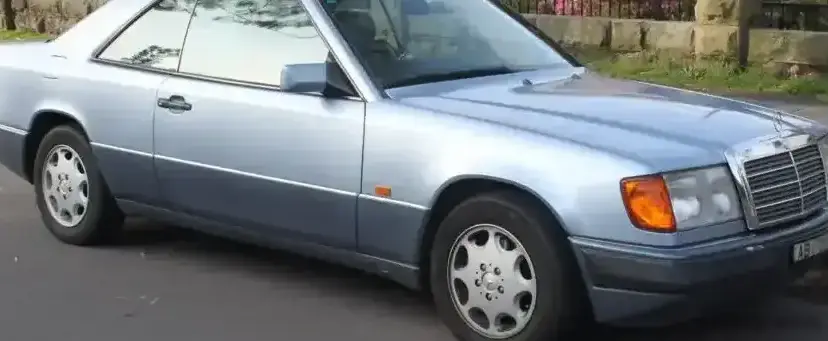
The Mercedes-Benz C124 300 CE, produced from September 1989 to October 1992, represents a refined iteration of the W124 coupe series. Positioned as a mid-range offering within the C124 lineup, it bridged the gap between the more accessible 220 CE and the high-performance 320 CE. This variant, equipped with the M103 E 30 engine and a four-speed automatic transmission, aimed to deliver a balance of luxury, performance, and ease of driving, appealing to buyers seeking a sophisticated grand tourer. The C124 itself was a significant model for Mercedes-Benz, representing a continuation of the brand’s commitment to robust engineering and elegant design, and the facelifted models like the 300 CE benefited from subtle styling updates and improvements to interior appointments.
Technical Specifications
| Brand | Mercedes-Benz |
| Model | W124 |
| Generation | C124 (facelift 1989) |
| Type (Engine) | 300 CE (180 Hp) Automatic |
| Start of production | September, 1989 |
| End of production | October, 1992 |
| Powertrain Architecture | Internal Combustion engine |
| Body type | Coupe |
| Seats | 4 |
| Doors | 2 |
| Fuel consumption (urban) | 13.3 l/100 km (17.7 US mpg, 21.2 UK mpg, 7.5 km/l) |
| Fuel consumption (extra urban) | 8.6 l/100 km (27.4 US mpg, 32.8 UK mpg, 11.6 km/l) |
| Fuel Type | Petrol (Gasoline) |
| Acceleration 0 – 100 km/h | 8.5 sec |
| Acceleration 0 – 62 mph | 8.5 sec |
| Acceleration 0 – 60 mph | 8.1 sec |
| Maximum speed | 220 km/h (136.7 mph) |
| Weight-to-power ratio | 7.9 kg/Hp, 126.8 Hp/tonne |
| Weight-to-torque ratio | 5.6 kg/Nm, 179.6 Nm/tonne |
| Power | 180 Hp @ 5700 rpm |
| Power per litre | 60.8 Hp/l |
| Torque | 255 Nm @ 4400 rpm (188.08 lb.-ft. @ 4400 rpm) |
| Engine layout | Front, Longitudinal |
| Engine Model/Code | M 103 E 30 / 103.983 |
| Engine displacement | 2960 cm3 (180.63 cu. in.) |
| Number of cylinders | 6 |
| Engine configuration | Inline |
| Cylinder Bore | 88.49 mm (3.48 in.) |
| Piston Stroke | 80.19 mm (3.16 in.) |
| Compression ratio | 9.2:1 |
| Number of valves per cylinder | 2 |
| Fuel injection system | Multi-port manifold injection |
| Engine aspiration | Naturally aspirated engine |
| Valvetrain | SOHC |
| Engine oil capacity | 6.5 l (6.87 US qt | 5.72 UK qt) |
| Coolant | 9 l (9.51 US qt | 7.92 UK qt) |
| Kerb Weight | 1420 kg (3130.56 lbs.) |
| Max. weight | 1870 kg (4122.64 lbs.) |
| Max load | 450 kg (992.08 lbs.) |
| Fuel tank capacity | 70 l (18.49 US gal | 15.4 UK gal) |
| Length | 4655 mm (183.27 in.) |
| Width | 1740 mm (68.5 in.) |
| Height | 1394 mm (54.88 in.) |
| Wheelbase | 2715 mm (106.89 in.) |
| Front track | 1501 mm (59.09 in.) |
| Rear (Back) track | 1491 mm (58.7 in.) |
| Drivetrain Architecture | The Internal combustion engine (ICE) drives the rear wheels of the vehicle. |
| Drive wheel | Rear wheel drive |
| Number of gears and type of gearbox | 4 gears, automatic transmission |
| Front suspension | Wishbone |
| Rear suspension | Independent multi-link suspension |
| Front brakes | Ventilated discs |
| Rear brakes | Disc |
| Assisting systems | ABS (Anti-lock braking system) |
| Steering type | Cone worm with recirculation balls |
| Power steering | Hydraulic Steering |
| Tires size | Front wheel tires: 195/65 R15Rear wheel tires: 195/65 R15 |
| Wheel rims size | Front wheel rims: 6.5J x 15Rear wheel rims: 6.5J x 15 |
Powertrain & Engine Architecture
The heart of the 300 CE is the M103 E 30 inline-six engine. This 2.96-liter powerplant is characterized by its robust construction and smooth operation. The M103 featured a cast iron block and aluminum cylinder head, a design choice common in Mercedes-Benz engines of the era for its durability and thermal management. Fuel delivery is handled by a Bosch K-Jetronic multi-port fuel injection system, a mechanical system known for its reliability, though less efficient than later electronic systems. The engine utilizes a single overhead camshaft (SOHC) valvetrain, operating two valves per cylinder. The four-speed automatic transmission, typically a 722.3 unit, was chosen for its comfort and ease of use, aligning with the grand touring nature of the vehicle. This transmission featured a torque converter and hydraulic control, providing smooth shifts but at the expense of some efficiency compared to a manual gearbox.
Driving Characteristics
The 300 CE Automatic offered a comfortable and refined driving experience. While not overtly sporty, the 180 horsepower engine provided adequate acceleration, achieving 0-60 mph in approximately 8.1 seconds. The automatic transmission, while smooth, did slightly diminish the engine’s potential, resulting in a less responsive feel compared to the five-speed manual versions. Gear ratios were optimized for cruising, making it well-suited for long highway journeys. The rear-wheel drive configuration provided balanced handling, though it lacked the agility of some contemporary sports coupes. Compared to the 220 CE, the 300 CE offered a noticeable performance upgrade, while the 320 CE, with its larger engine, provided even more power but at a higher price point.
Equipment & Trim Levels
The 300 CE came standard with a respectable array of features, reflecting its positioning as a premium coupe. Interior appointments typically included cloth upholstery, although leather was a popular option. Power windows, central locking, and a sunroof were common features. The dashboard layout was typical of Mercedes-Benz at the time, with a focus on functionality and understated elegance. Optional extras included automatic climate control, upgraded audio systems, and heated seats. The level of trim could vary depending on the market and individual customer preferences.
Chassis & Braking
The C124 chassis featured independent suspension all around, with a wishbone setup at the front and a multi-link system at the rear. This configuration provided a comfortable ride and good handling characteristics. The 300 CE was equipped with ventilated disc brakes at the front and solid discs at the rear. Anti-lock braking system (ABS) was standard, enhancing safety and control during hard braking. Steering was handled by a recirculating ball system with hydraulic power assistance, providing a relatively light and precise feel.
Market Reception & Comparison
The 300 CE was generally well-received by automotive critics. It was praised for its build quality, comfortable ride, and refined engine. However, some reviewers noted that the automatic transmission dulled the engine’s performance somewhat. Fuel economy was considered reasonable for a vehicle of its size and class, though not exceptional. Compared to its siblings, the 300 CE offered a compelling balance of performance and luxury, making it a popular choice for buyers who wanted a sophisticated and comfortable coupe. The 220 CE was more affordable but lacked the 300 CE’s power, while the 320 CE offered more performance but came at a higher cost.
Legacy
The M103 engine, found in the 300 CE, is known for its durability and longevity. Properly maintained examples can still provide reliable service today. The C124 platform as a whole is highly regarded for its robust construction and relatively simple mechanicals, making it a popular choice among classic Mercedes-Benz enthusiasts. In the used car market, the 300 CE Automatic remains a desirable vehicle, particularly for those seeking a classic Mercedes-Benz coupe with a comfortable and refined driving experience. While maintenance costs can be higher than for more modern vehicles, the C124’s enduring quality and timeless design continue to attract a dedicated following.