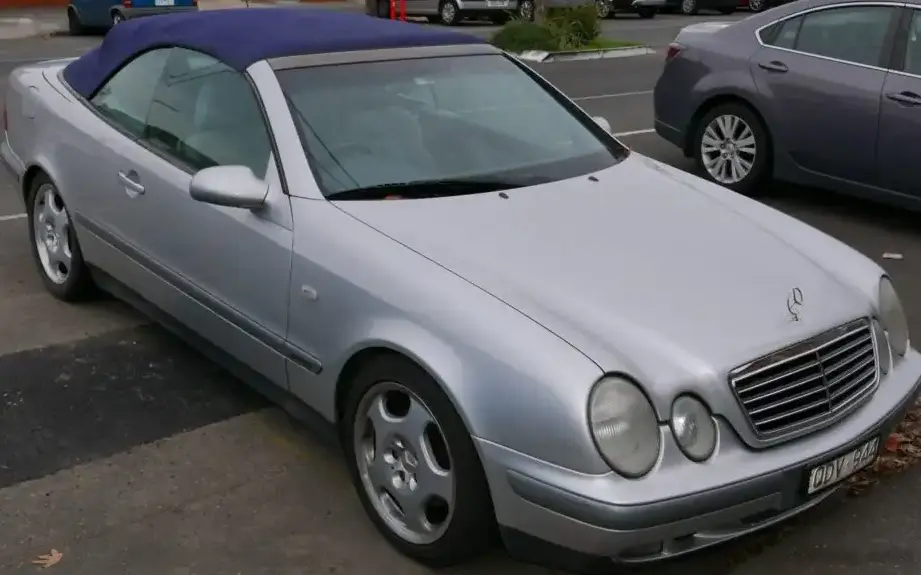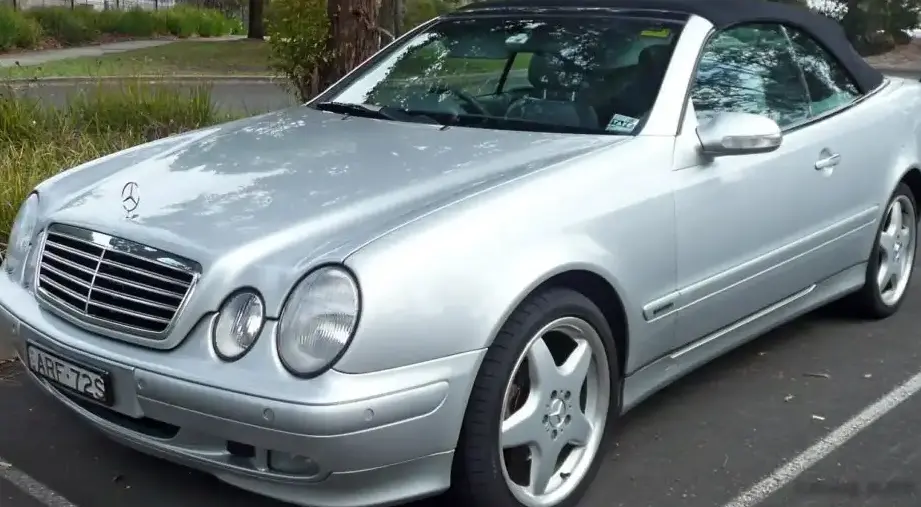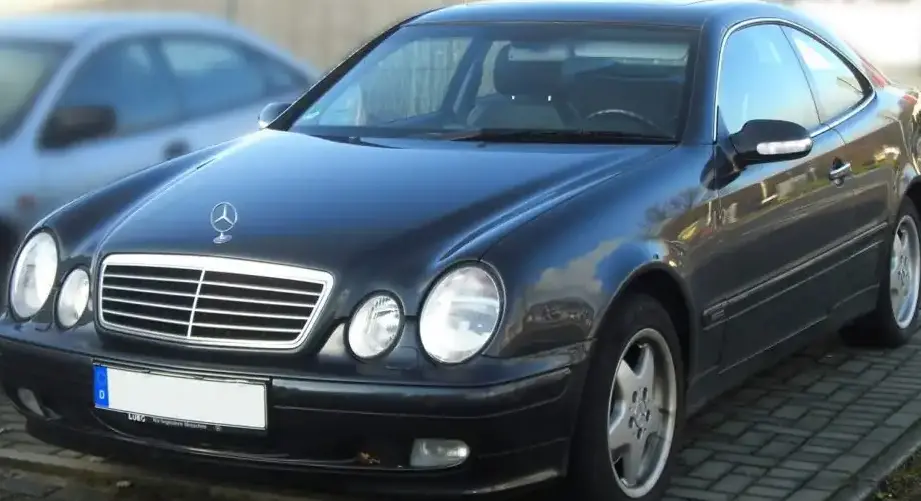
The Mercedes-Benz CLK 320 (C208 facelift, produced from 1999 to 2002) represented a compelling blend of luxury, performance, and technology within the mid-size coupe segment. Positioned as a step up from the CLK 230 Kompressor, the 320 offered a naturally aspirated V6 engine and a smooth-shifting 5G-TRONIC automatic transmission, appealing to buyers seeking a refined grand touring experience. This facelifted version of the C208 CLK addressed some of the criticisms leveled at the original model, improving build quality and offering a more contemporary aesthetic. It was a key model in Mercedes-Benz’s strategy to attract a younger, more style-conscious clientele.
Technical Specifications
| Brand | Mercedes-Benz |
| Model | CLK |
| Generation | CLK (C208, facelift 1999) |
| Type (Engine) | CLK 320 (218 Hp) 5G-TRONIC |
| Start of production | 1999 |
| End of production | 2002 |
| Powertrain Architecture | Internal Combustion engine |
| Body type | Coupe |
| Seats | 4 |
| Doors | 2 |
| Fuel consumption (urban) | 15.1 l/100 km (15.6 US mpg, 18.7 UK mpg, 6.6 km/l) |
| Fuel consumption (extra urban) | 7.4 l/100 km (31.8 US mpg, 38.2 UK mpg, 13.5 km/l) |
| Fuel consumption (combined) | 10.1 l/100 km (23.3 US mpg, 28 UK mpg, 9.9 km/l) |
| Fuel Type | Petrol (Gasoline) |
| Acceleration 0 – 100 km/h | 7.4 sec |
| Acceleration 0 – 62 mph | 7.4 sec |
| Acceleration 0 – 60 mph | 7 sec |
| Maximum speed | 240 km/h (149.13 mph) |
| Weight-to-power ratio | 6.9 kg/Hp, 145.8 Hp/tonne |
| Weight-to-torque ratio | 4.8 kg/Nm, 207.4 Nm/tonne |
| Power | 218 Hp @ 5700 rpm |
| Power per litre | 68.1 Hp/l |
| Torque | 310 Nm @ 3000-4600 rpm (228.64 lb.-ft. @ 3000-4600 rpm) |
| Engine layout | Front, Longitudinal |
| Engine Model/Code | M 112.940 |
| Engine displacement | 3199 cm3 (195.21 cu. in.) |
| Number of cylinders | 6 |
| Engine configuration | V-engine |
| Number of valves per cylinder | 4 |
| Fuel injection system | Multi-port manifold injection |
| Engine aspiration | Naturally aspirated engine |
| Engine oil capacity | 8 l (8.45 US qt | 7.04 UK qt) |
| Coolant capacity | 9 l (9.51 US qt | 7.92 UK qt) |
| Kerb Weight | 1495 kg (3295.91 lbs) |
| Max. weight | 1920 kg (4232.88 lbs) |
| Max load | 425 kg (936.96 lbs) |
| Fuel tank capacity | 62 l (16.38 US gal | 13.64 UK gal) |
| Permitted trailer load with brakes (12%) | 1500 kg (3306.93 lbs) |
| Permitted trailer load without brakes | 745 kg (1642.44 lbs) |
| Length | 4567 mm (179.8 in) |
| Width | 1722 mm (67.8 in) |
| Height | 1371 mm (53.98 in) |
| Drag coefficient (Cd) | 0.31 |
| Minimum turning circle | 10.70 m (35.1 ft) |
| Drivetrain Architecture | Rear wheel drive |
| Number of gears and type of gearbox | 5 gears, automatic transmission 5G-TRONIC |
| Front brakes | Ventilated discs |
| Rear brakes | Disc |
| Assisting systems | ABS (Anti-lock braking system) |
| Steering type | Steering rack and pinion |
Powertrain & Engine Architecture
The heart of the CLK 320 was the M112.940 3.2-liter V6 engine. This engine was a significant departure from earlier Mercedes-Benz inline-six designs, embracing a more modern, short-stroke V6 configuration. It featured all-aluminum construction, three valves per cylinder (two intake, one exhaust), and a double overhead camshaft design. Fuel delivery was handled by a multi-port fuel injection system, providing precise control over the air-fuel mixture. The engine produced 218 horsepower at 5700 rpm and 310 Nm (228.64 lb-ft) of torque between 3000 and 4600 rpm. Paired with the engine was the 5G-TRONIC automatic transmission, a five-speed unit known for its smooth and responsive shifts. This transmission offered a ‘Tiptronic’ manual shift mode, allowing drivers some control over gear selection, though it wasn’t as sporty as some contemporary manual transmissions.
Driving Characteristics
The CLK 320 with the 5G-TRONIC transmission offered a distinctly comfortable and refined driving experience. Acceleration from 0 to 60 mph took around 7 seconds, respectable for the era, but not particularly sporty. The automatic transmission prioritized smooth shifts over aggressive downshifts, making it ideal for long-distance cruising. Compared to the CLK 230 Kompressor, the 320 offered significantly more low-end torque, making it feel less strained during everyday driving. However, it lacked the sharper responsiveness of the manual transmission options available in other CLK models. The gear ratios were tuned for relaxed highway driving, with a focus on fuel efficiency at cruising speeds. While capable of spirited driving, the CLK 320’s automatic transmission and weight (approximately 3296 lbs) meant it wasn’t as agile as some of its competitors.
Equipment & Trim Levels
The CLK 320 typically came well-equipped, reflecting its position as a premium coupe. Standard features included leather upholstery, automatic climate control, power-adjustable front seats, a premium sound system, and alloy wheels. Optional extras included a sunroof, navigation system, heated seats, and upgraded interior trim materials. The interior design was characterized by Mercedes-Benz’s classic elegance, with a focus on high-quality materials and a comfortable layout. The dashboard featured wood trim and analog gauges, creating a sophisticated ambiance. The facelifted models (1999 onwards) benefited from improved interior plastics and a more modern infotainment system.
Chassis & Braking
The CLK 320 utilized a MacPherson strut front suspension and a multi-link independent rear suspension. The suspension was tuned for comfort, providing a smooth ride over most road surfaces. Braking duties were handled by ventilated disc brakes at the front and solid disc brakes at the rear. Anti-lock braking system (ABS) was standard. The steering was a rack-and-pinion system with power assistance, offering precise and predictable handling. Stabilizer bars were fitted front and rear to reduce body roll during cornering. The suspension setup was generally softer than that found in the sportier CLK variants, prioritizing ride comfort over ultimate handling performance.
Market Reception & Comparison
The CLK 320 was generally well-received by automotive critics, who praised its comfortable ride, refined interior, and powerful engine. However, some reviewers noted that the automatic transmission could feel a bit sluggish compared to manual options. Compared to the CLK 230 Kompressor, the 320 offered a more relaxed and effortless driving experience, but at a higher price point. Against competitors like the BMW 3 Series Coupe and Audi TT, the CLK 320 offered a more luxurious and comfortable interior, but lacked the same level of sporting agility. Fuel economy was reasonable for a V6-powered coupe, averaging around 23.3 US mpg in combined driving.
Legacy
The M112 engine family, including the 3.2-liter variant found in the CLK 320, proved to be remarkably reliable. With proper maintenance, these engines can easily exceed 200,000 miles. The 5G-TRONIC transmission is also generally durable, although it may require fluid changes and occasional servicing. Today, the CLK 320 represents an affordable entry point into the Mercedes-Benz coupe world. Well-maintained examples are sought after by enthusiasts who appreciate their classic styling, comfortable ride, and reliable powertrain. While not a performance bargain, the CLK 320 offers a compelling blend of luxury, refinement, and durability, making it a desirable classic for those seeking a stylish and comfortable grand tourer.