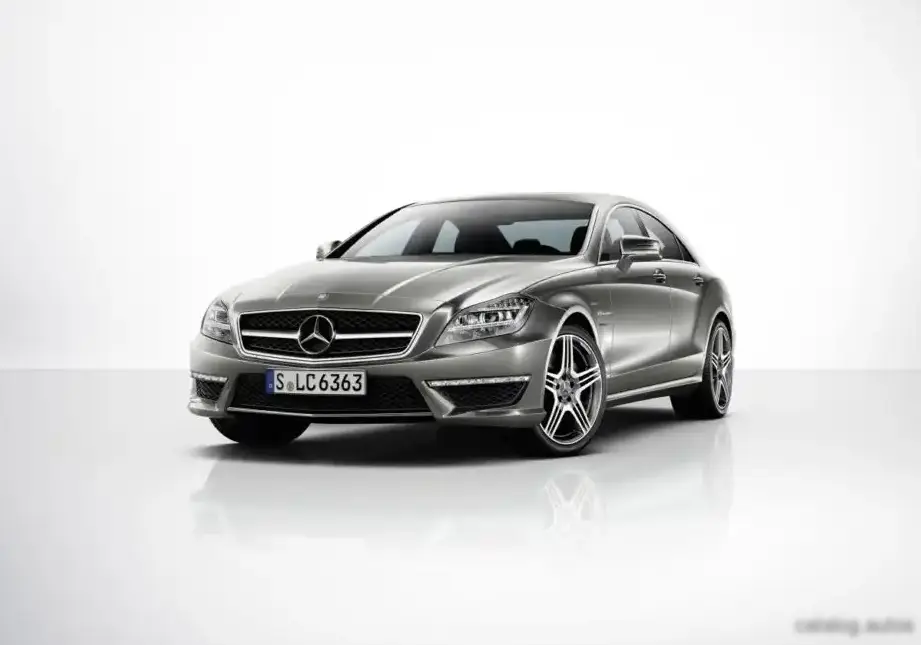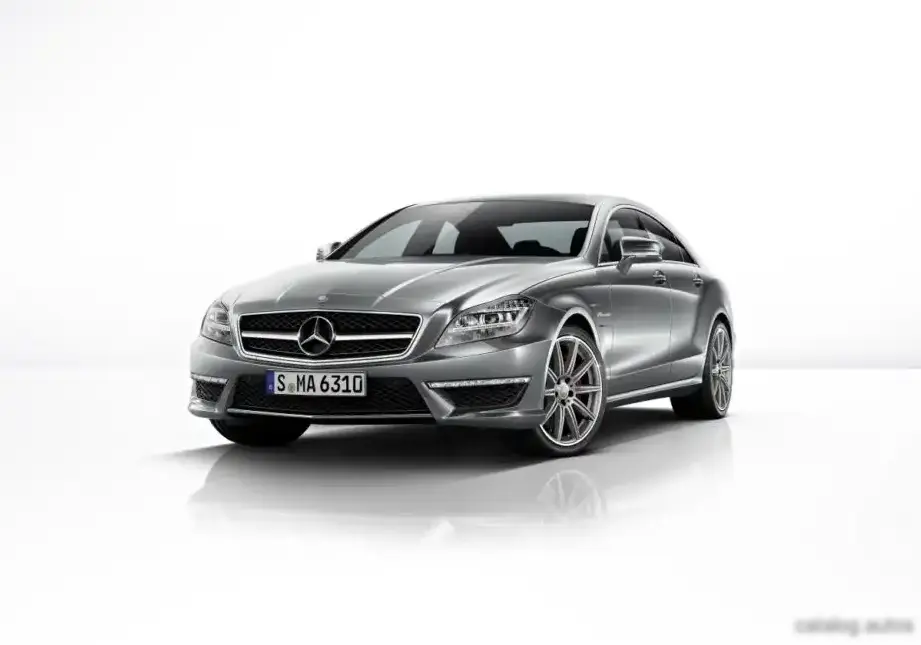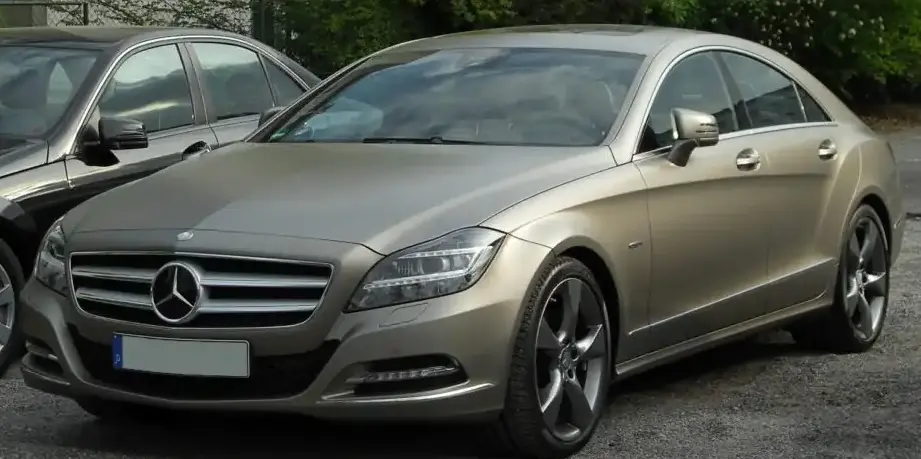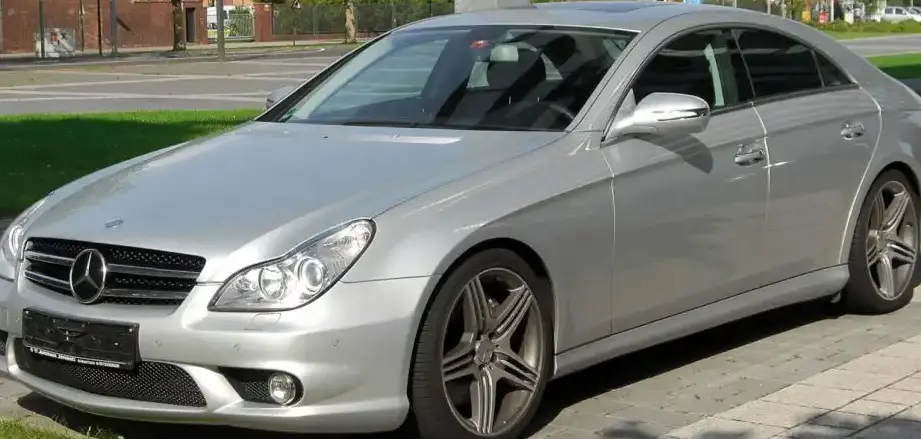
The Mercedes-Benz CLS 350 CGI, produced from 2008 to 2010, represented a significant iteration of the C219 CLS-Class coupe following its mid-cycle refresh. Positioned as a mid-range offering within the CLS lineup, it bridged the gap between the entry-level CLS 300 and the performance-oriented CLS 550 and CLS 63 AMG models. This variant combined a naturally aspirated 3.5-liter V6 engine with the sophisticated 7G-TRONIC seven-speed automatic transmission, aiming to deliver a balance of performance, refinement, and fuel efficiency within the four-door coupe segment. The CLS, originally launched in 2004, pioneered the concept of a four-door coupe, blending the elegance of a coupe with the practicality of a sedan, and quickly became a status symbol for its distinctive styling.
Technical Specifications
| Brand | Mercedes-Benz |
| Model | CLS |
| Generation | CLS coupe (C219, facelift 2008) |
| Type (Engine) | CLS 350 CGI V6 (292 Hp) 7G-TRONIC |
| Start of production | 2008 |
| End of production | 2010 |
| Powertrain Architecture | Internal Combustion engine |
| Body type | Coupe |
| Seats | 4 |
| Doors | 4 |
| Fuel consumption (urban) | 13-13.2 l/100 km (18.1 – 17.8 US mpg, 21.7 – 21.4 UK mpg, 7.7 – 7.6 km/l) |
| Fuel consumption (extra urban) | 7-7.2 l/100 km (33.6 – 32.7 US mpg, 40.4 – 39.2 UK mpg, 14.3 – 13.9 km/l) |
| Fuel consumption (combined) | 9.1-9.3 l/100 km (25.8 – 25.3 US mpg, 31 – 30.4 UK mpg, 11 – 10.8 km/l) |
| CO2 emissions | 217-222 g/km |
| Fuel Type | Petrol (Gasoline) |
| Acceleration 0 – 100 km/h | 6.7 sec |
| Acceleration 0 – 62 mph | 6.7 sec |
| Acceleration 0 – 60 mph | 6.4 sec |
| Maximum speed | 250 km/h (155.34 mph) – Electronically limited |
| Emission standard | Euro 4 |
| Weight-to-power ratio | 5.7 kg/Hp, 175.9 Hp/tonne |
| Weight-to-torque ratio | 4.5 kg/Nm, 219.9 Nm/tonne |
| Power | 292 Hp @ 6400 rpm |
| Torque | 365 Nm @ 3000-5100 rpm (269.21 lb.-ft. @ 3000-5100 rpm) |
| Engine layout | Front, Longitudinal |
| Engine Model/Code | M 272.985 |
| Engine displacement | 3498 cm3 (213.46 cu. in.) |
| Number of cylinders | 6 |
| Engine configuration | V-engine |
| Cylinder Bore | 92.9 mm (3.66 in.) |
| Piston Stroke | 86 mm (3.39 in.) |
| Compression ratio | 12.2:1 |
| Number of valves per cylinder | 4 |
| Fuel injection system | Direct injection |
| Engine aspiration | Naturally aspirated |
| Valvetrain | DOHC, VVT |
| Engine oil capacity | 8 l (8.45 US qt | 7.04 UK qt) |
| Coolant capacity | 12 l (12.68 US qt | 10.56 UK qt) |
| Kerb Weight | 1660 kg (3659.67 lbs.) |
| Max. weight | 2200 kg (4850.17 lbs.) |
| Max load | 540 kg (1190.5 lbs.) |
| Trunk (boot) space (minimum) | 505 l (17.83 cu. ft.) |
| Fuel tank capacity | 80 l (21.13 US gal | 17.6 UK gal) |
| Length | 4917 mm (193.58 in.) |
| Width | 1873 mm (73.74 in.) |
| Width including mirrors | 2107 mm (82.95 in.) |
| Height | 1430 mm (56.3 in.) |
| Wheelbase | 2854 mm (112.36 in.) |
| Front track | 1593 mm (62.72 in.) |
| Rear track | 1603 mm (63.11 in.) |
| Front overhang | 891 mm (35.08 in.) |
| Rear overhang | 1172 mm (46.14 in.) |
| Drag coefficient (Cd) | 0.30 |
| Minimum turning circle | 11.2 m (36.75 ft.) |
| Drivetrain | Rear wheel drive |
| Number of gears | 7 |
| Gearbox type | Automatic transmission G-TRONIC |
| Front suspension | Independent multi-link suspension, Transverse stabilizer |
| Rear suspension | Independent multi-link suspension, Transverse stabilizer |
| Front brakes | Ventilated discs |
| Rear brakes | Ventilated discs |
| Assisting systems | ABS (Anti-lock braking system) |
| Steering type | Steering rack and pinion |
| Power steering | Hydraulic |
| Tires size | 245/45 R17 |
| Wheel rims size | 8.5J x 17 |
Powertrain & Engine Architecture
The CLS 350 CGI was powered by the M272.985 3.5-liter V6 engine. This engine featured a 60-degree V-angle and employed a naturally aspirated configuration. A key feature was its direct fuel injection system, branded as CGI (Compressed Ignition), which improved combustion efficiency and reduced emissions. The engine utilized a double overhead camshaft (DOHC) valvetrain with variable valve timing (VVT) on both intake and exhaust valves, optimizing performance across the rev range. The 7G-TRONIC seven-speed automatic transmission was a crucial component, offering smooth and responsive gear changes. This transmission featured a torque converter lock-up clutch to enhance efficiency at cruising speeds. The gear ratios were tuned to provide a balance between acceleration and fuel economy, with a relatively tall final drive ratio to aid in highway efficiency.
Driving Characteristics
The CLS 350 CGI offered a refined and comfortable driving experience. While not as overtly sporty as the higher-powered CLS variants, the 292 horsepower and 365 Nm (269 lb-ft) of torque provided adequate performance for most driving situations. Acceleration from 0 to 60 mph took approximately 6.4 seconds. The 7G-TRONIC transmission contributed to smooth gear changes, although some drivers noted a slight hesitation during kickdown maneuvers. Compared to the manual transmission options available on other CLS models, the automatic prioritized comfort and ease of use over outright driver engagement. The engine delivered a broad torque curve, making it responsive in everyday driving, but lacked the immediate punch of a turbocharged engine.
Equipment & Trim Levels
The CLS 350 CGI typically came standard with a generous array of features, reflecting its positioning as a luxury coupe. Standard equipment included leather upholstery, power-adjustable front seats with memory function, dual-zone automatic climate control, a premium audio system, and a sunroof. Optional extras included a navigation system, upgraded leather packages, wood trim options, and advanced driver-assistance systems such as Distronic adaptive cruise control and Parktronic parking assist. The interior design was characterized by its elegant and modern aesthetic, with high-quality materials and meticulous attention to detail.
Chassis & Braking
The CLS 350 CGI utilized an independent multi-link suspension system at both the front and rear axles, providing a comfortable ride and good handling characteristics. A transverse stabilizer bar was fitted to both axles to reduce body roll during cornering. The braking system consisted of ventilated discs on all four wheels, providing ample stopping power. Anti-lock braking system (ABS) was standard, enhancing safety and stability during emergency braking situations. The steering system employed a rack-and-pinion setup with hydraulic power assistance, offering precise and responsive steering feel.
Market Reception & Comparison
The CLS 350 CGI was generally well-received by automotive critics, who praised its stylish design, comfortable ride, and refined interior. However, some reviewers noted that its performance was not as exhilarating as that of the CLS 550 or CLS 63 AMG models. Fuel economy was considered reasonable for a vehicle of its size and class, although it was not a standout performer in terms of efficiency. Compared to the CLS 300, the 350 CGI offered a noticeable performance upgrade, while remaining more affordable than the higher-end variants. The CLS 350 CGI competed with other luxury coupes such as the BMW 6 Series and the Audi A7.
Legacy
The M272 engine family, including the 3.5-liter variant found in the CLS 350 CGI, is generally considered to be a reliable and durable powertrain. However, like all engines, it is susceptible to certain issues with age, such as oil leaks and timing chain wear. The 7G-TRONIC transmission is also generally reliable, but may require fluid changes and occasional maintenance. Today, the CLS 350 CGI represents an attractive option in the used luxury coupe market, offering a blend of style, comfort, and performance at a relatively affordable price point. Its distinctive design and refined driving experience continue to appeal to buyers seeking a unique and sophisticated vehicle.