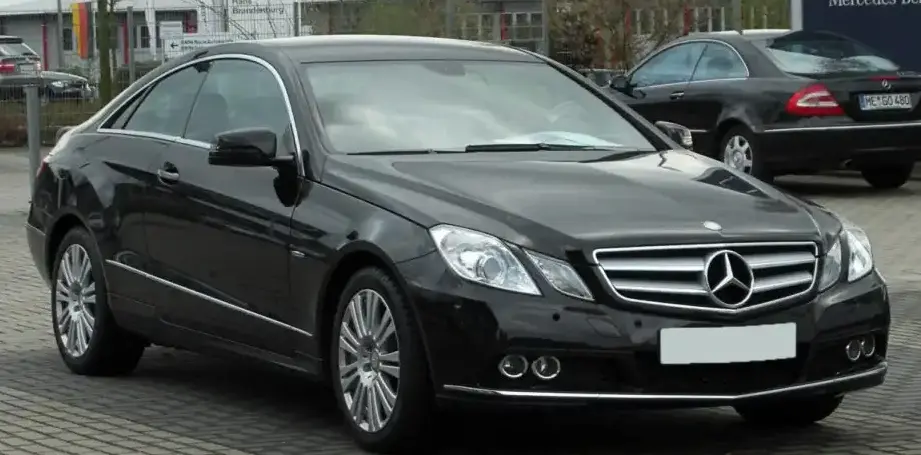
The Mercedes-Benz E-Class Coupe (C207) E 350 V6, produced from 2009 to 2011, represented a sophisticated blend of performance and luxury within the broader E-Class Coupe range. Positioned as a mid-to-upper tier offering, it catered to buyers seeking a more engaging driving experience than the E 300 models, while remaining more accessible than the range-topping E 550. The C207 generation, built on the W204 sedan platform, aimed to recapture the spirit of the classic Mercedes-Benz coupes, offering a more sporting aesthetic and driving feel compared to its sedan counterpart. This variant specifically combined a naturally aspirated 3.5-liter V6 engine with Mercedes-Benz’s 7G-TRONIC seven-speed automatic transmission, creating a refined and capable grand tourer.
Technical Specifications
| Brand | Mercedes-Benz |
| Model | E-class |
| Generation | E-class Coupe (C207) |
| Type (Engine) | E 350 V6 (268 Hp) 7G-TRONIC |
| Start of production | 2009 |
| End of production | 2011 |
| Powertrain Architecture | Internal Combustion engine |
| Body type | Coupe |
| Seats | 4 |
| Doors | 2 |
| Fuel consumption (economy) – urban (EPA) | 13.8 l/100 km (17 US mpg, 20.5 UK mpg, 7.2 km/l) |
| Fuel consumption (economy) – extra urban (EPA) | 9 l/100 km (26.1 US mpg, 31.4 UK mpg, 11.1 km/l) |
| Fuel consumption (economy) – combined (EPA) | 11.8 l/100 km (19.9 US mpg, 23.9 UK mpg, 8.5 km/l) |
| Fuel Type | Petrol (Gasoline) |
| Acceleration 0 – 60 mph | 6.2 sec |
| Weight-to-power ratio | 6.1 kg/Hp, 163.2 Hp/tonne |
| Weight-to-torque ratio | 4.7 kg/Nm, 213.2 Nm/tonne |
| Power | 268 Hp @ 6000 rpm |
| Power per litre | 76.6 Hp/l |
| Torque | 350 Nm @ 2400-5000 rpm (258.15 lb.-ft. @ 2400-5000 rpm) |
| Engine layout | Front, Longitudinal |
| Engine Model/Code | M 272.961 |
| Engine displacement | 3498 cm3 (213.46 cu. in.) |
| Number of cylinders | 6 |
| Engine configuration | V-engine |
| Cylinder Bore | 92.9 mm (3.66 in.) |
| Piston Stroke | 86 mm (3.39 in.) |
| Compression ratio | 10.7:1 |
| Number of valves per cylinder | 4 |
| Fuel injection system | Multi-port manifold injection |
| Engine aspiration | Naturally aspirated engine |
| Valvetrain | DOHC |
| Engine oil capacity | 8 l (8.45 US qt | 7.04 UK qt) |
| Coolant | 8.4 l (8.88 US qt | 7.39 UK qt) |
| Kerb Weight | 1642 kg (3619.99 lbs.) |
| Trunk (boot) space – minimum | 377 l (13.31 cu. ft.) |
| Fuel tank capacity | 66 l (17.44 US gal | 14.52 UK gal) |
| Max. roof load | 100 kg (220.46 lbs.) |
| Length | 4698 mm (184.96 in.) |
| Width | 1786 mm (70.31 in.) |
| Width including mirrors | 2028 mm (79.84 in.) |
| Height | 1397 mm (55 in.) |
| Wheelbase | 2760 mm (108.66 in.) |
| Front track | 1538 mm (60.55 in.) |
| Rear (Back) track | 1544 mm (60.79 in.) |
| Front overhang | 855 mm (33.66 in.) |
| Rear overhang | 1083 mm (42.64 in.) |
| Drag coefficient (Cd) | 0.27 |
| Minimum turning circle (turning diameter) | 11 m (36.09 ft.) |
| Drivetrain Architecture | The Internal combustion engine (ICE) drives the rear wheels of the vehicle. |
| Drive wheel | Rear wheel drive |
| Number of gears and type of gearbox | 7 gears, automatic transmission G-TRONIC |
| Front suspension | Coil spring, Independent multi-link suspension, Transverse stabilizer |
| Rear suspension | Independent multi-link spring suspension with stabilizer |
| Front brakes | Ventilated discs, 322 mm |
| Rear brakes | Ventilated discs, 300 mm |
| Assisting systems | ABS (Anti-lock braking system) |
| Steering type | Steering rack and pinion |
| Power steering | Hydraulic Steering |
| Tires size | Front wheel tires: 235/45 R17; 235/40 R18Rear wheel tires: 235/45 R17; 255/40 R17; 235/40 R18; 255/35 R18 |
| Wheel rims size | Front wheel rims: 7.5J x 17; 8J x 18Rear wheel rims: 7.5J x 17; 8.5J x 17; 8J x 18; 8.5J x 18 |
Powertrain & Engine Architecture
The heart of the E 350 Coupe was the M272.961 3.5-liter naturally aspirated V6 engine. This engine, a staple of Mercedes-Benz’s lineup during the late 2000s, featured a 60-degree V-angle and utilized a magnesium block for weight reduction. It employed multi-port fuel injection and a double overhead camshaft (DOHC) valvetrain with four valves per cylinder. The engine’s design prioritized smooth power delivery and refinement over outright peak horsepower. The 7G-TRONIC seven-speed automatic transmission was a key component, offering smooth and relatively quick shifts. This transmission featured a torque converter lock-up clutch to improve efficiency at cruising speeds. The transmission was electronically controlled, adapting shift points based on driving style and road conditions.
Driving Characteristics
The E 350 Coupe with the 7G-TRONIC transmission delivered a comfortable and refined driving experience. While not as overtly sporty as some of its competitors, it offered ample power for effortless highway cruising and confident overtaking. The 6.2-second 0-60 mph acceleration time was respectable for the era. The automatic transmission, while smooth, could feel slightly hesitant in certain situations, particularly during kickdown maneuvers. Compared to the six-speed manual transmission available on some E-Class models, the 7G-TRONIC prioritized comfort and ease of use over driver engagement. The gear ratios were tuned for relaxed cruising, with a relatively tall final drive. The engine’s torque curve was broad, providing good responsiveness across a wide range of engine speeds.
Equipment & Trim Levels
The E 350 Coupe typically came standard with a generous array of features, including leather upholstery, automatic climate control, a premium sound system, and power-adjustable front seats. Optional extras included a panoramic sunroof, a navigation system, heated and ventilated seats, and a driver assistance package with features like adaptive cruise control and lane keeping assist. Interior trim options ranged from wood veneers to aluminum accents, allowing buyers to personalize the cabin to their tastes. The standard dashboard configuration featured analog gauges with a central multi-function display.
Chassis & Braking
The C207 E-Class Coupe utilized a sophisticated chassis design derived from the W204 sedan. The front suspension featured a multi-link setup with coil springs and a transverse stabilizer bar, while the rear suspension employed an independent multi-link design with coil springs and a stabilizer bar. The E 350 Coupe was equipped with ventilated disc brakes on all four wheels, providing ample stopping power. Anti-lock braking system (ABS) was standard. The suspension tuning prioritized ride comfort, but still offered reasonably controlled handling.
Market Reception & Comparison
The E 350 Coupe was generally well-received by automotive critics, who praised its refined engine, comfortable ride, and luxurious interior. However, some reviewers noted that the handling wasn’t as sharp as some of its rivals, such as the BMW 3 Series Coupe. Fuel economy was considered average for its class. Compared to the E 300 Coupe, the E 350 offered a noticeable performance upgrade. The E 550 Coupe, with its larger V8 engine, provided even more power but came at a significantly higher price point. Reliability was generally good, although some owners reported issues with the electronic systems.
Legacy
The M272 engine family, including the 3.5-liter variant found in the E 350 Coupe, has proven to be relatively durable over the long term, provided it receives regular maintenance. The 7G-TRONIC transmission is also generally reliable, although fluid changes are crucial for longevity. Today, the C207 E 350 Coupe represents a compelling value on the used car market, offering a blend of luxury, performance, and reliability. It remains a popular choice for buyers seeking a stylish and comfortable grand tourer.