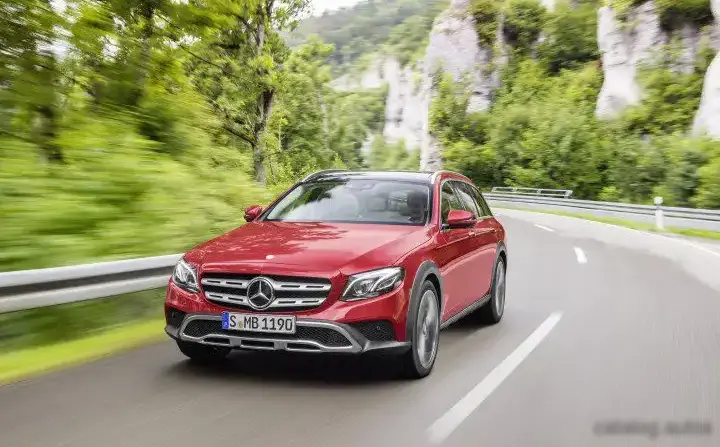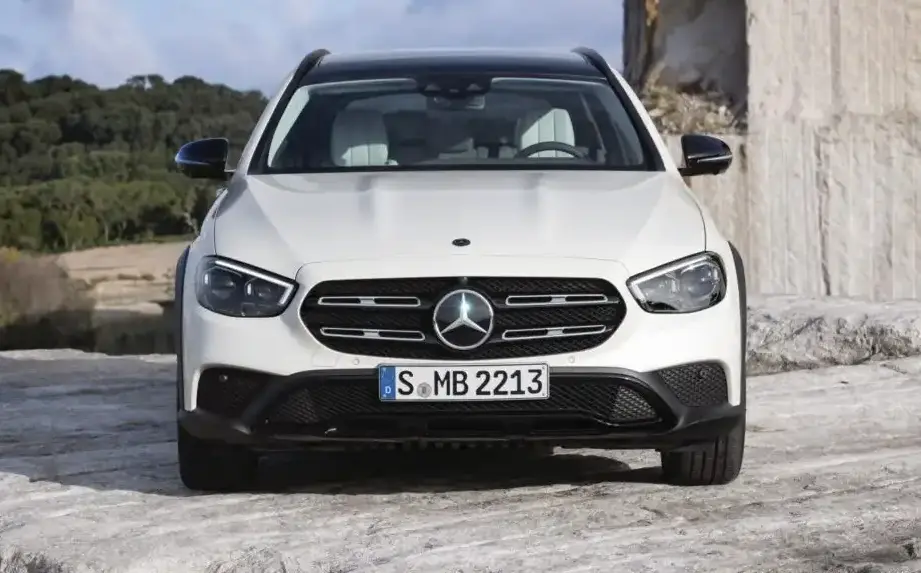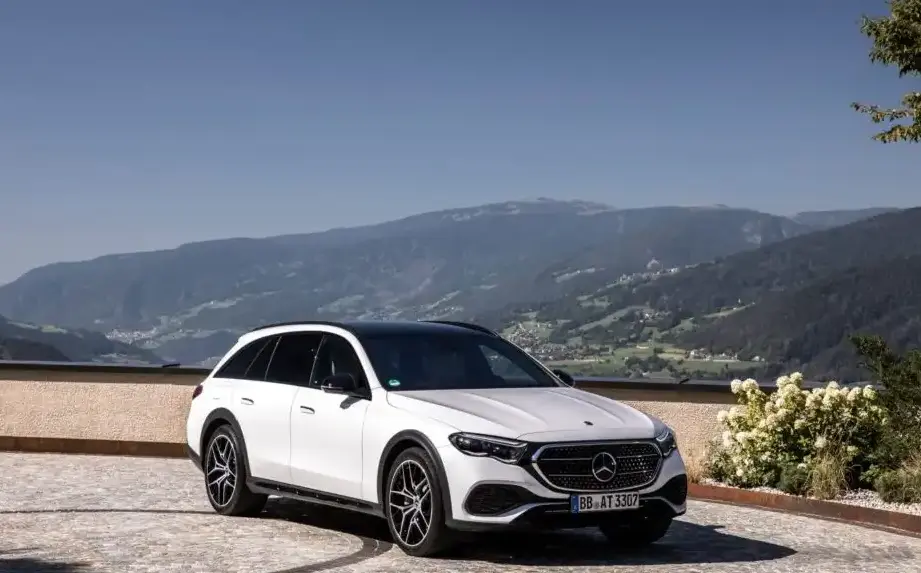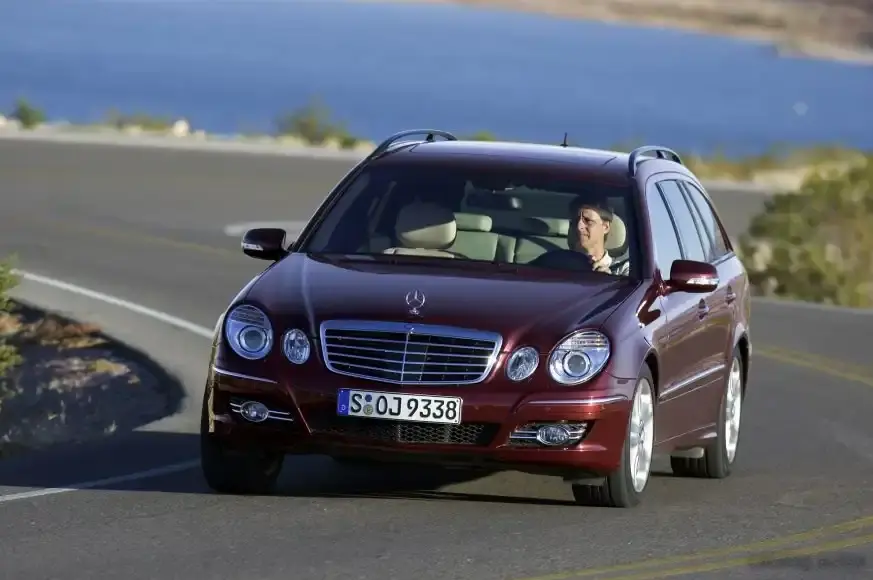
The Mercedes-Benz E-Class T-modell (S211) facelift, produced from 2006 to 2009, represented a significant evolution of the popular E-Class wagon. The E 280 V6 4MATIC, equipped with a 3.0-liter V6 engine and a 5G-TRONIC automatic transmission, occupied a middle ground within the lineup, offering a balance of performance, luxury, and all-weather capability. This variant aimed to appeal to buyers seeking a practical yet refined estate car, capable of handling both daily commutes and long-distance journeys with ease. It was positioned above the base 4-cylinder models and below the more powerful V8-equipped E 500 and E 63 AMG versions.
Technical Specifications
| Brand | Mercedes-Benz |
| Model | E-Class |
| Generation | E-Class T-modell (S211, facelift 2006) |
| Type (Engine) | E 280 V6 (231 Hp) 4MATIC 5G-TRONIC |
| Start of production | 2006 |
| End of production | 2009 |
| Powertrain Architecture | Internal Combustion engine |
| Body type | Station wagon (estate) |
| Seats | 5 |
| Doors | 5 |
| Fuel consumption (urban) | 14.3 l/100 km (16.4 US mpg, 19.8 UK mpg) |
| Fuel consumption (extra urban) | 8 l/100 km (29.4 US mpg, 35.3 UK mpg) |
| Fuel consumption (combined) | 10.3 l/100 km (22.8 US mpg, 27.4 UK mpg) |
| CO2 emissions | 246-253 g/km |
| Fuel Type | Petrol (Gasoline) |
| Acceleration 0 – 100 km/h | 8.3 sec |
| Acceleration 0 – 62 mph | 8.3 sec |
| Acceleration 0 – 60 mph | 7.9 sec |
| Maximum speed | 232 km/h (144.16 mph) |
| Weight-to-power ratio | 7.9 kg/Hp, 126.2 Hp/tonne |
| Weight-to-torque ratio | 6.1 kg/Nm, 163.9 Nm/tonne |
| Power | 231 Hp @ 6000 rpm |
| Power per litre | 77.1 Hp/l |
| Torque | 300 Nm @ 2500-5000 rpm (221.27 lb.-ft. @ 2500-5000 rpm) |
| Engine layout | Front, Longitudinal |
| Engine Model/Code | M 272.944 |
| Engine displacement | 2996 cm3 (182.83 cu. in.) |
| Number of cylinders | 6 |
| Engine configuration | V-engine |
| Cylinder Bore | 88 mm (3.46 in.) |
| Piston Stroke | 82.1 mm (3.23 in.) |
| Compression ratio | 11.3:1 |
| Number of valves per cylinder | 4 |
| Fuel injection system | Multi-port manifold injection |
| Engine aspiration | Naturally aspirated engine |
| Engine oil capacity | 8 l (8.45 US qt | 7.04 UK qt) |
| Coolant | 10 l (10.57 US qt | 8.8 UK qt) |
| Kerb Weight | 1830 kg (4034.46 lbs.) |
| Max. weight | 2480 kg (5467.46 lbs.) |
| Max load | 650 kg (1433 lbs.) |
| Trunk (boot) space – minimum | 690 l (24.37 cu. ft.) |
| Trunk (boot) space – maximum | 1950 l (68.86 cu. ft.) |
| Fuel tank capacity | 70 l (18.49 US gal | 15.4 UK gal) |
| Length | 4888 mm (192.44 in.) |
| Width | 1822 mm (71.73 in.) |
| Width including mirrors | 2063 mm (81.22 in.) |
| Height | 1506 mm (59.29 in.) |
| Wheelbase | 2854 mm (112.36 in.) |
| Front track | 1559 mm (61.38 in.) |
| Rear (Back) track | 1552 mm (61.1 in.) |
| Front overhang | 869 mm (34.21 in.) |
| Rear overhang | 1165 mm (45.87 in.) |
| Minimum turning circle | 11.4 m (37.4 ft.) |
| Drive wheel | All wheel drive (4×4) |
| Number of gears | 5 |
| Gearbox type | automatic transmission |
| Front suspension | Double wishbone |
| Rear suspension | Independent multi-link spring suspension with stabilizer |
| Front brakes | Ventilated discs |
| Rear brakes | Disc |
| Assisting systems | ABS (Anti-lock braking system) |
| Steering type | Steering rack and pinion |
| Power steering | Hydraulic Steering |
| Tires size | 225/55 R16 |
| Wheel rims size | 7.5J X 16 |
INTRODUCTION
The S211 E-Class T-modell, introduced in 2003 and facelifted in 2006, was Mercedes-Benz’s offering in the premium executive wagon segment. The facelift brought revised styling, updated technology, and refined engine options. The E 280 V6 4MATIC, produced from 2006-2009, was powered by the M272 engine family, a cornerstone of Mercedes-Benz’s engineering during that period. This model combined the practicality of a wagon with the luxury and performance expected from the E-Class badge, and the added security of all-wheel drive.
Powertrain & Engine Architecture
The heart of the E 280 V6 4MATIC is the M272.944 3.0-liter naturally aspirated V6 engine. This engine features a 60-degree V-angle, aluminum alloy block and cylinder heads, and dual overhead camshafts per cylinder bank. It utilizes a multi-port fuel injection system and a compression ratio of 11.3:1. The engine produces 231 horsepower at 6000 rpm and 300 Nm (221 lb-ft) of torque between 2500 and 5000 rpm. The engine is longitudinally mounted, driving all four wheels through a 5G-TRONIC automatic transmission. This transmission, a five-speed torque converter automatic, was known for its smooth shifts and adaptability. It featured electronically controlled gear changes and a manual shift mode. The 4MATIC all-wheel-drive system employs a multi-plate clutch to distribute torque between the front and rear axles, providing enhanced traction in various conditions.
Driving Characteristics
The E 280 V6 4MATIC offered a comfortable and refined driving experience. While not overtly sporty, the engine provided adequate power for everyday driving and overtaking maneuvers. The 0-60 mph acceleration time of around 7.9 seconds was respectable for a wagon of its size and weight. The 5G-TRONIC transmission contributed to smooth acceleration, although it could sometimes feel slightly hesitant during quick downshifts. The all-wheel-drive system provided excellent stability and grip, particularly on wet or slippery roads. Compared to the more powerful E 350 or E 500 models, the E 280 felt less urgent in its acceleration, but it offered a more fuel-efficient and relaxed driving experience. Compared to the diesel variants, the E 280 provided a smoother, quieter ride, but lacked the low-end torque of the TDI engines.
Equipment & Trim Levels
The E 280 V6 4MATIC came standard with a generous array of features, including automatic climate control, power-adjustable front seats, a multi-function steering wheel, and a premium audio system. Leather upholstery was standard, as were wood trim accents throughout the cabin. Optional extras included a sunroof, navigation system, upgraded audio systems, and parking sensors. The interior design was typical of Mercedes-Benz at the time, emphasizing luxury and comfort. The wagon’s rear seats could be folded down to increase cargo capacity, making it a versatile vehicle for families and those with active lifestyles.
Chassis & Braking
The S211 E-Class T-modell featured a double wishbone front suspension and an independent multi-link rear suspension with a stabilizer bar. This setup provided a comfortable ride and good handling characteristics. The E 280 V6 4MATIC was equipped with ventilated disc brakes at the front and solid disc brakes at the rear. Anti-lock braking system (ABS) was standard, as was electronic brake-force distribution. The steering was a hydraulic power-assisted rack and pinion system, providing precise and responsive steering feel.
Market Reception & Comparison
The E 280 V6 4MATIC was generally well-received by automotive critics. It was praised for its comfortable ride, spacious interior, and refined engine. However, some critics noted that the engine lacked the outright performance of its larger counterparts. Fuel economy was considered average for its class, with combined figures around 22.8 US mpg. Compared to the E 350, the E 280 offered a lower price point and slightly better fuel economy, but at the expense of performance. The diesel-powered E 320 CDI offered superior fuel economy and torque, but some buyers preferred the smoothness and refinement of the gasoline V6.
Legacy
The M272 engine family, including the 3.0-liter V6 used in the E 280, is generally considered to be a reliable and durable powerplant. However, like all engines, it is susceptible to certain issues, such as oil leaks and timing chain wear, particularly as mileage increases. The 5G-TRONIC transmission is also generally reliable, but regular fluid changes are essential to maintain its performance. Today, the E 280 V6 4MATIC represents a good value in the used car market, offering a blend of luxury, practicality, and all-wheel-drive capability. Well-maintained examples are still sought after by enthusiasts and those looking for a comfortable and reliable estate car.