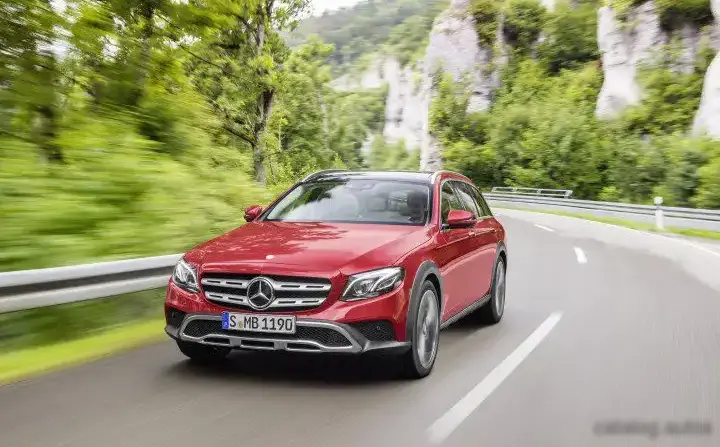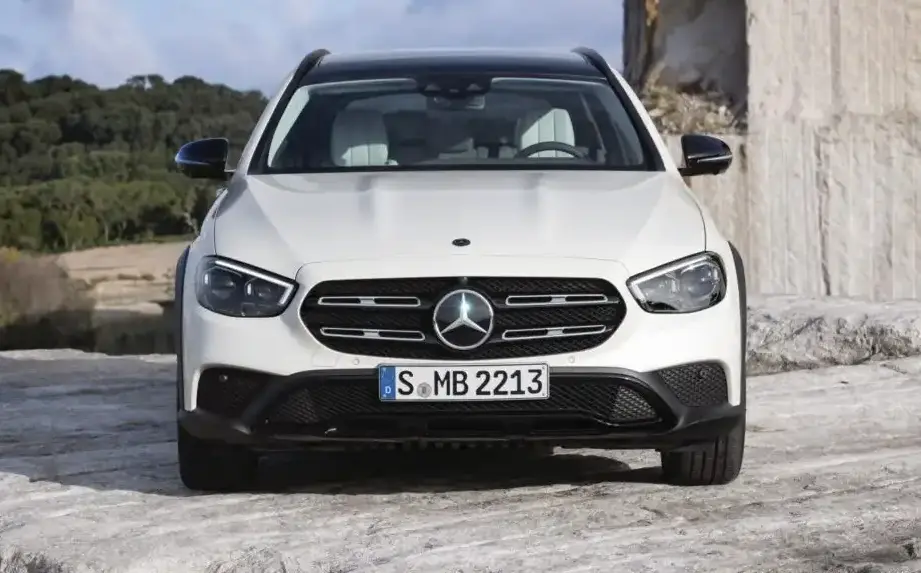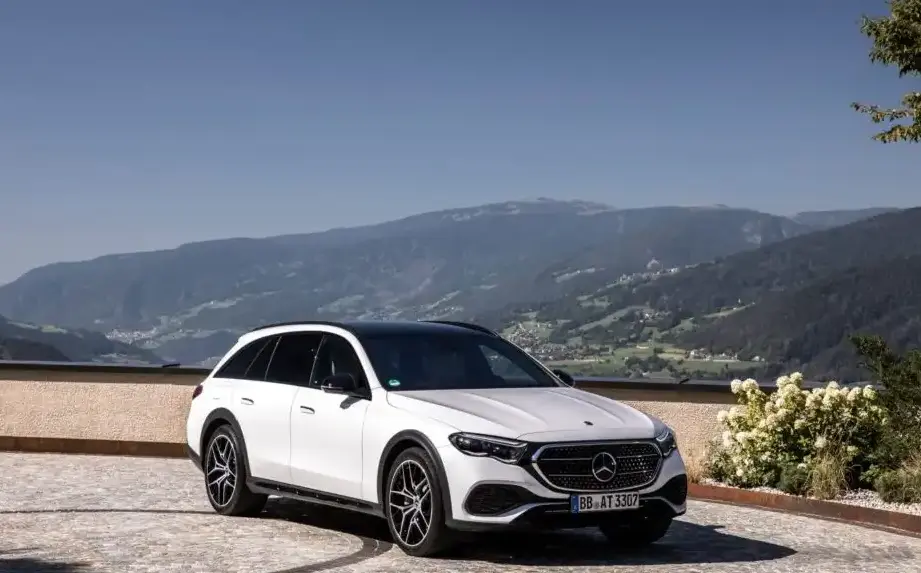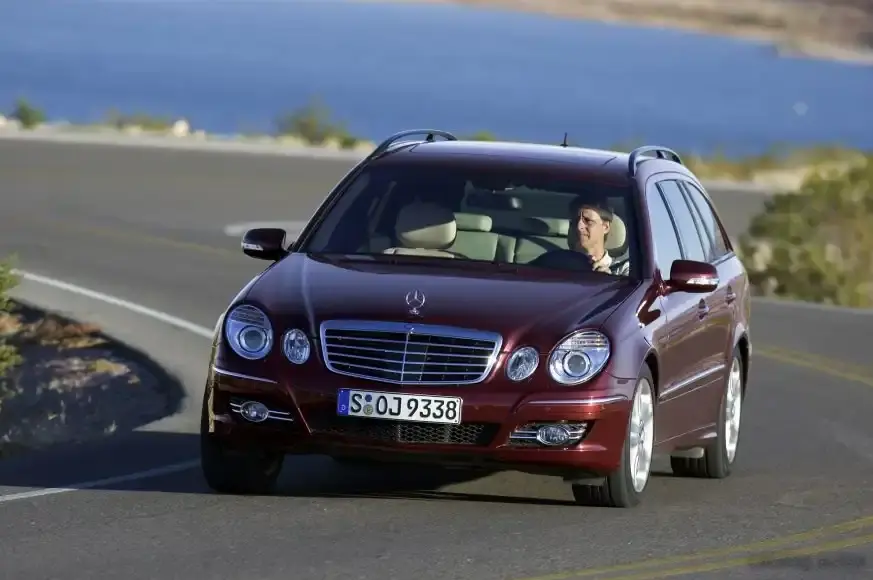
The Mercedes-Benz E 320 CDI T-modell, part of the S211 facelift series produced from 2006 to 2009, represented a compelling blend of luxury, practicality, and diesel efficiency within the E-Class range. Positioned as a mid-to-upper trim level, it offered a significant step up in performance and refinement compared to the base E 220 CDI models, while remaining more accessible than the high-performance E 500 or the AMG variants. This station wagon (estate) body style was particularly popular in Europe, catering to buyers seeking a versatile vehicle capable of both comfortable long-distance travel and substantial cargo capacity. The facelift brought updated styling, improved interior materials, and advancements in safety and technology, solidifying the S211’s position as a desirable executive wagon.
Technical Specifications
| Brand | Mercedes-Benz |
| Model | E-class |
| Generation | E-class T-modell (S211, facelift 2006) |
| Type (Engine) | E 320 CDI V6 (224 Hp) 7G-TRONIC |
| Start of production | 2006 |
| End of production | 2009 |
| Powertrain Architecture | Internal Combustion engine |
| Body type | Station wagon (estate) |
| Seats | 5 |
| Doors | 5 |
| Fuel consumption (urban) | 10.6-11 l/100 km (22.2 – 21.4 US mpg) |
| Fuel consumption (extra urban) | 5.9-6.4 l/100 km (39.9 – 36.8 US mpg) |
| Fuel consumption (combined) | 7.6-8.1 l/100 km (30.9 – 29 US mpg) |
| CO2 emissions | 202-215 g/km |
| Fuel Type | Diesel |
| Acceleration 0 – 100 km/h | 7.3 sec |
| Acceleration 0 – 62 mph | 7.3 sec |
| Acceleration 0 – 60 mph | 6.9 sec |
| Maximum speed | 240 km/h (149.13 mph) |
| Weight-to-power ratio | 8.1 kg/Hp |
| Weight-to-torque ratio | 3.4 kg/Nm |
| Power | 224 Hp @ 3800 rpm |
| Torque | 540 Nm @ 1600-2400 rpm (398.28 lb.-ft. @ 1600-2400 rpm) |
| Engine layout | Front, Longitudinal |
| Engine Model/Code | OM 642.920 |
| Engine displacement | 2987 cm3 (182.28 cu. in.) |
| Number of cylinders | 6 |
| Engine configuration | V-engine |
| Compression ratio | 17.7:1 |
| Number of valves per cylinder | 4 |
| Fuel injection system | Diesel Commonrail |
| Engine aspiration | Turbocharger, Intercooler |
| Engine oil capacity | 8.5 l (8.98 US qt | 7.48 UK qt) |
| Coolant capacity | 13 l (13.74 US qt | 11.44 UK qt) |
| Kerb Weight | 1810 kg (3990.37 lbs.) |
| Max. weight | 2460 kg (5423.37 lbs.) |
| Max load | 650 kg (1433 lbs.) |
| Trunk (boot) space – minimum | 690 l (24.37 cu. ft.) |
| Trunk (boot) space – maximum | 1900 l (67.1 cu. ft.) |
| Fuel tank capacity | 80 l (21.13 US gal | 17.6 UK gal) |
| Length | 4888 mm (192.44 in.) |
| Width | 1822 mm (71.73 in.) |
| Width including mirrors | 2063 mm (81.22 in.) |
| Height | 1506 mm (59.29 in.) |
| Wheelbase | 2854 mm (112.36 in.) |
| Front track | 1559 mm (61.38 in.) |
| Rear track | 1552 mm (61.1 in.) |
| Front overhang | 869 mm (34.21 in.) |
| Rear overhang | 1165 mm (45.87 in.) |
| Minimum turning circle | 11.4 m (37.4 ft.) |
| Drivetrain | Rear wheel drive |
| Number of gears | 7 |
| Gearbox type | Automatic transmission G-TRONIC |
| Front suspension | Double wishbone |
| Rear suspension | Independent multi-link spring suspension with stabilizer |
| Front brakes | Disc |
| Rear brakes | Disc |
| Assisting systems | ABS (Anti-lock braking system) |
| Steering type | Steering rack and pinion |
| Tires size | 225/55 R16 |
| Wheel rims size | 16 |
Powertrain & Engine Architecture
The heart of the E 320 CDI T-modell was the OM 642.920 3.0-liter V6 turbodiesel engine. This engine was a significant advancement in Mercedes-Benz’s diesel technology, featuring common-rail direct injection, a variable geometry turbocharger, and an intercooler. The common-rail system, operating at extremely high pressures, allowed for precise fuel metering and optimized combustion, resulting in improved power, efficiency, and reduced emissions. The V6 configuration provided inherent smoothness and refinement compared to inline engines. The engine produced 224 horsepower at 3800 rpm and a substantial 540 Nm (398 lb-ft) of torque between 1600 and 2400 rpm. This torque output was a key characteristic, providing strong acceleration and effortless cruising. Paired with the engine was the 7G-TRONIC seven-speed automatic transmission. This transmission offered smooth, quick shifts and contributed to both performance and fuel economy. The 7G-TRONIC allowed the engine to operate in its optimal power band more frequently, enhancing responsiveness.
Driving Characteristics
The E 320 CDI T-modell offered a refined and comfortable driving experience. The abundant torque meant that strong acceleration was available from low engine speeds, making overtaking and merging onto highways effortless. While not a sports car, the E 320 CDI provided ample power for spirited driving. The 7G-TRONIC transmission contributed to a seamless driving experience, with minimal shift shock. Compared to the E 220 CDI, the E 320 CDI offered a noticeable performance improvement, while the higher-output E 500 provided significantly more power but at the expense of fuel economy. The rear-wheel-drive configuration provided a balanced feel, although it could be less confident in slippery conditions compared to all-wheel-drive variants available in other E-Class models.
Equipment & Trim Levels
The E 320 CDI T-modell typically came well-equipped as standard. Features included automatic climate control, power-adjustable front seats, a multi-function steering wheel, and a high-quality audio system. Interior upholstery was typically a combination of leather and fabric, with options for full leather available. Optional extras included a sunroof, navigation system, premium sound system, parking sensors, and adaptive cruise control. The facelift models benefited from improved interior materials and a more modern dashboard design. Trim levels varied slightly depending on the market, but generally, the E 320 CDI represented a well-appointed and comfortable vehicle.
Chassis & Braking
The S211 E-Class featured a double wishbone front suspension and an independent multi-link rear suspension, providing a comfortable ride and good handling characteristics. Stabilizer bars were fitted front and rear to reduce body roll. The E 320 CDI T-modell was equipped with disc brakes on all four wheels, providing ample stopping power. Anti-lock braking system (ABS) was standard, enhancing safety. The suspension was tuned to prioritize comfort, but still offered a reasonably controlled driving experience. The weight distribution was generally well-balanced, contributing to stable handling.
Market Reception & Comparison
The E 320 CDI T-modell was generally well-received by automotive critics. It was praised for its powerful and efficient engine, comfortable ride, and spacious interior. The combination of diesel economy and V6 performance was particularly appealing to buyers who frequently covered long distances. Compared to the E 220 CDI, the E 320 CDI offered a significant performance upgrade, justifying the higher price. Fuel economy was a strong point, with combined figures ranging from 7.6 to 8.1 liters per 100 kilometers (30.9 to 29 US mpg). Reliability was generally good, although diesel particulate filter (DPF) issues could occur with infrequent long-distance driving.
Legacy
The OM 642 engine family, including the OM 642.920 found in the E 320 CDI, has proven to be remarkably durable. With proper maintenance, these engines can reliably exceed 200,000 miles. The 7G-TRONIC transmission is also generally reliable, although fluid changes are crucial for longevity. Today, the S211 E 320 CDI T-modell represents a compelling value on the used car market. It offers a unique combination of luxury, practicality, and fuel efficiency that is difficult to find in more modern vehicles. However, potential buyers should be aware of potential issues with the DPF and ensure that the vehicle has been properly maintained.