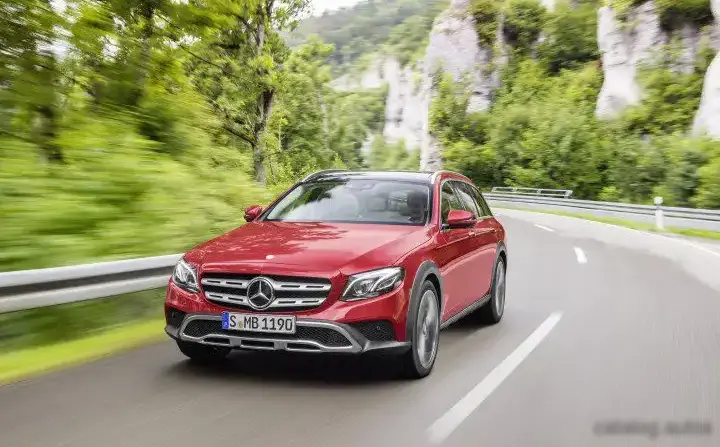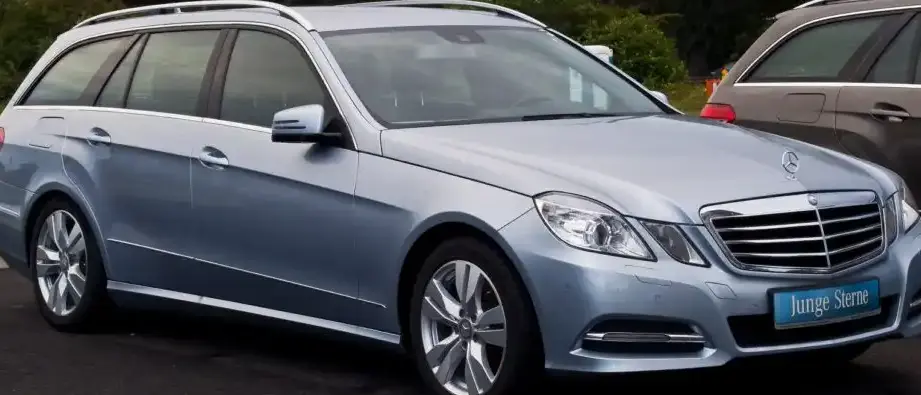
The Mercedes-Benz E-Class T-modell (S212) E 350 4MATIC, produced from February 2010 to August 2011, represents a compelling blend of practicality, performance, and luxury within the fifth generation of the E-Class estate (wagon) range. Positioned as a mid-to-upper tier offering, this variant catered to buyers seeking a spacious and capable vehicle without the outright performance focus of the AMG models, or the fuel economy emphasis of the diesel variants. It utilized a naturally aspirated 3.5-liter V6 engine paired with a 7G-TRONIC automatic transmission and Mercedes’ 4MATIC all-wheel-drive system, making it a popular choice in markets requiring all-weather capability.
Technical Specifications
| Brand | Mercedes-Benz |
| Model | E-Class |
| Generation | E-Class T-modell (S212) |
| Type | E 350 V6 (272 Hp) 4MATIC 7G-TRONIC |
| Start of production | February, 2010 |
| End of production | August, 2011 |
| Powertrain Architecture | Internal Combustion engine |
| Body type | Station wagon (estate) |
| Seats | 5 |
| Doors | 5 |
| Fuel consumption (urban) | 14.2-14.3 l/100 km (16.6 – 16.4 US mpg) |
| Fuel consumption (extra urban) | 7.8-8 l/100 km (30.2 – 29.4 US mpg) |
| Fuel consumption (combined) | 10.2-10.3 l/100 km (23.1 – 22.8 US mpg) |
| CO2 emissions | 238-241 g/km |
| Fuel Type | Petrol (Gasoline) |
| Acceleration 0 – 100 km/h | 7.5 sec |
| Acceleration 0 – 60 mph | 7.1 sec |
| Maximum speed | 243 km/h (150.99 mph) |
| Emission standard | Euro 5 |
| Weight-to-power ratio | 6.8 kg/Hp |
| Weight-to-torque ratio | 5.3 kg/Nm |
| Power | 272 Hp @ 6000 rpm |
| Torque | 350 Nm @ 2400-5000 rpm (258.15 lb.-ft. @ 2400-5000 rpm) |
| Engine layout | Front, Longitudinal |
| Engine Model/Code | M 272.977 |
| Engine displacement | 3498 cm3 (213.46 cu. in.) |
| Number of cylinders | 6 |
| Engine configuration | V-engine |
| Cylinder Bore | 92.9 mm (3.66 in.) |
| Piston Stroke | 86 mm (3.39 in.) |
| Compression ratio | 10.7:1 |
| Number of valves per cylinder | 4 |
| Fuel injection system | Multi-port manifold injection |
| Engine aspiration | Naturally aspirated |
| Valvetrain | DOHC |
| Engine oil capacity | 7 l (7.4 US qt | 6.16 UK qt) |
| Kerb Weight | 1840-1910 kg (4056.51 – 4210.83 lbs.) |
| Max. weight | 2490 kg (5489.51 lbs.) |
| Max load | 580-650 kg (1278.68 – 1433 lbs.) |
| Trunk (boot) space – minimum | 695 l (24.54 cu. ft.) |
| Trunk (boot) space – maximum | 1950 l (68.86 cu. ft.) |
| Fuel tank capacity | 80 l (21.13 US gal | 17.6 UK gal) |
| Max. roof load | 100 kg (220.46 lbs.) |
| Permitted trailer load with brakes (12%) | 2100 kg (4629.71 lbs.) |
| Permitted trailer load without brakes | 750 kg (1653.47 lbs.) |
| Permitted towbar download | 84 kg (185.19 lbs.) |
| Length | 4895 mm (192.72 in.) |
| Width | 1854 mm (72.99 in.) |
| Width including mirrors | 2071 mm (81.54 in.) |
| Height | 1512 mm (59.53 in.) |
| Wheelbase | 2874 mm (113.15 in.) |
| Front track | 1585 mm (62.4 in.) |
| Rear track | 1604 mm (63.15 in.) |
| Front overhang | 841 mm (33.11 in.) |
| Rear overhang | 1180 mm (46.46 in.) |
| Drag coefficient (Cd) | 0.30 |
| Minimum turning circle | 11.25 m (36.91 ft.) |
| Drivetrain Architecture | All wheel drive (4×4) |
| Number of gears | 7 |
| Gearbox type | Automatic transmission G-TRONIC |
| Front suspension | Coil spring, Independent multi-link suspension, Transverse stabilizer |
| Rear suspension | Independent multi-link suspension, Air suspension, Transverse stabilizer |
| Front brakes | Ventilated discs, 322 mm |
| Rear brakes | Ventilated discs, 300 mm |
Powertrain & Engine Architecture
The heart of the E 350 4MATIC is the M272.977 3.5-liter naturally aspirated V6 engine. This engine, a staple of Mercedes-Benz’s lineup during this period, features a 60-degree V-angle and utilizes a multi-port fuel injection system. The engine’s design prioritizes smooth power delivery and refinement over outright peak horsepower. The valvetrain employs double overhead camshafts (DOHC) with four valves per cylinder, contributing to its relatively high specific output. The 7G-TRONIC automatic transmission, a seven-speed unit, was known for its smooth and responsive shifts. It offered a balance between fuel efficiency and performance, with selectable driving modes to tailor the shift points to the driver’s preferences. The 4MATIC system is a full-time all-wheel-drive system, distributing power between the front and rear axles to maximize traction in various conditions.
Driving Characteristics
The E 350 4MATIC offered a comfortable and composed driving experience. While not as sporty as the E 550 or AMG variants, the 272 horsepower and 350 Nm (258 lb-ft) of torque provided ample power for everyday driving and highway cruising. Acceleration from 0-60 mph took approximately 7.1 seconds. The 7G-TRONIC transmission contributed to a relaxed driving experience, with well-spaced gear ratios. Compared to the manual transmission options available on other E-Class models, the automatic prioritized ease of use and convenience. The 4MATIC system provided enhanced stability and grip, particularly in inclement weather, making it a more confident vehicle in slippery conditions than rear-wheel-drive counterparts.
Equipment & Trim Levels
The E 350 4MATIC typically came well-equipped with standard features such as leather upholstery, dual-zone automatic climate control, a premium audio system, and power-adjustable front seats. Optional extras included a panoramic sunroof, navigation system, upgraded leather packages, and advanced driver-assistance systems like Distronic Plus (adaptive cruise control) and lane-keeping assist. Interior trim options ranged from wood veneers to aluminum accents, allowing buyers to personalize the cabin to their taste. The S212 T-modell offered a spacious and practical interior, with a generous cargo area that could be expanded by folding down the rear seats.
Chassis & Braking
The S212 E-Class utilized a multi-link independent suspension system at all four corners, providing a comfortable ride and good handling characteristics. The front suspension featured coil springs, while the rear suspension often included optional air suspension for enhanced ride quality and load leveling. Braking duties were handled by ventilated disc brakes on all four wheels, providing ample stopping power. Anti-lock braking system (ABS) and electronic stability control (ESP) were standard features, enhancing safety and control. The E 350 4MATIC typically featured slightly stiffer suspension components compared to some of the lower-powered variants to manage the increased weight and power.
Market Reception & Comparison
The E 350 4MATIC was generally well-received by automotive critics, who praised its comfortable ride, spacious interior, and capable all-wheel-drive system. Fuel economy was considered reasonable for a vehicle of its size and performance, although it lagged behind the diesel-powered E-Class models. Compared to the E 300, the E 350 offered a noticeable performance upgrade, while remaining more affordable and practical than the higher-end E 550. Reliability was generally good, although some owners reported issues with the electronic systems and air suspension (if equipped).
Legacy
The M272 engine, while not known for being particularly groundbreaking, proved to be a durable and reliable powerplant when properly maintained. The 7G-TRONIC transmission also enjoyed a good reputation for longevity. Today, the S212 E 350 4MATIC represents a compelling value in the used car market, offering a blend of luxury, practicality, and all-weather capability. Maintenance costs are generally moderate, although preventative maintenance, such as regular fluid changes and inspections, is crucial to ensure long-term reliability. The vehicle’s spacious interior and comfortable ride continue to make it a popular choice for families and those seeking a refined and capable estate car.