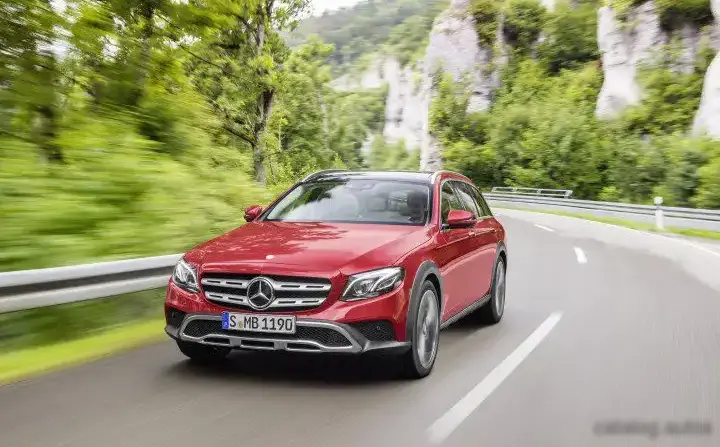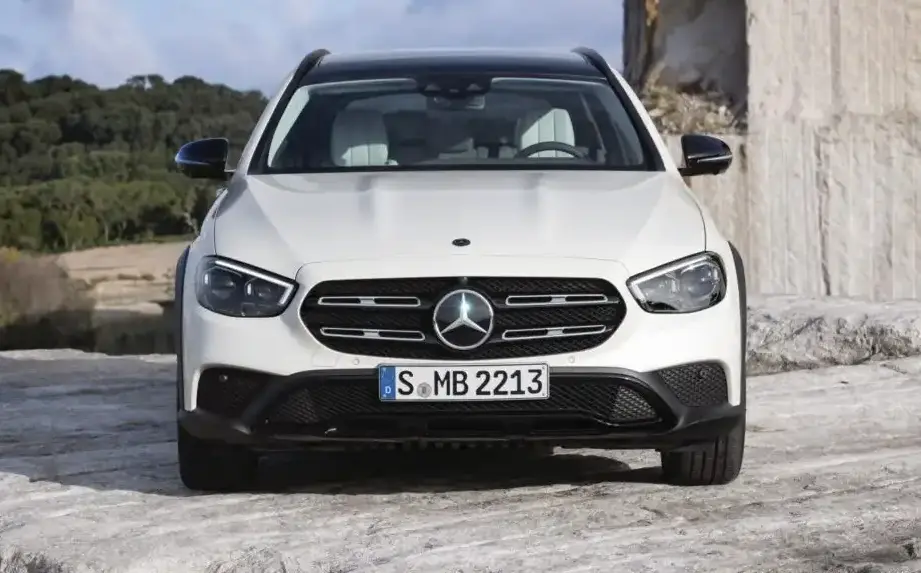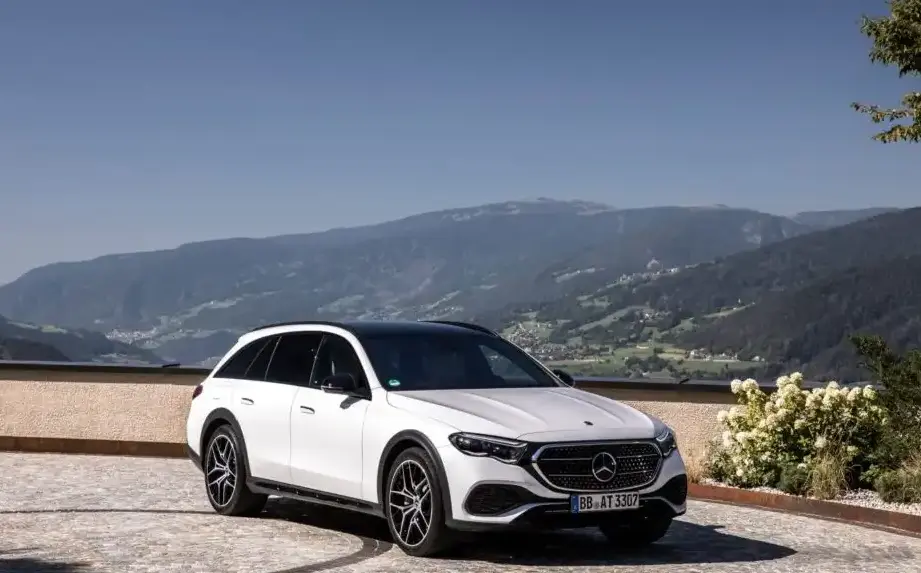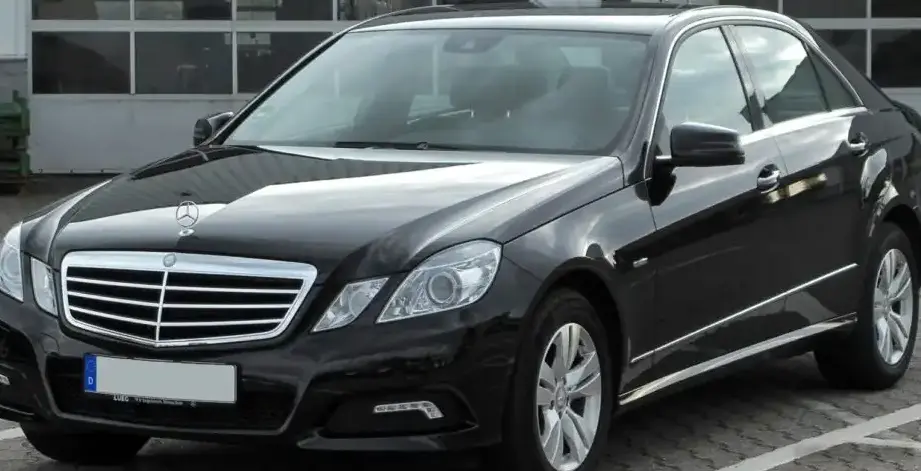
The Mercedes-Benz E 350 4MATIC, produced between 2009 and 2011 as part of the W212 E-Class generation, represented a compelling blend of luxury, performance, and all-weather capability. Positioned as a mid-range offering within the E-Class lineup, it slotted between the more economical E 300 models and the higher-performance E 550 and E 63 AMG variants. This particular configuration – the 3.5-liter V6 engine paired with the 7G-TRONIC automatic transmission and 4MATIC all-wheel drive – was a popular choice for buyers seeking a refined and capable executive sedan. The W212 E-Class, launched in 2009, marked a significant departure in styling from its predecessor, adopting a more angular and modern aesthetic.
Technical Specifications
| Brand | Mercedes-Benz |
| Model | E-class |
| Generation | E-class (W212) |
| Type | E 350 V6 (272 Hp) 4MATIC 7G-TRONIC |
| Start of production | 2009 |
| End of production | 2011 |
| Powertrain Architecture | Internal Combustion engine |
| Body type | Sedan |
| Seats | 5 |
| Doors | 4 |
| Fuel consumption (urban) | 13.6-13.8 l/100 km (17.3 – 17 US mpg, 20.8 – 20.5 UK mpg, 7.4 – 7.2 km/l) |
| Fuel consumption (extra urban) | 7.3-7.5 l/100 km (32.2 – 31.4 US mpg, 38.7 – 37.7 UK mpg, 13.7 – 13.3 km/l) |
| Fuel consumption (combined) | 9.6-9.8 l/100 km (24.5 – 24 US mpg, 29.4 – 28.8 UK mpg, 10.4 – 10.2 km/l) |
| CO2 emissions | 226-229 g/km |
| Fuel Type | Petrol (Gasoline) |
| Acceleration 0 – 100 km/h | 7.2 sec |
| Acceleration 0 – 62 mph | 7.2 sec |
| Acceleration 0 – 60 mph | 6.8 sec |
| Maximum speed | 250 km/h (155.34 mph) – Electronically limited |
| Emission standard | Euro 5 |
| Weight-to-power ratio | 6.4 kg/Hp, 157.2 Hp/tonne |
| Weight-to-torque ratio | 4.9 kg/Nm, 202.3 Nm/tonne |
| Power | 272 Hp @ 6000 rpm |
| Torque | 350 Nm @ 2400-5000 rpm (258.15 lb.-ft. @ 2400-5000 rpm) |
| Engine layout | Front, Longitudinal |
| Engine Model/Code | M 272.977 |
| Engine displacement | 3498 cm3 (213.46 cu. in.) |
| Number of cylinders | 6 |
| Engine configuration | V-engine |
| Cylinder Bore | 92.9 mm (3.66 in.) |
| Piston Stroke | 86 mm (3.39 in.) |
| Compression ratio | 10.7:1 |
| Number of valves per cylinder | 4 |
| Fuel injection system | Multi-port manifold injection |
| Engine aspiration | Naturally aspirated engine |
| Valvetrain | DOHC |
| Engine oil capacity | 7 l (7.4 US qt | 6.16 UK qt) |
| Kerb Weight | 1730 kg (3814 lbs.) |
| Max. weight | 2330 kg (5136.77 lbs.) |
| Max load | 600 kg (1322.77 lbs.) |
| Trunk (boot) space – minimum | 540 l (19.07 cu. ft.) |
| Fuel tank capacity | 80 l (21.13 US gal | 17.6 UK gal) |
| Permitted trailer load with brakes (12%) | 2100 kg (4629.71 lbs.) |
| Length | 4868 mm (191.65 in.) |
| Width | 1854 mm (72.99 in.) |
| Width including mirrors | 2071 mm (81.54 in.) |
| Height | 1470 mm (57.87 in.) |
| Wheelbase | 2874 mm (113.15 in.) |
| Front track | 1600 mm (62.99 in.) |
| Rear (Back) track | 1619 mm (63.74 in.) |
| Front overhang | 841 mm (33.11 in.) |
| Rear overhang | 1153 mm (45.39 in.) |
| Drag coefficient (Cd) | 0.28 |
| Minimum turning circle (turning diameter) | 11.25 m (36.91 ft.) |
| Drivetrain Architecture | The Internal combustion engine (ICE) drives permanently the four wheels of the vehicle. |
| Drive wheel | All wheel drive (4×4) |
| Number of gears and type of gearbox | 7 gears, automatic transmission G-TRONIC |
| Front suspension | Independent multi-link suspension, Air Suspension – Optional |
| Rear suspension | Independent multi-link suspension, Air Suspension – Optional |
| Front brakes | Ventilated discs, 322 mm |
| Rear brakes | Ventilated discs, 300 mm |
Powertrain & Engine Architecture
The heart of the E 350 4MATIC was the M272.977 3.5-liter naturally aspirated V6 engine. This engine, a mainstay of Mercedes-Benz’s lineup during this period, featured a 60-degree V-angle and utilized a multi-port fuel injection system. The engine produced 272 horsepower at 6000 rpm and 350 Nm (258 lb-ft) of torque between 2400 and 5000 rpm. The M272 engine was known for its smooth operation and relatively high power output for its displacement. It employed a double overhead camshaft (DOHC) valvetrain with four valves per cylinder. The 7G-TRONIC automatic transmission, a seven-speed unit, was specifically tuned to complement the V6 engine’s characteristics. This transmission offered smooth and responsive shifts, contributing to a comfortable driving experience. The 4MATIC all-wheel-drive system provided enhanced traction and stability, particularly in inclement weather conditions.
Driving Characteristics
The E 350 4MATIC offered a balanced driving experience. While not as overtly sporty as some of its rivals or the higher-performance E-Class models, it provided ample power for everyday driving and confident highway cruising. The 7G-TRONIC transmission’s gear ratios were optimized for both fuel efficiency and responsive acceleration. Compared to the E 300 models with their smaller engines, the E 350 offered noticeably more power and torque, resulting in quicker acceleration and more effortless overtaking. However, it lacked the aggressive character of the E 550 or the outright performance of the E 63 AMG. The 4MATIC system instilled a sense of security and stability, particularly on slippery surfaces, making it a practical choice for drivers in regions with harsh winters.
Equipment & Trim Levels
The E 350 4MATIC typically came standard with a generous array of features, including leather upholstery, dual-zone automatic climate control, a premium sound system, and power-adjustable front seats. Optional extras included a navigation system, a panoramic sunroof, heated and ventilated front seats, and advanced driver-assistance systems such as adaptive cruise control and lane-keeping assist. Interior trim options ranged from wood veneers to aluminum accents, allowing buyers to personalize the cabin to their preferences. The standard dashboard configuration featured analog gauges with a central multi-function display.
Chassis & Braking
The W212 E-Class utilized a sophisticated independent multi-link suspension system at all four corners. This suspension design provided a comfortable ride while maintaining good handling characteristics. Air suspension was available as an option, further enhancing ride quality and allowing for adjustable ride height. The E 350 4MATIC was equipped with ventilated disc brakes on all four wheels, providing ample stopping power. Anti-lock braking system (ABS) and electronic stability control (ESC) were standard safety features. The E 350’s weight distribution was well-balanced, contributing to its neutral handling characteristics.
Market Reception & Comparison
The E 350 4MATIC was generally well-received by automotive critics. It was praised for its refined engine, smooth transmission, comfortable ride, and all-weather capability. Compared to its competitors, such as the BMW 535i xDrive and the Audi A6 3.0T quattro, the E 350 4MATIC offered a compelling combination of luxury, performance, and value. Fuel economy was respectable for a vehicle in this class, although it wasn’t the most fuel-efficient option available. Reliability was generally good, although some owners reported minor issues with electronic components.
Legacy
The M272 engine, while generally reliable, can require maintenance as it ages, particularly regarding valve cover gaskets and oil leaks. The 7G-TRONIC transmission is also known to be durable, but fluid changes are crucial for long-term health. Today, the W212 E 350 4MATIC represents a solid value in the used car market. It offers a luxurious and capable driving experience at a relatively affordable price point. Its combination of comfort, performance, and all-wheel drive makes it a practical and appealing choice for buyers seeking a well-rounded executive sedan.