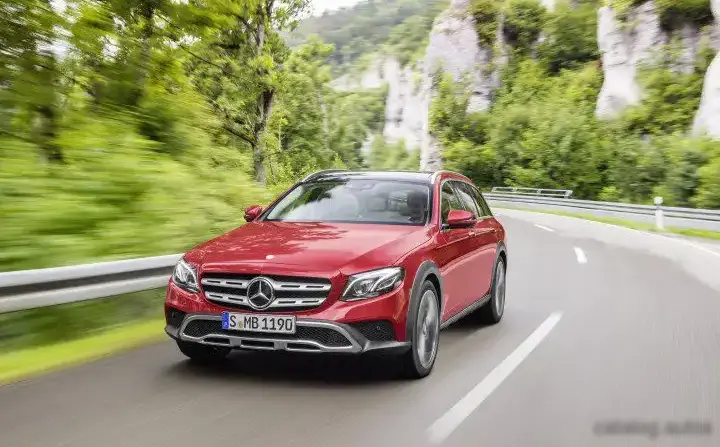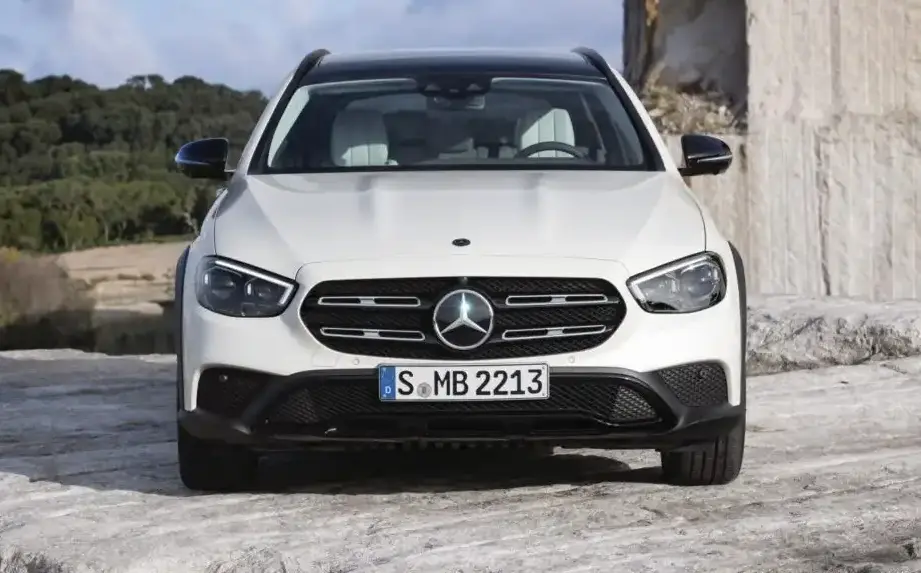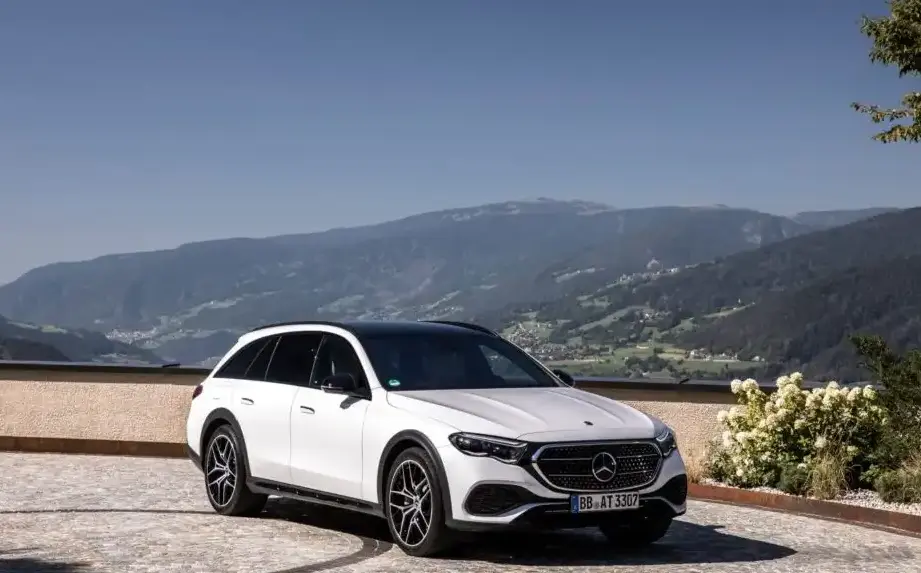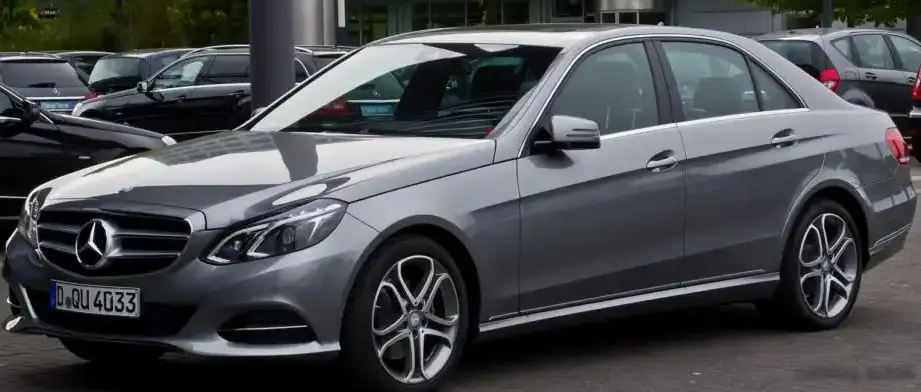
The Mercedes-Benz E 200 (W212 facelift, produced from April 2013 to January 2016) represented a key entry point into the E-Class range for many buyers. Positioned as a more accessible alternative to the higher-powered E 250 and E 350 models, the E 200 combined a turbocharged four-cylinder engine with the smooth shifting 7G-TRONIC PLUS automatic transmission. This variant was primarily aimed at customers prioritizing fuel efficiency and a comfortable driving experience over outright performance, and was a popular choice in European and Asian markets where smaller displacement engines were favored. The W212 facelift brought significant styling and technological updates to the E-Class, enhancing its appeal and competitiveness.
Technical Specifications
| Brand | Mercedes-Benz |
| Model | E-class |
| Generation | E-class (W212, facelift 2013) |
| Type (Engine) | E 200 (184 Hp) 7G-TRONIC PLUS |
| Start of production | April, 2013 |
| End of production | January, 2016 |
| Powertrain Architecture | Internal Combustion engine |
| Body type | Sedan |
| Seats | 5 |
| Doors | 4 |
| Fuel consumption (urban) | 7.5-7.7 l/100 km (31.4 – 30.5 US mpg) |
| Fuel consumption (extra urban) | 4.8-5.1 l/100 km (49 – 46.1 US mpg) |
| Fuel consumption (combined) | 5.8-6.1 l/100 km (40.6 – 38.6 US mpg) |
| CO2 emissions | 135-142 g/km |
| Fuel Type | Petrol (Gasoline) |
| Acceleration 0 – 100 km/h | 7.9 sec |
| Acceleration 0 – 62 mph | 7.9 sec |
| Acceleration 0 – 60 mph | 7.5 sec |
| Maximum speed | 233 km/h (144.78 mph) |
| Emission standard | Euro 6 |
| Weight-to-power ratio | 8.6 kg/Hp |
| Weight-to-torque ratio | 5.3 kg/Nm |
| Power | 184 Hp @ 5500 rpm |
| Torque | 300 Nm @ 1200-4000 rpm (221.27 lb.-ft. @ 1200-4000 rpm) |
| Engine layout | Front, Longitudinal |
| Engine Model/Code | M 274.920 |
| Engine displacement | 1991 cm3 (121.5 cu. in.) |
| Number of cylinders | 4 |
| Engine configuration | Inline |
| Cylinder Bore | 83 mm (3.27 in.) |
| Piston Stroke | 92 mm (3.62 in.) |
| Compression ratio | 9.8:1 |
| Number of valves per cylinder | 4 |
| Fuel injection system | Direct injection |
| Engine aspiration | Turbocharger, Intercooler |
| Valvetrain | DOHC |
| Engine oil capacity | 6.3 l (6.66 US qt | 5.54 UK qt) |
| Coolant capacity | 8.5 l (8.98 US qt | 7.48 UK qt) |
| Kerb Weight | 1580 kg (3483.3 lbs.) |
| Max. weight | 2210 kg (4872.22 lbs.) |
| Max load | 630 kg (1388.91 lbs.) |
| Trunk (boot) space (minimum) | 540 l (19.07 cu. ft.) |
| Fuel tank capacity | 59 l (15.59 US gal | 12.98 UK gal) |
| Max. roof load | 100 kg (220.46 lbs.) |
| Permitted trailer load (with brakes) | 1900 kg (4188.78 lbs.) |
| Permitted trailer load (without brakes) | 750 kg (1653.47 lbs.) |
| Permitted towbar download | 84 kg (185.19 lbs.) |
| Length | 4879 mm (192.09 in.) |
| Width | 1854 mm (72.99 in.) |
| Width including mirrors | 2071 mm (81.54 in.) |
| Height | 1474 mm (58.03 in.) |
| Wheelbase | 2874 mm (113.15 in.) |
| Front track | 1598 mm (62.91 in.) |
| Rear track | 1614 mm (63.54 in.) |
| Front overhang | 849 mm (33.43 in.) |
| Rear overhang | 1156 mm (45.51 in.) |
| Drag coefficient (Cd) | 0.26 |
| Minimum turning circle | 11.28 m (37.01 ft.) |
| Drivetrain Architecture | Rear wheel drive |
| Number of gears and type of gearbox | 7 gears, automatic transmission G-TRONIC PLUS |
| Front suspension | Coil spring, Independent multi-link suspension, Transverse stabilizer, Air Suspension – Optional |
| Rear suspension | Independent multi-link spring suspension with stabilizer, Air Suspension – Optional |
| Front brakes | Ventilated discs |
| Rear brakes | Disc |
Powertrain & Engine Architecture
The E 200 utilized Mercedes-Benz’s M274.920 2.0-liter inline-four cylinder engine. This engine was a member of the modular M274 family, known for its compact design and efficiency. It featured direct fuel injection, a single turbocharger with an intercooler, and a double overhead camshaft (DOHC) valvetrain with four valves per cylinder. The engine produced 184 horsepower at 5500 rpm and 300 Nm (221 lb-ft) of torque between 1200 and 4000 rpm. The 7G-TRONIC PLUS automatic transmission, a seven-speed torque converter automatic, was standard. This transmission was renowned for its smooth and quick shifts, contributing to both fuel economy and driving comfort. The transmission featured a wide range of gear ratios optimized for both acceleration and highway cruising.
Driving Characteristics
The E 200 with the 7G-TRONIC PLUS offered a comfortable and refined driving experience. While not particularly sporty, the engine provided adequate power for everyday driving and highway overtaking. The 7.9-second 0-62 mph acceleration time was respectable for the class, though noticeably slower than the E 250 or E 350. The automatic transmission’s programming prioritized smooth shifts and fuel efficiency, sometimes resulting in a slight delay in response during aggressive acceleration. The gear ratios were well-chosen, providing good low-end torque for city driving and comfortable cruising at higher speeds. Compared to manual transmission versions (available in some markets with other engine options), the automatic E 200 prioritized ease of use over driver engagement.
Equipment & Trim Levels
The E 200 typically came standard with a generous amount of equipment, reflecting Mercedes-Benz’s commitment to luxury. Standard features included automatic climate control, a multi-function steering wheel, power-adjustable front seats, and a high-quality audio system. The interior upholstery was typically Artico leather (MB-Tex in some markets). Optional extras included leather upholstery, a panoramic sunroof, a navigation system, and advanced driver-assistance systems such as lane keeping assist and blind spot monitoring. Trim levels varied by market, but generally offered packages that bundled popular options together.
Chassis & Braking
The W212 E-Class featured a sophisticated chassis design. The E 200 utilized a coil spring, independent multi-link suspension at both the front and rear, providing a comfortable ride and good handling. Air suspension was available as an option, further enhancing ride quality. Braking duties were handled by ventilated discs at the front and solid discs at the rear. Anti-lock braking system (ABS) was standard, along with electronic brakeforce distribution. The steering was a rack-and-pinion system with electric power assistance.
Market Reception & Comparison
The E 200 was generally well-received by critics as a sensible and efficient option within the E-Class range. It was praised for its comfortable ride, refined interior, and fuel economy. However, some reviewers noted that the engine lacked the punch of the larger displacement engines. Compared to the E 250, the E 200 offered lower running costs but sacrificed performance. Against competitors like the BMW 520i and Audi A6 2.0 TFSI, the E 200 held its own in terms of refinement and technology, though the BMW often offered a more engaging driving experience.
Legacy
The M274 engine family, including the version used in the E 200, has proven to be relatively reliable, although preventative maintenance is crucial. Common issues include oil leaks and occasional turbocharger problems. The 7G-TRONIC PLUS transmission is also generally durable, but requires regular fluid changes. On the used car market, the E 200 represents a good value proposition for buyers seeking a comfortable and well-equipped luxury sedan at a reasonable price. Its fuel efficiency and relatively low maintenance costs make it an attractive option for those prioritizing practicality and affordability.