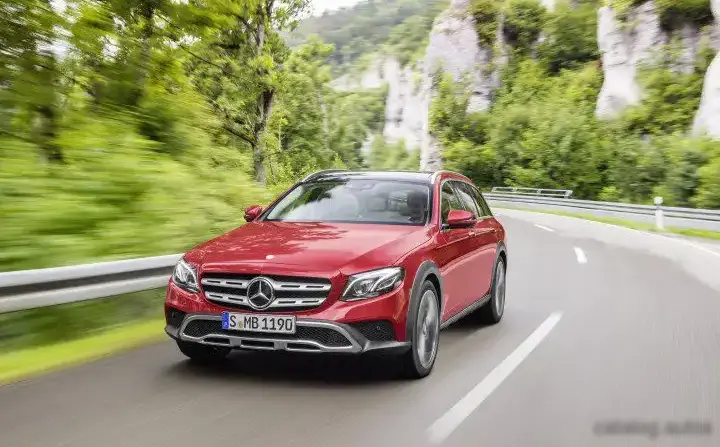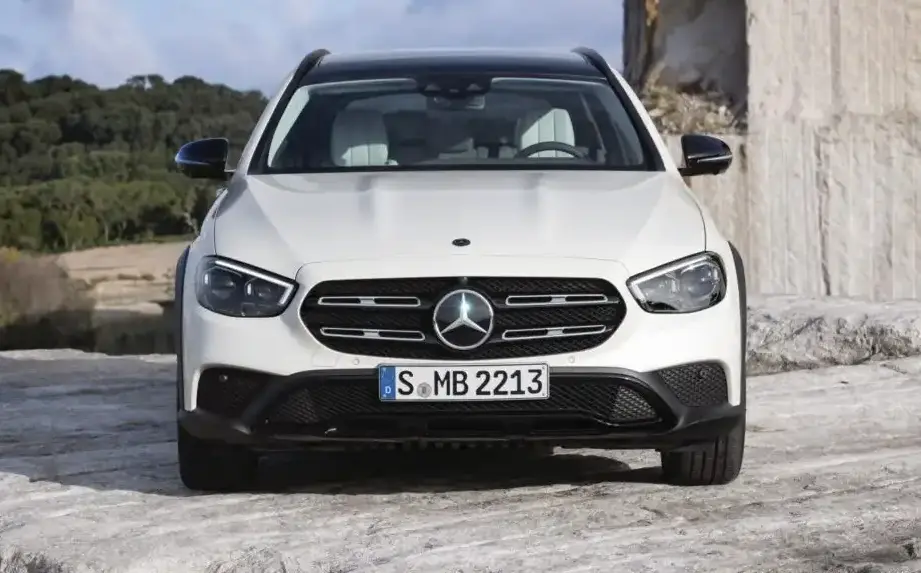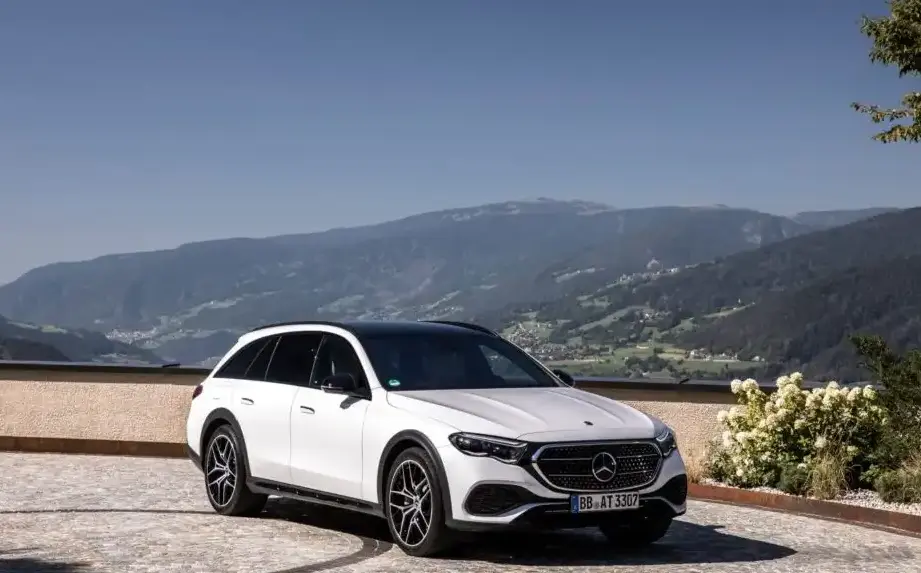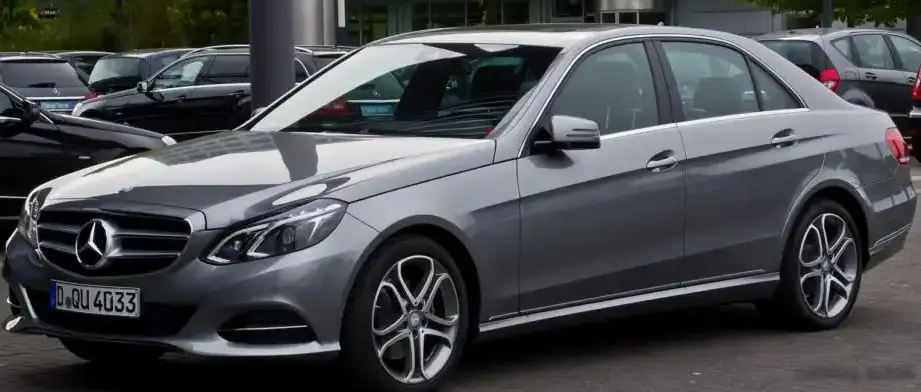
The Mercedes-Benz E 400 Hybrid, produced from 2013 to 2016 as part of the W212 facelift generation, represented a significant step in the brand’s commitment to fuel efficiency and performance. This variant combined a 3.5-liter V6 gasoline engine with an electric motor, creating a full hybrid (FHEV) powertrain. Positioned as a premium offering within the E-Class lineup, it aimed to deliver a balance of luxury, power, and reduced emissions. The E 400 Hybrid was primarily marketed in North America and Europe, catering to buyers seeking a sophisticated and technologically advanced sedan.
Technical Specifications
| Brand | Mercedes-Benz |
| Model | E-class |
| Generation | E-class (W212, facelift 2013) |
| Type (Engine) | E 400 V6 (329 Hp) Hybrid 7G-TRONIC PLUS |
| Start of production | 2013 |
| End of production | 2016 |
| Powertrain Architecture | FHEV (Full Hybrid Electric Vehicle) |
| Body type | Sedan |
| Seats | 5 |
| Doors | 4 |
| Fuel consumption (urban) | 9.8 l/100 km (24 US mpg) |
| Fuel consumption (extra urban) | 7.8 l/100 km (30.2 US mpg) |
| Fuel consumption (combined) | 9 l/100 km (26.1 US mpg) |
| Fuel Type | Petrol (Gasoline) |
| Maximum speed | 210 km/h (130.49 mph) |
| Emission standard | PZEV |
| Weight-to-power ratio | 5.8 kg/Hp |
| Weight-to-torque ratio | 5.1 kg/Nm |
| Battery voltage | 120 V |
| Battery technology | Lithium-ion (Li-Ion) |
| Electric motor power | 27 Hp |
| Electric motor Torque | 250 Nm @ 0 rpm (184.39 lb.-ft.) |
| Electric motor location | Between the combustion engine and the transmission |
| Electric motor type | Synchronous |
| System power | 329 Hp |
| Internal combustion engine power | 302 Hp |
| Power per litre | 86.3 Hp/l |
| Torque | 370 Nm (272.9 lb.-ft.) |
| Maximum engine speed | 7000 rpm |
| Engine layout | Front, Longitudinal |
| Engine Model/Code | M 276.952 |
| Engine displacement | 3498 cm3 (213.46 cu. in.) |
| Number of cylinders | 6 |
| Engine configuration | V-engine |
| Cylinder Bore | 92.9 mm (3.66 in.) |
| Piston Stroke | 86 mm (3.39 in.) |
| Compression ratio | 12:1 |
| Number of valves per cylinder | 4 |
| Fuel injection system | Direct injection |
| Engine aspiration | Naturally aspirated engine |
| Valvetrain | DOHC |
| Engine oil capacity | 6.5 l (6.87 US qt | 5.72 UK qt) |
| Kerb Weight | 1900-2000 kg (4188.78 – 4409.25 lbs.) |
| Trunk (boot) space | 450 l (15.89 cu. ft.) |
| Fuel tank capacity | 80 l (21.13 US gal | 17.6 UK gal) |
| Length | 4879 mm (192.09 in.) |
| Width | 1854 mm (72.99 in.) |
| Width including mirrors | 2071 mm (81.54 in.) |
| Height | 1450 mm (57.09 in.) |
| Wheelbase | 2874 mm (113.15 in.) |
| Front track | 1600 mm (62.99 in.) |
| Rear track | 1618 mm (63.7 in.) |
| Ride height (ground clearance) | 146 mm (5.75 in.) |
| Drag coefficient (Cd) | 0.27 |
| Minimum turning circle | 11.28 m (37.01 ft.) |
| Drivetrain Architecture | Rear wheel drive. FHEV. ICE and electric motor drive rear wheels. |
| Number of gears | 7 |
| Gearbox type | Automatic transmission G-TRONIC PLUS |
| Front suspension | Coil spring, Independent multi-link, Transverse stabilizer |
| Rear suspension | Independent multi-link spring, Stabilizer |
| Front brakes | Ventilated discs, 322×32 mm |
| Rear brakes | Ventilated discs, 300×22 mm |
INTRODUCTION
The Mercedes-Benz E 400 Hybrid, launched in 2013 as part of the W212 facelift, was a significant addition to the E-Class range. Built on the 1HX0/A3 platform, it aimed to bridge the gap between performance and efficiency. The facelift brought updated styling, improved technology, and the introduction of this hybrid variant. It was positioned above the E 350 in terms of price and technology, but below the more performance-oriented AMG models. The E 400 Hybrid was designed to appeal to buyers who wanted a luxurious and refined driving experience without sacrificing fuel economy.
Powertrain & Engine Architecture
At the heart of the E 400 Hybrid lies the M 276.952 3.5-liter V6 gasoline engine. This engine utilizes direct fuel injection and a dual overhead camshaft (DOHC) valvetrain. The engine produces 302 horsepower and 370 Nm (272.9 lb-ft) of torque. Coupled with the electric motor, the total system output reaches 329 horsepower. The electric motor, a 27 horsepower synchronous unit, delivers 250 Nm (184.39 lb-ft) of torque directly from 0 rpm, providing instant responsiveness. The 120V lithium-ion battery pack is strategically located between the engine and the transmission. The powertrain is managed by Mercedes-Benz’s 7G-TRONIC PLUS seven-speed automatic transmission, optimized for smooth and efficient gear changes. This transmission features a torque converter lock-up clutch to minimize energy loss. The Start & Stop system further enhances fuel efficiency by automatically shutting off the engine when the vehicle is stationary.
Driving Characteristics
The E 400 Hybrid offers a unique driving experience. The electric motor provides immediate torque, resulting in brisk acceleration from a standstill. In hybrid mode, the system seamlessly switches between the gasoline engine and electric motor, or combines both for optimal performance. The 7G-TRONIC PLUS transmission is tuned for comfort and efficiency, with gear ratios optimized for both city and highway driving. Compared to the standard E 350, the Hybrid offers similar acceleration but with improved fuel economy. While not as sporty as the E 400 with the standard V6, the hybrid system provides a refined and responsive driving experience. The electric motor assists during acceleration, reducing the load on the gasoline engine and improving overall efficiency. The car can operate in full electric mode at lower speeds and for short distances, further reducing emissions.
Equipment & Trim Levels
The E 400 Hybrid came standard with a comprehensive list of features, reflecting its premium positioning. Interior appointments included leather upholstery, wood trim, and a high-quality audio system. Standard equipment also included dual-zone automatic climate control, power-adjustable front seats with memory function, and a rearview camera. Optional extras included a panoramic sunroof, premium sound system, driver assistance package (including blind spot monitoring and lane keeping assist), and a navigation system. The dashboard configuration was typical of the W212 facelift, featuring a central display screen and intuitive controls. Exterior features included alloy wheels, chrome accents, and distinctive hybrid badging.
Chassis & Braking
The E 400 Hybrid utilizes a coil spring, independent multi-link suspension system at both the front and rear, enhanced with a transverse stabilizer bar. This setup provides a comfortable ride and precise handling. The suspension is tuned to accommodate the added weight of the hybrid components without compromising ride quality. Braking duties are handled by ventilated disc brakes on all four wheels, measuring 322×32 mm at the front and 300×22 mm at the rear. The car is equipped with ABS (Anti-lock Braking System) and electronic stability control for enhanced safety. The electric motor also contributes to regenerative braking, capturing energy during deceleration and storing it in the battery pack.
Market Reception & Comparison
The E 400 Hybrid was generally well-received by critics, who praised its fuel efficiency, refined driving experience, and luxurious interior. Compared to the standard E 350, the Hybrid offered a noticeable improvement in fuel economy, particularly in city driving. However, the Hybrid commanded a higher price tag. Compared to other hybrid sedans on the market, the E 400 Hybrid stood out for its combination of luxury, performance, and technology. Some critics noted that the hybrid system added weight to the vehicle, slightly impacting handling compared to the lighter E 350. However, the overall driving experience remained positive.
Legacy
The Mercedes-Benz E 400 Hybrid represents an important step in the brand’s transition towards electrification. While not a plug-in hybrid, it demonstrated Mercedes-Benz’s commitment to developing fuel-efficient and environmentally friendly vehicles. The powertrain, while complex, proved to be relatively reliable in real-world use. On the used car market, the E 400 Hybrid remains a desirable option for buyers seeking a luxurious and fuel-efficient sedan. Maintenance costs can be slightly higher due to the hybrid components, but the long-term benefits of improved fuel economy and reduced emissions often outweigh these costs. The technology introduced in the E 400 Hybrid paved the way for future generations of Mercedes-Benz hybrid and electric vehicles.