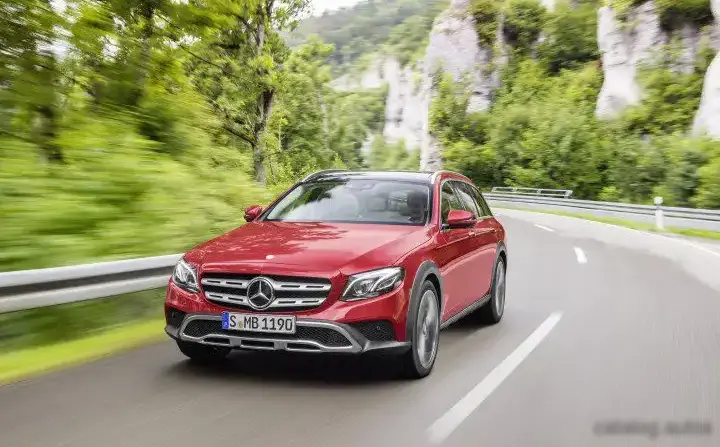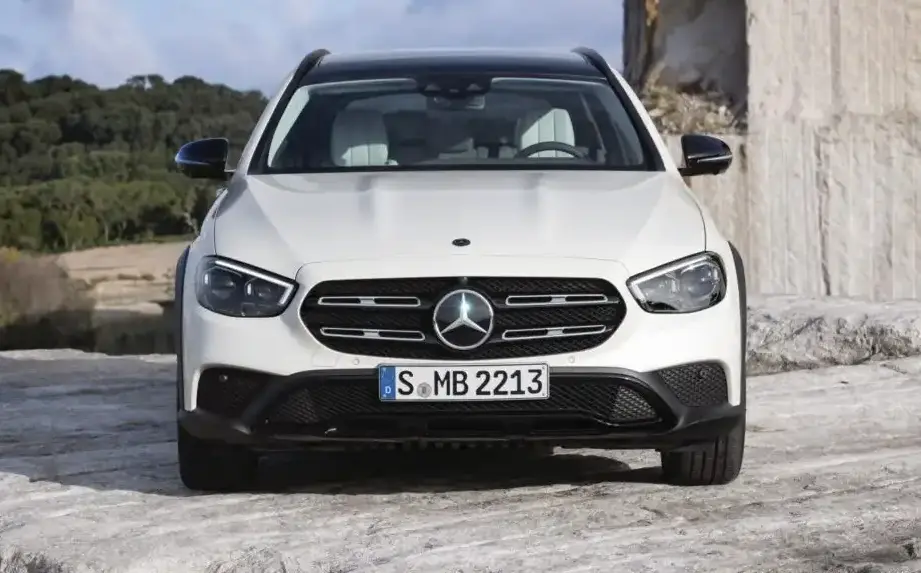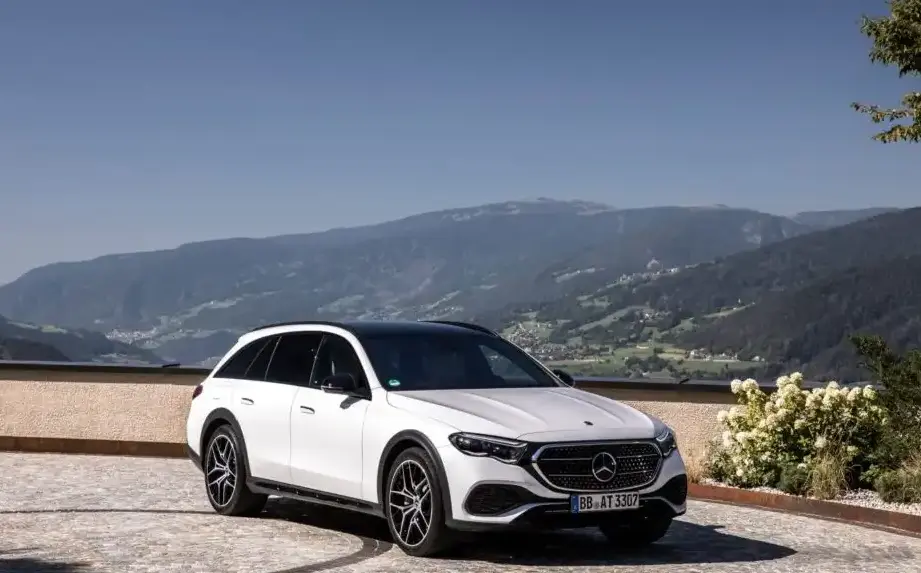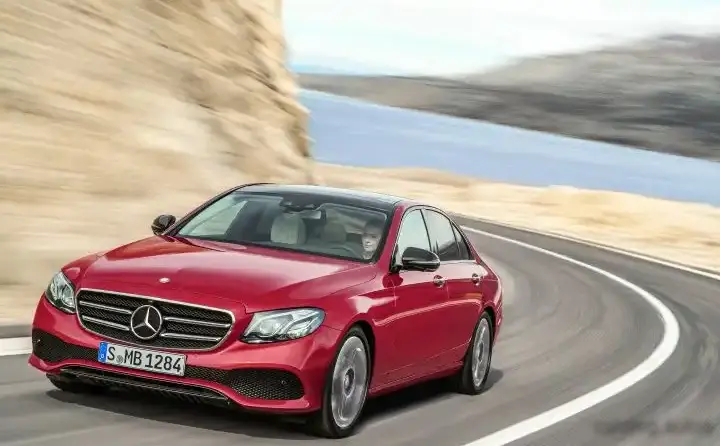
The Mercedes-Benz E 43 4MATIC, produced from July 2016 to April 2018, represented a significant entry point into the high-performance world of the W213 E-Class. Positioned between the standard E-Class models and the full-fledged AMG E 63, the E 43 aimed to deliver a blend of luxury, performance, and everyday usability. It was a key offering for buyers seeking a sportier driving experience without the extreme price tag or track-focused nature of the higher-tier AMG models. The E 43 utilized Mercedes-Benz’s 4MATIC all-wheel-drive system and a sophisticated 9G-TRONIC nine-speed automatic transmission, making it a capable performer in various conditions.
Technical Specifications
| Brand | Mercedes-Benz |
| Model | E-class |
| Generation | E-class (W213) |
| Type | AMG E 43 (401 Hp) 4MATIC 9G-TRONIC |
| Start of production | July, 2016 |
| End of production | April, 2018 |
| Powertrain Architecture | Internal Combustion engine |
| Body type | Sedan |
| Seats | 5 |
| Doors | 4 |
| Fuel consumption (urban) | 11.0-10.9 l/100 km (21.4 – 21.6 US mpg) |
| Fuel consumption (extra urban) | 6.8-6.7 l/100 km (34.6 – 35.1 US mpg) |
| Fuel consumption (combined) | 8.4-8.2 l/100 km (28 – 28.7 US mpg) |
| CO2 emissions | 192-187 g/km |
| Fuel Type | Petrol (Gasoline) |
| Acceleration 0 – 100 km/h | 4.6 sec |
| Acceleration 0 – 62 mph | 4.6 sec |
| Acceleration 0 – 60 mph | 4.4 sec |
| Maximum speed | 250 km/h (155.34 mph) |
| Emission standard | Euro 6 |
| Weight-to-power ratio | 4.4 kg/Hp |
| Weight-to-torque ratio | 3.4 kg/Nm |
| Power | 401 Hp @ 6100 rpm |
| Torque | 520 Nm @ 2500-5000 rpm (383.53 lb.-ft. @ 2500-5000 rpm) |
| Engine layout | Front, Longitudinal |
| Engine Model/Code | M 276.823 |
| Engine displacement | 2996 cm3 (182.83 cu. in.) |
| Number of cylinders | 6 |
| Engine configuration | V-engine |
| Compression ratio | 10.7:1 |
| Fuel injection system | Direct injection |
| Engine aspiration | BiTurbo, Intercooler |
| Engine oil capacity | 6.5 l (6.87 US qt | 5.72 UK qt) |
| Coolant capacity | 12 l (12.68 US qt | 10.56 UK qt) |
| Kerb Weight | 1765 kg (3891.16 lbs.) |
| Max. weight | 2415 kg (5324.16 lbs.) |
| Max load | 650 kg (1433 lbs.) |
| Fuel tank capacity | 66 l (17.44 US gal | 14.52 UK gal) |
| Max. roof load | 100 kg (220.46 lbs.) |
| Permitted trailer load with brakes (12%) | 2100 kg (4629.71 lbs.) |
| Permitted trailer load without brakes | 750 kg (1653.47 lbs.) |
| Length | 4923 mm (193.82 in.) |
| Width | 1852 mm (72.91 in.) |
| Width including mirrors | 2065 mm (81.3 in.) |
| Height | 1468 mm (57.8 in.) |
| Wheelbase | 2939 mm (115.71 in.) |
| Rear (Back) track | 1619 mm (63.74 in.) |
| Front overhang | 841 mm (33.11 in.) |
| Rear overhang | 1143 mm (45 in.) |
| Drag coefficient (Cd) | 0.32 |
| Minimum turning circle | 12.50 m (41.01 ft.) |
| Drive wheel | All wheel drive (4×4) |
| Number of gears | 9 |
| Gearbox type | automatic transmission G-TRONIC |
| Front suspension | Independent multi-link suspension |
| Rear suspension | Independent multi-link suspension |
| Front brakes | Ventilated discs |
| Rear brakes | Ventilated discs |
| Assisting systems | ABS (Anti-lock braking system) |
| Steering type | Steering rack and pinion |
| Power steering | Electric Steering |
| Tires size | 245/40 R19; 275/35 R19 |
| Wheel rims size | 19 |
Powertrain & Engine Architecture
The heart of the E 43 was the M276.823 3.0-liter V6 engine. This engine was not a completely new design, but rather an evolution of Mercedes-Benz’s existing V6 architecture, significantly enhanced by AMG. It featured direct fuel injection and twin-scroll turbochargers, one for each cylinder bank, to minimize turbo lag and maximize responsiveness. The engine produced 401 horsepower at 6,100 rpm and 383 lb-ft of torque between 2,500 and 5,000 rpm. The 9G-TRONIC nine-speed automatic transmission was specifically tuned for the E 43, offering quicker shift times and a more engaging driving experience than the standard E-Class transmission. The transmission’s wide gear ratio spread contributed to both performance and fuel efficiency.
Driving Characteristics
The E 43 delivered a noticeably sportier driving experience compared to the standard E-Class. The combination of the turbocharged V6, all-wheel drive, and the responsive 9G-TRONIC transmission resulted in a 0-60 mph time of around 4.4 seconds. While not as brutally fast as the E 63, the E 43 offered ample power for everyday driving and spirited weekend excursions. The 4MATIC system provided excellent traction, particularly in inclement weather. The suspension was also tuned for performance, offering a firmer ride than the standard E-Class, but without sacrificing too much comfort. The steering was precise and well-weighted, providing good feedback to the driver.
Equipment & Trim Levels
The E 43 came standard with a generous array of features, including leather upholstery, heated and ventilated front seats, a premium sound system, and a comprehensive suite of safety technologies. The interior typically featured AMG-specific styling cues, such as a flat-bottom steering wheel and unique instrument cluster graphics. Optional extras included a head-up display, a panoramic sunroof, and advanced driver-assistance systems like adaptive cruise control and lane-keeping assist. Exterior styling enhancements included AMG body styling, larger wheels, and quad exhaust outlets.
Chassis & Braking
The E 43 featured a sport-tuned suspension with stiffer springs and dampers compared to the standard E-Class. It also benefited from a larger stabilizer bar to reduce body roll during cornering. The braking system consisted of ventilated discs on all four wheels, providing ample stopping power. The AMG-tuned braking system offered improved fade resistance compared to the standard E-Class brakes. The 4MATIC all-wheel-drive system was rear-biased, sending more power to the rear wheels for a more engaging driving experience.
Market Reception & Comparison
The E 43 was generally well-received by automotive critics. It was praised for its blend of performance, luxury, and practicality. Compared to the standard E-Class models, the E 43 offered a significant performance upgrade. Compared to the E 63, it provided a more accessible entry point into the AMG world, with a lower price tag and a slightly more comfortable ride. Fuel economy was respectable for a performance sedan, averaging around 28 mpg in combined driving. Reliability was generally good, although some owners reported minor issues with the electronics.
Legacy
The E 43 represented a transitional model for Mercedes-AMG, bridging the gap between the standard E-Class and the full-fledged AMG models. While it was relatively short-lived, the E 43 established a formula that would be continued in subsequent AMG 43 models. On the used car market, the E 43 remains a desirable option for buyers seeking a sporty and luxurious sedan. The M276 engine, while complex, has proven to be relatively reliable with proper maintenance. The 9G-TRONIC transmission is also known for its smoothness and durability. The E 43’s combination of performance, features, and value makes it a compelling choice in the used luxury sedan segment.