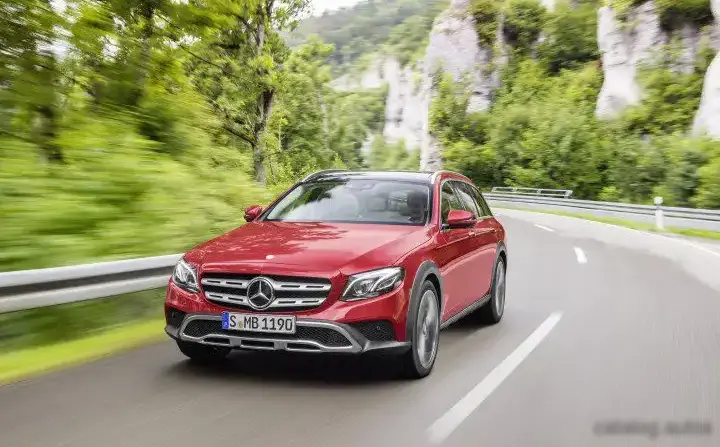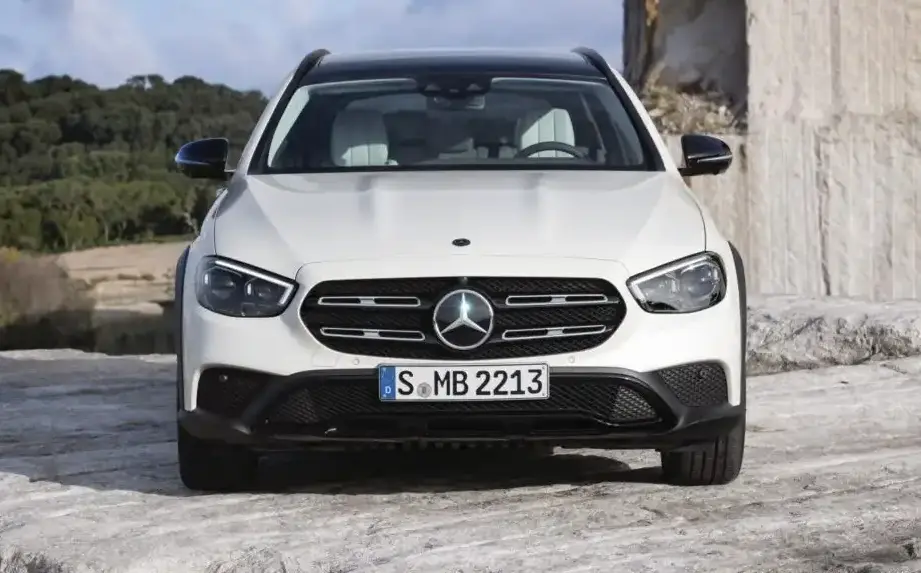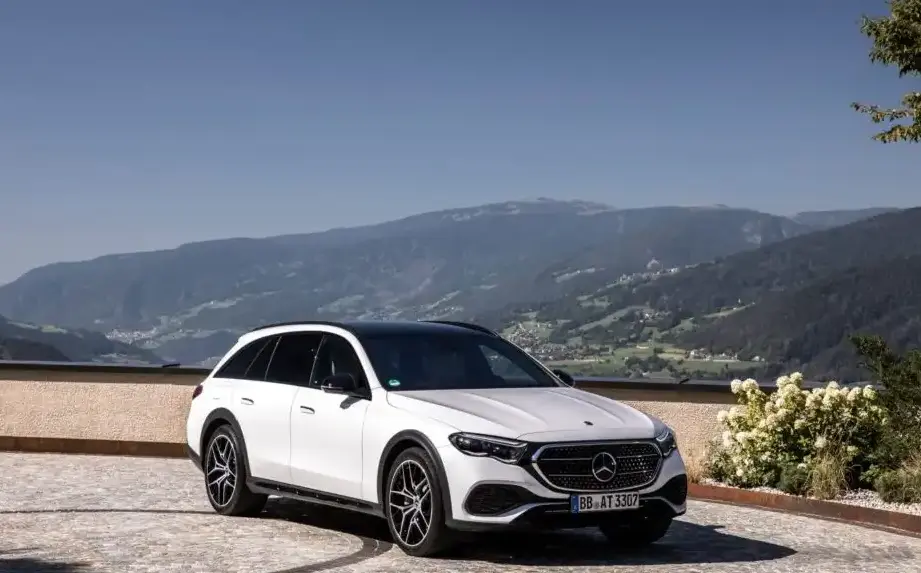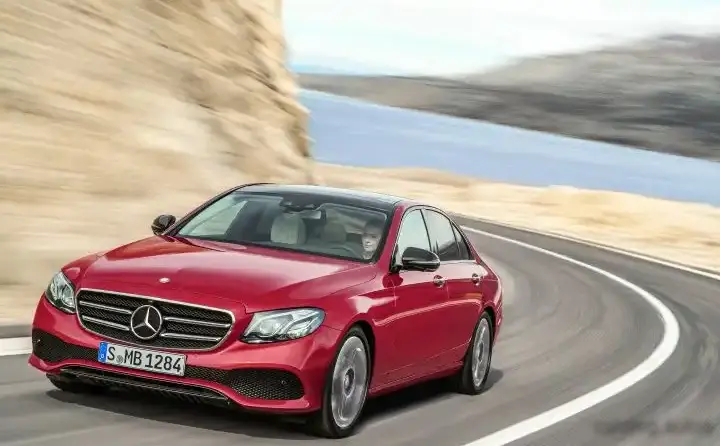
The Mercedes-Benz E 53 AMG, produced from April 2018 to 2020 as part of the W213 E-Class generation, represents a performance-oriented mid-range offering within the broader E-Class lineup. Positioned between the standard E-Class models and the more potent E 63 AMG, the E 53 introduced Mercedes-AMG’s 48V mild-hybrid EQ Boost technology to the E-Class range. This variant aimed to deliver a blend of performance, efficiency, and sophisticated technology, appealing to buyers seeking a sporty driving experience without the full commitment of the flagship AMG model. It served as a bridge, offering a taste of the AMG experience to a wider audience.
Technical Specifications
| Brand | Mercedes-Benz |
| Model | E-class |
| Generation | E-class (W213) |
| Type | AMG E 53 (435 Hp) EQ Boost 4MATIC+ AMG SPEEDSHIFT TCT |
| Start of production | April, 2018 |
| End of production | 2020 |
| Powertrain Architecture | MHEV (Mild Hybrid Electric Vehicle) |
| Body type | Sedan |
| Seats | 5 |
| Doors | 4 |
| Fuel consumption at Low speed (WLTP) | 9 l/100 km (26.1 US mpg, 31.4 UK mpg, 11.1 km/l) |
| Fuel consumption at very high speed (WLTP) | 9.5 l/100 km (24.8 US mpg, 29.7 UK mpg, 10.5 km/l) |
| CO2 emissions (WLTP) | 204-215 g/km |
| Fuel consumption (economy) – urban | 11.4-11.5 l/100 km (20.6 – 20.5 US mpg, 24.8 – 24.6 UK mpg, 8.8 – 8.7 km/l) |
| Fuel consumption (economy) – extra urban | 7.0-7.2 l/100 km (33.6 – 32.7 US mpg, 40.4 – 39.2 UK mpg, 14.3 – 13.9 km/l) |
| Fuel consumption (economy) – combined | 8.6-8.7 l/100 km (27.4 – 27 US mpg, 32.8 – 32.5 UK mpg, 11.6 – 11.5 km/l) |
| CO2 emissions | 200 g/km |
| Fuel Type | Petrol (Gasoline) |
| Acceleration 0 – 100 km/h | 4.5 sec |
| Acceleration 0 – 62 mph | 4.5 sec |
| Acceleration 0 – 60 mph | 4.3 sec |
| Maximum speed | 250 km/h (155.34 mph), Electronically limited |
| Emission standard | Euro 6d -TEMP |
| Weight-to-power ratio | 4.3 kg/Hp, 232.6 Hp/tonne |
| Weight-to-torque ratio | 3.6 kg/Nm, 278.1 Nm/tonne |
| Gross battery capacity | 0.9 kWh |
| Battery voltage | 48 V |
| Battery technology | Lithium-ion (Li-Ion) |
| Electric motor power | 22 Hp |
| Electric motor Torque | 250 Nm (184.39 lb.-ft.) |
| Electric motor location | Between the combustion engine and the transmission |
| Power | 435 Hp @ 6100 rpm |
| Torque | 520 Nm @ 1800-5800 rpm (383.53 lb.-ft. @ 1800-5800 rpm) |
| Engine layout | Front, Longitudinal |
| Engine Model/Code | M 256.930 |
| Engine displacement | 2999 cm3 (183.01 cu. in.) |
| Number of cylinders | 6 |
| Engine configuration | Inline |
| Cylinder Bore | 83 mm (3.27 in.) |
| Piston Stroke | 92.4 mm (3.64 in.) |
| Compression ratio | 10.5:1 |
| Number of valves per cylinder | 4 |
| Fuel injection system | Direct injection |
| Engine aspiration | Turbocharger and Electric Powered Compressor, Intercooler |
| Valvetrain | DOHC |
| Engine oil capacity | 8.5 l (8.98 US qt | 7.48 UK qt) |
| Coolant | 14 l (14.79 US qt | 12.32 UK qt) |
| Kerb Weight | 1870 kg (4122.64 lbs.) |
| Max. weight | 2495 kg (5500.53 lbs.) |
| Max load | 625 kg (1377.89 lbs.) |
| Trunk (boot) space – minimum | 540 l (19.07 cu. ft.) |
| Fuel tank capacity | 66 l (17.44 US gal | 14.52 UK gal) |
| Permitted trailer load with brakes (12%) | 1900 kg (4188.78 lbs.) |
| Permitted trailer load without brakes | 750 kg (1653.47 lbs.) |
| Length | 4942 mm (194.57 in.) |
| Width | 1852 mm (72.91 in.) |
| Width including mirrors | 2065 mm (81.3 in.) |
| Height | 1447 mm (56.97 in.) |
| Wheelbase | 2939 mm (115.71 in.) |
| Front track | 1628 mm (64.09 in.) |
| Front overhang | 853 mm (33.58 in.) |
| Rear overhang | 1150 mm (45.28 in.) |
| Ride height (ground clearance) | 114 mm (4.49 in.) |
| Minimum turning circle (turning diameter) | 12.50 m (41.01 ft.) |
| Front brakes | Ventilated discs |
| Rear brakes | Ventilated discs |
| Gearbox | 9 gears, automatic transmission AMG SPEEDSHIFT TCT |
INTRODUCTION
The Mercedes-AMG E 53, launched in 2018, marked a significant step in the evolution of the E-Class. It represented the first application of AMG’s 48V mild-hybrid system, known as EQ Boost, to a core E-Class model. Built on the W213 platform (shared with the C-Class and GLC), the E 53 aimed to provide a more accessible entry point into the AMG performance world, offering a compelling alternative to the more focused and expensive E 63. The E 53 was available as a sedan, coupe, and wagon, catering to a diverse range of customer preferences. This variant filled a gap in the market for buyers desiring a sporty and technologically advanced E-Class without the extreme performance characteristics of the full-fledged AMG models.
Powertrain & Engine Architecture
At the heart of the E 53 lies the M 256 3.0-liter inline-six cylinder engine, a departure from the traditional AMG V8s. This engine, designated M 256.930, utilizes a sophisticated combination of technologies including direct injection, a twin-scroll turbocharger, and the innovative EQ Boost system. The EQ Boost system incorporates a 48V integrated starter-generator (ISG) which adds 21 horsepower and 250 Nm (184 lb-ft) of torque, providing electric assistance during acceleration and smoothing out the engine’s start-stop function. The engine’s valvetrain features a double overhead camshaft (DOHC) design with four valves per cylinder. The AMG SPEEDSHIFT TCT 9-speed automatic transmission is specifically tuned for performance, offering quick and precise gear changes. This transmission is designed to work seamlessly with the EQ Boost system, optimizing power delivery and efficiency.
Driving Characteristics
The E 53 delivers a refined yet engaging driving experience. The combination of the turbocharged inline-six and the EQ Boost system results in strong and readily available torque, providing brisk acceleration. While not as brutally fast as the E 63, the E 53’s 4.5-second 0-60 mph time is more than adequate for most drivers. The 9-speed automatic transmission contributes to smooth and efficient cruising, while also providing responsive downshifts when needed. The EQ Boost system subtly enhances the driving experience, filling in gaps in torque delivery and providing a noticeable boost during acceleration. Compared to the standard E-Class models, the E 53 offers a firmer suspension and more precise steering, enhancing its handling capabilities. However, it remains comfortable enough for everyday use, striking a balance between performance and practicality.
Equipment & Trim Levels
The E 53 came well-equipped as standard, reflecting its position as a premium performance model. Standard features typically included AMG-specific styling cues (body kit, wheels, interior trim), leather upholstery, heated and ventilated front seats, a premium sound system, and a comprehensive suite of driver-assistance technologies. Optional extras included a panoramic sunroof, advanced driver-assistance packages, and various interior customization options. The interior featured AMG sport seats, a flat-bottom steering wheel, and unique instrument cluster graphics. The overall ambiance was one of sporty luxury, with a focus on high-quality materials and meticulous craftsmanship.
Chassis & Braking
The E 53 features a sophisticated chassis designed to deliver both comfort and handling. It utilizes an independent multi-link suspension at both the front and rear, optimized for performance. The suspension is tuned to provide a firmer ride than the standard E-Class, while still maintaining a reasonable level of comfort. Braking duties are handled by ventilated discs at all four corners, providing ample stopping power. The AMG braking system, available as an option, offered even greater performance with larger rotors and calipers. The E 53’s 4MATIC+ all-wheel-drive system provides excellent traction in all weather conditions, enhancing its stability and control.
Market Reception & Comparison
The E 53 was generally well-received by automotive critics, who praised its blend of performance, efficiency, and technology. It was seen as a compelling alternative to the more expensive and hardcore E 63, offering a more accessible entry point into the AMG world. Compared to the E 450, the E 53 offered significantly more performance and a sportier driving experience. Fuel economy was respectable for a performance sedan, with combined figures ranging from 27-28 mpg. Reliability reports have been generally positive, with the M 256 engine proving to be a robust and dependable unit.
Legacy
The Mercedes-AMG E 53 played a pivotal role in expanding the AMG brand’s reach and introducing its mild-hybrid technology to a wider audience. The M 256 engine and EQ Boost system have since been adopted in other AMG models, demonstrating their success and versatility. On the used car market, the E 53 remains a desirable option for buyers seeking a sporty and technologically advanced luxury sedan. Its combination of performance, comfort, and features continues to appeal to a broad range of customers. The E 53’s relatively modern technology and robust powertrain suggest it will remain a reliable and enjoyable vehicle for years to come.