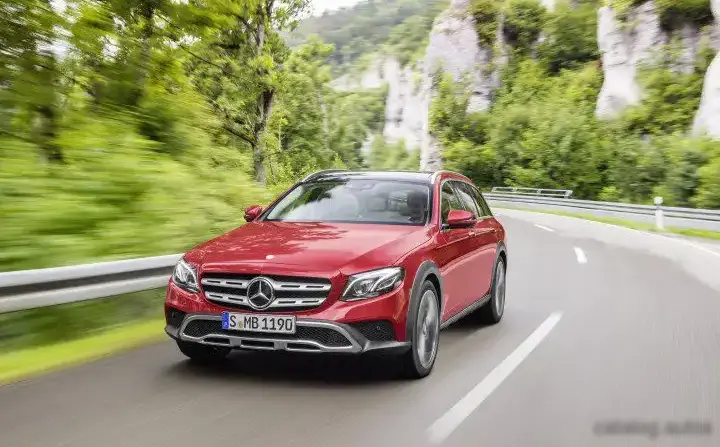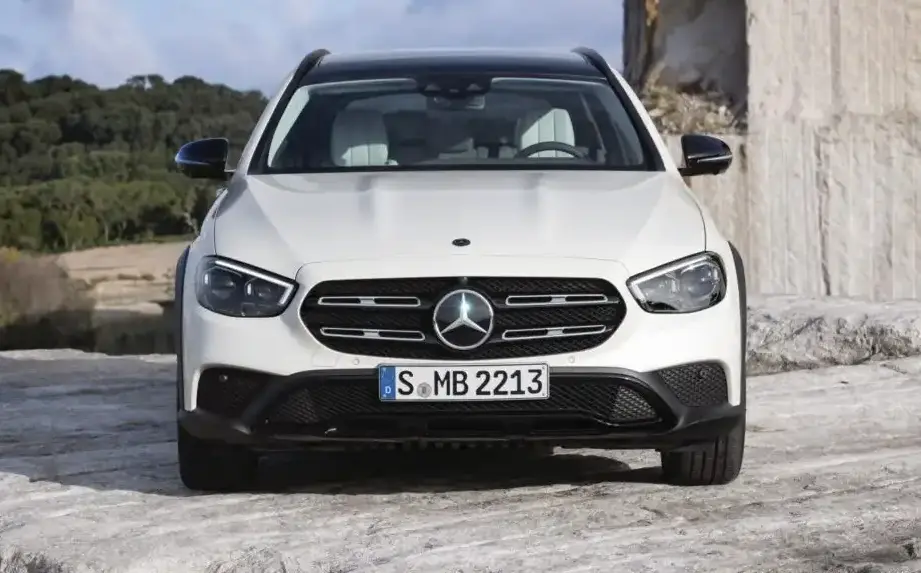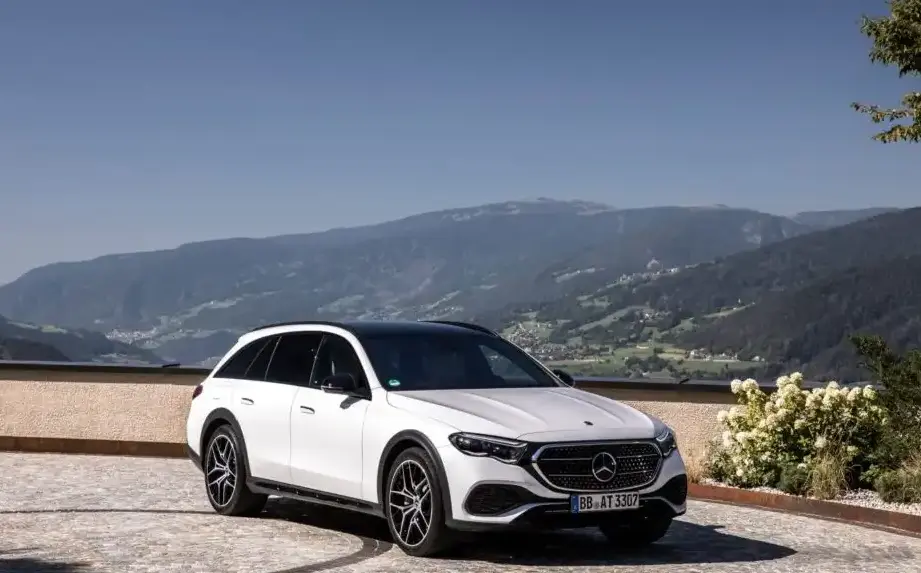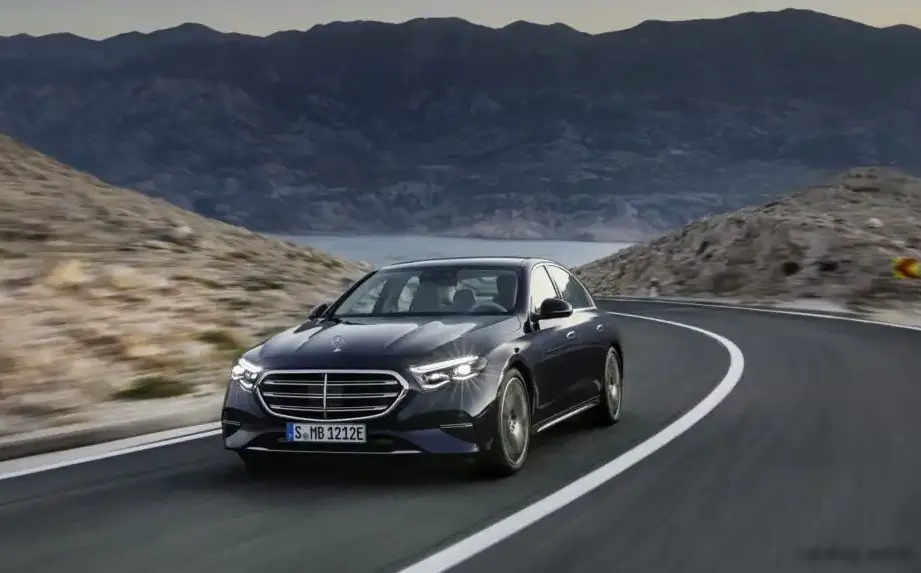
The Mercedes-Benz E 300e (313 Hp) Plug-in Hybrid 4MATIC, part of the W214 E-Class generation, represents a significant step in the brand’s electrification strategy. Introduced in April 2023, this variant combines a 2.0-liter turbocharged gasoline engine with an electric motor and a substantial battery pack, offering both all-electric driving capability and the extended range of a traditional internal combustion engine. Positioned as a mid-range offering within the W214 lineup, the E 300e aims to appeal to buyers seeking a balance between performance, efficiency, and environmental responsibility. It builds upon the established E-Class reputation for luxury and technology, adding a modern, eco-conscious dimension.
Technical Specifications
| Brand | Mercedes-Benz |
| Model | E-class |
| Generation | E-class (W214) |
| Type | E 300e (313 Hp) Plug-in Hybrid 4MATIC 9G-TRONIC |
| Start of production | April, 2023 |
| Powertrain Architecture | PHEV (Plug-in Hybrid Electric Vehicle) |
| Body type | Sedan |
| Seats | 5 |
| Doors | 4 |
| Combined fuel consumption (WLTP) | 0.6-0.9 l/100 km |
| CO2 emissions (WLTP) | 14-20 g/km |
| Fuel Type | Petrol / electricity |
| Acceleration 0 – 100 km/h | 6.5 sec |
| Acceleration 0 – 62 mph | 6.5 sec |
| Acceleration 0 – 60 mph | 6.2 sec |
| Maximum speed | 234 km/h (145.4 mph) |
| Emission standard | Euro 6 |
| Weight-to-power ratio | 7.2 kg/Hp |
| Weight-to-torque ratio | 4.1 kg/Nm |
| Gross battery capacity | 25.4 kWh |
| Battery technology | Lithium-ion (Li-Ion) |
| All-electric range (WLTP) | 95-109 km (59.03 – 67.73 mi) |
| Average Energy consumption (WLTP) | 19.2-21.6 kWh/100 km |
| Max speed (electric) | 140 km/h (86.99 mph) |
| Electric motor power | 129 Hp |
| Electric motor Torque | 440 Nm (324.53 lb.-ft.) |
| System power | 313 Hp |
| System torque | 550 Nm (405.66 lb.-ft.) |
| Power | 204 Hp @ 6100 rpm |
| Torque | 320 Nm @ 2000-4000 rpm (236.02 lb.-ft. @ 2000-4000 rpm) |
| Engine layout | Front, Longitudinal |
| Engine Model/Code | M 254 |
| Engine displacement | 1999 cm3 (121.99 cu. in.) |
| Number of cylinders | 4 |
| Engine configuration | Inline |
| Compression ratio | 10:1 |
| Number of valves per cylinder | 4 |
| Fuel injection system | Direct injection |
| Engine oil capacity | 5.3 l (5.6 US qt | 4.66 UK qt) |
| Kerb Weight | 2265 kg (4993.47 lbs.) |
| Max. weight | 2860 kg (6305.22 lbs.) |
| Max load | 595 kg (1311.75 lbs.) |
| Trunk (boot) space – minimum | 370 l (13.07 cu. ft.) |
| Fuel tank capacity | 50 l (13.21 US gal | 11 UK gal) |
| Length | 4949 mm (194.84 in.) |
| Width | 1880 mm (74.02 in.) |
| Height | 1480 mm (58.27 in.) |
| Wheelbase | 2961 mm (116.57 in.) |
| Number of gears and type of gearbox | 9 gears, automatic transmission G-TRONIC |
Powertrain & Engine Architecture
At the heart of the E 300e lies a 2.0-liter inline-four cylinder engine, internally designated as the M 254. This engine utilizes direct fuel injection and is coupled with a single turbocharger and intercooler, producing 204 horsepower at 6100 rpm and 320 Nm (236 lb-ft) of torque between 2000 and 4000 rpm. The electric motor, positioned between the engine and the 9G-TRONIC automatic transmission, contributes an additional 129 horsepower and 440 Nm (325 lb-ft) of torque. The combined system output reaches 313 horsepower and 550 Nm (406 lb-ft). The 9G-TRONIC transmission, a nine-speed automatic, is specifically calibrated for hybrid applications, optimizing gear selection for both fuel efficiency and performance. The 25.4 kWh lithium-ion battery pack provides a substantial all-electric range of 95-109 km (59-68 miles) according to WLTP standards.
Driving Characteristics
The E 300e offers a refined and versatile driving experience. In electric mode, the vehicle provides near-silent acceleration and responsive performance for typical urban commutes. Switching to hybrid mode seamlessly blends the power of the gasoline engine and electric motor, delivering brisk acceleration – 0 to 60 mph in approximately 6.2 seconds. The 9G-TRONIC transmission provides smooth and quick shifts, contributing to a comfortable ride. Compared to the non-hybrid E-Class models, the E 300e prioritizes efficiency over outright performance, but the combined system output still provides ample power for highway overtaking and spirited driving. The weight of the battery pack does add some mass, slightly impacting handling agility compared to lighter E-Class variants.
Equipment & Trim Levels
The E 300e typically comes well-equipped, reflecting the E-Class’s reputation for luxury. Standard features generally include Mercedes-Benz User Experience (MBUX) infotainment system with a large touchscreen display, premium upholstery, automatic climate control, and a comprehensive suite of safety features such as adaptive cruise control, lane keeping assist, and automatic emergency braking. Optional extras often include upgraded sound systems, leather upholstery, a panoramic sunroof, and advanced driver-assistance systems. The interior design is modern and minimalist, emphasizing high-quality materials and intuitive controls. Specific trim levels may offer unique exterior styling elements and interior finishes.
Chassis & Braking
The E 300e utilizes a sophisticated suspension system designed to balance comfort and handling. The front suspension features coil springs and an independent multi-link setup with a transverse stabilizer, while the rear suspension employs an independent multi-link configuration with coil springs and a transverse stabilizer. Ventilated disc brakes are used on all four wheels, providing ample stopping power. The 4MATIC all-wheel-drive system ensures optimal traction in various weather conditions. The suspension tuning is generally geared towards comfort, but the system is capable of providing a stable and controlled ride during spirited driving.
Market Reception & Comparison
The E 300e has been generally well-received by automotive critics, praised for its impressive electric range, refined driving experience, and luxurious interior. Compared to other E-Class variants, the E 300e offers significantly better fuel economy and lower emissions, making it an attractive option for environmentally conscious buyers. However, the higher purchase price compared to gasoline-only models is a consideration. Against competitors like the BMW 330e and Audi A4 50 TFSI e, the E 300e stands out with its longer electric range and more spacious interior. Reliability reports are still emerging, but Mercedes-Benz’s reputation for build quality suggests a durable and dependable powertrain.
Legacy
The W214 E 300e represents a pivotal step in Mercedes-Benz’s transition towards electric mobility. The powertrain’s combination of a refined gasoline engine, powerful electric motor, and large battery pack sets a new standard for plug-in hybrid technology. While long-term reliability data is still being collected, the robust engineering and quality components suggest that the E 300e will hold its value well in the used car market. As demand for electric vehicles continues to grow, the E 300e is likely to become a sought-after model, offering a compelling blend of performance, efficiency, and luxury.