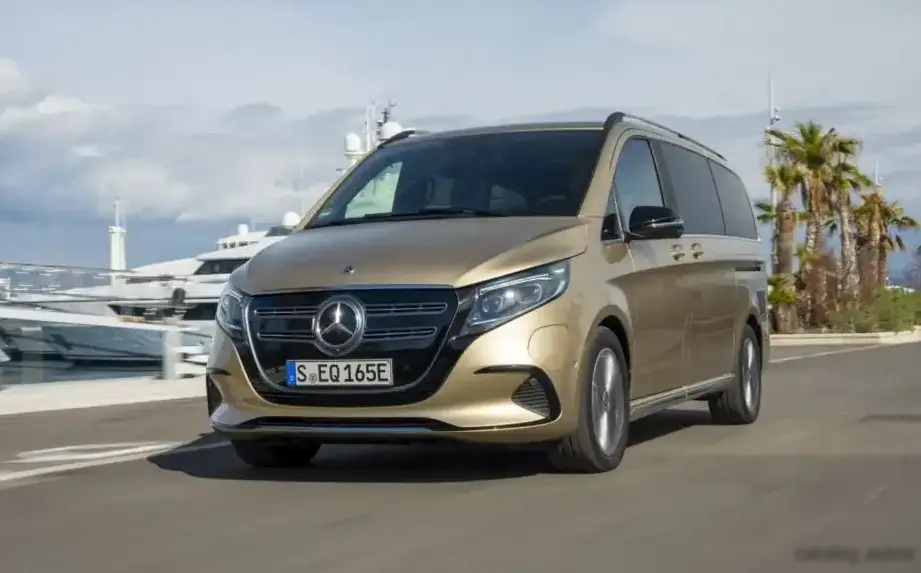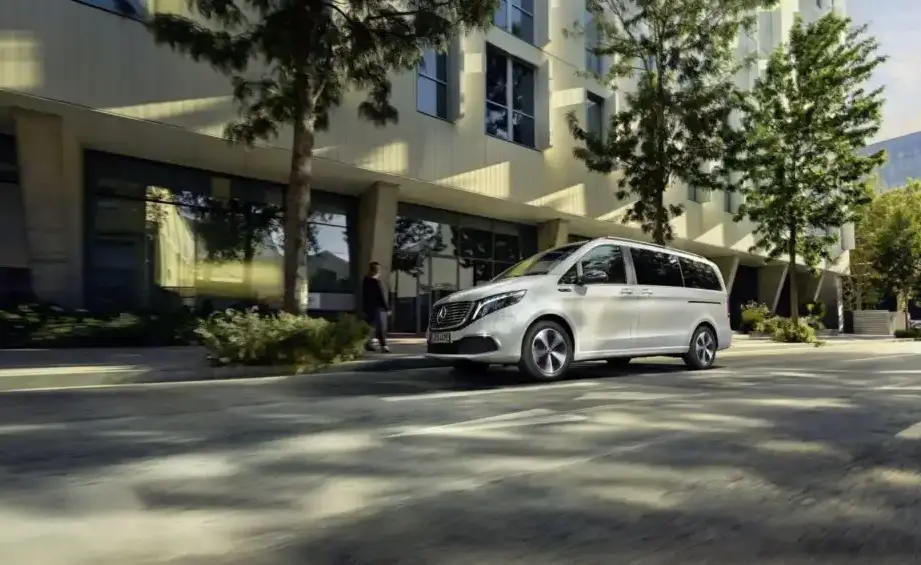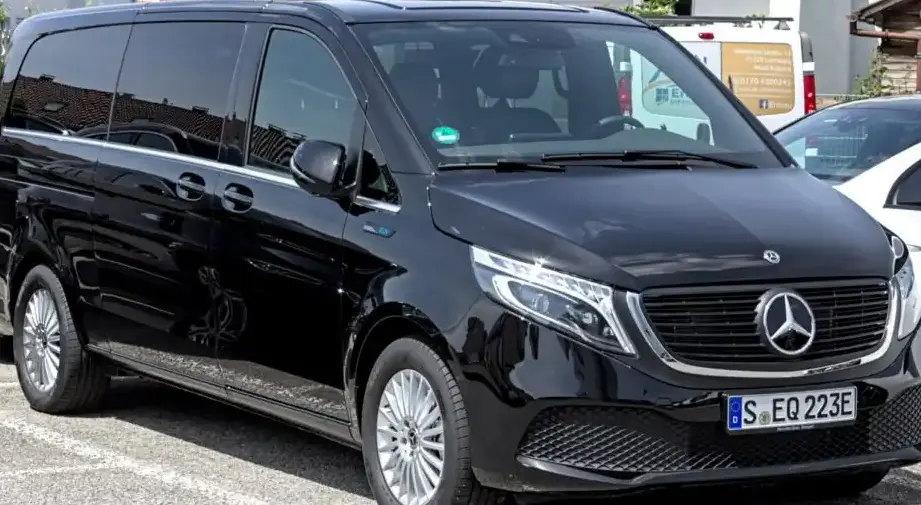
The Mercedes-Benz EQV (V447) Extra Long EQV 300 100 kWh represents a significant step for the German automaker into the all-electric multi-purpose vehicle (MPV) segment. Produced from 2020 to 2023, this variant is based on the V-Class platform, specifically the extended wheelbase version, and aims to provide a premium, zero-emission alternative to traditional people carriers and vans. It’s positioned as a luxury transport solution for families, businesses, and shuttle services seeking a spacious and environmentally conscious vehicle. The EQV 300, with its 100 kWh battery pack, delivers a substantial range and performance within the electric MPV class.
Technical Specifications
| Brand | Mercedes-Benz |
| Model | EQV |
| Generation | EQV (V447) Extra Long |
| Type (Engine) | EQV 300 100 kWh (204 Hp) |
| Start of production | 2020 |
| End of production | 2023 |
| Powertrain Architecture | BEV (Electric Vehicle) |
| Body type | MPV, Van |
| Seats | 6-8 |
| Doors | 5 |
| Fuel Type | Electricity |
| Maximum speed | 140 km/h (86.99 mph) |
| Weight-to-power ratio | 12.7 kg/Hp (78.9 Hp/tonne) |
| Weight-to-torque ratio | 7.1 kg/Nm (140 Nm/tonne) |
| Gross battery capacity | 100 kWh |
| Net (usable) battery capacity | 90 kWh |
| Battery technology | Lithium-ion (Li-Ion) |
| Battery weight | 700 kg (1543.24 lbs) |
| Battery location | Below the floor |
| All-electric range (WLTP) | 354 km (219.97 mi) |
| All-electric range (NEDC) | 417 km (259.11 mi) |
| Average Energy consumption (WLTP) | 28.2 kWh/100 km (45.38 kWh/100 mi) |
| MPGe | 74 |
| Energy consumption | 3.5 km/kWh (2.2 mi/kWh) |
| Average Energy consumption | 26.4 kWh/100 km (42.49 kWh/100 mi) |
| MPGe | 79 |
| Energy consumption | 3.8 km/kWh (2.4 mi/kWh) |
| Electric motor power | 204 Hp |
| Electric motor Torque | 362 Nm (267 lb.-ft.) |
| Electric motor model/code | EM6001 |
| Electric motor location | Front axle, Transverse |
| System power | 204 Hp |
| System torque | 362 Nm (267 lb.-ft.) |
| Kerb Weight | 2585 kg (5698.95 lbs) |
| Max. weight | 3500 kg (7716.18 lbs) |
| Max load | 915 kg (2017.23 lbs) |
| Trunk (boot) space – minimum | 1410 l (49.79 cu. ft.) |
| Trunk (boot) space – maximum | 5010 l (176.93 cu. ft.) |
| Max. roof load | 150 kg (330.69 lbs) |
| Length | 5370 mm (211.42 in) |
| Width | 1928 mm (75.91 in) |
| Width including mirrors | 2244 mm (88.35 in) |
| Height | 1901 mm (74.84 in) |
| Wheelbase | 3430 mm (135.04 in) |
| Front overhang | 895 mm (35.24 in) |
| Rear overhang | 1045 mm (41.14 in) |
| Drivetrain Architecture | One electric motor drives the front wheels. |
| Drive wheel | Front wheel drive |
| Number of gears and type of gearbox | 1 gears, automatic transmission |
| Assisting systems | ABS (Anti-lock braking system) |
| Steering type | Steering rack and pinion |
| Power steering | Electric Steering |
| Tires size | 245/55 R17 |
| Wheel rims size | 7J x 17 |
INTRODUCTION
The Mercedes-Benz EQV Extra Long EQV 300 100 kWh, launched in 2020, is a fully electric iteration of the popular V-Class MPV. It’s built on the V447 platform, known for its spaciousness and versatility. Mercedes-Benz aimed to capitalize on the growing demand for electric vehicles, particularly in urban environments and for commercial applications like airport transfers and hotel shuttles. The “Extra Long” designation indicates an extended wheelbase, providing even more interior space and seating options, typically accommodating up to eight passengers. This model represents Mercedes-Benz’s commitment to expanding its EQ range of electric vehicles, offering a practical and luxurious alternative to traditional internal combustion engine MPVs.
Powertrain & Engine Architecture
The EQV 300 utilizes a single electric motor (EM6001) mounted transversely on the front axle, delivering 204 horsepower and 362 Nm (267 lb-ft) of torque. This configuration provides front-wheel drive. The heart of the system is the 100 kWh lithium-ion battery pack, positioned under the floor of the vehicle to maintain a low center of gravity and maximize interior space. The battery pack provides a usable capacity of 90 kWh. The EQV 300 doesn’t employ a multi-speed gearbox; instead, it utilizes a single-speed automatic transmission, common in electric vehicles, to deliver instant torque to the wheels. The vehicle supports both AC and DC fast charging, allowing for relatively quick replenishment of the battery. The onboard charger handles AC charging, while DC fast charging can significantly reduce charging times at compatible stations. The electric motor is controlled by a sophisticated power electronics system that manages energy flow and optimizes efficiency.
Driving Characteristics
The EQV 300, while not designed for outright performance, offers a smooth and refined driving experience. The instant torque delivery characteristic of electric motors provides brisk acceleration, particularly in urban settings. The single-speed transmission means there’s no gear shifting, contributing to a seamless and quiet ride. Compared to the V-Class models equipped with diesel engines, the EQV 300 offers a quieter cabin and a more relaxed driving experience. However, the added weight of the battery pack (approximately 700 kg) does impact handling and agility compared to lighter V-Class variants. The regenerative braking system allows for one-pedal driving in certain conditions, further enhancing efficiency and convenience. The electronically limited top speed of 140 km/h (87 mph) is typical for electric vehicles in this class.
Equipment & Trim Levels
The EQV 300 Extra Long typically comes well-equipped as standard, reflecting its premium positioning. Standard features often include Mercedes-Benz’s MBUX infotainment system with a touchscreen display, navigation, and smartphone integration (Apple CarPlay and Android Auto). Comfort features such as climate control, leather upholstery, and adjustable seating are also common. The Extra Long wheelbase allows for flexible seating configurations, with options for captain’s chairs in the second row and a bench seat in the third. Optional extras include a panoramic sunroof, advanced driver-assistance systems (such as adaptive cruise control and lane-keeping assist), and upgraded sound systems. Interior trim levels vary, offering different combinations of materials and finishes.
Chassis & Braking
The EQV 300 utilizes a conventional suspension setup, featuring independent suspension at the front and a semi-independent suspension at the rear. The suspension is tuned to prioritize ride comfort, given the vehicle’s intended use as a people carrier. Braking is handled by disc brakes at the front and drum brakes at the rear, with ABS (Anti-lock Braking System) as standard. The regenerative braking system contributes to slowing the vehicle and recovering energy, reducing wear on the conventional brakes. Electric power steering provides light and precise steering feel. The vehicle’s weight distribution is influenced by the location of the battery pack under the floor, which helps to lower the center of gravity and improve stability.
Market Reception & Comparison
The EQV 300 received generally positive reviews, with critics praising its spacious interior, comfortable ride, and zero-emission credentials. However, the high price tag compared to traditional V-Class models and other MPVs was a common criticism. Compared to the diesel-powered V-Class variants, the EQV 300 offers lower running costs due to the elimination of fuel expenses and reduced maintenance requirements. However, the range of the EQV 300 (around 354 km/219.97 miles WLTP) is less than some of its competitors, particularly those with smaller battery packs. The EQV 300 competes with other electric MPVs and vans, such as the Volkswagen ID. Buzz, although the ID. Buzz has a different design philosophy and target audience.
Legacy
The Mercedes-Benz EQV 300 Extra Long represents an important step in the electrification of the MPV segment. While production ended in 2023, the model has established a benchmark for electric people carriers, demonstrating the viability of zero-emission transportation for families and businesses. The powertrain, while not without its limitations in terms of range, has proven to be reliable in early reports. On the used car market, the EQV 300 commands a premium price due to its luxury features and environmental benefits. The EQV 300 paved the way for future electric models from Mercedes-Benz, contributing to the brand’s broader commitment to sustainable mobility.