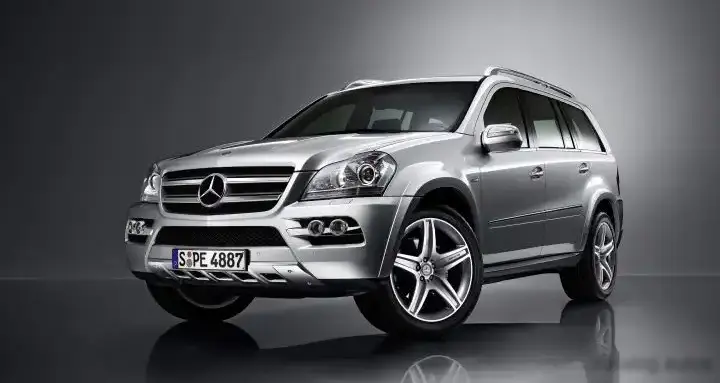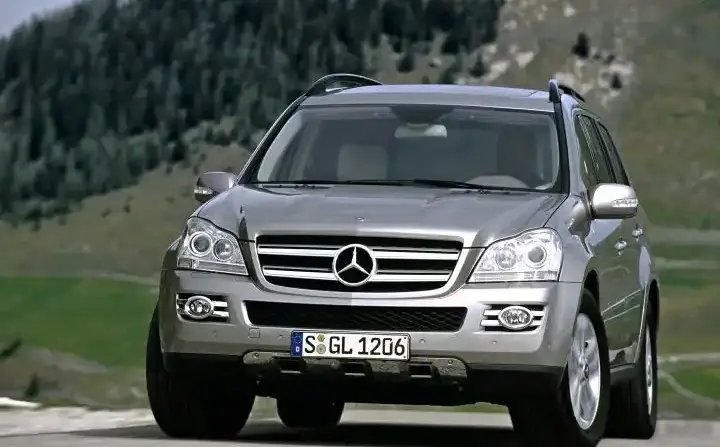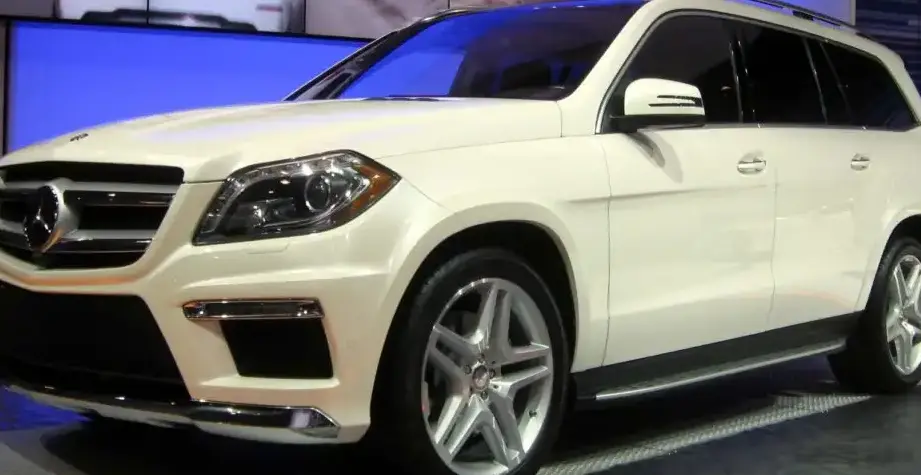
The Mercedes-Benz GL 500 (X166) was a high-performance, full-size luxury SUV produced from 2012 to 2015. Positioned as the flagship engine option within the second generation GL-Class (X166), it offered a significant step up in power and refinement compared to the GL 350 and GL 450 models. The X166 GL represented a substantial evolution for Mercedes-Benz’s large SUV, moving towards a more sophisticated and capable vehicle designed to compete with offerings from BMW, Audi, and Land Rover. This variant, with its potent V8 engine and advanced 4MATIC all-wheel-drive system, aimed to deliver a blend of luxury, performance, and practicality for discerning buyers in the North American and European markets.
Technical Specifications
| Brand | Mercedes-Benz |
| Model | GL |
| Generation | GL (X166) |
| Type (Engine) | GL 500 (435 Hp) 4MATIC G-TRONIC |
| Start of production | 2012 |
| End of production | 2015 |
| Powertrain Architecture | Internal Combustion engine |
| Body type | SUV |
| Seats | 7 |
| Doors | 5 |
| Fuel consumption (urban) | 14.5-14.8 l/100 km (16.2 – 15.9 US mpg, 19.5 – 19.1 UK mpg, 6.9 – 6.8 km/l) |
| Fuel consumption (extra urban) | 9.3-9.6 l/100 km (25.3 – 24.5 US mpg, 30.4 – 29.4 UK mpg, 10.8 – 10.4 km/l) |
| Fuel consumption (combined) | 11.3-11.5 l/100 km (20.8 – 20.5 US mpg, 25 – 24.6 UK mpg, 8.8 – 8.7 km/l) |
| CO2 emissions | 262-269 g/km |
| Fuel Type | Petrol (Gasoline) |
| Acceleration 0 – 100 km/h | 5.4 sec |
| Acceleration 0 – 62 mph | 5.4 sec |
| Acceleration 0 – 60 mph | 5.1 sec |
| Maximum speed | 250 km/h (155.34 mph) |
| Emission standard | Euro 6 |
| Weight-to-power ratio | 5.4 kg/Hp, 183.5 Hp/tonne |
| Weight-to-torque ratio | 3.4 kg/Nm, 295.4 Nm/tonne |
| Power | 435 Hp @ 5250 rpm |
| Power per litre | 93.3 Hp/l |
| Torque | 700 Nm @ 1800-3500 rpm (516.29 lb.-ft. @ 1800-3500 rpm) |
| Maximum engine speed | 6300 rpm |
| Engine layout | Front, Longitudinal |
| Engine Model/Code | M 278.928 |
| Engine displacement | 4663 cm3 (284.55 cu. in.) |
| Number of cylinders | 8 |
| Engine configuration | V-engine |
| Cylinder Bore | 92.9 mm (3.66 in.) |
| Piston Stroke | 86 mm (3.39 in.) |
| Compression ratio | 10.5:1 |
| Number of valves per cylinder | 4 |
| Fuel injection system | Direct injection |
| Engine aspiration | BiTurbo, Intercooler |
| Valvetrain | DOHC |
| Engine oil capacity | 8.5 l (8.98 US qt | 7.48 UK qt) |
| Coolant | 12.9 l (13.63 US qt | 11.35 UK qt) |
| Kerb Weight | 2370 kg (5224.96 lbs.) |
| Max. weight | 3250 kg (7165.02 lbs.) |
| Max load | 880 kg (1940.07 lbs.) |
| Trunk (boot) space – minimum | 680 l (24.01 cu. ft.) |
| Trunk (boot) space – maximum | 2300 l (81.22 cu. ft.) |
| Fuel tank capacity | 100 l (26.42 US gal | 22 UK gal) |
| Permitted trailer load with brakes (12%) | 3500 kg (7716.18 lbs.) |
| Permitted trailer load without brakes | 750 kg (1653.47 lbs.) |
| Length | 5120 mm (201.57 in.) |
| Width | 1934 mm (76.14 in.) |
| Width including mirrors | 2141 mm (84.29 in.) |
| Height | 1850 mm (72.83 in.) |
| Wheelbase | 3075 mm (121.06 in.) |
| Front track | 1655 mm (65.16 in.) |
| Rear (Back) track | 1675 mm (65.94 in.) |
| Front overhang | 885 mm (34.84 in.) |
| Rear overhang | 1160 mm (45.67 in.) |
| Minimum turning circle | 12.4 m (40.68 ft.) |
| Drive wheel | All wheel drive (4×4) |
| Number of gears and type of gearbox | 7 gears, automatic transmission G-TRONIC PLUS |
| Front suspension | Double wishbone |
| Rear suspension | Independent multi-link suspension |
| Front brakes | Ventilated discs |
| Rear brakes | Ventilated discs |
| Assisting systems | ABS (Anti-lock braking system) |
| Steering type | Steering rack and pinion |
| Power steering | Electric Steering |
| Tires size | 275/55 R19 |
| Wheel rims size | 19 |
Powertrain & Engine Architecture
The GL 500 was powered by the M278.928 4.7-liter V8 engine. This engine featured direct injection, twin turbochargers, and an intercooler, producing 435 horsepower at 5250 rpm and a substantial 700 Nm (516 lb-ft) of torque available from 1800 to 3500 rpm. The engine utilized a sophisticated combustion process and advanced materials to maximize efficiency and power output. The engine’s architecture was a 60-degree V8, known for its smoothness and inherent balance. The G-TRONIC PLUS 7-speed automatic transmission was standard, offering smooth and responsive shifts. This transmission was known for its ability to adapt to driving conditions and provide both fuel efficiency and performance. The transmission featured paddle shifters for manual control, allowing drivers to select gears as desired.
Driving Characteristics
The GL 500 offered a markedly different driving experience compared to the lower-powered GL variants. The abundant torque from the twin-turbo V8 provided effortless acceleration, allowing for confident overtaking and towing. The 0-60 mph sprint was dispatched in approximately 5.1 seconds, a respectable figure for a vehicle of this size and weight. The G-TRONIC transmission was well-matched to the engine, providing smooth and quick gear changes. While not a sports car, the GL 500 felt surprisingly agile for its size, thanks in part to the 4MATIC all-wheel-drive system which provided excellent traction in all conditions. The suspension was tuned for comfort, but still offered reasonable body control.
Equipment & Trim Levels
The GL 500 came standard with a high level of equipment, befitting its position as the range-topping model. Standard features included leather upholstery, heated and ventilated front seats, a premium sound system, navigation, and a panoramic sunroof. Optional extras included rear-seat entertainment, massaging seats, and a variety of driver-assistance systems. Interior trim options included various wood veneers and metallic accents. The GL 500 typically featured unique exterior styling cues, such as chrome accents and larger wheels, to differentiate it from the other GL models.
Chassis & Braking
The GL 500 utilized a double wishbone front suspension and an independent multi-link rear suspension, providing a comfortable and controlled ride. The suspension was electronically controlled, adapting to road conditions and driving style. Braking duties were handled by ventilated discs on all four wheels, providing ample stopping power. The GL 500 also featured ABS, electronic stability control, and a host of other safety systems. The 4MATIC all-wheel-drive system distributed power between the front and rear axles as needed, enhancing traction and stability.
Market Reception & Comparison
The GL 500 was generally well-received by automotive critics, who praised its powerful engine, luxurious interior, and comfortable ride. However, its fuel economy was often criticized, as expected for a vehicle of this size and performance. Compared to the GL 450, the GL 500 offered a significant performance upgrade, but at a higher price point. The GL 350, being the base model, offered better fuel economy but lacked the power and refinement of the GL 500. The GL 500 competed directly with luxury SUVs from BMW, Audi, and Land Rover, offering a compelling combination of features and performance.
Legacy
The M278 engine, while complex, has proven to be relatively reliable when properly maintained. Common issues include occasional turbocharger problems and oil leaks. The G-TRONIC transmission is also generally reliable, but requires regular fluid changes. Today, the GL 500 represents a good value on the used market for buyers seeking a spacious, luxurious, and powerful SUV. Its combination of performance, comfort, and features continues to appeal to those looking for a capable and refined vehicle. However, potential buyers should be aware of the higher maintenance costs associated with a vehicle of this complexity.