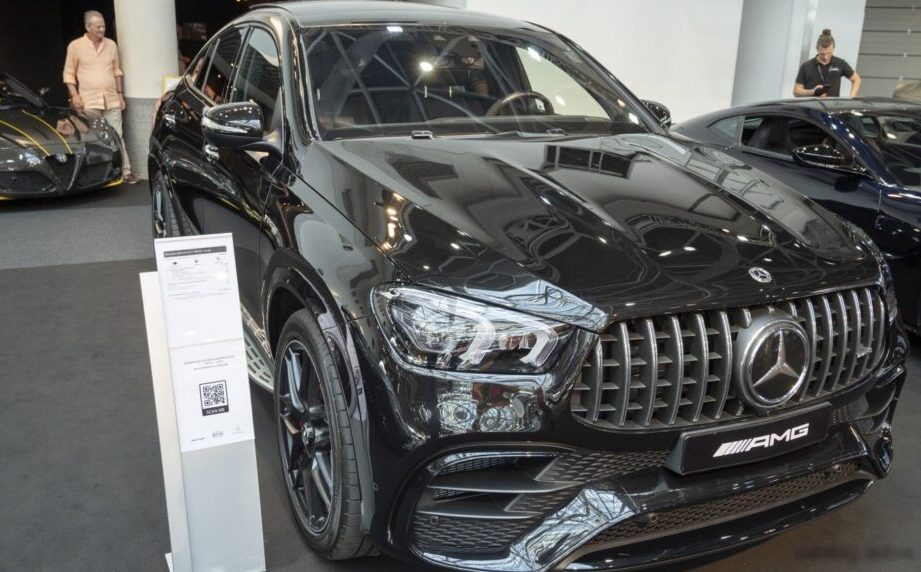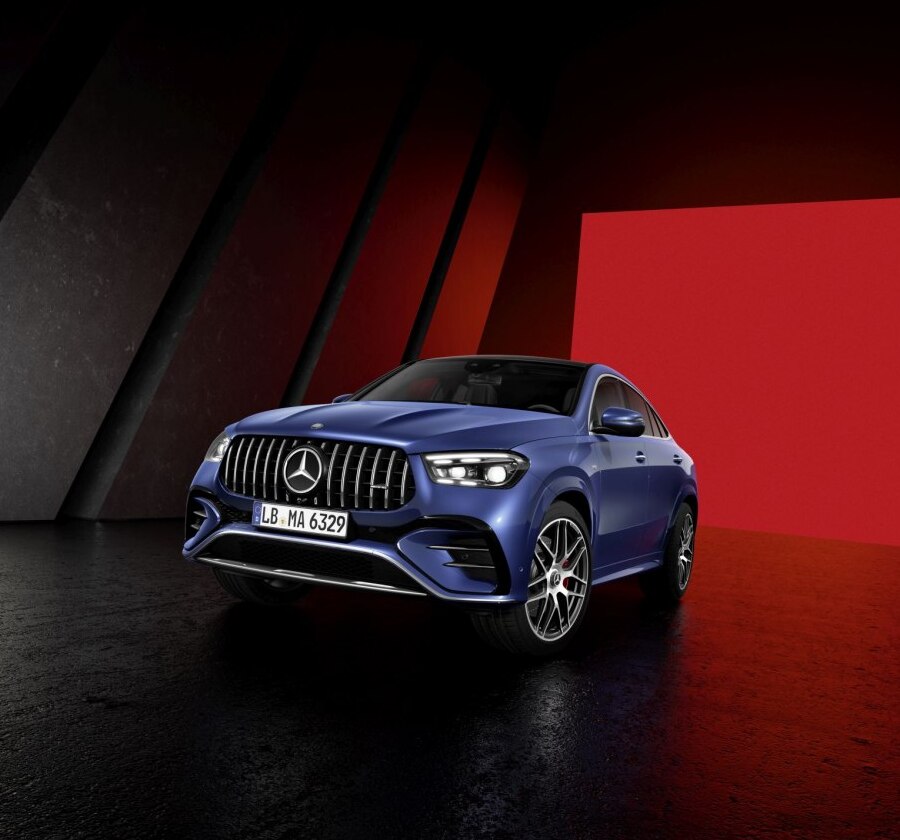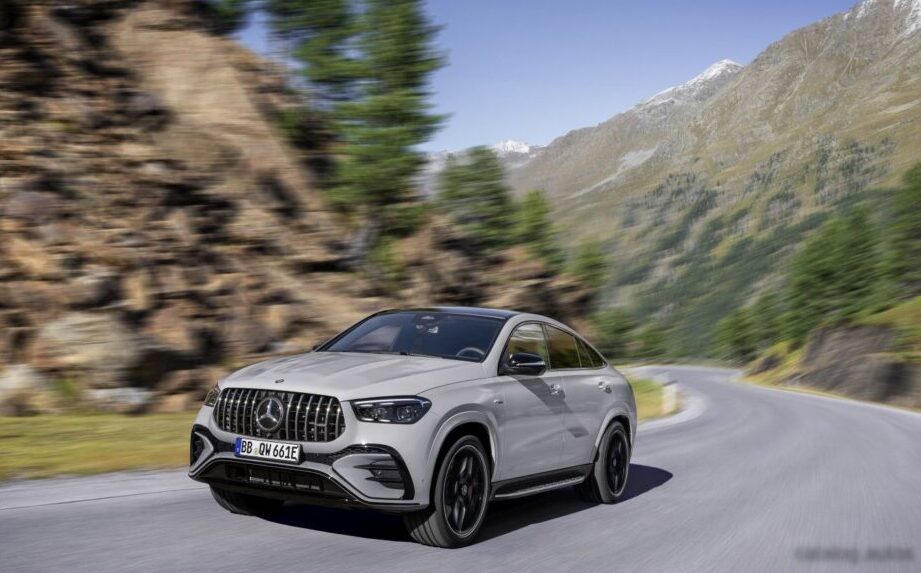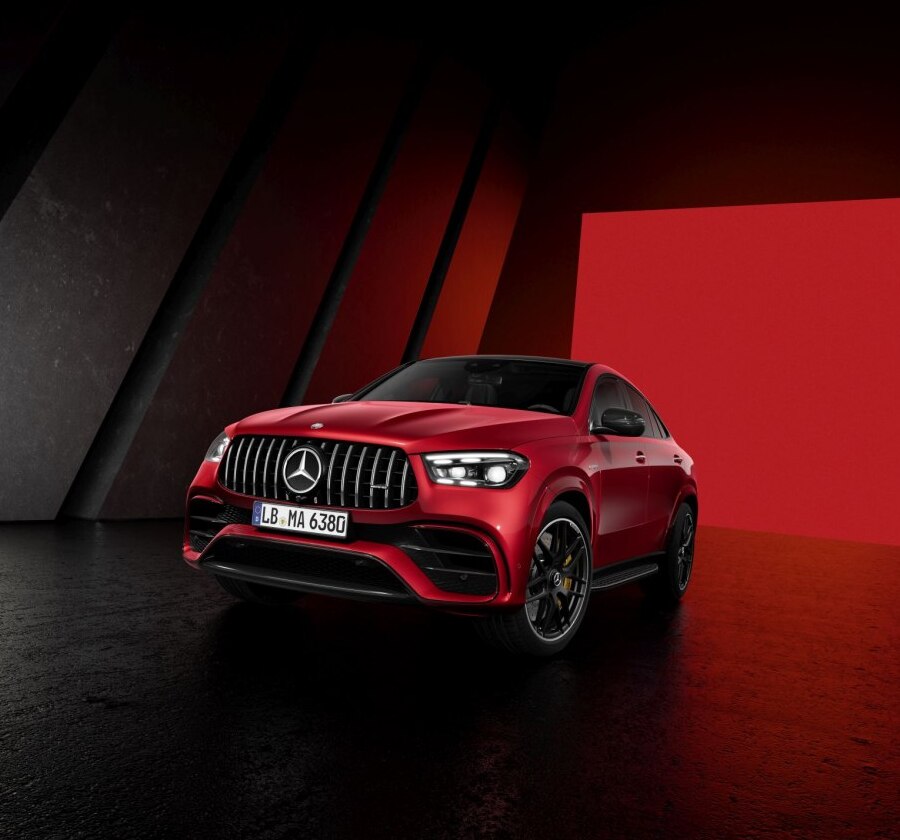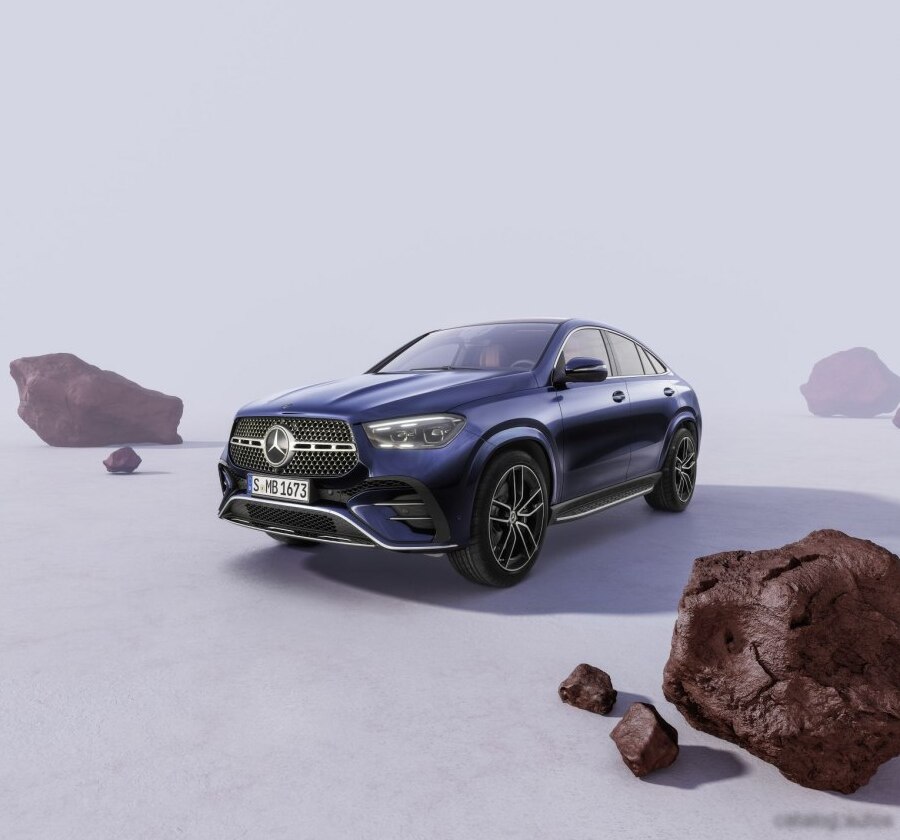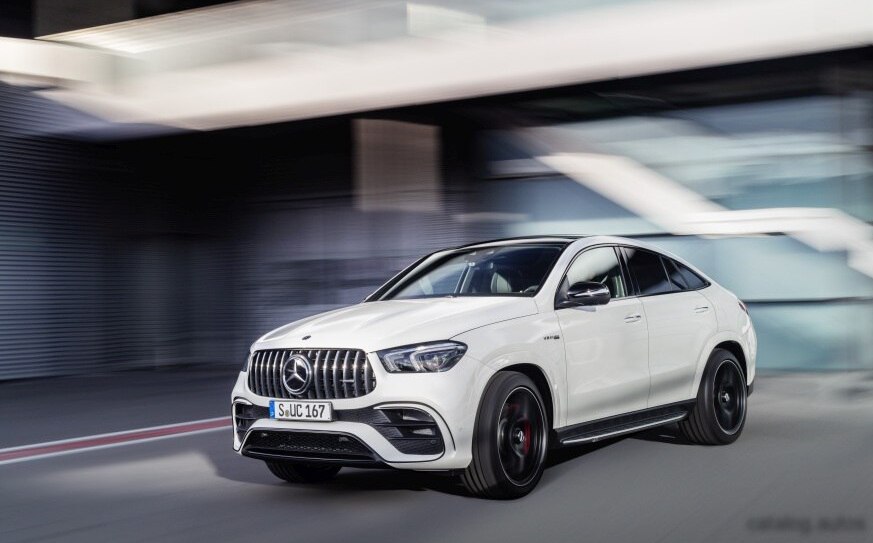
The Mercedes-Benz GLE 350e (C167), produced from 2020 to 2023, represents a significant step in the brand’s push towards electrification within its popular SUV lineup. This plug-in hybrid variant of the GLE Coupe combined a turbocharged four-cylinder gasoline engine with an electric motor, offering a balance of performance, efficiency, and reduced emissions. Positioned as a mid-range offering within the GLE Coupe family, it catered to buyers seeking a more environmentally conscious luxury SUV experience without sacrificing the Mercedes-Benz hallmarks of comfort and technology.
Technical Specifications
| Brand | Mercedes-Benz |
| Model | GLE |
| Generation | GLE Coupe (C167) |
| Type | GLE 350e (333 Hp) Plug-in Hybrid 4MATIC 9G-TRONIC |
| Start of production | 2020 |
| End of production | 2023 |
| Powertrain Architecture | PHEV (Plug-in Hybrid Electric Vehicle) |
| Body type | Coupe, SUV |
| Seats | 5 |
| Doors | 5 |
| Combined fuel consumption (WLTP) | 0.9-1.2 l/100 km (261.3 – 196 US mpg, 313.9 – 235.4 UK mpg, 111.1 – 83.3 km/l) |
| CO2 emissions (WLTP) | 20-28 g/km |
| Fuel consumption (economy) – combined (NEDC) | 1.5-1.6 l/100 km (156.8 – 147 US mpg, 188.3 – 176.6 UK mpg, 66.7 – 62.5 km/l) |
| CO2 emissions (NEDC) | 33-36 g/km |
| Fuel Type | Petrol / electricity |
| Acceleration 0 – 100 km/h | 6.9 sec |
| Acceleration 0 – 62 mph | 6.9 sec |
| Acceleration 0 – 60 mph | 6.6 sec |
| Maximum speed | 210 km/h (130.49 mph) |
| Emission standard | Euro 6d-ISC-FCM |
| Weight-to-power ratio | 7.7 kg/Hp, 130.6 Hp/tonne |
| Weight-to-torque ratio | 3.6 kg/Nm, 274.5 Nm/tonne |
| Gross battery capacity | 31.2 kWh |
| Battery technology | Lithium-ion (Li-Ion) |
| Battery location | Inside the trunk |
| All-electric range (WLTP) | 85-106 km (52.82 – 65.87 mi) |
| All-electric range (NEDC) | 106 km (65.87 mi) |
| Average Energy consumption (WLTP) | 26.3-29.7 kWh/100 km (42.33 – 47.8 kWh/100 mi, 80 – 71 MPGe, 3.8 – 3.4 km/kWh, 2.4 – 2.1 mi/kWh) |
| Average Energy consumption (NEDC) | 25.7-27.9 kWh/100 km (41.36 – 44.9 kWh/100 mi, 81 – 75 MPGe, 3.9 – 3.6 km/kWh, 2.4 – 2.2 mi/kWh) |
| Max speed (electric) | 160 km/h (99.42 mph) |
| Electric motor power | 136 Hp |
| Electric motor Torque | 440 Nm (324.53 lb.-ft.) |
| Electric motor location | Between the combustion engine and the transmission |
| System power | 333 Hp |
| System torque | 700 Nm (516.29 lb.-ft.) |
| Power | 211 Hp @ 5500 rpm |
| Torque | 350 Nm @ 1200-4000 rpm (258.15 lb.-ft. @ 1200-4000 rpm) |
| Engine layout | Front, Longitudinal |
| Engine Model/Code | M 274.920 |
| Engine displacement | 1991 cm3 (121.5 cu. in.) |
| Number of cylinders | 4 |
| Engine configuration | Inline |
| Cylinder Bore | 83 mm (3.27 in.) |
| Piston Stroke | 92 mm (3.62 in.) |
| Compression ratio | 9.8:1 |
| Number of valves per cylinder | 4 |
| Fuel injection system | Direct injection |
| Engine aspiration | Turbocharger, Intercooler |
| Valvetrain | DOHC |
| Engine oil capacity | 7.8 l (8.24 US qt | 6.86 UK qt) |
| Kerb Weight | 2550 kg (5621.79 lbs.) |
| Max. weight | 3190 kg (7032.75 lbs.) |
| Max load | 640 kg (1410.96 lbs.) |
| Trunk (boot) space – minimum | 510 l (18.01 cu. ft.) |
| Trunk (boot) space – maximum | 1645 l (58.09 cu. ft.) |
| Fuel tank capacity | 65 l (17.17 US gal | 14.3 UK gal) |
| Max. roof load | 75 kg (165.35 lbs.) |
| Permitted trailer load with brakes (12%) | 2700 kg (5952.48 lbs.) |
| Permitted trailer load without brakes | 750 kg (1653.47 lbs.) |
| Permitted towbar download | 108 kg (238.1 lbs.) |
| Length | 4939 mm (194.45 in.) |
| Width | 2010 mm (79.13 in.) |
| Width including mirrors | 2157 mm (84.92 in.) |
| Height | 1730 mm (68.11 in.) |
| Wheelbase | 2935 mm (115.55 in.) |
| Front track | 1680 mm (66.14 in.) |
| Rear (Back) track | 1726 mm (67.95 in.) |
| Front overhang | 925 mm (36.42 in.) |
| Rear overhang | 1079 mm (42.48 in.) |
| Ride height (ground clearance) | 206 mm (8.11 in.) |
| Drag coefficient (Cd) | 0.35 |
| Minimum turning circle (turning diameter) | 11.8 m (38.71 ft.) |
| Approach angle | 25° |
| Departure angle | 24° |
| Ramp-over (brakeover) angle | 17° |
| Drivetrain Architecture | The Internal combustion engine (ICE) and the electric motor permanently drive the four wheels of the car with the ability to work in full electric or mixed mode. |
| Drive wheel | All wheel drive (4×4) |
| Number of gears and type of gearbox | 9 gears, automatic transmission G-TRONIC |
| Front suspension | Double wishbone, Transverse stabilizer |
| Rear suspension | Independent multi-link suspension, Transverse stabilizer |
| Front brakes | Ventilated discs |
| Rear brakes | Ventilated discs |
| Assisting systems | ABS (Anti-lock braking system) |
| Steering type | Steering rack and pinion |
| Power steering | Electric Steering |
| Tires size | 275/55 R19 |
| Wheel rims size | 8.5J x 19 |
Overview and Market Positioning
The GLE 350e arrived as part of the C167 generation of the GLE Coupe, a model that blended the practicality of an SUV with the sleeker profile of a coupe. Mercedes-Benz aimed to capture a segment of the market that desired a more dynamic and stylish SUV, and the addition of a plug-in hybrid powertrain further broadened its appeal. In the US market, where larger SUVs are prevalent, the GLE 350e offered a compelling alternative to purely gasoline-powered competitors, particularly in states with incentives for electric vehicle adoption. It sat comfortably in the middle of the GLE Coupe range, offering a step up in efficiency and technology compared to the base models, but without the outright performance and higher price tag of the AMG variants.
Powertrain and Performance
At the heart of the GLE 350e was a 2.0-liter turbocharged inline-four cylinder engine paired with a powerful electric motor integrated into the 9G-TRONIC nine-speed automatic transmission. The combined system output of 333 horsepower and 516 lb-ft of torque provided brisk acceleration, with a 0-60 mph time of around 6.6 seconds. The electric motor, delivering 136 horsepower and 324 lb-ft of torque, allowed for all-electric driving for a range of 53 to 66 miles (WLTP/NEDC cycles), depending on driving conditions. The 31.2 kWh battery pack, located under the floor of the trunk, enabled this substantial electric range. The vehicle could be charged via a standard household outlet or a dedicated Level 2 charger. The 4MATIC all-wheel-drive system ensured confident handling in various weather conditions.
Technology and Features
The GLE 350e benefited from the advanced technology features found throughout the GLE Coupe range. The MBUX infotainment system, with its intuitive voice control and customizable displays, was a central component. Standard and optional features included a large touchscreen display, navigation, Apple CarPlay and Android Auto integration, and a suite of driver-assistance systems such as adaptive cruise control, lane-keeping assist, and automatic emergency braking. The plug-in hybrid system also incorporated features like regenerative braking to recapture energy and optimize efficiency. The interior offered the luxurious appointments expected of a Mercedes-Benz, with high-quality materials and comfortable seating for five passengers.
Comparison with Other GLE Coupe Variants
The GLE Coupe lineup offered a variety of engine and trim options. Compared to the GLE 350, which featured a solely gasoline-powered engine, the 350e prioritized fuel efficiency and electric driving capability. The more powerful GLE 450 offered a smoother and more potent six-cylinder engine, while the AMG GLE 53 and 63 S models delivered significantly higher performance levels. The 350e also differed from the diesel-powered GLE 300d and 400d variants, offering a different driving experience and emissions profile. Maintenance on the 350e was generally comparable to other GLE models, but it did require occasional attention to the hybrid system components, such as the battery and electric motor. The target audience for the 350e was environmentally conscious buyers who wanted a luxury SUV with the ability to drive short distances on electric power, reducing their carbon footprint and potentially saving on fuel costs.
Discontinuation and Legacy
The GLE 350e was discontinued in 2023, as Mercedes-Benz continued to refine its plug-in hybrid and fully electric offerings. It paved the way for subsequent generations of electrified GLE models, demonstrating the brand’s commitment to sustainable mobility. The GLE 350e remains a notable example of an early luxury plug-in hybrid SUV, offering a compelling combination of performance, efficiency, and technology that appealed to a growing segment of the automotive market.