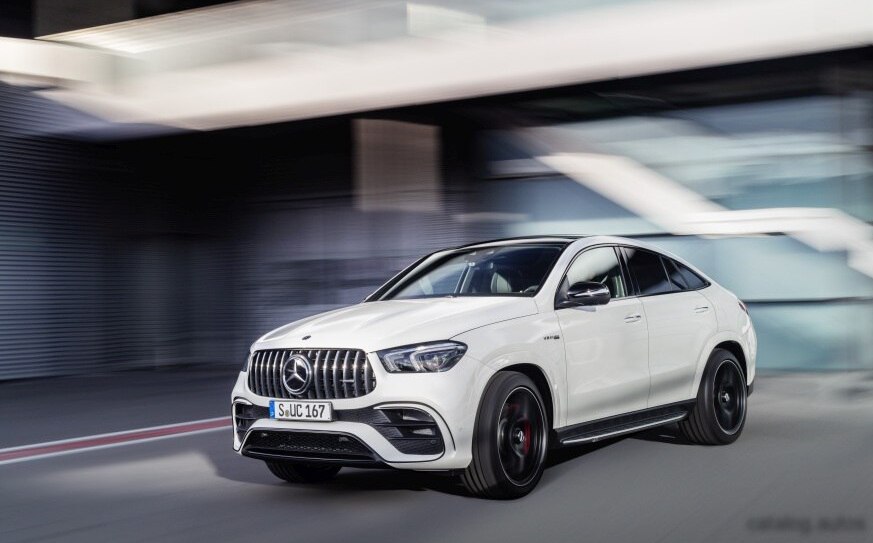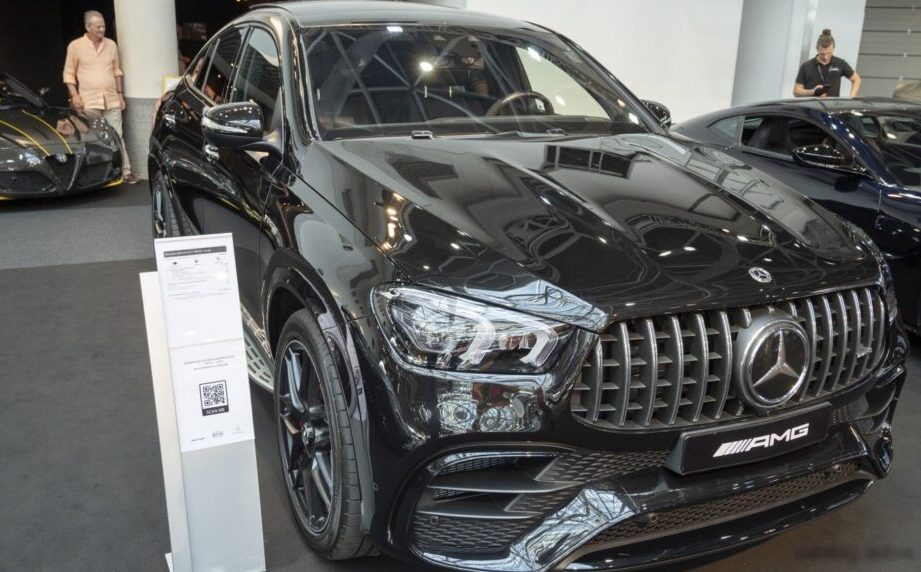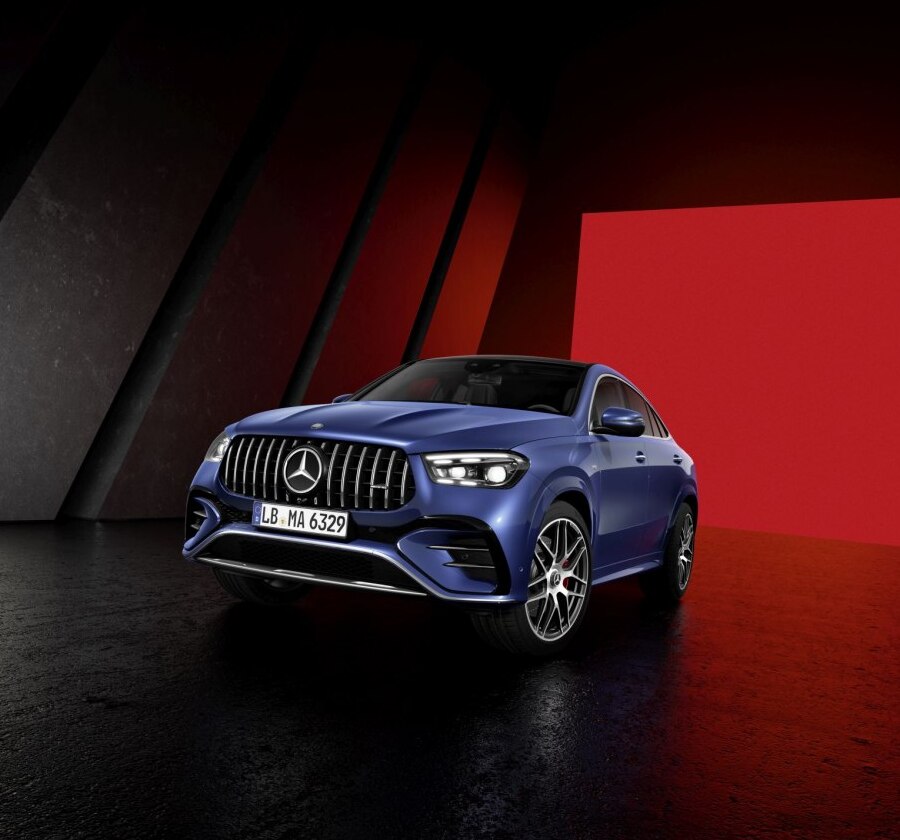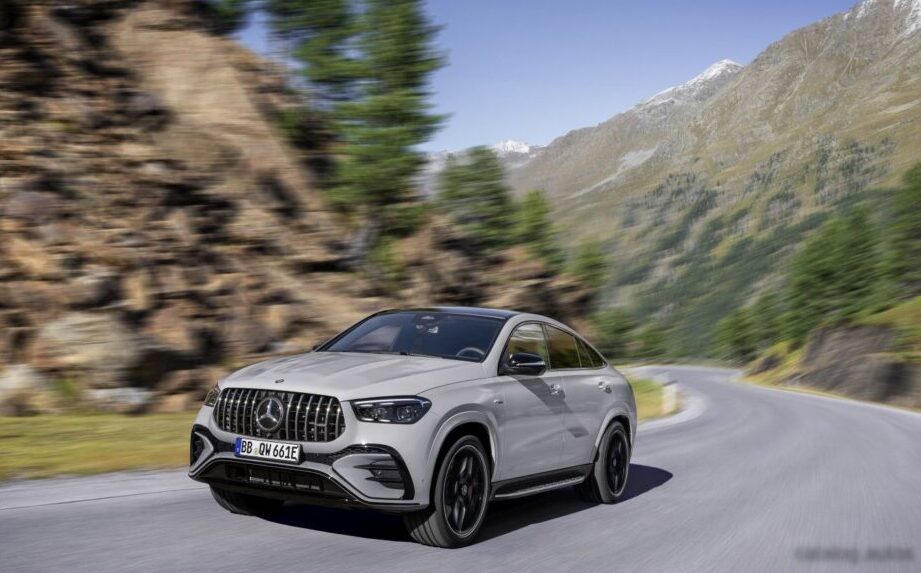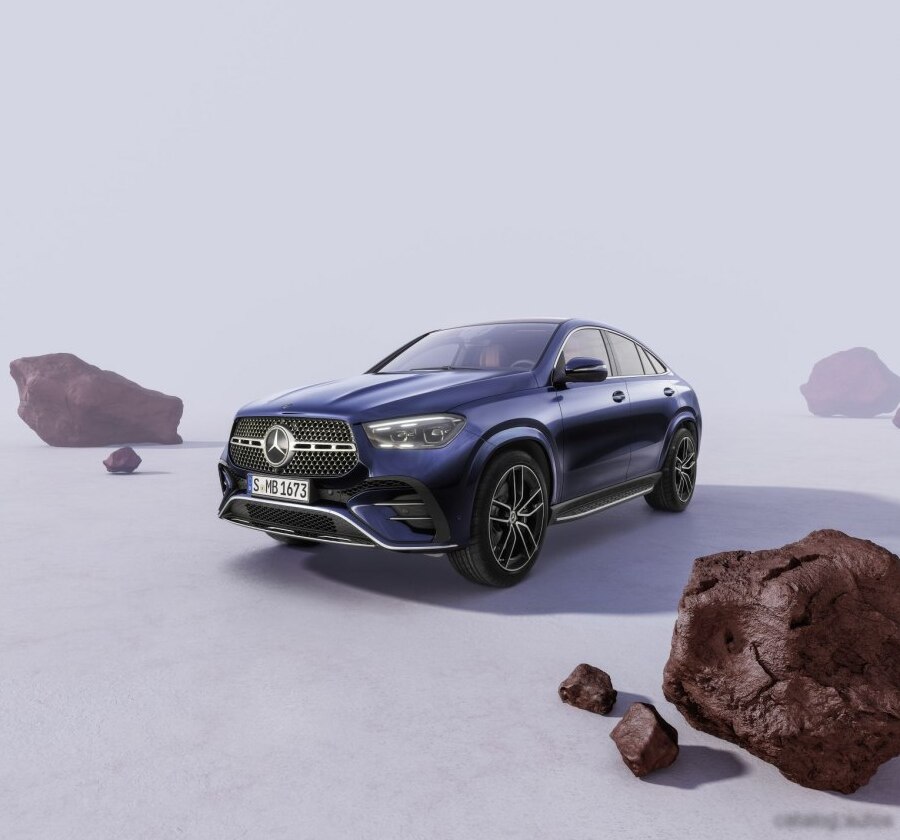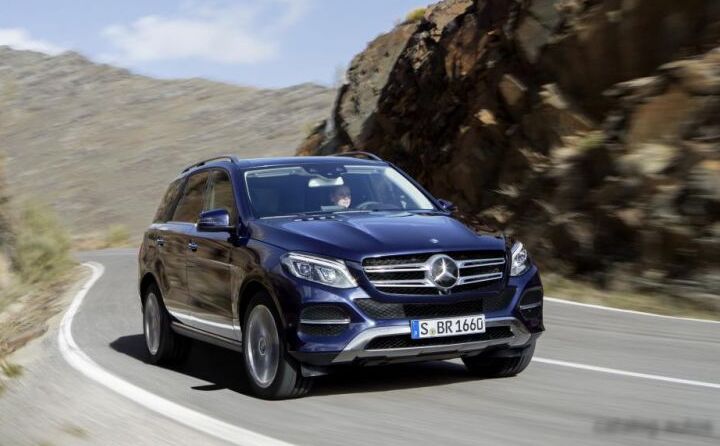
The Mercedes-Benz GLE 250d 4MATIC, produced from March 2015 to May 2018, was a diesel-powered variant of the W166 GLE SUV. Positioned as a mid-range offering within the GLE lineup, it aimed to balance fuel efficiency with respectable performance and the all-weather capability of Mercedes-Benz’s 4MATIC all-wheel-drive system. This model occupied a space between the entry-level GLE 250 and the more powerful GLE 350d, appealing to buyers seeking a practical and refined SUV with lower running costs. It was a key component of Mercedes-Benz’s strategy to offer a diverse range of powertrain options within the popular mid-size SUV segment.
Technical Specifications
| Brand | Mercedes-Benz |
| Model | GLE |
| Generation | GLE SUV (W166) |
| Type | GLE 250d (204 Hp) 4MATIC 9G-TRONIC |
| Start of production | March, 2015 |
| End of production | May, 2018 |
| Powertrain Architecture | Internal Combustion engine |
| Body type | SUV |
| Seats | 5 |
| Doors | 5 |
| Fuel consumption (urban) | 6.3-6.6 l/100 km (37.3 – 35.6 US mpg, 44.8 – 42.8 UK mpg, 15.9 – 15.2 km/l) |
| Fuel consumption (extra urban) | 5.3-5.5 l/100 km (44.4 – 42.8 US mpg, 53.3 – 51.4 UK mpg, 18.9 – 18.2 km/l) |
| Fuel consumption (combined) | 5.7-5.9 l/100 km (41.3 – 39.9 US mpg, 49.6 – 47.9 UK mpg, 17.5 – 16.9 km/l) |
| CO2 emissions | 149-156 g/km |
| Fuel Type | Diesel |
| Acceleration 0 – 100 km/h | 8.6 sec |
| Acceleration 0 – 62 mph | 8.6 sec |
| Acceleration 0 – 60 mph | 8.2 sec |
| Maximum speed | 210 km/h (130.49 mph) |
| Emission standard | Euro 6 |
| Weight-to-power ratio | 10.2 kg/Hp, 98.3 Hp/tonne |
| Weight-to-torque ratio | 4.2 kg/Nm, 241 Nm/tonne |
| Power | 204 Hp @ 3800 rpm |
| Power per litre | 95.2 Hp/l |
| Torque | 500 Nm @ 1600-1800 rpm (368.78 lb.-ft. @ 1600-1800 rpm) |
| Engine layout | Front, Longitudinal |
| Engine Model/Code | OM 651.960 |
| Engine displacement | 2143 cm3 (130.77 cu. in.) |
| Number of cylinders | 4 |
| Engine configuration | Inline |
| Cylinder Bore | 83 mm (3.27 in.) |
| Piston Stroke | 99 mm (3.9 in.) |
| Compression ratio | 16.2:1 |
| Number of valves per cylinder | 4 |
| Fuel injection system | Diesel Commonrail |
| Engine aspiration | BiTurbo, Intercooler |
| Valvetrain | DOHC |
| Engine oil capacity | 6.5 l (6.87 US qt | 5.72 UK qt) |
| Coolant | 10 l (10.57 US qt | 8.8 UK qt) |
| Kerb Weight | 2075 kg (4574.59 lbs.) |
| Max. weight | 2950 kg (6503.64 lbs.) |
| Max load | 875 kg (1929.04 lbs.) |
| Trunk (boot) space – minimum | 690 l (24.37 cu. ft.) |
| Trunk (boot) space – maximum | 2010 l (70.98 cu. ft.) |
| Fuel tank capacity | 93 l (24.57 US gal | 20.46 UK gal) |
| AdBlue tank | 32 l (8.45 US gal | 7.04 UK gal) |
| Max. roof load | 100 kg (220.46 lbs.) |
| Permitted trailer load with brakes (12%) | 3500 kg (7716.18 lbs.) |
| Permitted trailer load without brakes | 750 kg (1653.47 lbs.) |
| Permitted towbar download | 120 kg (264.55 lbs.) |
| Length | 4819 mm (189.72 in.) |
| Width | 1935 mm (76.18 in.) |
| Width including mirrors | 2141 mm (84.29 in.) |
| Height | 1788 mm (70.39 in.) |
| Wheelbase | 2915 mm (114.76 in.) |
| Front track | 1648 mm (64.88 in.) |
| Rear (Back) track | 1663 mm (65.47 in.) |
| Front overhang | 890 mm (35.04 in.) |
| Rear overhang | 1014 mm (39.92 in.) |
| Ride height (ground clearance) | 191 mm (7.52 in.) |
| Drag coefficient (Cd) | 0.35 |
| Minimum turning circle (turning diameter) | 11.8 m (38.71 ft.) |
| Approach angle | 26° |
| Departure angle | 26° |
| Climb angle | 45° |
| Wading depth | 500 mm (19.69 in.) |
| Drivetrain Architecture | The Internal combustion engine (ICE) drives permanently the four wheels of the vehicle. |
| Drive wheel | All wheel drive (4×4) |
| Number of gears and type of gearbox | 9 gears, automatic transmission G-TRONIC |
| Front suspension | Coil spring, Double wishbone, Transverse stabilizer, Air Suspension – Optional |
| Rear suspension | Independent multi-link spring suspension with stabilizer, Air Suspension – Optional |
| Front brakes | Ventilated discs |
| Rear brakes | Disc |
| Assisting systems | ABS (Anti-lock braking system) |
| Steering type | Steering rack and pinion |
| Power steering | Electric Steering |
| Tires size | 235/65 R17; 255/55 R18; 255/50 R19; 265/45 R20; 265/40 R21 |
| Wheel rims size | 7.5J x 17; 8J x 18; 8J x 19; 8.5J x 19; 9J x 20; 9J x 21 |
Powertrain & Engine Architecture
The GLE 250d 4MATIC was powered by Mercedes-Benz’s OM 651.960 2.1-liter inline-four cylinder diesel engine. This engine, a mainstay in the Mercedes-Benz lineup, featured a bi-turbocharger setup with an intercooler, delivering 204 horsepower at 3800 rpm and a substantial 500 Nm (368 lb-ft) of torque between 1600 and 1800 rpm. The engine utilized a commonrail direct fuel injection system, optimized for efficient combustion and reduced emissions. The valvetrain employed a double overhead camshaft (DOHC) design with four valves per cylinder. Paired with the engine was the 9G-TRONIC nine-speed automatic transmission, known for its smooth shifts and wide gear ratio spread, contributing to both fuel economy and drivability. The 9G-TRONIC allowed the engine to operate within its optimal torque band more frequently.
Driving Characteristics
The GLE 250d 4MATIC offered a comfortable and refined driving experience. While not a performance-oriented variant, the 500 Nm of torque provided ample pulling power for everyday driving and highway overtaking. The 9G-TRONIC transmission, while generally smooth, could occasionally exhibit slight hesitation during downshifts. Compared to the more powerful GLE 350d, the 250d felt less urgent in acceleration, taking 8.6 seconds to reach 62 mph. However, the difference was often imperceptible in normal driving conditions. The 4MATIC all-wheel-drive system provided excellent traction in various weather conditions, enhancing stability and confidence. The gear ratios were tuned for fuel efficiency, with higher gears prioritizing relaxed cruising.
Equipment & Trim Levels
The GLE 250d 4MATIC typically came standard with features such as automatic climate control, power-adjustable front seats, a multi-function steering wheel, and a high-resolution infotainment display. Interior upholstery was generally Artico leatherette, with optional upgrades to genuine leather available. Common optional extras included a panoramic sunroof, navigation system, premium sound system, and various driver-assistance features like blind-spot monitoring and lane-keeping assist. Trim levels varied slightly depending on the market, but generally offered packages that bundled popular options together.
Chassis & Braking
The W166 GLE platform utilized a robust chassis with a coil spring suspension setup. The GLE 250d typically featured ventilated disc brakes at the front and solid discs at the rear. An optional air suspension system was available, providing adjustable ride height and improved comfort. Stabilizer bars were fitted to both the front and rear axles to reduce body roll during cornering. The suspension tuning prioritized comfort and stability over outright sportiness, reflecting the vehicle’s intended role as a luxury SUV.
Market Reception & Comparison
The GLE 250d 4MATIC was generally well-received by automotive critics as a practical and efficient SUV. It was praised for its comfortable ride, spacious interior, and fuel economy. Compared to the GLE 350d, the 250d offered a lower price point and better fuel consumption, making it an attractive option for buyers prioritizing value. However, some critics noted that the engine could feel strained when fully loaded or driving uphill. Fuel economy figures averaged around 5.7-5.9 l/100 km (41.3-39.9 US mpg), making it one of the more economical options in the premium SUV segment.
Legacy
The OM 651 engine family, including the version used in the GLE 250d, has a reputation for durability and reliability. While diesel engines generally require more diligent maintenance than gasoline engines, the OM 651 has proven to be a robust and long-lasting unit. On the used car market, the GLE 250d 4MATIC remains a popular choice, offering a good balance of luxury, practicality, and fuel efficiency. However, potential buyers should be aware of the potential for diesel particulate filter (DPF) issues, particularly on vehicles that have primarily been used for short trips. Regular servicing and the use of high-quality diesel fuel are essential for maintaining the long-term health of this powertrain.