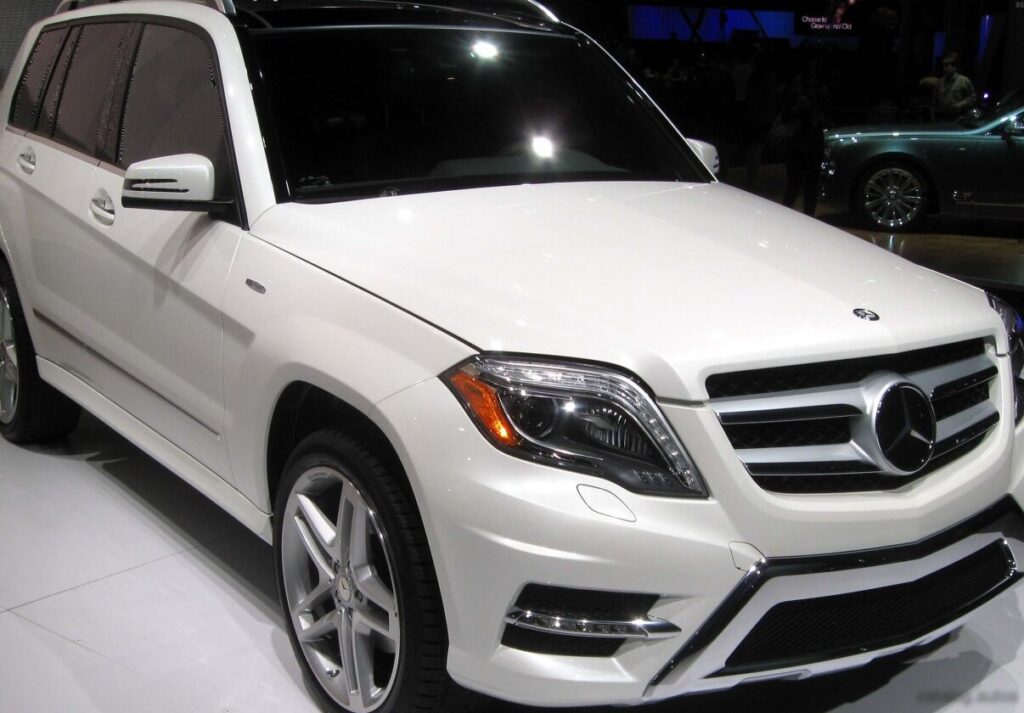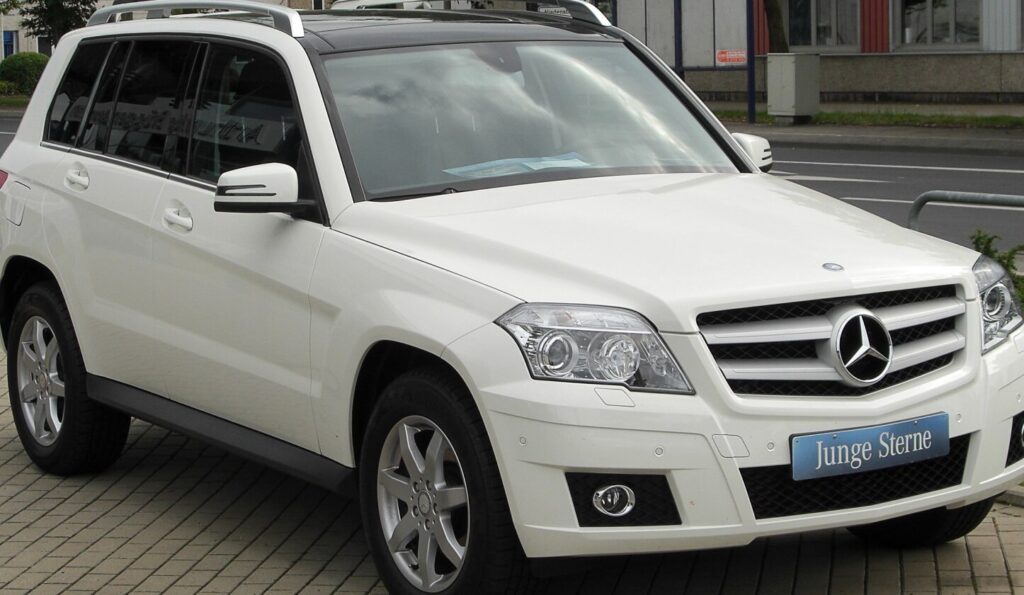
The Mercedes-Benz GLK 280 V6 4MATIC, produced from 2008 to 2009, was a key variant within the first generation (X204) of the GLK-Class compact luxury crossover SUV. Positioned as a mid-range offering, it bridged the gap between the base GLK 230 and the higher-performance GLK 320. The X204 GLK represented Mercedes-Benz’s entry into the burgeoning compact SUV segment, aiming to attract buyers seeking a more manageable and fuel-efficient alternative to the larger ML-Class. This model was primarily marketed in Europe, North America, and Asia, offering a blend of luxury, practicality, and all-wheel-drive capability.
Technical Specifications
| Brand | Mercedes-Benz |
| Model | GLK |
| Generation | GLK (X204) |
| Type | GLK 280 V6 (231 Hp) 4MATIC 7G-TRONIC |
| Start of production | 2008 |
| End of production | 2009 |
| Powertrain Architecture | Internal Combustion engine |
| Body type | SUV |
| Seats | 5 |
| Doors | 5 |
| Fuel consumption (urban) | 14.1 l/100 km (16.7 US mpg, 20 UK mpg) |
| Fuel consumption (extra urban) | 8.3-8.4 l/100 km (28.3-28 US mpg, 34-33.6 UK mpg) |
| Fuel consumption (combined) | 10.4-10.5 l/100 km (22.6-22.4 US mpg, 27.2-26.9 UK mpg) |
| CO2 emissions | 244-246 g/km |
| Fuel Type | Petrol (Gasoline) |
| Acceleration 0-100 km/h | 7.6 sec |
| Acceleration 0-60 mph | 7.2 sec |
| Maximum speed | 210 km/h (130.49 mph) |
| Emission standard | Euro 5 |
| Weight-to-power ratio | 7.6 kg/Hp |
| Weight-to-torque ratio | 5.9 kg/Nm |
| Power | 231 Hp @ 6000 rpm |
| Torque | 300 Nm @ 2500-5000 rpm (221.27 lb.-ft.) |
| Engine layout | Front, Longitudinal |
| Engine Model/Code | M 272.948 |
| Engine displacement | 2996 cm3 (182.83 cu. in.) |
| Number of cylinders | 6 |
| Engine configuration | V-engine |
| Cylinder Bore | 88 mm (3.46 in.) |
| Piston Stroke | 82.1 mm (3.23 in.) |
| Compression ratio | 11.1:1 |
| Number of valves per cylinder | 4 |
| Fuel injection system | Multi-port manifold injection |
| Engine aspiration | Naturally aspirated |
| Valvetrain | DOHC |
| Engine oil capacity | 7 l (7.4 US qt, 6.16 UK qt) |
| Coolant capacity | 8.4 l (8.88 US qt, 7.39 UK qt) |
| Kerb Weight | 1755 kg (3869.11 lbs.) |
| Max. weight | 2480 kg (5467.46 lbs.) |
| Max load | 725 kg (1598.35 lbs.) |
| Trunk space (min) | 450 l (15.89 cu. ft.) |
| Trunk space (max) | 1550 l (54.74 cu. ft.) |
| Fuel tank capacity | 66 l (17.44 US gal, 14.52 UK gal) |
| Length | 4528 mm (178.27 in.) |
| Width | 1840 mm (72.44 in.) |
| Height | 1689 mm (66.5 in.) |
| Wheelbase | 2755 mm (108.46 in.) |
| Front track | 1567 mm (61.69 in.) |
| Rear track | 1569 mm (61.77 in.) |
| Front overhang | 816 mm (32.13 in.) |
| Rear overhang | 957 mm (37.68 in.) |
| Ride height | 201 mm (7.91 in.) |
| Drag coefficient | 0.36 |
| Minimum turning circle | 11.5 m (37.73 ft.) |
| Gears | 7 |
| Gearbox type | Automatic (7G-TRONIC) |
Powertrain & Engine Architecture
The GLK 280 V6 was powered by the M272.948 3.0-liter naturally aspirated V6 engine. This engine, a staple in many Mercedes-Benz models of the era, featured a 60-degree V-angle and utilized a multi-port fuel injection system. The engine produced 231 horsepower at 6000 rpm and 300 Nm (221 lb-ft) of torque between 2500 and 5000 rpm. It boasted a relatively high compression ratio of 11.1:1 and employed a double overhead camshaft (DOHC) valvetrain with four valves per cylinder. The engine’s longitudinal mounting allowed for efficient power delivery to the 4MATIC all-wheel-drive system.
The transmission was a 7G-TRONIC seven-speed automatic gearbox. This transmission was known for its smooth shifting and ability to optimize engine efficiency. It featured a torque converter lock-up clutch to reduce slippage and improve fuel economy. The 7G-TRONIC offered selectable driving modes, allowing drivers to prioritize comfort or performance.
Driving Characteristics
The GLK 280 V6 offered a comfortable and refined driving experience. While not overtly sporty, the 231 hp engine provided adequate power for everyday driving and highway cruising. Acceleration from 0 to 60 mph took approximately 7.2 seconds. The 7G-TRONIC transmission contributed to smooth gear changes, although it could sometimes feel hesitant during quick downshifts. Compared to the base GLK 230, the V6 offered a noticeable improvement in acceleration and overall responsiveness. However, it didn’t possess the outright performance of the GLK 320 with its larger engine. The 4MATIC system provided excellent traction in various weather conditions, enhancing stability and control.
Equipment & Trim Levels
The GLK 280 V6 typically came standard with features such as automatic climate control, power-adjustable front seats, a multi-function steering wheel, and a premium audio system. Interior upholstery was generally MB-Tex leatherette, with genuine leather available as an option. Common optional extras included a sunroof, navigation system, parking sensors, and upgraded wheels. The dashboard layout was typical of Mercedes-Benz at the time, featuring a blend of wood trim and metallic accents. Safety features included multiple airbags, ABS brakes, and electronic stability control.
Chassis & Braking
The GLK 280 V6 utilized an independent suspension system at all four wheels. The front suspension employed McPherson struts with coil springs and an anti-roll bar, while the rear featured a multi-link setup with a stabilizer bar. This configuration provided a good balance between ride comfort and handling. Braking duties were handled by ventilated discs on all four wheels, providing ample stopping power. The GLK 280 V6’s chassis was designed to accommodate the all-wheel-drive system and provide a stable platform for both on-road and light off-road driving.
Market Reception & Comparison
The GLK 280 V6 was generally well-received by automotive critics. It was praised for its comfortable ride, refined interior, and capable all-wheel-drive system. However, some reviewers noted that the engine, while adequate, wasn’t particularly exciting. Fuel economy was considered average for its class, with combined figures around 22.6 mpg. Compared to the GLK 230, the 280 offered a worthwhile performance upgrade, while remaining more affordable than the GLK 320. Competitors included the BMW X3, Audi Q5, and Acura RDX.
Legacy
The M272 engine family, including the 2.8L variant found in the GLK 280, is generally considered reliable, although preventative maintenance is crucial. Common issues include oil leaks from the valve cover gaskets and potential problems with the balance shaft. The 7G-TRONIC transmission is also generally durable, but requires regular fluid changes to ensure smooth operation. Today, well-maintained GLK 280 V6 models can be found on the used car market at relatively affordable prices. They represent a good value for buyers seeking a comfortable, capable, and relatively reliable luxury crossover SUV.