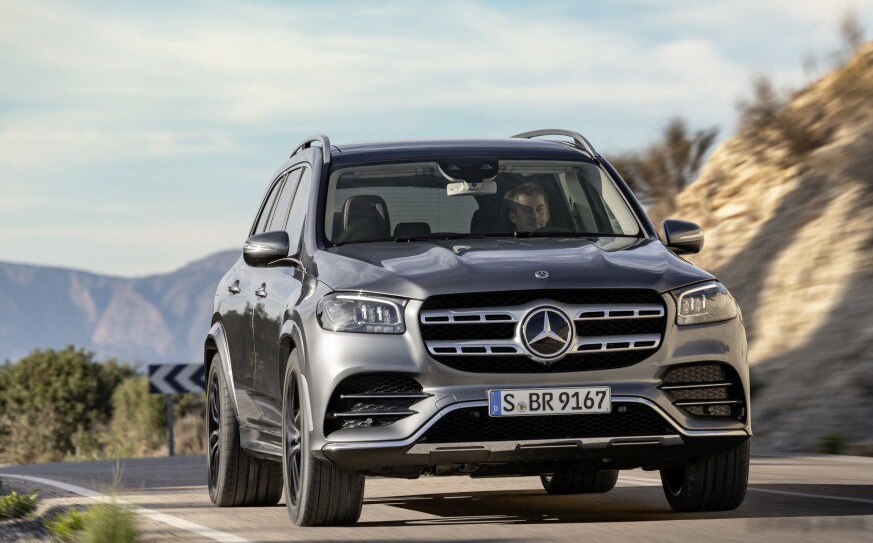
The Mercedes-Benz GLS 400 4MATIC, produced between 2015 and 2019 as part of the X166 generation, represented a significant offering in the full-size luxury SUV segment. Positioned as a mid-range option within the GLS lineup – which included the GLS 550 and the high-performance AMG variants – the 400 aimed to balance performance, comfort, and technology for discerning buyers. It served as a key model for Mercedes-Benz in North America and other markets where large, three-row SUVs were in high demand, offering a compelling alternative to rivals like the Cadillac Escalade, Lincoln Navigator, and BMW X7.
Technical Specifications
| Brand | Mercedes-Benz |
| Model | GLS |
| Generation | GLS (X166) |
| Type | GLS 400 (333 Hp) 4MATIC G-TRONIC |
| Start of production | 2015 |
| End of production | 2019 |
| Powertrain Architecture | Internal Combustion engine |
| Body type | SUV |
| Seats | 5 |
| Doors | 5 |
| Fuel consumption (urban) | 11.7-11.1 l/100 km (20.1 – 21.2 US mpg, 24.1 – 25.4 UK mpg, 8.5 – 9 km/l) |
| Fuel consumption (extra urban) | 8.0-7.5 l/100 km (29.4 – 31.4 US mpg, 35.3 – 37.7 UK mpg, 12.5 – 13.3 km/l) |
| Fuel consumption (combined) | 9.4-8.9 l/100 km (25 – 26.4 US mpg, 30.1 – 31.7 UK mpg, 10.6 – 11.2 km/l) |
| CO2 emissions | 218-206 g/km |
| Fuel Type | Petrol (Gasoline) |
| Acceleration 0 – 100 km/h | 6.6 sec |
| Acceleration 0 – 62 mph | 6.6 sec |
| Acceleration 0 – 60 mph | 6.3 sec |
| Maximum speed | 240 km/h (149.13 mph) |
| Emission standard | Euro 6 |
| Weight-to-power ratio | 7.1 kg/Hp, 141.1 Hp/tonne |
| Weight-to-torque ratio | 4.9 kg/Nm, 203.4 Nm/tonne |
| Power | 333 Hp @ 5250-6000 rpm |
| Power per litre | 111.1 Hp/l |
| Torque | 480 Nm @ 1600-4000 rpm (354.03 lb.-ft. @ 1600-4000 rpm) |
| Engine layout | Front, Longitudinal |
| Engine Model/Code | M 276.821 |
| Engine displacement | 2996 cm3 (182.83 cu. in.) |
| Number of cylinders | 6 |
| Engine configuration | V-engine |
| Compression ratio | 10.5:1 |
| Fuel injection system | Direct injection |
| Engine aspiration | BiTurbo, Intercooler |
| Engine oil capacity | 7 l (7.4 US qt | 6.16 UK qt) |
| Coolant | 10.5 l (11.1 US qt | 9.24 UK qt) |
| Kerb Weight | 2360 kg (5202.91 lbs.) |
| Max. weight | 3250 kg (7165.02 lbs.) |
| Max load | 890 kg (1962.11 lbs.) |
| Trunk (boot) space – minimum | 680 l (24.01 cu. ft.) |
| Trunk (boot) space – maximum | 2300 l (81.22 cu. ft.) |
| Fuel tank capacity | 100 l (26.42 US gal | 22 UK gal) |
| Max. roof load | 100 kg (220.46 lbs.) |
| Permitted trailer load with brakes (12%) | 3500 kg (7716.18 lbs.) |
| Permitted trailer load without brakes | 750 kg (1653.47 lbs.) |
| Length | 5130 mm (201.97 in.) |
| Width | 1934 mm (76.14 in.) |
| Width including mirrors | 2141 mm (84.29 in.) |
| Height | 1850 mm (72.83 in.) |
| Wheelbase | 3075 mm (121.06 in.) |
| Front track | 1655 mm (65.16 in.) |
| Rear (Back) track | 1675 mm (65.94 in.) |
| Minimum turning circle | 12.40 m (40.68 ft.) |
| Drive wheel | All wheel drive (4×4) |
| Number of gears and type of gearbox | 9 gears, automatic transmission G-TRONIC |
| Front suspension | Double wishbone |
| Rear suspension | Independent multi-link suspension |
| Front brakes | Ventilated discs |
| Rear brakes | Ventilated discs |
| Assisting systems | ABS (Anti-lock braking system) |
| Steering type | Steering rack and pinion |
| Tires size | 265/60 R18 |
| Wheel rims size | 18 |
Powertrain & Engine Architecture
The GLS 400 4MATIC was powered by Mercedes-Benz’s M276.821 3.0-liter V6 engine. This engine featured direct injection and twin-turbocharging, delivering a robust 333 horsepower and 354 lb-ft of torque. The twin-turbo setup utilized a sophisticated system to minimize turbo lag and provide a broad, flat torque curve. The engine’s architecture included a high compression ratio of 10.5:1, contributing to both power and efficiency. The engine was longitudinally mounted in the engine bay, powering all four wheels through Mercedes-Benz’s 9G-TRONIC nine-speed automatic transmission. This transmission was known for its smooth shifts and wide gear ratio spread, aiding both fuel economy and performance. The 9G-TRONIC allowed the engine to operate at its most efficient RPMs during highway cruising, while providing quick downshifts for acceleration.
Driving Characteristics
The GLS 400 4MATIC offered a comfortable and refined driving experience, prioritizing luxury over outright sportiness. The 333 hp engine provided adequate power for everyday driving and highway passing, with a 0-60 mph time of around 6.3 seconds. While not as quick as the higher-performance GLS 550 or AMG models, the 400 offered a more accessible entry point into the GLS range. The nine-speed automatic transmission contributed to smooth acceleration and helped to keep the engine in its optimal power band. The 4MATIC all-wheel-drive system provided excellent traction in various weather conditions. Compared to the GLS 550’s V8, the 400 felt less powerful, but also more fuel-efficient. The GLS 400’s suspension tuning focused on comfort, absorbing bumps and providing a stable ride.
Equipment & Trim Levels
The GLS 400 4MATIC came standard with a comprehensive list of features, including leather upholstery, power-adjustable front seats with memory function, a rearview camera, and a premium sound system. Standard safety features included adaptive cruise control, lane-keeping assist, and automatic emergency braking. Optional extras included a panoramic sunroof, rear-seat entertainment system, and upgraded leather packages. The interior design was typical of Mercedes-Benz, with high-quality materials and a focus on elegance and sophistication. The dashboard featured a large central display screen controlled by a rotary dial and touchpad. Trim levels were relatively simple, with most options being added individually rather than through distinct packages.
Chassis & Braking
The GLS 400 4MATIC featured a robust chassis designed to handle the vehicle’s substantial weight. The suspension consisted of a double-wishbone setup at the front and an independent multi-link suspension at the rear. The braking system utilized ventilated discs on all four wheels, providing ample stopping power. Anti-lock brakes (ABS) and electronic stability control were standard features. The GLS 400’s suspension was tuned for comfort, prioritizing ride quality over sporty handling. Stabilizer bars were fitted to both the front and rear axles to reduce body roll during cornering.
Market Reception & Comparison
The GLS 400 4MATIC was generally well-received by automotive critics, who praised its comfortable ride, spacious interior, and refined powertrain. However, some reviewers noted that its performance was not as exhilarating as some of its rivals. Fuel economy was considered average for a vehicle of its size and class. Compared to the GLS 550, the 400 offered a more affordable entry point into the GLS lineup, but with a noticeable reduction in power. The 400’s fuel economy was superior to the V8-powered GLS 550, making it a more practical choice for buyers who prioritized efficiency.
Legacy
The M276 engine family, including the one used in the GLS 400, has proven to be relatively reliable, although preventative maintenance is crucial. Common issues include oil leaks and occasional problems with the turbochargers. The 9G-TRONIC transmission has also demonstrated good durability, but fluid changes should be performed according to the manufacturer’s recommendations. On the used car market, the 2015-2019 GLS 400 4MATIC remains a popular choice for buyers seeking a luxurious and spacious SUV. Its combination of comfort, technology, and reasonable running costs makes it a compelling option in its segment. Well-maintained examples continue to command respectable prices, reflecting the enduring appeal of the Mercedes-Benz brand and the GLS’s overall quality.