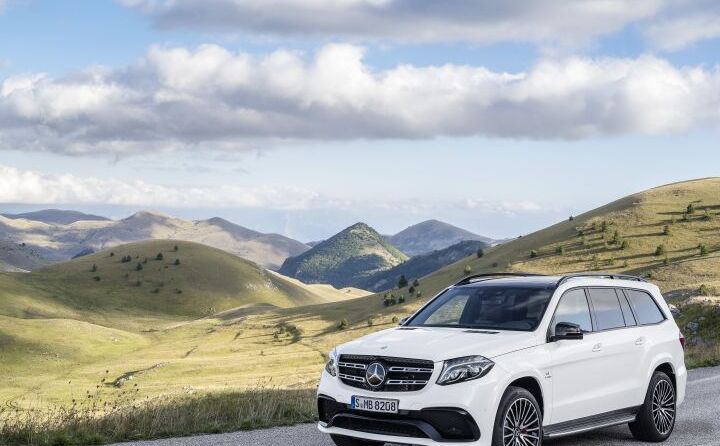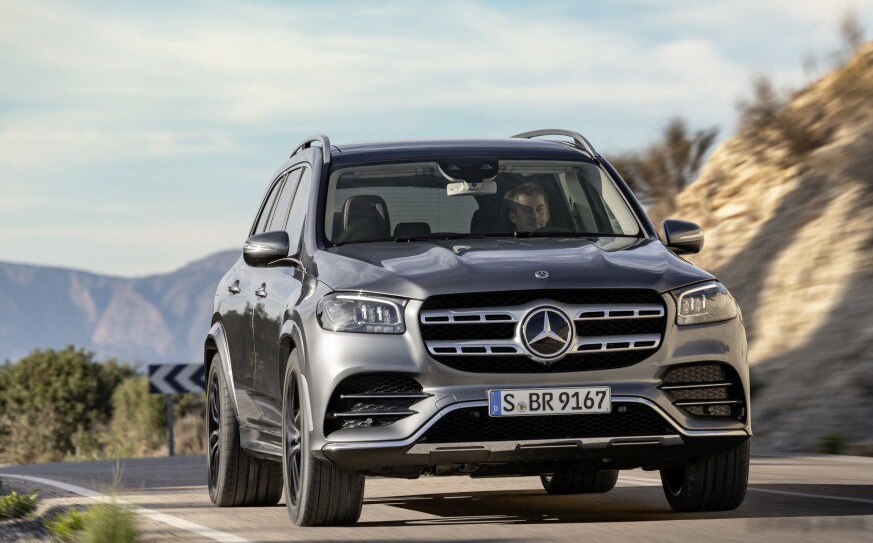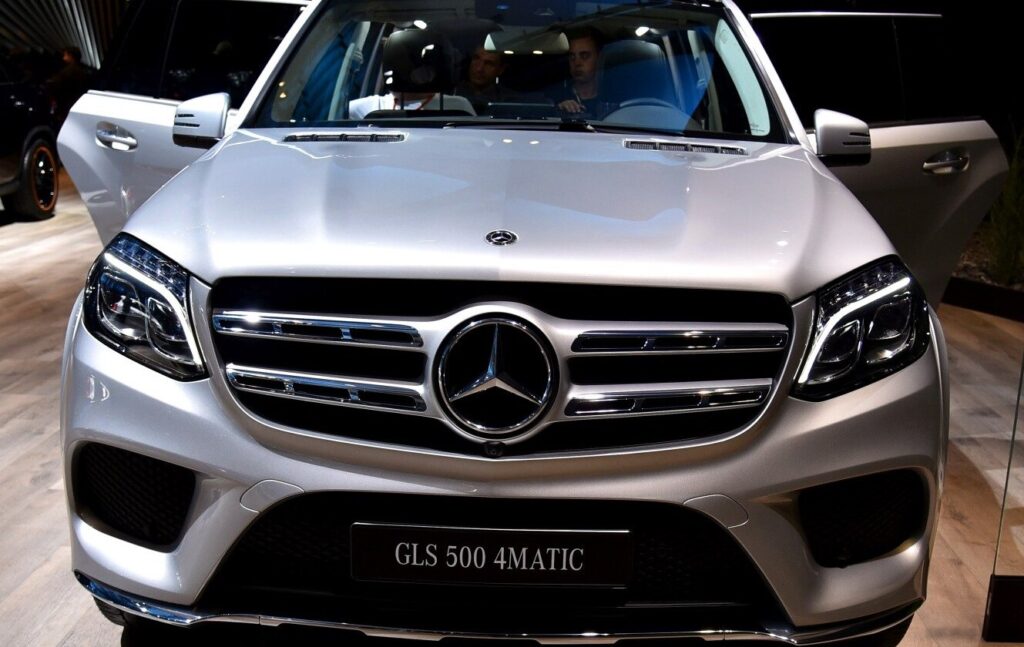
The Mercedes-Benz GLS 500 (X166) represents the pinnacle of luxury and performance within the first generation of the GLS full-size SUV, produced from 2015 to 2019. Positioned as the range-topping non-AMG variant, the GLS 500 offered a compelling blend of spaciousness, refinement, and robust power, catering to buyers seeking a premium seven-seater with genuine capability. It served as a direct successor to the GL-Class, undergoing a substantial redesign and rebranding as part of Mercedes-Benz’s evolving SUV nomenclature. The X166 platform aimed to deliver a more modern and sophisticated experience compared to its predecessor, emphasizing both on-road comfort and off-road prowess.
Technical Specifications
| Brand | Mercedes-Benz |
| Model | GLS |
| Generation | GLS (X166) |
| Type | GLS 500 (456 Hp) 4MATIC G-TRONIC |
| Start of production | 2015 |
| End of production | 2019 |
| Powertrain Architecture | Internal Combustion engine |
| Body type | SUV |
| Seats | 5 |
| Doors | 5 |
| Fuel consumption (urban) | 14.9-14.6 l/100 km (15.8 – 16.1 US mpg, 19 – 19.3 UK mpg, 6.7 – 6.8 km/l) |
| Fuel consumption (extra urban) | 9.2-8.8 l/100 km (25.6 – 26.7 US mpg, 30.7 – 32.1 UK mpg, 10.9 – 11.4 km/l) |
| Fuel consumption (combined) | 11.3-10.9 l/100 km (20.8 – 21.6 US mpg, 25 – 25.9 UK mpg, 8.8 – 9.2 km/l) |
| CO2 emissions | 264-255 g/km |
| Fuel Type | Petrol (Gasoline) |
| Acceleration 0 – 100 km/h | 5.3 sec |
| Acceleration 0 – 62 mph | 5.3 sec |
| Acceleration 0 – 60 mph | 5 sec |
| Maximum speed | 250 km/h (155.34 mph) |
| Emission standard | Euro 6 |
| Weight-to-power ratio | 5.2 kg/Hp, 192.4 Hp/tonne |
| Weight-to-torque ratio | 3.4 kg/Nm, 295.4 Nm/tonne |
| Power | 456 Hp @ 5250-5500 rpm |
| Power per litre | 97.8 Hp/l |
| Torque | 700 Nm @ 1800-4000 rpm (516.29 lb.-ft. @ 1800-4000 rpm) |
| Engine layout | Front, Longitudinal |
| Engine Model/Code | M 278.928 |
| Engine displacement | 4663 cm3 (284.55 cu. in.) |
| Number of cylinders | 8 |
| Engine configuration | V-engine |
| Compression ratio | 10.5:1 |
| Fuel injection system | Direct injection |
| Engine aspiration | BiTurbo, Intercooler |
| Engine oil capacity | 8.5 l (8.98 US qt | 7.48 UK qt) |
| Coolant | 12.9 l (13.63 US qt | 11.35 UK qt) |
| Kerb Weight | 2370 kg (5224.96 lbs.) |
| Max. weight | 3250 kg (7165.02 lbs.) |
| Max load | 880 kg (1940.07 lbs.) |
| Trunk (boot) space – minimum | 680 l (24.01 cu. ft.) |
| Trunk (boot) space – maximum | 2300 l (81.22 cu. ft.) |
| Fuel tank capacity | 100 l (26.42 US gal | 22 UK gal) |
| Max. roof load | 100 kg (220.46 lbs.) |
| Permitted trailer load with brakes (12%) | 3500 kg (7716.18 lbs.) |
| Permitted trailer load without brakes | 750 kg (1653.47 lbs.) |
| Length | 5130 mm (201.97 in.) |
| Width | 1934 mm (76.14 in.) |
| Width including mirrors | 2141 mm (84.29 in.) |
| Height | 1850 mm (72.83 in.) |
| Wheelbase | 3075 mm (121.06 in.) |
| Front track | 1655 mm (65.16 in.) |
| Rear (Back) track | 1675 mm (65.94 in.) |
| Minimum turning circle | 12.40 m (40.68 ft.) |
| Drive wheel | All wheel drive (4×4) |
| Number of gears and type of gearbox | 9 gears, automatic transmission G-TRONIC |
| Front suspension | Double wishbone |
| Rear suspension | Independent multi-link suspension |
| Front brakes | Ventilated discs |
| Rear brakes | Ventilated discs |
| Assisting systems | ABS (Anti-lock braking system) |
| Steering type | Steering rack and pinion |
| Tires size | 275/55 R19 |
| Wheel rims size | 19 |
Powertrain & Engine Architecture
The GLS 500 is powered by Mercedes-Benz’s M278.928 4.7-liter V8 engine. This engine is a sophisticated, direct-injection powerplant featuring twin turbochargers and intercooling. The M278 engine family was a significant step forward for Mercedes-Benz, incorporating features like cylinder deactivation (allowing it to run on four cylinders under light load for improved fuel economy) and a high compression ratio of 10.5:1. The engine produces 456 horsepower at 5250-5500 rpm and a substantial 700 Nm (516 lb-ft) of torque available from a low 1800 rpm all the way to 4000 rpm. This broad torque curve, combined with the 9-speed 9G-TRONIC automatic transmission, provides effortless acceleration and strong pulling power. The 9G-TRONIC transmission is designed for efficiency and smooth shifts, with closely spaced gear ratios to keep the engine in its optimal power band.
Driving Characteristics
The GLS 500 delivers a driving experience that prioritizes comfort and refinement, while still offering impressive performance for its size. The combination of the powerful V8 engine and the 9-speed automatic results in brisk acceleration – 0 to 60 mph in around 5 seconds. The 9G-TRONIC transmission contributes to a relaxed highway cruising experience, with the engine operating at low rpm. Compared to the GLS 450 (with its smaller V6 engine), the GLS 500 offers a noticeable increase in power and responsiveness. While not as sporty as some competitors, the GLS 500 provides a confident and composed ride, aided by its air suspension system (standard equipment). The 4MATIC all-wheel-drive system ensures excellent traction in various conditions.
Equipment & Trim Levels
The GLS 500 came standard with a comprehensive array of luxury features. Interior appointments included premium leather upholstery, heated and ventilated front seats with massage functions, a panoramic sunroof, and a high-end Burmester surround sound system. Standard technology included Mercedes-Benz’s COMAND infotainment system with navigation, a rearview camera, and a suite of driver-assistance features such as adaptive cruise control, lane-keeping assist, and blind-spot monitoring. Optional extras included rear-seat entertainment systems, upgraded leather packages, and various cosmetic enhancements. The interior design emphasized spaciousness and comfort, with ample room for passengers in all three rows.
Chassis & Braking
The GLS 500 features a robust chassis designed to handle its substantial weight and provide a comfortable ride. It utilizes a double-wishbone front suspension and an independent multi-link rear suspension, both with air suspension as standard. This air suspension system allows for adjustable ride height and damping, enhancing both on-road comfort and off-road capability. Braking duties are handled by ventilated discs on all four wheels, providing ample stopping power. The electronic stability program (ESP) and anti-lock braking system (ABS) are standard features, enhancing safety and control.
Market Reception & Comparison
The GLS 500 was generally well-received by automotive critics, who praised its luxurious interior, powerful engine, and comfortable ride. However, some reviewers noted its high price tag and relatively low fuel economy. Compared to the GLS 450, the 500 offered a significant performance upgrade, but at a considerable cost. Against competitors like the BMW X7 and the Audi Q7, the GLS 500 held its own in terms of luxury and features, but some found the BMW to be more engaging to drive. Fuel economy figures of around 20-21 mpg combined were typical, which is not exceptional for a vehicle of this size and weight.
Legacy
The M278 engine, while generally reliable, can require maintenance on its turbochargers and direct injection system as mileage increases. The 9G-TRONIC transmission has also proven to be generally durable, but fluid changes are crucial for long-term reliability. Today, the X166 GLS 500 represents a compelling value on the used market, offering a significant amount of luxury and performance for the price. Its spacious interior and robust build quality make it a popular choice for families seeking a premium SUV. While newer GLS models offer more advanced technology and improved fuel efficiency, the first-generation GLS 500 remains a desirable and capable vehicle.