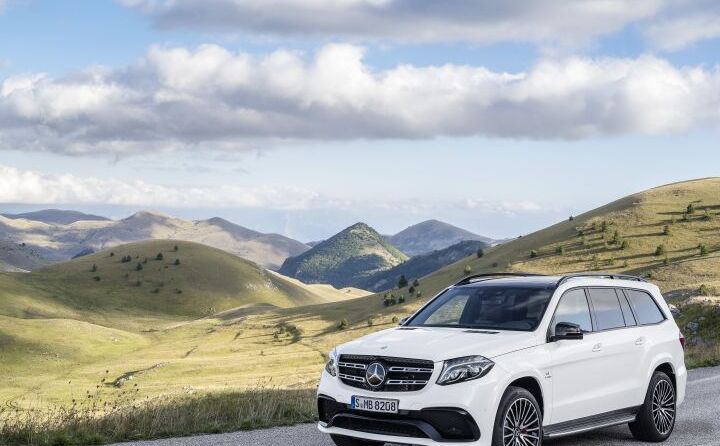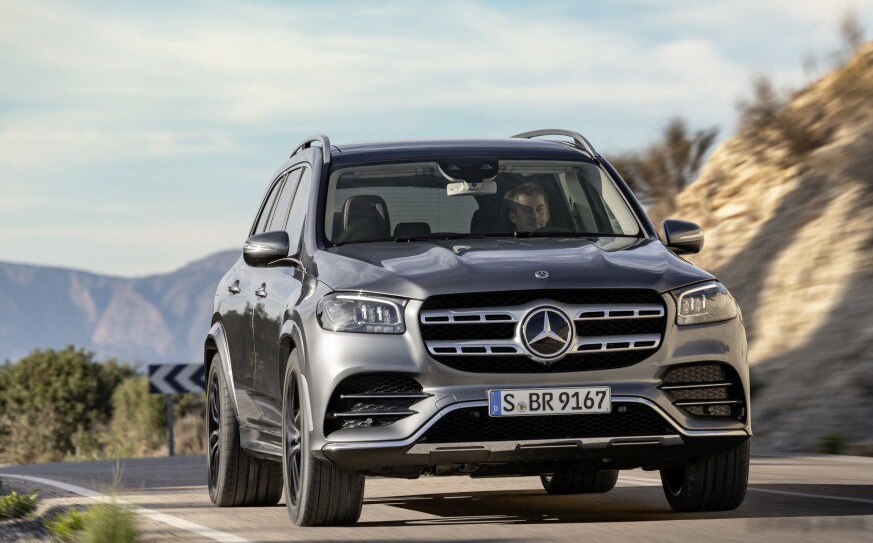
The Mercedes-Benz GLS 400d 4MATIC, produced from October 2019 to September 2023, represents a significant offering within the X167 generation of the GLS full-size luxury SUV. Positioned as a mid-to-upper trim level, the 400d combined diesel efficiency with substantial performance, appealing to buyers seeking a capable and refined seven-passenger vehicle. This variant played a key role in the GLS lineup, offering a compelling alternative to the gasoline-powered GLS 450 and the high-performance GLS 580, particularly in European markets where diesel engines maintain strong popularity. The X167 GLS marked the third generation of Mercedes-Benz’s full-size SUV, introducing increased interior space, advanced technology, and a more luxurious experience compared to its predecessors.
Technical Specifications
| Brand | Mercedes-Benz |
| Model | GLS |
| Generation | GLS (X167) |
| Type | GLS 400d (330 Hp) 4MATIC G-TRONIC |
| Start of production | October, 2019 |
| End of production | September, 2023 |
| Powertrain Architecture | Internal Combustion engine |
| Body type | SUV |
| Seats | 7 |
| Doors | 5 |
| Fuel consumption at Low speed (WLTP) | 8 l/100 km (29.4 US mpg, 35.3 UK mpg, 12.5 km/l) |
| Fuel consumption at very high speed (WLTP) | 9.6 l/100 km (24.5 US mpg, 29.4 UK mpg, 10.4 km/l) |
| CO2 emissions (WLTP) | 210-252 g/km |
| Fuel consumption (economy) – urban (NEDC, WLTP equivalent) | 8.6-10 l/100 km (27.4 – 23.5 US mpg, 32.8 – 28.2 UK mpg, 11.6 – 10 km/l) |
| Fuel consumption (economy) – extra urban (NEDC, WLTP equivalent) | 6.1-7.0 l/100 km (38.6 – 33.6 US mpg, 46.3 – 40.4 UK mpg, 16.4 – 14.3 km/l) |
| Fuel consumption (economy) – combined (NEDC, WLTP equivalent) | 7.1-8.1 l/100 km (33.1 – 29 US mpg, 39.8 – 34.9 UK mpg, 14.1 – 12.3 km/l) |
| CO2 emissions (NEDC, WLTP equivalent) | 187-213 g/km |
| Fuel Type | Diesel |
| Acceleration 0 – 100 km/h | 6.3 sec |
| Acceleration 0 – 62 mph | 6.3 sec |
| Acceleration 0 – 60 mph | 6 sec (Calculated) |
| Maximum speed | 238 km/h (147.89 mph) |
| Emission standard | Euro 6d ISC-FCM |
| Weight-to-power ratio | 7.4 kg/Hp, 135.8 Hp/tonne |
| Weight-to-torque ratio | 3.5 kg/Nm, 288.1 Nm/tonne |
| Power | 330 Hp @ 3600-4200 rpm |
| Power per litre | 112.8 Hp/l |
| Torque | 700 Nm @ 1200-3200 rpm (516.29 lb.-ft. @ 1200-3200 rpm) |
| Engine layout | Front, Longitudinal |
| Engine Model/Code | OM 656 D 29 SCR |
| Engine displacement | 2925 cm3 (178.49 cu. in.) |
| Number of cylinders | 6 |
| Engine configuration | Inline |
| Number of valves per cylinder | 4 |
| Fuel injection system | Diesel Commonrail |
| Engine aspiration | BiTurbo, Intercooler |
| Engine oil capacity | 8.5 l (8.98 US qt | 7.48 UK qt) |
| Kerb Weight | 2430 kg (5357.23 lbs.) |
| Max. weight | 3250 kg (7165.02 lbs.) |
| Max load | 820 kg (1807.79 lbs.) |
| Trunk (boot) space – minimum | 355 l (12.54 cu. ft.) |
| Trunk (boot) space – maximum | 2400 l (84.76 cu. ft.) |
| Fuel tank capacity | 90 l (23.78 US gal | 19.8 UK gal) |
| Permitted trailer load with brakes (12%) | 3500 kg (7716.18 lbs.) |
| Length | 5207 mm (205 in.) |
| Width | 1956 mm (77.01 in.) |
| Width including mirrors | 2030 mm (79.92 in.) |
| Height | 1823-1838 mm (71.77 – 72.36 in.) |
| Wheelbase | 3135 mm (123.43 in.) |
| Front track | 1669 mm (65.71 in.) |
| Rear (Back) track | 1692 mm (66.61 in.) |
| Front overhang | 936 mm (36.85 in.) |
| Rear overhang | 1136 mm (44.72 in.) |
| Ride height (ground clearance) | 200-215 mm (7.87 – 8.46 in.) |
| Approach angle | 21-23° |
| Departure angle | 20-21° |
| Ramp-over (brakeover) angle | 15-16° |
| Drivetrain Architecture | ICE drives all four wheels permanently |
| Drive wheel | All wheel drive (4×4) |
| Number of gears and type of gearbox | 9 gears, automatic transmission G-TRONIC |
| Front brakes | Ventilated discs |
| Rear brakes | Ventilated discs |
| Assisting systems | ABS (Anti-lock braking system) |
| Steering type | Steering rack and pinion |
| Power steering | Electric Steering |
| Tires size | Front: 315/40 R21, Rear: 315/40 R21 |
| Wheel rims size | Front: 10J x 21, Rear: 11J x 21 |
INTRODUCTION
The Mercedes-Benz GLS 400d 4MATIC, launched in late 2019, is a large, seven-seat SUV built on the X167 platform. This generation GLS represented a significant step forward in terms of luxury, technology, and space compared to the previous GL-Class. The 400d variant specifically targeted buyers who desired the prestige and size of the GLS but preferred the fuel efficiency and strong low-end torque characteristics of a modern diesel engine. It served as a popular alternative to the petrol-powered GLS 450, offering a different driving experience and appealing to a broader range of customers, especially in Europe and other markets where diesel remains prevalent.
Powertrain & Engine Architecture
At the heart of the GLS 400d lies the OM 656 D 29 SCR, a 2.9-liter inline-six cylinder diesel engine. This engine is a cornerstone of Mercedes-Benz’s modern diesel lineup, known for its refinement and efficiency. It utilizes a sophisticated diesel commonrail fuel injection system, delivering fuel at extremely high pressures for optimized combustion. The engine also features a bi-turbocharger setup with a variable geometry turbine (VGT) and an additional turbocharger, providing both strong low-end torque and high-end power. The SCR (Selective Catalytic Reduction) system is integral to meeting stringent emissions standards, utilizing AdBlue to reduce NOx emissions. Paired with the engine is the 9G-TRONIC nine-speed automatic transmission. This transmission is designed for smooth and efficient gear changes, contributing to both fuel economy and driving comfort. The transmission features a wide gear ratio spread, allowing the engine to operate in its optimal efficiency range more frequently.
Driving Characteristics
The GLS 400d 4MATIC delivers a refined and powerful driving experience. The 700 Nm (516 lb-ft) of torque available from just 1200 rpm provides effortless acceleration and strong pulling power, making it well-suited for towing and navigating challenging terrain. While not as overtly sporty as some of its competitors, the GLS 400d offers a composed and stable ride, thanks to its air suspension system (standard on many trims). The 9G-TRONIC transmission contributes to a smooth and seamless driving experience, with quick and precise gear changes. Compared to the GLS 450, the 400d offers a more relaxed and efficient driving experience, particularly on long journeys. The lower engine speeds at highway cruising speeds translate to reduced noise and vibration. While the 400d’s acceleration of 6.3 seconds to 60 mph is respectable, it’s slightly slower than the GLS 450.
Equipment & Trim Levels
The GLS 400d 4MATIC typically came well-equipped with standard features including Mercedes-Benz’s MBUX infotainment system with a large touchscreen display, leather upholstery, heated and ventilated front seats, a panoramic sunroof, and a premium sound system. The interior design emphasized luxury and spaciousness, with high-quality materials and meticulous attention to detail. Optional extras included features such as massaging seats, a rear-seat entertainment system, and advanced driver-assistance systems like adaptive cruise control and lane-keeping assist. Trim levels varied by market, but generally offered increasing levels of luxury and technology. The 400d often served as a base for higher-spec packages, allowing buyers to customize their vehicle with a wide range of options.
Chassis & Braking
The GLS 400d 4MATIC features a robust chassis designed to handle its substantial weight and provide a comfortable ride. It utilizes an independent suspension system with air suspension as standard, offering adjustable ride height and damping settings. This allows the driver to tailor the ride to their preferences and driving conditions. The 4MATIC all-wheel-drive system provides excellent traction in all weather conditions, distributing power between the front and rear axles as needed. Braking duties are handled by ventilated disc brakes on all four wheels, providing ample stopping power. Anti-lock braking system (ABS) and electronic stability control (ESC) are standard safety features.
Market Reception & Comparison
The GLS 400d 4MATIC was generally well-received by automotive critics, who praised its refined engine, comfortable ride, and spacious interior. It was often seen as a more sensible and practical alternative to the more expensive and performance-focused GLS 580. Compared to the GLS 450, the 400d offered superior fuel economy and a more relaxed driving experience, although it lacked the outright acceleration of the gasoline-powered model. Reliability reports have been generally positive, with the OM 656 engine proving to be a durable and dependable unit. However, as with any complex modern vehicle, potential owners should be aware of the cost of maintaining the advanced technology and systems.
Legacy
The Mercedes-Benz GLS 400d 4MATIC represents a compelling blend of luxury, performance, and efficiency. The OM 656 diesel engine has established itself as a benchmark in the diesel segment, known for its refinement and durability. On the used car market, the X167 GLS 400d holds its value well, reflecting its desirability and reputation for quality. While newer GLS models have been introduced, the 2019-2023 400d remains a highly sought-after vehicle for buyers seeking a spacious, comfortable, and capable luxury SUV with the benefits of a modern diesel powertrain.