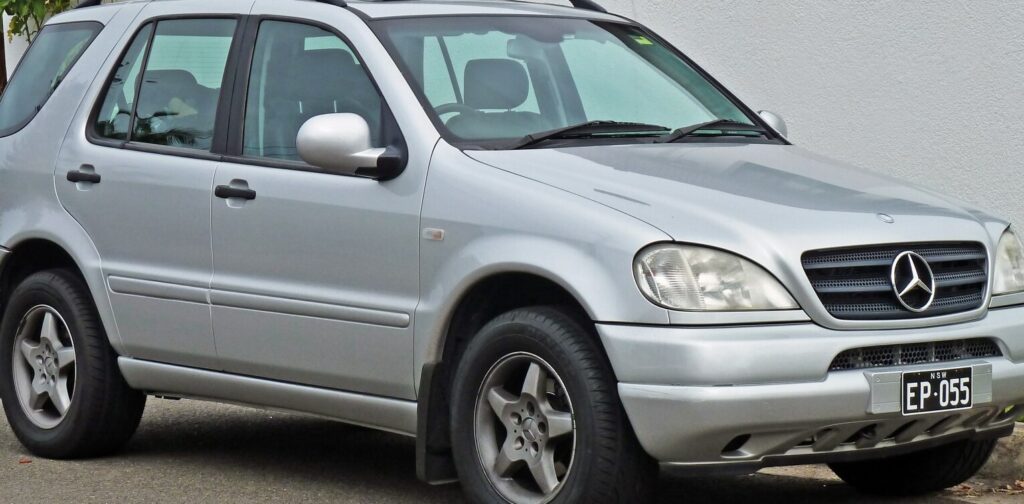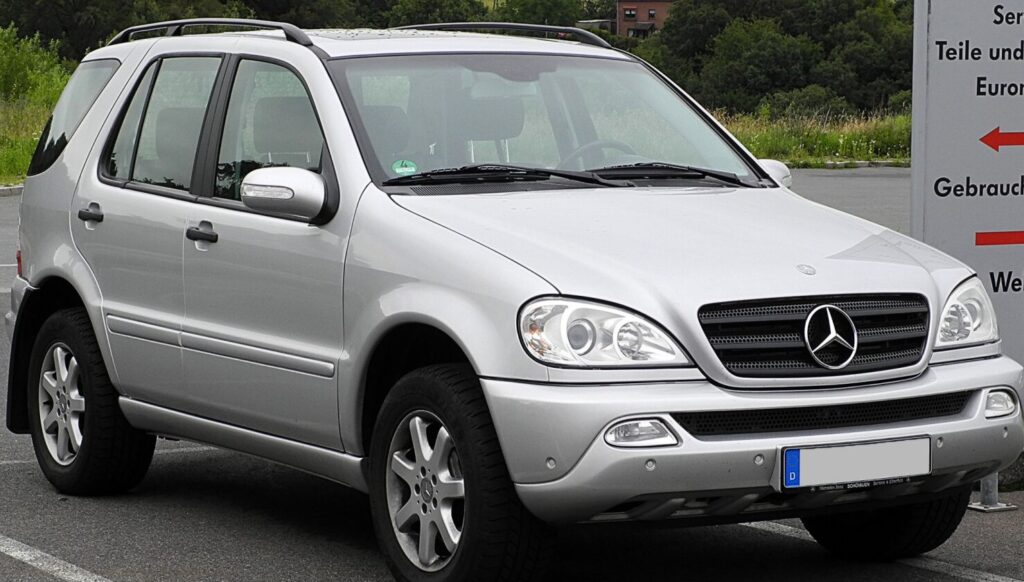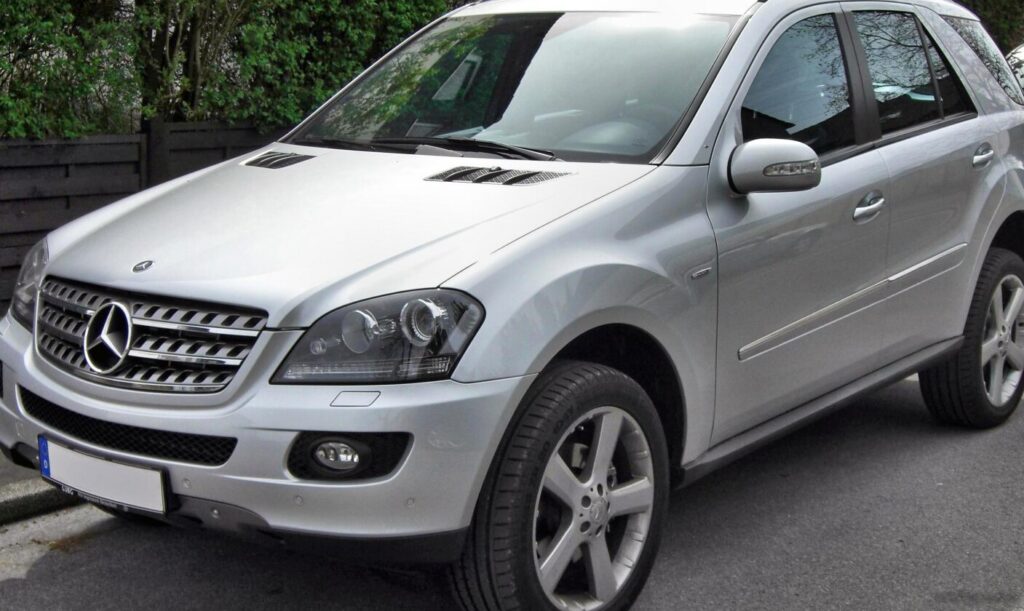
The Mercedes-Benz M-Class (W164) ML 500 V8 4MATIC, produced from 2005 to 2007, represented the top-of-the-line performance offering within the second-generation M-Class range. Positioned as the premium variant, it catered to buyers seeking a powerful and luxurious SUV experience. The W164 M-Class was Mercedes-Benz’s entry into the growing mid-size luxury SUV segment, competing with vehicles like the BMW X5 and the Porsche Cayenne. The ML 500 distinguished itself with its naturally aspirated V8 engine and sophisticated 7G-TRONIC automatic transmission, offering a blend of power, refinement, and all-weather capability thanks to its 4MATIC all-wheel-drive system.
Technical Specifications
| Brand | Mercedes-Benz |
| Model | M-Class |
| Generation | M-Class (W164) |
| Type | ML 500 V8 (306 Hp) 4MATIC 7G-TRONIC |
| Start of production | 2005 |
| End of production | 2007 |
| Powertrain Architecture | Internal Combustion engine |
| Body type | SUV |
| Seats | 5 |
| Doors | 5 |
| Fuel consumption (urban) | 18.6 l/100 km (12.6 US mpg, 15.2 UK mpg, 5.4 km/l) |
| Fuel consumption (extra urban) | 10.4 l/100 km (22.6 US mpg, 27.2 UK mpg, 9.6 km/l) |
| Fuel consumption (combined) | 13.4 l/100 km (17.6 US mpg, 21.1 UK mpg, 7.5 km/l) |
| CO2 emissions | 319 g/km |
| Fuel Type | Petrol (Gasoline) |
| Acceleration 0 – 100 km/h | 6.9 sec |
| Acceleration 0 – 62 mph | 6.9 sec |
| Acceleration 0 – 60 mph | 6.6 sec |
| Maximum speed | 235 km/h (146.02 mph) |
| Weight-to-power ratio | 6.9 kg/Hp, 145.7 Hp/tonne |
| Weight-to-torque ratio | 5.2 kg/Nm, 193.3 Nm/tonne |
| Power | 306 Hp |
| Power per litre | 61.6 Hp/l |
| Torque | 406 Nm @ 2700 rpm (299.45 lb.-ft. @ 2700 rpm) |
| Engine layout | Front, Longitudinal |
| Engine Model/Code | M 113.964 |
| Engine displacement | 4966 cm3 (303.04 cu. in.) |
| Number of cylinders | 8 |
| Engine configuration | V-engine |
| Cylinder Bore | 97 mm (3.82 in.) |
| Piston Stroke | 84 mm (3.31 in.) |
| Compression ratio | 10:1 |
| Number of valves per cylinder | 3 |
| Fuel injection system | Multi-port manifold injection |
| Engine aspiration | Naturally aspirated engine |
| Engine oil capacity | 8.5 l (8.98 US qt | 7.48 UK qt) |
| Coolant capacity | 10 l (10.57 US qt | 8.8 UK qt) |
| Kerb Weight | 2100 kg (4629.71 lbs.) |
| Max. weight | 2830 kg (6239.08 lbs.) |
| Max load | 730 kg (1609.37 lbs.) |
| Trunk (boot) space – minimum | 551 l (19.46 cu. ft.) |
| Trunk (boot) space – maximum | 2050 l (72.4 cu. ft.) |
| Fuel tank capacity | 95 l (25.1 US gal | 20.9 UK gal) |
| Length | 4780 mm (188.19 in.) |
| Width | 1911 mm (75.24 in.) |
| Height | 1815 mm (71.46 in.) |
| Wheelbase | 2915 mm (114.76 in.) |
| Front track | 1627 mm (64.06 in.) |
| Rear track | 1629 mm (64.13 in.) |
| Drive wheel | All wheel drive (4×4) |
| Number of gears | 7 |
| Gearbox type | Automatic transmission |
| Front suspension | Double wishbone |
| Rear suspension | Spring Strut |
| Front brakes | Ventilated discs |
| Rear brakes | Disc |
| Assisting systems | ABS (Anti-lock braking system) |
| Steering type | Steering rack and pinion |
| Tires size | 255/55 R18 |
| Wheel rims size | 8J x 18 |
Powertrain & Engine Architecture
The heart of the ML 500 was the M113.964 5.0-liter naturally aspirated V8 engine. This engine, a staple of Mercedes-Benz performance models during the early 2000s, featured a three-valve-per-cylinder design (two intake, one exhaust) and a multi-port fuel injection system. The engine produced 306 horsepower and 406 Nm (299.45 lb-ft) of torque at 2700 rpm. The M113 engine family was known for its smooth power delivery and robust construction. It lacked forced induction, relying on displacement and efficient cylinder head design for its performance. Paired with the engine was the 7G-TRONIC automatic transmission, a seven-speed unit that offered smooth and responsive shifting. This transmission contributed to both performance and fuel efficiency, offering a wider range of gear ratios compared to older automatic transmissions.
Driving Characteristics
The ML 500 offered a noticeably different driving experience compared to the lower-trim M-Class models, such as the ML 350. The V8 engine provided strong acceleration, with a 0-60 mph time of around 6.6 seconds. While not a sports car, the ML 500 felt considerably more powerful and capable, especially when passing or merging onto highways. The 7G-TRONIC transmission played a crucial role in maximizing the engine’s output, providing quick and seamless gear changes. The 4MATIC all-wheel-drive system ensured excellent traction in various weather conditions. Compared to the diesel-powered ML 320 CDI, the ML 500 prioritized outright power over fuel economy and low-end torque.
Equipment & Trim Levels
As the flagship model, the ML 500 came standard with a comprehensive list of features. These included leather upholstery, wood trim, dual-zone automatic climate control, a premium sound system, and power-adjustable front seats with memory function. Optional extras included a sunroof, navigation system, rear-seat entertainment system, and upgraded wheels. The interior was designed to provide a luxurious and comfortable experience, with high-quality materials and attention to detail. The ML 500’s trim level was generally distinguished by its unique badging, larger wheels, and more opulent interior appointments.
Chassis & Braking
The W164 M-Class featured a fully independent suspension system, with double wishbones at the front and a multi-link setup at the rear. This provided a comfortable ride while maintaining good handling characteristics. The ML 500 typically came equipped with larger brakes than the base models, featuring ventilated discs at all four corners and ABS (Anti-lock Braking System) as standard. The suspension was tuned to balance comfort and handling, providing a stable and controlled driving experience. Stabilizer bars were used front and rear to reduce body roll during cornering.
Market Reception & Comparison
The ML 500 was generally well-received by automotive critics, who praised its powerful engine, smooth transmission, and luxurious interior. However, its fuel economy was often criticized, as the V8 engine consumed a significant amount of gasoline. Compared to the ML 350, the ML 500 offered a substantial performance upgrade but came at a higher price point. The ML 500’s target audience was buyers who prioritized power and luxury over fuel efficiency. The diesel-powered ML 320 CDI offered comparable performance with significantly better fuel economy, appealing to a different segment of the market.
Legacy
The M113 V8 engine, found in the ML 500, is known for its reliability when properly maintained. While the engine is relatively complex, it is generally considered to be durable and long-lasting. Common maintenance items include regular oil changes, spark plug replacements, and inspection of the cooling system. Today, the W164 ML 500 can be found on the used car market at relatively affordable prices. However, potential buyers should be aware of the higher running costs associated with a V8 engine, including fuel consumption and potential maintenance expenses. Despite its age, the ML 500 remains a desirable SUV for those seeking a blend of power, luxury, and all-weather capability.