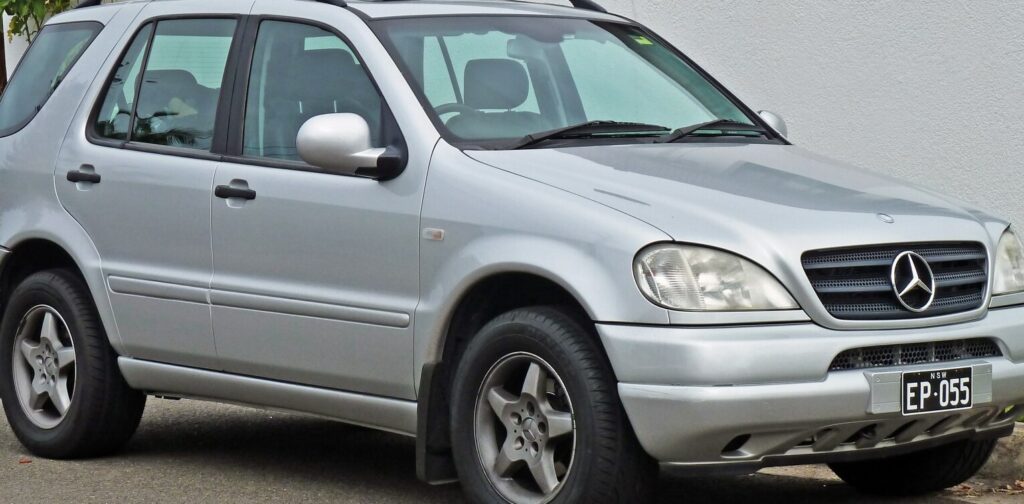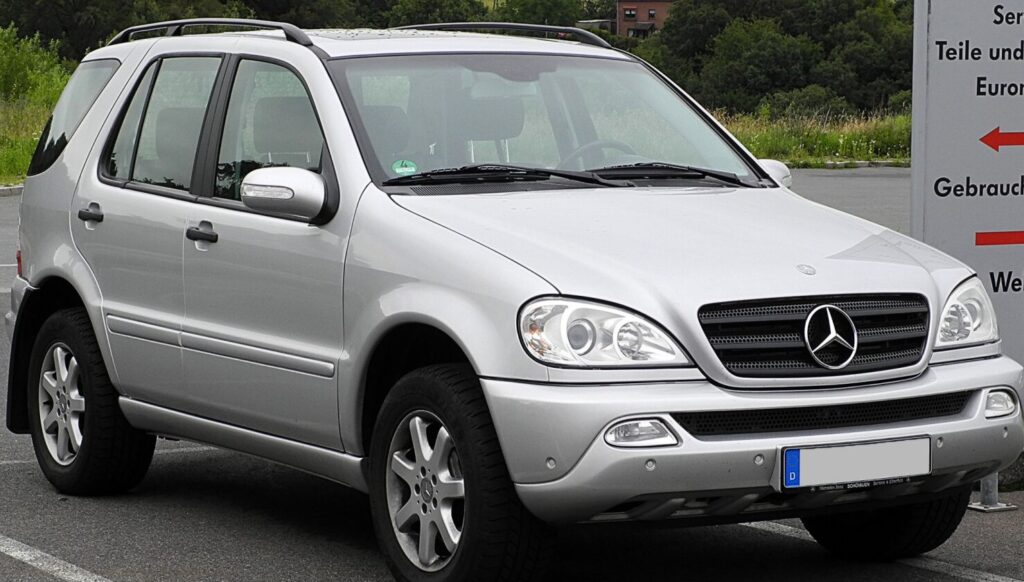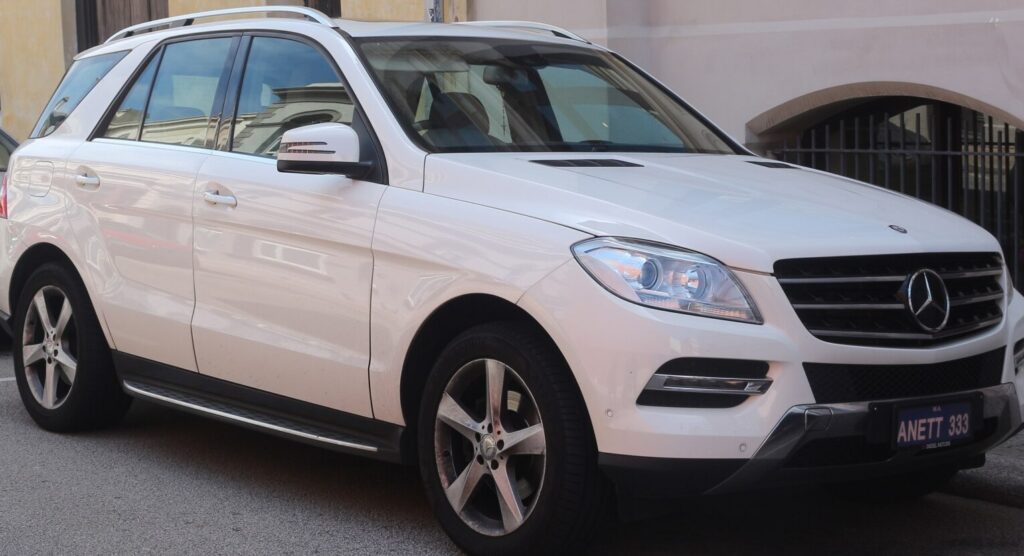
The Mercedes-Benz M-Class, internally designated as the W166, represented a significant step forward for the German automaker’s foray into the mid-size luxury SUV segment. Produced from 2012 to 2015, the W166 offered a blend of on-road comfort and respectable off-road capability. The ML 400 V6 4MATIC, introduced in January 2015 and running through July of the same year, occupied a key position in the lineup, bridging the gap between the entry-level ML 350 and the performance-oriented ML 550. This variant aimed to provide a balance of power, efficiency, and luxury features for discerning American buyers, where the M-Class found a substantial portion of its sales.
Technical Specifications
| Brand | Mercedes-Benz |
| Model | M-Class |
| Generation | M-Class (W166) |
| Type | ML 400 V6 (333 Hp) 4MATIC 7G-TRONIC PLUS |
| Start of production | January, 2015 |
| End of production | July, 2015 |
| Powertrain Architecture | Internal Combustion engine |
| Body type | SUV |
| Seats | 5 |
| Doors | 5 |
| Fuel consumption (urban) | 11.5-11.2 l/100 km (20.5 – 21 US mpg) |
| Fuel consumption (extra urban) | 7.8-7.6 l/100 km (30.2 – 30.9 US mpg) |
| Fuel consumption (combined) | 9.2-8.8 l/100 km (25.6 – 26.7 US mpg) |
| CO2 emissions | 215-209 g/km |
| Fuel Type | Petrol (Gasoline) |
| Acceleration 0 – 100 km/h | 6.1 sec |
| Acceleration 0 – 62 mph | 6.1 sec |
| Acceleration 0 – 60 mph | 5.8 sec |
| Maximum speed | 247 km/h (153.48 mph) |
| Emission standard | Euro 6 |
| Weight-to-power ratio | 6.4 kg/Hp |
| Weight-to-torque ratio | 4.4 kg/Nm |
| Power | 333 Hp @ 5250-6000 rpm |
| Torque | 480 Nm @ 1600-4000 rpm (354.03 lb.-ft.) |
| Engine layout | Front, Longitudinal |
| Engine Model/Code | M 276 DE 30 AL/276.821 |
| Engine displacement | 2996 cm3 (182.83 cu. in.) |
| Number of cylinders | 6 |
| Engine configuration | V-engine |
| Compression ratio | 10.5:1 |
| Fuel injection system | Direct injection |
| Engine aspiration | BiTurbo, Intercooler |
| Engine oil capacity | 7 l (7.4 US qt | 6.16 UK qt) |
| Coolant capacity | 10.5 l (11.1 US qt | 9.24 UK qt) |
| Kerb Weight | 2130 kg (4695.85 lbs.) |
| Max. weight | 2900 kg (6393.41 lbs.) |
| Max load | 770 kg (1697.56 lbs.) |
| Fuel tank capacity | 93 l (24.57 US gal | 20.46 UK gal) |
| Length | 4804 mm (189.13 in.) |
| Width | 1926 mm (75.83 in.) |
| Height | 1796 mm (70.71 in.) |
| Wheelbase | 2915 mm (114.76 in.) |
| Front track | 1648 mm (64.88 in.) |
| Rear track | 1663 mm (65.47 in.) |
| Minimum turning circle | 11.8 m (38.71 ft.) |
| Drive wheel | All wheel drive (4×4) |
| Number of gears | 7 |
| Gearbox type | Automatic transmission G-TRONIC |
| Front suspension | Double wishbone |
| Rear suspension | Independent multi-link suspension |
| Front brakes | Ventilated discs |
| Rear brakes | Ventilated discs |
| Assisting systems | ABS (Anti-lock braking system) |
| Steering type | Steering rack and pinion |
| Power steering | Electric Steering |
| Tires size | 255/50 R18 |
| Wheel rims size | 18 |
Powertrain & Engine Architecture
The ML 400 V6 was powered by the M276 DE 30 AL engine, a 3.0-liter V6 engine utilizing direct injection and twin-turbocharging. This engine, a member of Mercedes-Benz’s modular engine family, produced 333 horsepower at 5250-6000 rpm and 354 lb-ft of torque between 1600-4000 rpm. The direct injection system, coupled with the twin-turbochargers, allowed for a broad torque curve, providing responsive acceleration. The engine featured a compression ratio of 10.5:1. The engine was mated to Mercedes-Benz’s 7G-TRONIC PLUS seven-speed automatic transmission, known for its smooth shifts and efficiency. This transmission was specifically tuned to complement the V6 engine’s power delivery, offering both comfort and performance. The 4MATIC all-wheel-drive system distributed power between the front and rear axles, enhancing traction and stability in various driving conditions.
Driving Characteristics
The ML 400 V6 offered a noticeably more engaging driving experience than the base ML 350. The twin-turbocharged V6 provided ample power for both highway cruising and spirited driving. Acceleration from 0-60 mph was achieved in around 5.8 seconds, making it competitive within its class. The 7G-TRONIC transmission contributed to a smooth and refined ride, with well-spaced gear ratios that maximized efficiency and performance. While not as overtly sporty as the ML 550, the ML 400 offered a good balance between comfort and performance. The 4MATIC system provided confident handling in inclement weather and on varied terrain. Compared to the diesel-powered ML 350 BlueTEC, the ML 400 offered quicker acceleration but at the expense of fuel economy.
Equipment & Trim Levels
The ML 400 V6 typically came standard with a generous array of features, including leather upholstery, power-adjustable front seats with memory function, dual-zone automatic climate control, a premium sound system, and a rearview camera. The COMAND infotainment system with a central display screen was also standard. Optional extras included a panoramic sunroof, navigation system, blind-spot monitoring, lane-keeping assist, and adaptive cruise control. Interior trim options included various wood veneers and aluminum accents. The ML 400 sat in the mid-range of the W166 lineup, offering more luxury and performance than the base model but falling short of the top-tier ML 550 in terms of outright power and exclusive features.
Chassis & Braking
The W166 M-Class featured a robust chassis with a double wishbone front suspension and an independent multi-link rear suspension. This setup provided a comfortable ride while maintaining good handling characteristics. The ML 400 V6 was equipped with ventilated disc brakes on all four wheels, providing ample stopping power. The anti-lock braking system (ABS) and electronic stability control (ESC) were standard safety features. The suspension was tuned to balance comfort and handling, offering a stable and predictable driving experience. The standard tire size was 255/50 R18, mounted on 18-inch alloy wheels.
Market Reception & Comparison
The ML 400 V6 was generally well-received by automotive critics. It was praised for its powerful and refined engine, comfortable ride, and well-appointed interior. However, some reviewers noted that the fuel economy was not class-leading. Compared to the ML 350, the ML 400 offered a significant performance upgrade, while the ML 550 provided even more power but at a higher price point. The ML 400’s combination of performance, luxury, and features made it a compelling option for buyers seeking a well-rounded mid-size luxury SUV.
Legacy
The M276 engine family, including the engine found in the ML 400, has proven to be relatively reliable, although preventative maintenance is crucial. Common issues include potential oil leaks and occasional problems with the turbochargers. The 7G-TRONIC transmission is also generally reliable, but fluid changes should be performed according to the manufacturer’s recommendations. On the used car market, the W166 ML 400 V6 represents a good value proposition, offering a luxurious and capable SUV at a more affordable price point than newer models. Its blend of performance, comfort, and features continues to appeal to buyers seeking a well-rounded mid-size luxury SUV.