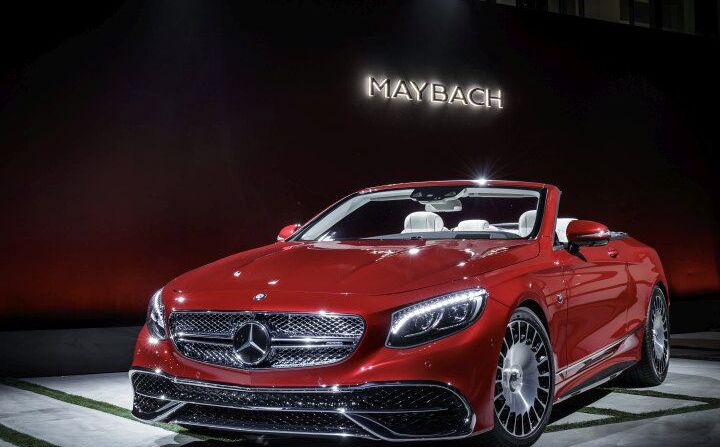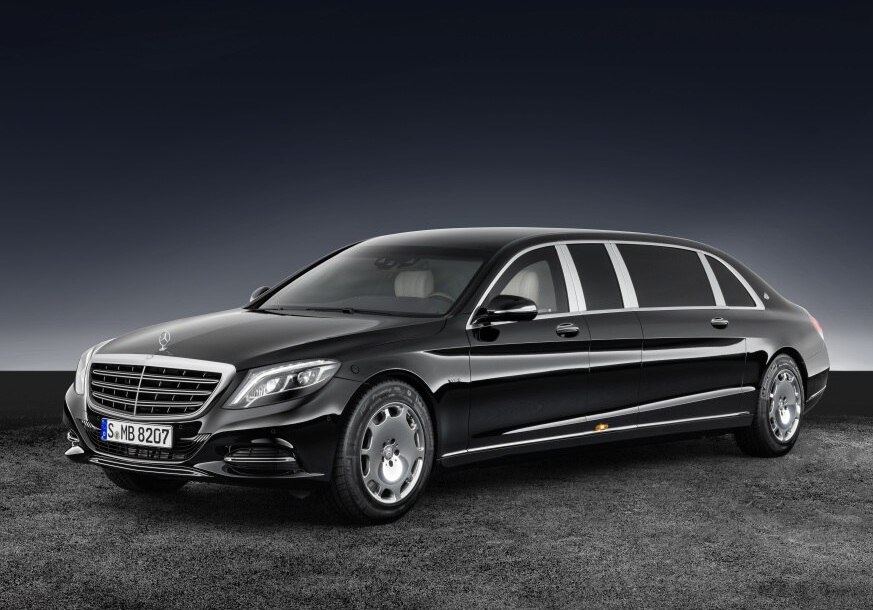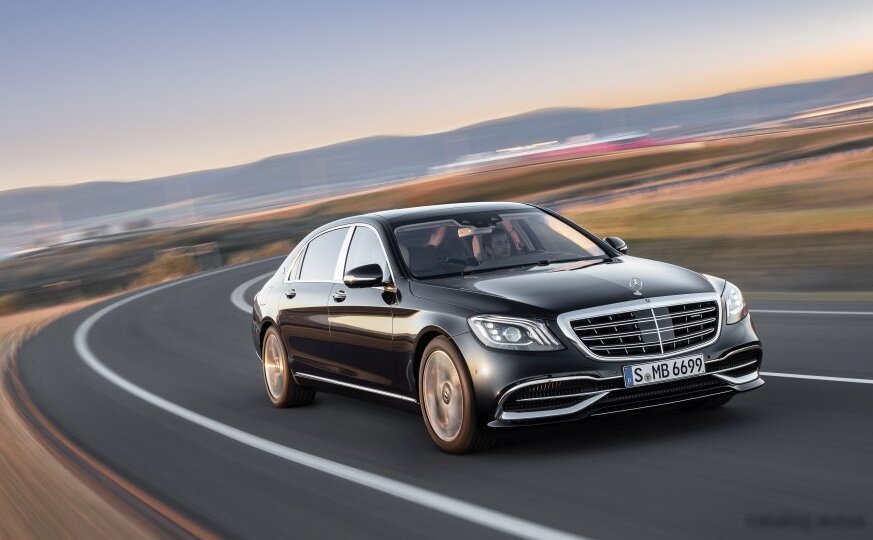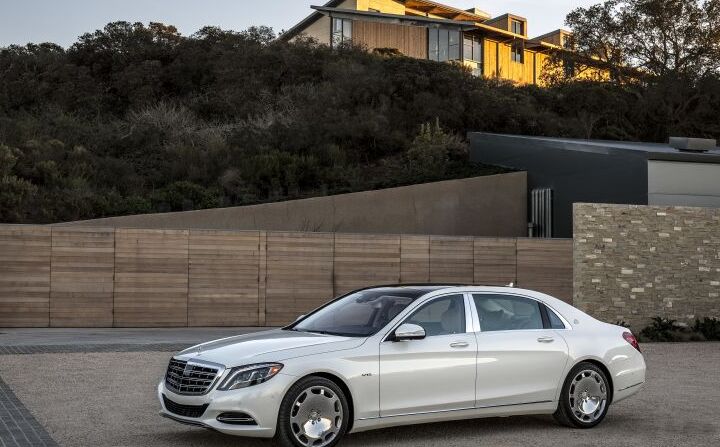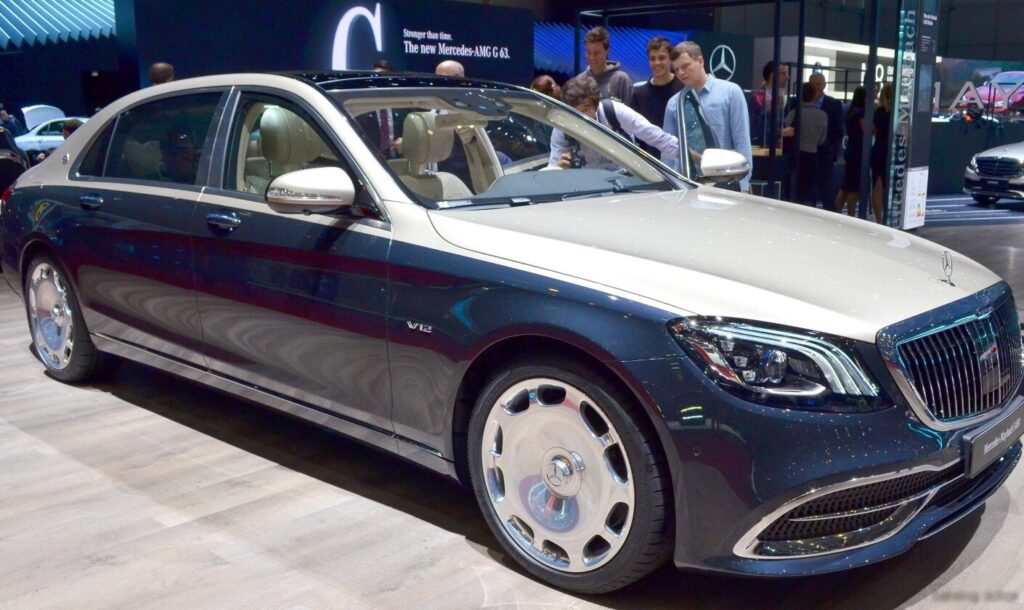
The Mercedes-Maybach S 650 V12, produced from 2017 to 2020 as part of the X222 facelift generation, represents the pinnacle of luxury and performance within the S-Class range. Positioned as the ultra-premium variant, it catered to a clientele demanding exclusivity and uncompromising power. This model superseded the previous S 600 and aimed to re-establish the Maybach nameplate as a symbol of automotive opulence. It was sold primarily in markets where luxury sedans with powerful engines were highly valued, including the United States, China, and select European countries.
Technical Specifications
| Brand | Mercedes-Benz |
| Model | S-class |
| Generation | Maybach S-class (X222, facelift 2017) |
| Type (Engine) | S 650 V12 (630 Hp) G-TRONIC |
| Start of production | 2017 |
| End of production | 2020 |
| Powertrain Architecture | Internal Combustion engine |
| Body type | Sedan |
| Seats | 4 |
| Doors | 4 |
| Fuel consumption (urban) | 18.5 l/100 km (12.7 US mpg, 15.3 UK mpg, 5.4 km/l) |
| Fuel consumption (extra urban) | 9.3 l/100 km (25.3 US mpg, 30.4 UK mpg, 10.8 km/l) |
| Fuel consumption (combined) | 12.7 l/100 km (18.5 US mpg, 22.2 UK mpg, 7.9 km/l) |
| CO2 emissions | 289 g/km |
| Fuel Type | Petrol (Gasoline) |
| Maximum speed | 250 km/h (155.34 mph) |
| Emission standard | Euro 6 |
| Weight-to-power ratio | 3.6 kg/Hp, 275.7 Hp/tonne |
| Weight-to-torque ratio | 2.3 kg/Nm, 437.6 Nm/tonne |
| Power | 630 Hp @ 5000 rpm |
| Power per litre | 105.4 Hp/l |
| Torque | 1000 Nm @ 2300-4200 rpm (737.56 lb.-ft. @ 2300-4200 rpm) |
| Engine layout | Front, Longitudinal |
| Engine Model/Code | M 279.980 |
| Engine displacement | 5980 cm3 (364.92 cu. in.) |
| Number of cylinders | 12 |
| Engine configuration | V-engine |
| Compression ratio | 9:1 |
| Fuel injection system | Multi-port manifold injection |
| Engine aspiration | BiTurbo, Intercooler |
| Engine oil capacity | 10.5 l (11.1 US qt | 9.24 UK qt) |
| Coolant | 14 l (14.79 US qt | 12.32 UK qt) |
| Kerb Weight | 2285 kg (5037.56 lbs.) |
| Max. weight | 2820 kg (6217.04 lbs.) |
| Max load | 535 kg (1179.47 lbs.) |
| Trunk (boot) space – minimum | 500 l (17.66 cu. ft.) |
| Fuel tank capacity | 80 l (21.13 US gal | 17.6 UK gal) |
| Length | 5462 mm (215.04 in.) |
| Width | 1899 mm (74.76 in.) |
| Width including mirrors | 2130 mm (83.86 in.) |
| Height | 1498 mm (58.98 in.) |
| Wheelbase | 3365 mm (132.48 in.) |
| Front track | 1634 mm (64.33 in.) |
| Rear (Back) track | 1632 mm (64.25 in.) |
| Front overhang | 897 mm (35.31 in.) |
| Rear overhang | 1200 mm (47.24 in.) |
| Drag coefficient (Cd) | 0.28 |
| Minimum turning circle (turning diameter) | 12.9 m (42.32 ft.) |
| Drivetrain Architecture | Rear wheel drive |
| Drive wheel | Rear wheel drive |
| Number of gears and type of gearbox | 7 gears, automatic transmission G-TRONIC PLUS |
| Front suspension | Independent multi-link suspension |
| Rear suspension | Independent multi-link suspension |
| Front brakes | Ventilated discs |
| Rear brakes | Ventilated discs |
| Assisting systems | ABS (Anti-lock braking system) |
| Tires size | 245/45 R19; 275/40 R19 |
| Wheel rims size | 19 |
INTRODUCTION
The Mercedes-Maybach S 650 V12, built between 2017 and 2020, is a luxury sedan based on the W222 S-Class platform. The “X222” designation specifically refers to the long-wheelbase Maybach variant. This iteration represented a significant refresh for the Maybach line, aiming to distance itself from the previous generation and re-establish its position as a competitor to Rolls-Royce and Bentley. The S 650 V12 was the range-topping model, offering the most powerful engine and the highest level of standard equipment. It was designed for discerning customers who prioritized a smooth, quiet ride and exceptional performance.
Powertrain & Engine Architecture
At the heart of the S 650 V12 lies the M279.980 6.0-liter twin-turbocharged V12 engine. This engine is a marvel of engineering, featuring a hot-vee configuration where the turbochargers are located within the 90-degree V of the engine block. This design minimizes exhaust gas travel, improving turbocharger response and efficiency. The engine utilizes multi-port fuel injection and boasts a compression ratio of 9:1. The engine produces 630 horsepower at 5000 rpm and a staggering 1000 Nm (737.56 lb-ft) of torque between 2300 and 4200 rpm. This immense torque is a key characteristic of the V12, providing effortless acceleration in any situation. The engine is paired with the 7G-TRONIC PLUS seven-speed automatic transmission, specifically tuned for smooth and refined shifts. This transmission features a torque converter lockup clutch that engages at higher speeds to improve fuel efficiency and reduce slippage.
Driving Characteristics
The S 650 V12 delivers a driving experience focused on effortless power and supreme comfort. The abundant torque allows for brisk acceleration without requiring the engine to be revved high. The 7G-TRONIC transmission provides seamless gear changes, contributing to a smooth and refined ride. While not designed for track performance, the S 650 V12 can accelerate from 0 to 60 mph in around 4.7 seconds. Compared to the S 560 (V8) or even the S 63 AMG (also V8, but performance-oriented), the S 650 prioritizes a more relaxed and refined power delivery. The V12’s smoothness and quietness are unmatched, creating a serene cabin environment. The gear ratios are optimized for both acceleration and highway cruising, providing a comfortable experience at all speeds.
Equipment & Trim Levels
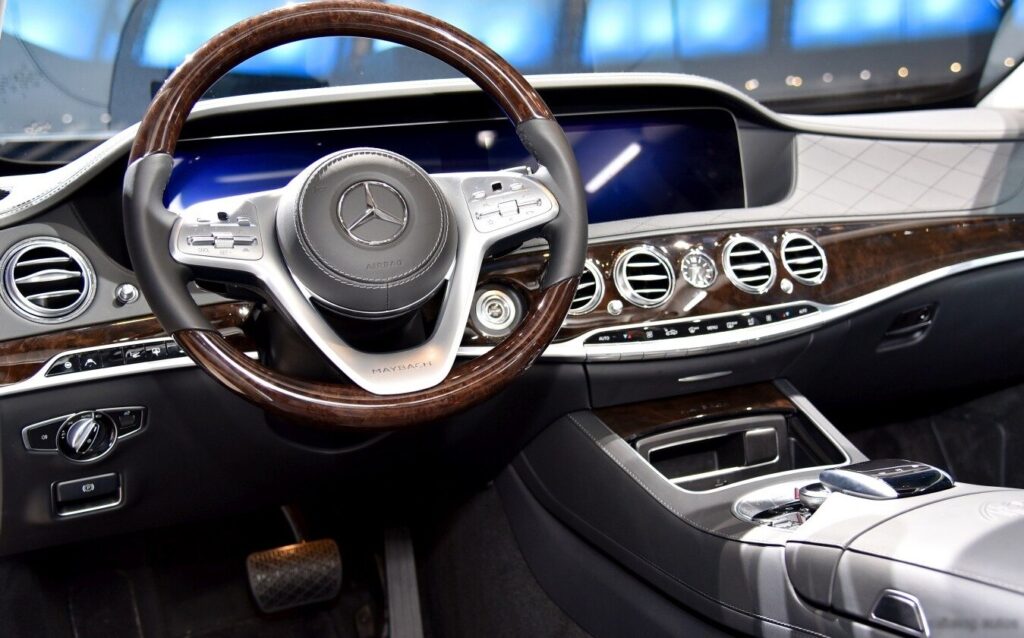
The S 650 V12 came standard with an extensive list of luxury features. Interior appointments included premium leather upholstery, wood trim, and metal accents. Standard features included heated and ventilated front and rear seats with massage functions, a Burmester high-end sound system, a rear-seat entertainment system with dual screens, and a panoramic sunroof. The rear seats were particularly luxurious, offering reclining functions and individual climate control. Optional extras included a champagne cooler, bespoke interior customization options, and advanced driver-assistance systems. The exterior featured unique Maybach badging, a distinctive grille, and polished chrome accents.
Chassis & Braking
The S 650 V12 utilized the standard S-Class chassis, but with Maybach-specific tuning for enhanced ride comfort. It featured an AIRMATIC suspension system with adaptive damping, which automatically adjusts the suspension to road conditions. The suspension was tuned to provide a plush and isolated ride, minimizing body roll and absorbing bumps effectively. The braking system consisted of ventilated discs on all four wheels, providing ample stopping power. Anti-lock braking system (ABS) and electronic stability control (ESC) were standard features. Due to the vehicle’s weight, the rear brakes were larger than those on the standard S-Class models.
Market Reception & Comparison
The Mercedes-Maybach S 650 V12 was generally well-received by critics, who praised its luxurious interior, powerful engine, and smooth ride. However, its high price tag and relatively poor fuel economy were noted as drawbacks. Compared to the S 63 AMG, the S 650 V12 offered a more refined and comfortable experience, sacrificing some performance. Compared to the S 560, the S 650 V12 provided significantly more power and a higher level of luxury. Fuel economy was predictably lower than the V8 models, averaging around 18.5 US mpg in combined driving. Reliability was generally good, consistent with other Mercedes-Benz models, although the complexity of the V12 engine meant that maintenance costs were higher.
Legacy
The Mercedes-Maybach S 650 V12 represents a high point in ultra-luxury sedan design and engineering. While production ended in 2020, these vehicles remain highly sought after by collectors and enthusiasts. The M279 V12 engine is considered one of the last of its kind, as manufacturers increasingly move towards smaller, turbocharged engines. The S 650 V12’s combination of power, luxury, and exclusivity ensures its place as a significant vehicle in automotive history. On the used car market, these models command a premium price, reflecting their rarity and desirability. Maintenance can be expensive due to the complexity of the engine and the high cost of parts, but well-maintained examples are expected to remain reliable for many years to come.