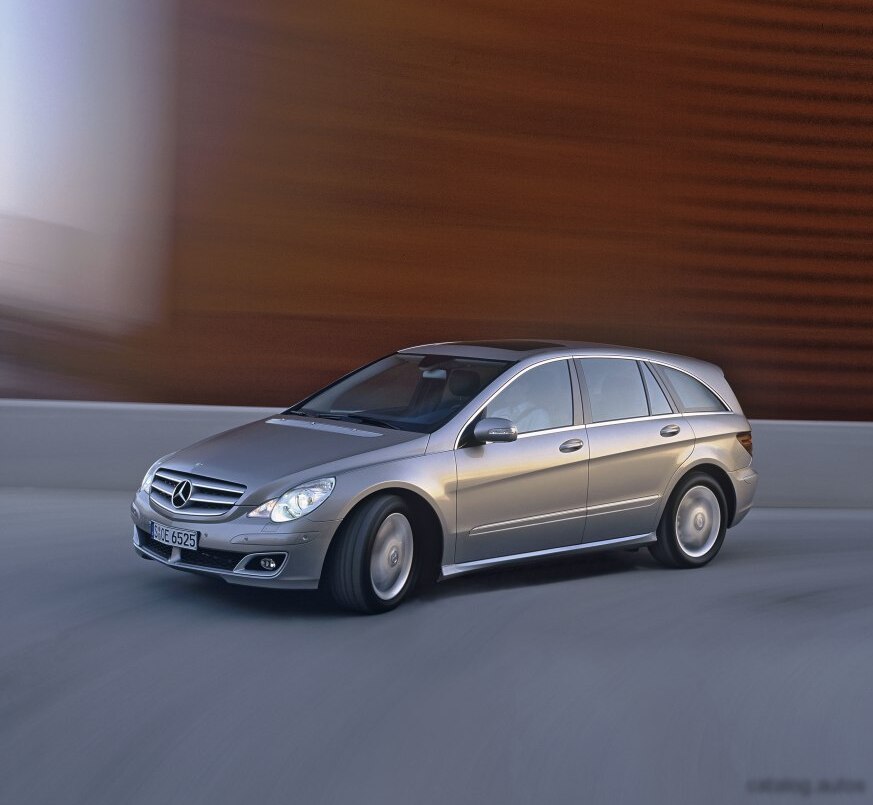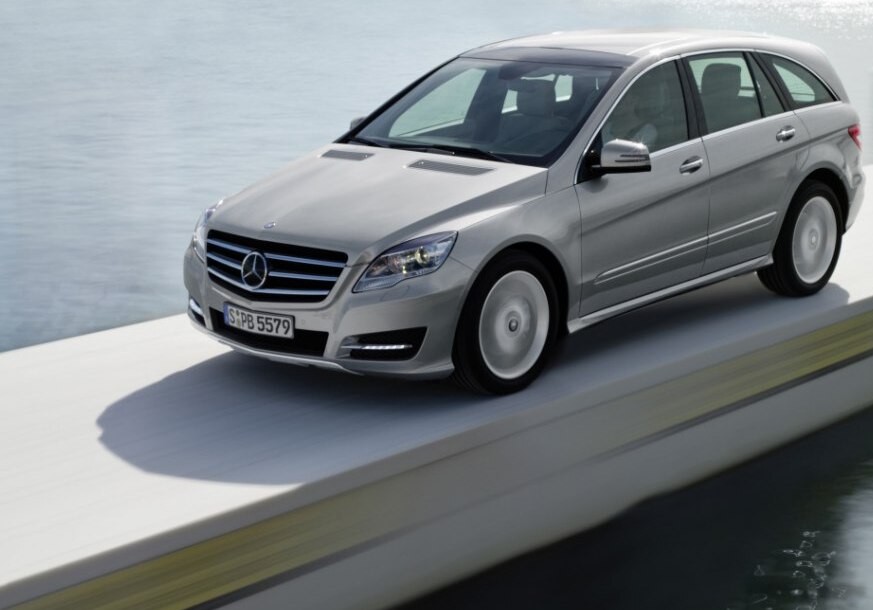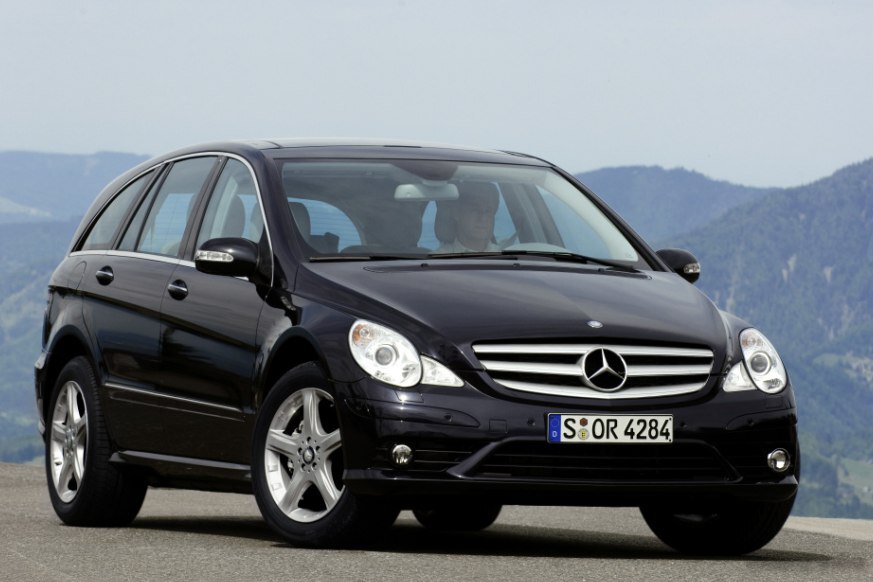
The Mercedes-Benz R-Class (W251) R 300 CDI V6 G-TRONIC, produced from 2009 to 2010, represented a unique offering in the luxury vehicle segment. Positioned as a spacious, six or seven-seat vehicle, the R-Class aimed to blend the practicality of a minivan with the prestige and driving experience associated with Mercedes-Benz. The R 300 CDI V6, equipped with a diesel engine and a 7-speed automatic transmission, was a mid-range offering within the R-Class lineup, designed to balance fuel efficiency with acceptable performance for long-distance touring and family transport. It was primarily sold in European markets, where larger, multi-purpose vehicles were more readily accepted than in the United States.
Technical Specifications
| Brand | Mercedes-Benz |
| Model | R-class |
| Generation | R-class (W251) |
| Type (Engine) | R 300 CDI V6 (190 Hp) G-TRONIC |
| Start of production | 2009 |
| End of production | 2010 |
| Powertrain Architecture | Internal Combustion engine |
| Body type | Station wagon (estate) |
| Seats | 5 |
| Doors | 5 |
| Fuel consumption (combined) | 8.5 l/100 km (27.7 US mpg, 33.2 UK mpg, 11.8 km/l) |
| CO2 emissions | 224 g/km |
| Fuel Type | Diesel |
| Acceleration 0 – 100 km/h | 9.7 sec |
| Acceleration 0 – 62 mph | 9.7 sec |
| Acceleration 0 – 60 mph | 9.2 sec |
| Maximum speed | 210 km/h (130.49 mph) |
| Emission standard | Euro 5 |
| Weight-to-power ratio | 11.6 kg/Hp, 86.6 Hp/tonne |
| Weight-to-torque ratio | 5 kg/Nm, 200.5 Nm/tonne |
| Power | 190 Hp @ 3800 rpm |
| Power per litre | 63.6 Hp/l |
| Torque | 440 Nm @ 1400-2800 rpm (324.53 lb.-ft. @ 1400-2800 rpm) |
| Engine layout | Front, Longitudinal |
| Engine Model/Code | OM 642.950 |
| Engine displacement | 2987 cm3 (182.28 cu. in.) |
| Number of cylinders | 6 |
| Engine configuration | V-engine |
| Compression ratio | 15.5:1 |
| Fuel injection system | Diesel Commonrail |
| Engine aspiration | Turbocharger, Intercooler |
| Engine oil capacity | 8.5 l (8.98 US qt | 7.48 UK qt) |
| Coolant capacity | 10.1 l (10.67 US qt | 8.89 UK qt) |
| Kerb Weight | 2195 kg (4839.15 lbs.) |
| Max. weight | 2840 kg (6261.13 lbs.) |
| Max load | 645 kg (1421.98 lbs.) |
| Trunk (boot) space – minimum | 550 l (19.42 cu. ft.) |
| Trunk (boot) space – maximum | 1950 l (68.86 cu. ft.) |
| Fuel tank capacity | 80 l (21.13 US gal | 17.6 UK gal) |
| Permitted trailer load with brakes (12%) | 2100 kg (4629.71 lbs.) |
| Permitted trailer load without brakes | 750 kg (1653.47 lbs.) |
| Length | 4922 mm (193.78 in.) |
| Width | 1922 mm (75.67 in.) |
| Height | 1674 mm (65.91 in.) |
| Wheelbase | 2980 mm (117.32 in.) |
| Front track | 1661 mm (65.39 in.) |
| Rear (Back) track | 1651 mm (65 in.) |
| Minimum turning circle | 11.8 m (38.71 ft.) |
| Drivetrain Architecture | Rear wheel drive |
| Number of gears and type of gearbox | 7 gears, automatic transmission G-TRONIC |
| Front suspension | Double wishbone |
| Rear suspension | Independent multi-link spring suspension with stabilizer |
| Front brakes | Ventilated discs |
| Rear brakes | Disc |
| Assisting systems | ABS (Anti-lock braking system) |
| Steering type | Steering rack and pinion |
| Power steering | Hydraulic Steering |
| Tires size | 235/65 R17 |
| Wheel rims size | 17 |
Powertrain & Engine Architecture
The R 300 CDI V6 utilized the OM 642.950 engine, a 3.0-liter V6 diesel engine. This engine was a mainstay in many Mercedes-Benz vehicles of the era, known for its robust construction and relatively smooth operation for a diesel. It featured a common rail direct injection system, delivering fuel at extremely high pressure for improved combustion efficiency and reduced emissions. A variable geometry turbocharger with an intercooler further enhanced performance. The engine produced 190 horsepower at 3800 rpm and a substantial 440 Nm (324.53 lb-ft) of torque between 1400 and 2800 rpm. This broad torque curve was a key characteristic, providing strong pulling power at lower engine speeds. The engine’s 15.5:1 compression ratio was typical for a diesel engine, contributing to its efficiency. The G-TRONIC 7-speed automatic transmission was a crucial component, offering smooth and relatively quick shifts. It was designed to handle the engine’s torque output effectively and contribute to fuel economy.
Driving Characteristics
The R 300 CDI V6 G-TRONIC offered a comfortable and refined driving experience, prioritizing ease of use over outright sportiness. The 7-speed automatic transmission was well-matched to the engine’s characteristics, providing smooth acceleration and minimizing gear hunting. While the 0-60 mph time of around 9.2 seconds wasn’t particularly quick, the engine’s ample torque made it feel more responsive in everyday driving situations, such as overtaking on the highway. Compared to the more powerful R 350 models, the R 300 CDI offered significantly better fuel economy, but at the expense of outright acceleration. The automatic transmission, while smooth, didn’t offer the same level of driver engagement as a manual gearbox. The rear-wheel drive configuration provided a balanced feel, although it wasn’t ideal for driving in inclement weather without appropriate tires.
Equipment & Trim Levels
The R 300 CDI V6 typically came with a generous level of standard equipment, reflecting its luxury positioning. This included features such as automatic climate control, power-adjustable front seats, a multi-function steering wheel, and a premium audio system. Interior upholstery was typically a combination of leather and high-quality fabrics. Optional extras included a panoramic sunroof, navigation system, upgraded leather upholstery, and advanced driver-assistance systems. Trim levels varied depending on the market, but generally offered increasing levels of luxury and technology. The R-Class was designed to be a versatile vehicle, with a configurable seating arrangement allowing for either six or seven passengers.
Chassis & Braking
The R-Class (W251) featured a robust chassis designed to handle the vehicle’s weight and provide a comfortable ride. The front suspension utilized a double wishbone setup, while the rear employed an independent multi-link spring suspension with a stabilizer bar. This configuration aimed to balance ride comfort with handling stability. Braking duties were handled by ventilated discs at the front and solid discs at the rear, equipped with ABS (Anti-lock Braking System). The hydraulic power steering provided a reasonably direct and responsive feel. The R 300 CDI, being a mid-range model, typically featured slightly smaller wheels and tires compared to the higher-performance variants.
Market Reception & Comparison
The Mercedes-Benz R-Class was a polarizing vehicle upon its release. Critics praised its spacious interior, comfortable ride, and refined powertrain, but many questioned its unconventional styling and its positioning in the market. The R 300 CDI V6 was generally well-received for its fuel efficiency and strong torque output, making it a practical choice for long-distance drivers. Compared to the R 350, the R 300 CDI offered better fuel economy but less outright performance. Against competitors like the Volvo XC90 and BMW X5, the R-Class offered a unique blend of space and luxury, but its styling often proved to be a deciding factor for potential buyers.
Legacy
The Mercedes-Benz R-Class (W251) was discontinued after a relatively short production run. While it didn’t achieve the sales success Mercedes-Benz had hoped for, it remains a unique and interesting vehicle. The OM 642 engine, in particular, is known for its durability and reliability, provided it is properly maintained. Used examples of the R 300 CDI V6 are relatively affordable, making them an attractive option for buyers seeking a spacious and comfortable luxury vehicle. However, potential buyers should be aware of the potential for higher maintenance costs associated with a complex vehicle like the R-Class, and the importance of regular servicing to ensure the longevity of the diesel engine and automatic transmission.