Technical Specifications
| Brand | Mercedes-Benz |
| Model | S-class |
| Generation | S-class Coupe (C217) |
| Type (Engine) | AMG S 63 V8 (585 Hp) AMG SPEEDSHIFT MCT |
| Start of production | July, 2014 |
| End of production | September, 2017 |
| Powertrain Architecture | Internal Combustion engine |
| Body type | Coupe |
| Seats | 4 |
| Doors | 2 |
| Fuel consumption (economy) – urban (NEDC) | 14 l/100 km (16.8 US mpg, 20.2 UK mpg, 7.1 km/l) |
| Fuel consumption (economy) – extra urban (NEDC) | 7.8 l/100 km (30.2 US mpg, 36.2 UK mpg, 12.8 km/l) |
| Fuel consumption (economy) – combined (NEDC) | 10.1 l/100 km (23.3 US mpg, 28 UK mpg, 9.9 km/l) |
| CO2 emissions (NEDC) | 237 g/km |
| Fuel Type | Petrol (Gasoline) |
| Acceleration 0 – 100 km/h | 4.2 sec |
| Acceleration 0 – 62 mph | 4.2 sec |
| Acceleration 0 – 60 mph | 4 sec |
| Maximum speed | 250 km/h (155.34 mph), Electronically limited |
| Emission standard | Euro 6 |
| Weight-to-power ratio | 3.4 kg/Hp, 293.2 Hp/tonne |
| Weight-to-torque ratio | 2.2 kg/Nm, 451.1 Nm/tonne |
| Power | 585 Hp @ 5500 rpm |
| Power per litre | 107.1 Hp/l |
| Torque | 900 Nm @ 2250-3750 rpm (663.81 lb.-ft. @ 2250-3750 rpm) |
| Engine layout | Front, Longitudinal |
| Engine Model/Code | M 157.985 |
| Engine displacement | 5461 cm3 (333.25 cu. in.) |
| Number of cylinders | 8 |
| Engine configuration | V-engine |
| Cylinder Bore | 98 mm (3.86 in.) |
| Piston Stroke | 90.5 mm (3.56 in.) |
| Compression ratio | 10:1 |
| Number of valves per cylinder | 4 |
| Fuel injection system | Direct injection |
| Engine aspiration | BiTurbo, Intercooler |
| Valvetrain | DOHC |
| Engine oil capacity | 8.5 l (8.98 US qt | 7.48 UK qt) |
| Coolant | 11.5 l (12.15 US qt | 10.12 UK qt) |
| Kerb Weight | 1995 kg (4398.22 lbs.) |
| Max. weight | 2535 kg (5588.72 lbs.) |
| Max load | 540 kg (1190.5 lbs.) |
| Trunk (boot) space – minimum | 400 l (14.13 cu. ft.) |
| Fuel tank capacity | 80 l (21.13 US gal | 17.6 UK gal) |
| Length | 5044 mm (198.58 in.) |
| Width | 1913 mm (75.31 in.) |
| Width including mirrors | 2108 mm (82.99 in.) |
| Height | 1424 mm (56.06 in.) |
| Wheelbase | 2945 mm (115.94 in.) |
| Front track | 1642 mm (64.65 in.) |
| Rear (Back) track | 1643 mm (64.69 in.) |
| Front overhang | 971 mm (38.23 in.) |
| Rear overhang | 1128 mm (44.41 in.) |
| Ride height (ground clearance) | 133 mm (5.24 in.) |
| Minimum turning circle (turning diameter) | 11.6 m (38.06 ft.) |
| Drivetrain Architecture | Rear wheel drive |
| Number of gears and type of gearbox | 7 gears, automatic transmission AMG SPEEDSHIFT MCT |
| Front suspension | Hydro-pneumatic element, Independent multi-link suspension |
| Rear suspension | Hydro-pneumatic element, Independent multi-link suspension |
| Front brakes | Ventilated discs, 390×36 mm |
| Rear brakes | Ventilated discs, 360×26 mm |
| Tires size | Front wheel tires: 255/45 R19; 255/40 R20Rear wheel tires: 285/40 R19; 285/35 R20 |
| Wheel rims size | Front wheel rims: 8.5J x 19; 8.5J x 20Rear wheel rims: 9.5J x 19; 9.5J x 20 |
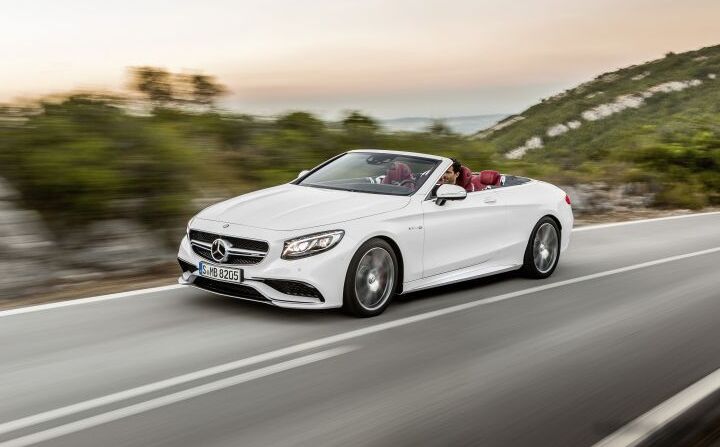
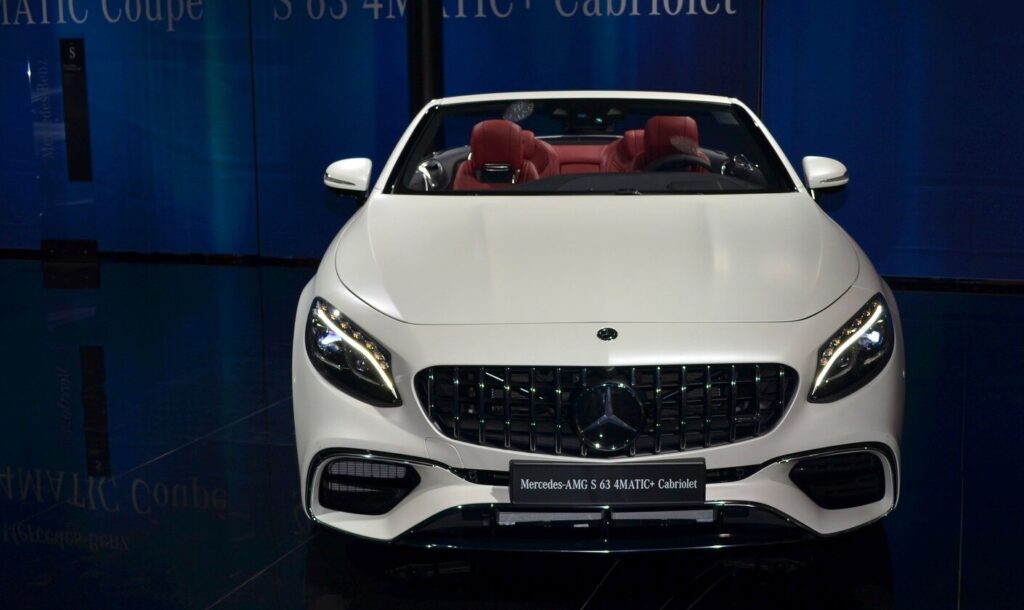
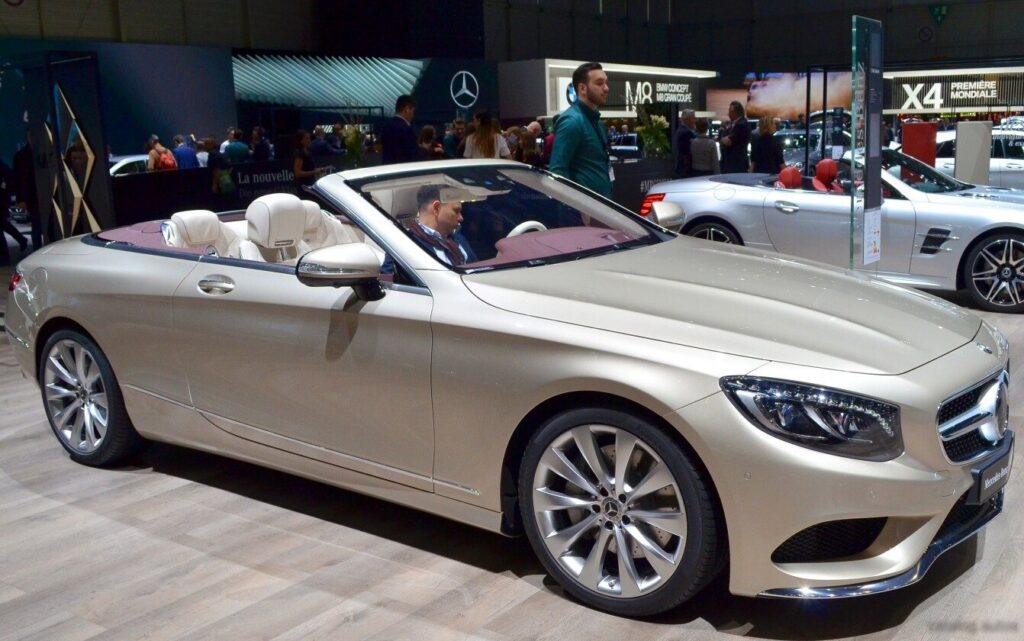
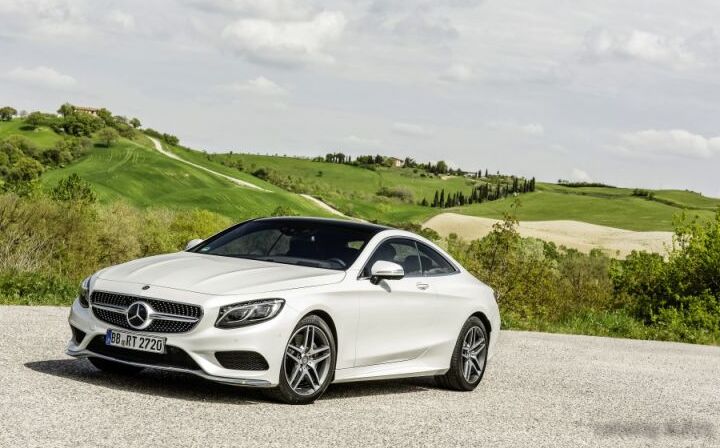
The C217 S-Class Coupe, launched in 2014, represented a distinct departure from the previous CL-Class, adopting the S-Class nomenclature to align with Mercedes-Benz’s revised naming strategy. The AMG S 63 variant, powered by the M157 engine, was the performance pinnacle of this generation. It offered a luxurious and powerful alternative to traditional four-door sedans, appealing to buyers seeking a more dynamic and exclusive grand touring experience. Production spanned from July 2014 to September 2017, with the model receiving minor updates throughout its lifecycle.
Powertrain & Engine Architecture
At the heart of the AMG S 63 lies the M157.985 5.5-liter twin-turbocharged V8 engine. This engine, a mainstay of AMG performance models for several years, utilizes direct fuel injection and a sophisticated valvetrain to deliver substantial power and torque. The twin turbochargers, positioned within the V of the engine, provide near-instantaneous boost, minimizing turbo lag. The AMG SPEEDSHIFT MCT 7-speed automatic transmission, a key component of the powertrain, features a wet clutch pack instead of a traditional torque converter. This design contributes to faster shift times and a more direct connection between the engine and the rear wheels. The engine also incorporated a cylinder deactivation system, allowing it to operate on four cylinders under light load conditions to improve fuel efficiency.
Driving Characteristics
The AMG S 63 delivered a driving experience characterized by effortless power and refined handling. The 585 horsepower and 900 Nm (663.81 lb-ft) of torque provided exhilarating acceleration, with a 0-60 mph time of around 4 seconds. The MCT transmission offered quick and precise shifts, enhancing the car’s responsiveness. While the car’s weight (approximately 1995 kg or 4398.22 lbs) was considerable, the powerful engine and well-tuned suspension minimized body roll and provided a confident feel in corners. Compared to the standard S-Class Coupe, the AMG S 63 featured a more aggressive suspension setup and larger brakes, further enhancing its performance capabilities. The automatic transmission, while efficient, didn’t offer the same level of driver engagement as a manual gearbox, but its smooth operation and quick shifts were well-suited to the car’s grand touring character.
Equipment & Trim Levels
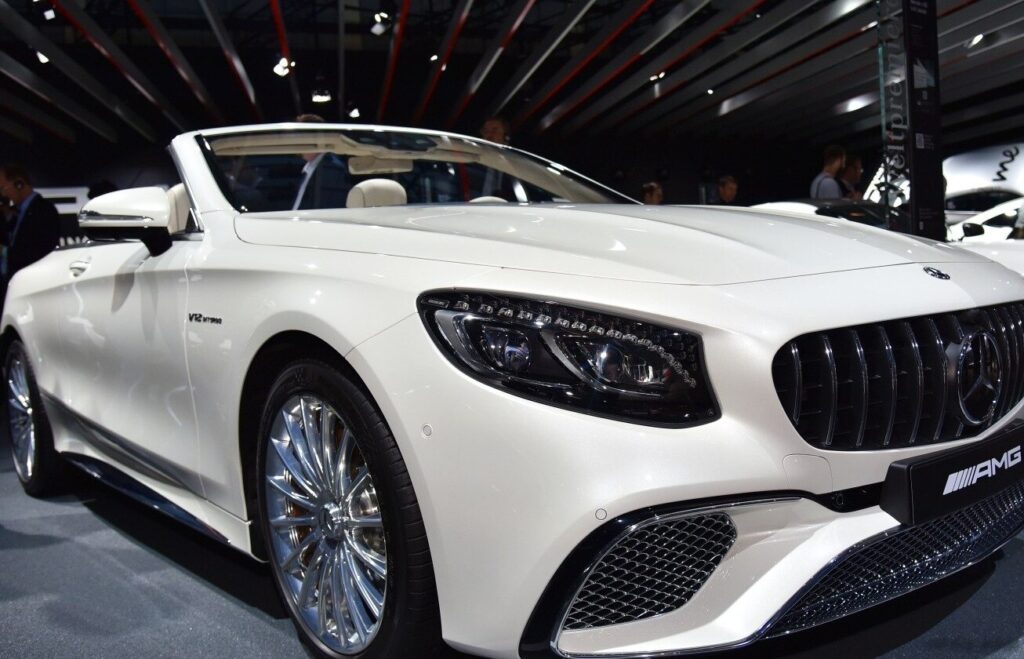
The AMG S 63 came standard with a comprehensive array of luxury and performance features. Interior appointments included premium leather upholstery, AMG sport seats, and carbon fiber trim. Standard technology included Mercedes-Benz’s COMAND infotainment system with a large display screen, a premium sound system, and a suite of driver-assistance features such as adaptive cruise control, lane-keeping assist, and automatic emergency braking. Optional extras included a head-up display, massaging seats, and a rear-seat entertainment system. The exterior featured AMG-specific styling cues, including a unique front fascia, side skirts, and rear diffuser. Buyers could also customize their vehicles with a wide range of paint colors and interior options.
Chassis & Braking
The chassis of the AMG S 63 was engineered to handle the engine’s substantial power. It featured an independent multi-link suspension at both the front and rear, with adaptive dampers that adjusted to road conditions and driving style. The suspension was tuned to provide a balance between comfort and handling, offering a relatively compliant ride while maintaining excellent body control. The braking system consisted of ventilated discs at all four corners, with larger rotors and multi-piston calipers compared to the standard S-Class Coupe. This provided ample stopping power and resistance to fade during spirited driving. The car also featured an electronic stability control system that helped to maintain control in challenging conditions.
Market Reception & Comparison
The AMG S 63 was generally well-received by automotive critics, who praised its powerful engine, luxurious interior, and refined handling. However, some reviewers noted that the car’s size and weight could make it feel cumbersome in tight spaces. Compared to other trims in the S-Class Coupe lineup, such as the S 550, the AMG S 63 offered significantly more performance but came at a higher price. Fuel economy was also lower, reflecting the engine’s increased output. Against competitors like the Bentley Continental GT and Porsche Panamera, the AMG S 63 offered a compelling combination of luxury, performance, and technology.
Legacy
The C217 AMG S 63 remains a desirable vehicle in the used car market, appreciated for its blend of performance, luxury, and exclusivity. The M157 engine, while known for its complexity, has proven to be relatively reliable when properly maintained. Common maintenance items include regular oil changes, spark plug replacements, and inspection of the turbochargers. The AMG SPEEDSHIFT MCT transmission also requires periodic servicing. Overall, the C217 AMG S 63 represents a high point in Mercedes-AMG’s grand touring heritage, offering a driving experience that remains compelling even by today’s standards.