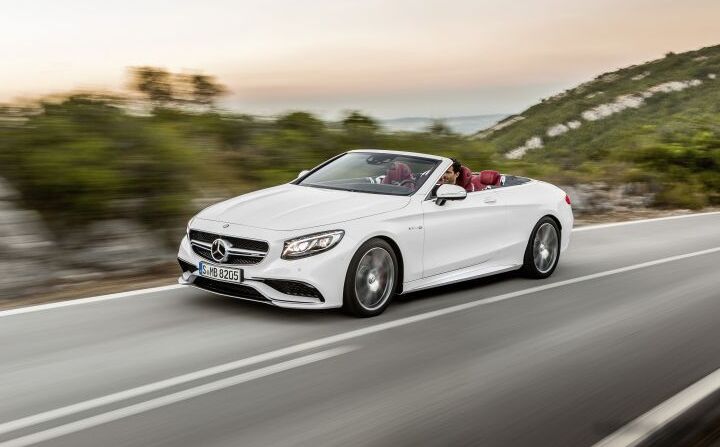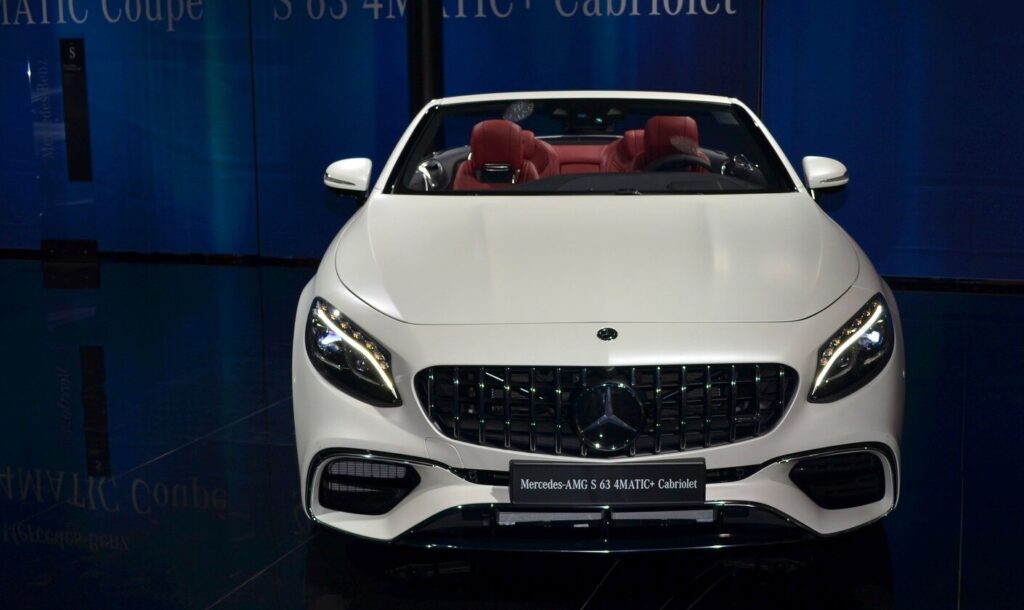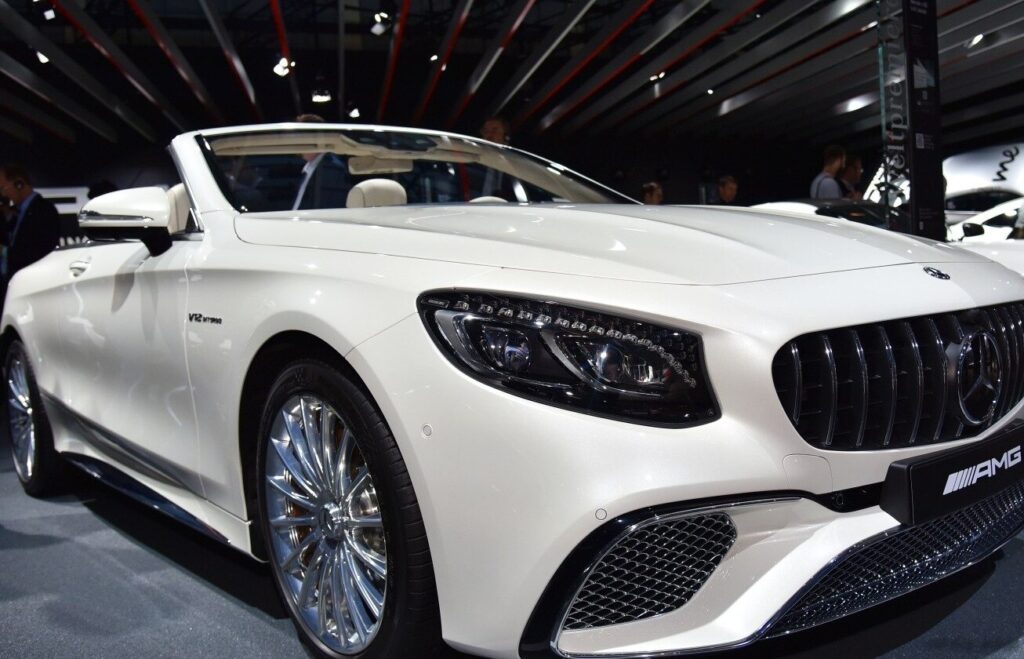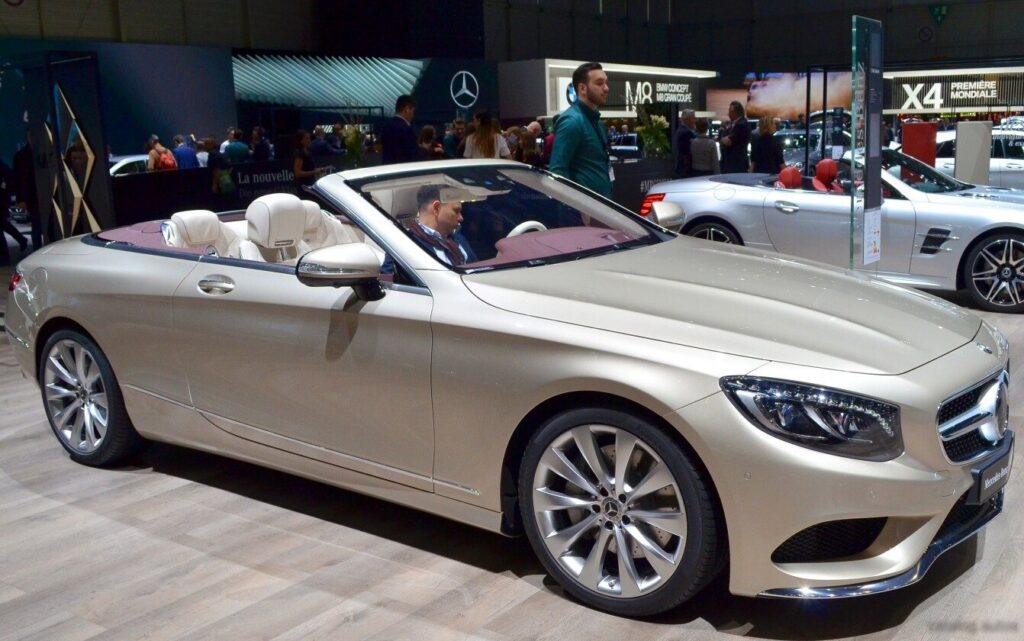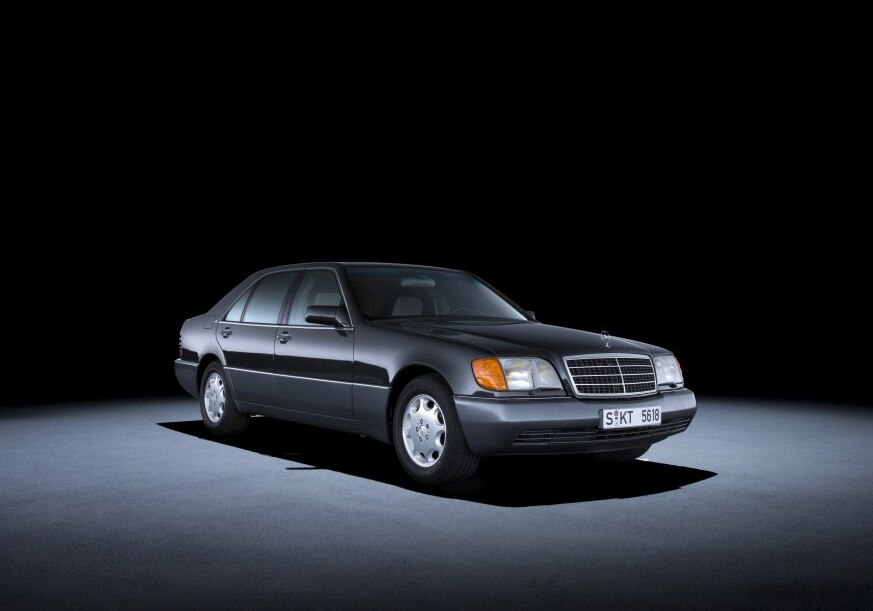
The Mercedes-Benz S-Class Long (V140) 300 SE, produced from 1991 to 1993, represented a significant step forward in luxury and technology for the German automaker. Positioned as a mid-range offering within the extended wheelbase (Long) V140 series, the 300 SE combined a 3.2-liter inline-six engine with a four-speed automatic transmission. This configuration aimed to provide a balance of performance and comfort, appealing to buyers who desired the prestige of the S-Class without the higher price tag of the V8-powered models like the 500SE. The V140 generation, internally designated as the W140, was the first completely newly designed S-Class since 1979 and set new standards for refinement, safety, and innovation.
Technical Specifications
| Brand | Mercedes-Benz |
| Model | S-class |
| Generation | S-class Long (V140) |
| Type | 300 SE (231 Hp) Automatic 4-speed |
| Start of production | 1991 |
| End of production | 1993 |
| Powertrain Architecture | Internal Combustion engine |
| Body type | Sedan |
| Seats | 5 |
| Doors | 4 |
| Fuel consumption (combined) | 12.3 l/100 km (19.1 US mpg, 23 UK mpg, 8.1 km/l) |
| Fuel Type | Petrol (Gasoline) |
| Acceleration 0 – 100 km/h | 8.6 sec |
| Acceleration 0 – 62 mph | 8.6 sec |
| Acceleration 0 – 60 mph | 8.2 sec |
| Maximum speed | 225 km/h (139.81 mph) |
| Weight-to-power ratio | 8.2 kg/Hp, 121.6 Hp/tonne |
| Weight-to-torque ratio | 6.1 kg/Nm, 163.2 Nm/tonne |
| Power | 231 Hp @ 5800 rpm |
| Power per litre | 72.2 Hp/l |
| Torque | 310 Nm @ 4100 rpm (228.64 lb.-ft. @ 4100 rpm) |
| Engine layout | Front, Longitudinal |
| Engine Model/Code | M 104 E 32/104.990 |
| Engine displacement | 3199 cm3 (195.21 cu. in.) |
| Number of cylinders | 6 |
| Engine configuration | Inline |
| Cylinder Bore | 89.9 mm (3.54 in.) |
| Piston Stroke | 84 mm (3.31 in.) |
| Compression ratio | 10:1 |
| Number of valves per cylinder | 4 |
| Fuel injection system | Multi-port manifold injection |
| Engine aspiration | Naturally aspirated engine |
| Valvetrain | DOHC |
| Engine oil capacity | 7.5 l (7.93 US qt | 6.6 UK qt) |
| Coolant | 14.5 l (15.32 US qt | 12.76 UK qt) |
| Kerb Weight | 1900 kg (4188.78 lbs.) |
| Max. weight | 2420 kg (5335.19 lbs.) |
| Max load | 520 kg (1146.4 lbs.) |
| Trunk (boot) space – minimum | 525 l (18.54 cu. ft.) |
| Fuel tank capacity | 100 l (26.42 US gal | 22 UK gal) |
| Permitted trailer load with brakes (12%) | 1900 kg (4188.78 lbs.) |
| Permitted trailer load without brakes | 750 kg (1653.47 lbs.) |
| Length | 5213 mm (205.24 in.) |
| Width | 1886 mm (74.25 in.) |
| Height | 1492 mm (58.74 in.) |
| Wheelbase | 3140 mm (123.62 in.) |
| Front track | 1602 mm (63.07 in.) |
| Rear (Back) track | 1574 mm (61.97 in.) |
| Minimum turning circle | 12.18 m (39.96 ft.) |
Powertrain & Engine Architecture
The heart of the 300 SE was the M104 E 32 engine, a 3.2-liter (3199 cc) inline-six cylinder powerplant. This engine was a significant departure from the earlier S-Class engines, featuring all-aluminum construction, dual overhead camshafts (DOHC), and four valves per cylinder. The M104 was known for its smooth operation and relatively high specific output. Fuel delivery was handled by a Bosch Motronic multi-port fuel injection system, optimizing combustion for both power and efficiency. The engine produced 231 horsepower at 5800 rpm and 310 Nm (228.64 lb-ft) of torque at 4100 rpm. Paired with the engine was a four-speed automatic transmission (typically the 4G-Tronic), chosen for its smooth shifting and ease of use, aligning with the S-Class’s focus on comfort. This transmission was designed to provide seamless gear changes, enhancing the luxurious driving experience.
Driving Characteristics
The 300 SE Automatic offered a refined and comfortable driving experience, prioritizing smoothness over outright performance. While the 8.6-second 0-62 mph acceleration was respectable for the early 1990s, it lagged behind the quicker V8-powered S-Class models. The four-speed automatic transmission, while smooth, had relatively widely spaced gear ratios, which could sometimes result in the engine feeling slightly strained during hard acceleration. The focus was on effortless cruising and relaxed highway driving. Compared to the manual transmission options available on other S-Class variants, the automatic prioritized convenience and ease of use, making it ideal for city driving and long-distance journeys. The long wheelbase contributed to a stable and composed ride, even at higher speeds.
Equipment & Trim Levels
The 300 SE Long came standard with a comprehensive list of luxury features, befitting its flagship status. These included leather upholstery, power-adjustable front seats with memory function, automatic climate control, a high-end audio system, and power windows and locks. Wood trim adorned the interior, adding to the sense of opulence. Optional extras included a sunroof, upgraded audio systems, rear seat entertainment, and various driver assistance features. The “Long” designation indicated an extended wheelbase, providing significantly more rear legroom, making it particularly appealing to chauffeur-driven buyers. The interior design was characterized by a clean, elegant aesthetic, with a focus on high-quality materials and meticulous craftsmanship.
Chassis & Braking
The V140 S-Class featured a sophisticated chassis design. The front suspension utilized a double-wishbone setup, while the rear employed an independent multi-link spring suspension with a stabilizer bar. This configuration provided a comfortable ride and good handling characteristics. Braking duties were handled by ventilated discs on all four wheels, providing ample stopping power. Anti-lock braking system (ABS) was standard, enhancing safety and control. The steering was a hydraulic power-assisted worm-reduction unit, offering a balance of precision and ease of use. The 300 SE, being a mid-range model, typically featured slightly smaller tires (235/60 R16) compared to the higher-spec V8 variants.
Market Reception & Comparison
The 300 SE Long was generally well-received by automotive critics. It was praised for its comfortable ride, luxurious interior, and refined engine. However, some reviewers noted that the performance was not as exhilarating as that of the V8 models. Fuel economy, at 12.3 l/100 km, was typical for a large luxury sedan of the era, but not particularly impressive. Compared to the 300SL (a sportier, shorter-wheelbase version), the 300 SE prioritized comfort and rear passenger space. Against the 500SE, it offered a more affordable entry point into the S-Class range, albeit with less power. The 300 SE appealed to buyers who valued luxury and refinement over outright performance.
Legacy
The M104 engine, found in the 300 SE, proved to be a durable and reliable powerplant. Well-maintained examples continue to provide years of service. The V140 S-Class, as a whole, is regarded as a landmark vehicle in automotive history, setting new standards for luxury and technology. Today, the 300 SE Long is a sought-after classic, appreciated by enthusiasts for its elegant design, comfortable ride, and robust engineering. While not the fastest or most exclusive S-Class variant, it represents a sweet spot in the lineup, offering a compelling combination of luxury, comfort, and reliability at a relatively accessible price point in the used car market. Finding well-preserved examples can be challenging, as many were used as high-mileage transportation, but those that remain are a testament to the enduring quality of the Mercedes-Benz S-Class.