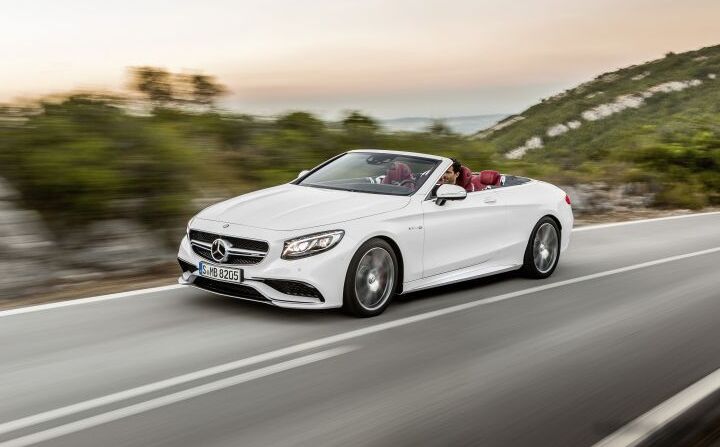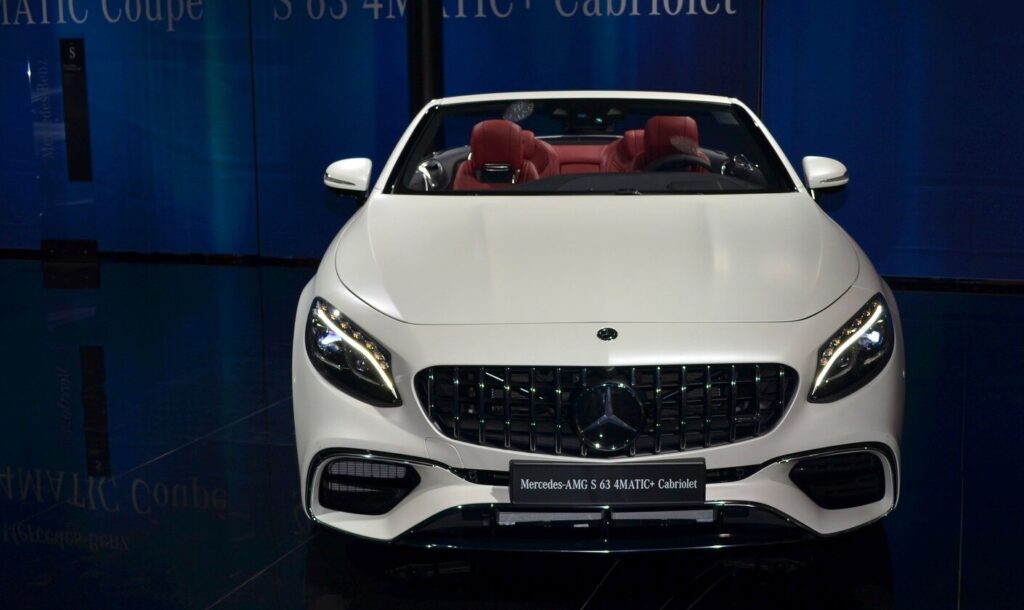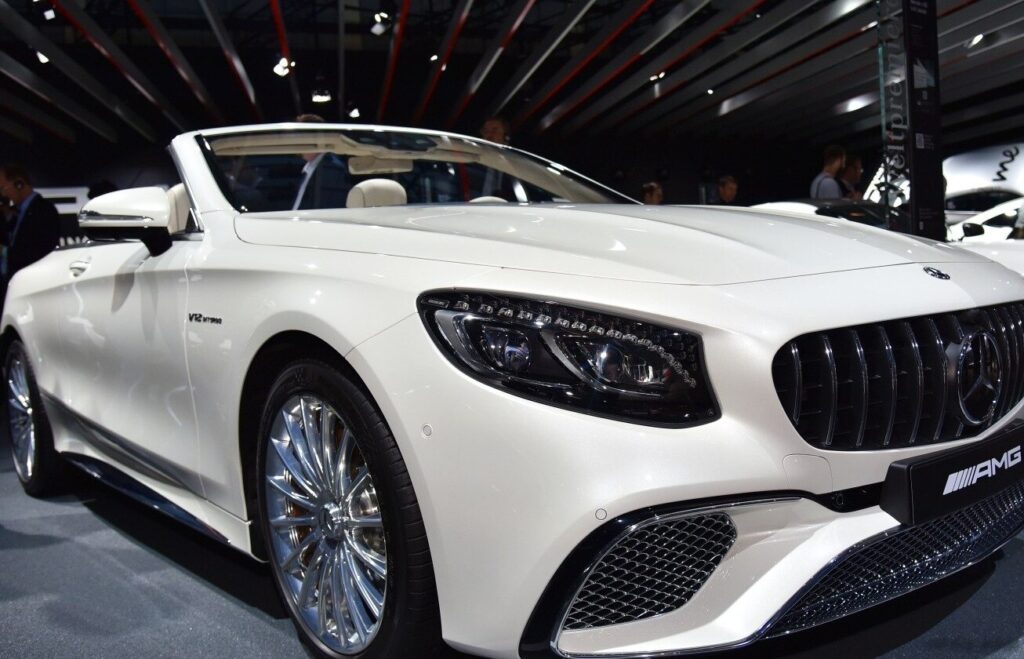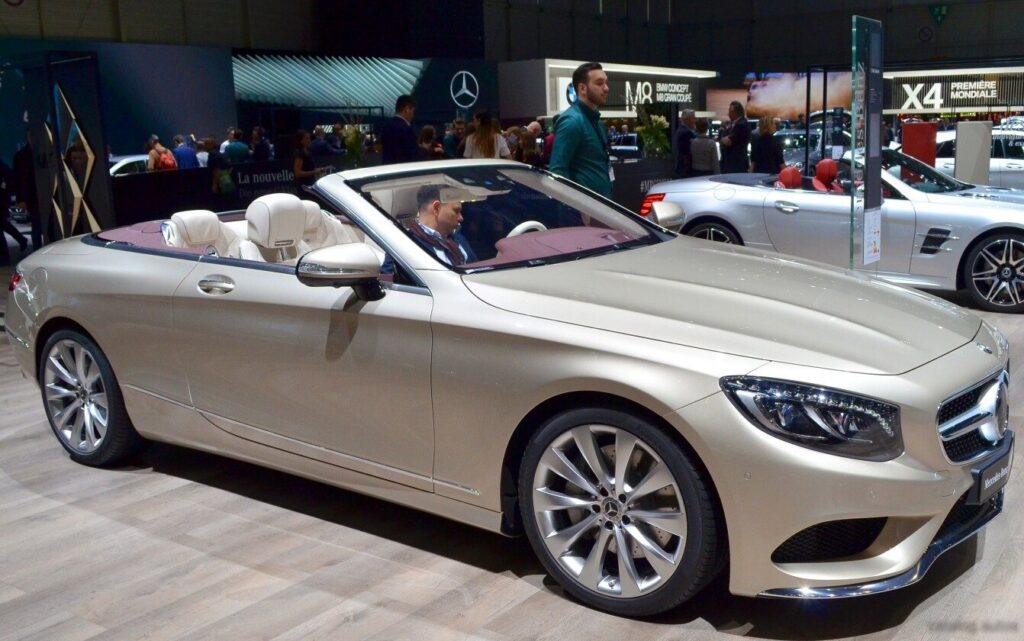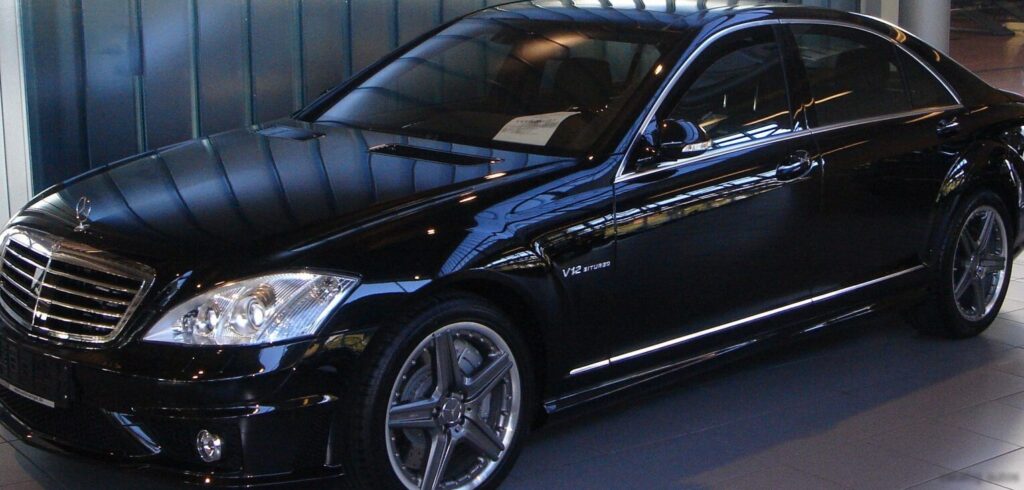
The Mercedes-Benz S-Class Long (V221) AMG S 65, produced from 2006 to 2009, represented the pinnacle of luxury and performance within the V221 S-Class generation. As the flagship variant of the long-wheelbase S-Class, it catered to buyers demanding the utmost in power, refinement, and exclusivity. The “Long” designation indicated an extended wheelbase, providing significantly increased rear passenger legroom, making it particularly popular in markets where chauffeur-driven travel was common. This model was positioned firmly at the top of the S-Class hierarchy, exceeding even the S 63 AMG in terms of engine displacement and torque output.
Technical Specifications
| Brand | Mercedes-Benz |
| Model | S-Class |
| Generation | S-Class Long (V221) |
| Type | AMG S 65 (612 Hp) 5G-TRONIC |
| Start of production | 2006 |
| End of production | 2009 |
| Powertrain Architecture | Internal Combustion engine |
| Body type | Sedan |
| Seats | 4 |
| Doors | 4 |
| Fuel consumption (urban) | 23.1 l/100 km (10.2 US mpg, 12.2 UK mpg, 4.3 km/l) |
| Fuel consumption (extra urban) | 10 l/100 km (23.5 US mpg, 28.2 UK mpg, 10 km/l) |
| Fuel consumption (combined) | 14.8 l/100 km (15.9 US mpg, 19.1 UK mpg, 6.8 km/l) |
| CO2 emissions | 355 g/km |
| Fuel Type | Petrol (Gasoline) |
| Acceleration 0 – 100 km/h | 4.4 sec |
| Acceleration 0 – 62 mph | 4.4 sec |
| Acceleration 0 – 60 mph | 4.2 sec |
| Maximum speed | 250 km/h (155.34 mph) |
| Weight-to-power ratio | 3.6 kg/Hp, 280.1 Hp/tonne |
| Weight-to-torque ratio | 2.2 kg/Nm, 457.7 Nm/tonne |
| Power | 612 Hp @ 4800 rpm |
| Power per litre | 102.3 Hp/l |
| Torque | 1000 Nm @ 2000-4000 rpm (737.56 lb.-ft. @ 2000-4000 rpm) |
| Engine layout | Front, Longitudinal |
| Engine Model/Code | M 275.982 |
| Engine displacement | 5980 cm3 (364.92 cu. in.) |
| Number of cylinders | 12 |
| Engine configuration | V-engine |
| Cylinder Bore | 82.6 mm (3.25 in.) |
| Piston Stroke | 93 mm (3.66 in.) |
| Compression ratio | 9:1 |
| Number of valves per cylinder | 3 |
| Fuel injection system | Multi-port manifold injection |
| Engine aspiration | Turbocharger, Intercooler |
| Engine oil capacity | 9 l (9.51 US qt | 7.92 UK qt) |
| Coolant | 11.8 l (12.47 US qt | 10.38 UK qt) |
| Kerb Weight | 2185 kg (4817.1 lbs.) |
| Max. weight | 2705 kg (5963.5 lbs.) |
| Max load | 520 kg (1146.4 lbs.) |
| Trunk (boot) space – maximum | 560 l (19.78 cu. ft.) |
| Fuel tank capacity | 90 l (23.78 US gal | 19.8 UK gal) |
| Length | 5252 mm (206.77 in.) |
| Width | 1871 mm (73.66 in.) |
| Height | 1478 mm (58.19 in.) |
| Wheelbase | 3165 mm (124.61 in.) |
| Front track | 1604 mm (63.15 in.) |
| Rear (Back) track | 1606 mm (63.23 in.) |
| Minimum turning circle | 12.2 m (40.03 ft.) |
| Drivetrain Architecture | Rear wheel drive |
| Drive wheel | Rear wheel drive |
| Number of gears and type of gearbox | 5 gears, automatic transmission G-TRONIC |
| Front suspension | Air suspension |
| Rear suspension | Air suspension |
| Front brakes | Ventilated discs |
| Rear brakes | Ventilated discs |
| Assisting systems | ABS (Anti-lock braking system) |
| Tires size | 255/45 R19; 275/40 R19 |
| Wheel rims size | 19 |
Powertrain & Engine Architecture
The heart of the AMG S 65 was the M275.982 6.0-liter V12 engine. This engine was a marvel of engineering, featuring twin turbochargers and a three-valve-per-cylinder design. The engine utilized multi-port fuel injection and a compression ratio of 9:1. The M275 engine family was known for its robust construction and ability to withstand significant power increases. The 5G-TRONIC automatic transmission, a five-speed unit, was specifically calibrated to handle the immense torque output of the V12. While not as technologically advanced as some later transmissions, the 5G-TRONIC provided smooth and relatively quick shifts, prioritizing comfort and refinement over outright performance. The transmission featured a torque converter lock-up clutch to improve efficiency at cruising speeds.
Driving Characteristics
The AMG S 65 delivered a driving experience characterized by effortless power and exceptional smoothness. The 1000 Nm (737.56 lb-ft) of torque, available from 2000-4000 rpm, provided prodigious acceleration in any gear. The 0-60 mph sprint was dispatched in approximately 4.2 seconds, and the car felt remarkably composed even at high speeds. Compared to the S 63 AMG, which relied on a naturally aspirated V8, the S 65 offered a more relaxed and refined power delivery. The V12’s torque curve was broader and more accessible, making it easier to drive in everyday situations. However, the S 65’s greater weight and the slightly less responsive nature of the 5G-TRONIC transmission meant it wasn’t quite as agile as the S 63.
Equipment & Trim Levels
The AMG S 65 came standard with a comprehensive array of luxury features. Interior appointments included premium leather upholstery, wood trim, and brushed aluminum accents. Standard equipment included a panoramic sunroof, heated and ventilated front and rear seats with massage functions, a premium sound system, and a sophisticated climate control system. The long wheelbase provided ample rear legroom, and the rear seats could be reclined for enhanced comfort. Optional extras included a rear entertainment system, upgraded leather options, and various customization options through Mercedes-Benz’s Designo program.
Chassis & Braking
The S 65 featured an air suspension system that provided a remarkably smooth and comfortable ride. The Airmatic suspension automatically adjusted the damping and ride height based on road conditions and driving style. Braking duties were handled by ventilated discs on all four wheels, coupled with an Anti-lock Braking System (ABS) and Electronic Stability Program (ESP). The braking system was more than adequate for the car’s performance, providing confident stopping power even under hard braking. The car rode on 19-inch alloy wheels, fitted with high-performance tires.
Market Reception & Comparison
The AMG S 65 was widely praised by automotive critics for its luxurious interior, powerful engine, and refined driving experience. However, its high price tag and relatively poor fuel economy were often cited as drawbacks. Compared to the S 63 AMG, the S 65 appealed to buyers who prioritized comfort and effortless power over outright sportiness. The S 65 also faced competition from other ultra-luxury sedans, such as the Bentley Flying Spur and the Rolls-Royce Ghost. Fuel economy was particularly poor, with combined figures around 15.9 US mpg, reflecting the inherent inefficiencies of a large-displacement V12 engine.
Legacy
The V221 S 65 remains a highly sought-after vehicle among collectors and enthusiasts. The M275 V12 engine is known for its durability, although maintenance costs can be substantial due to its complexity. The 5G-TRONIC transmission, while reliable, is showing its age and may require servicing on higher-mileage examples. Today, well-maintained S 65 models command premium prices in the used car market, reflecting their exclusivity and the enduring appeal of the Mercedes-Benz V12 engine. The car represents a high point in the era of large, luxurious, and powerful sedans, before the industry shifted towards smaller, more fuel-efficient vehicles.