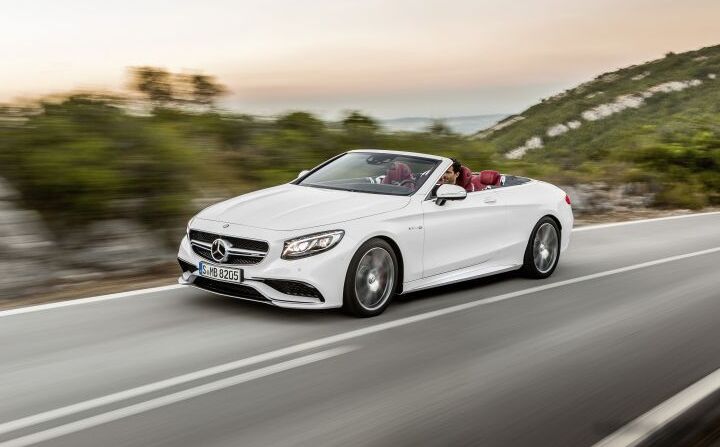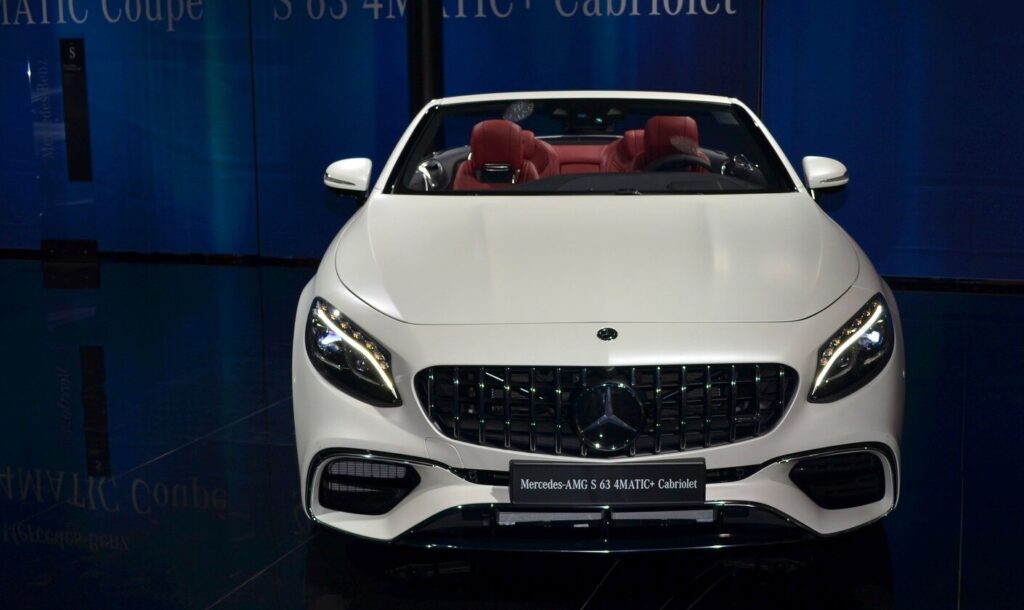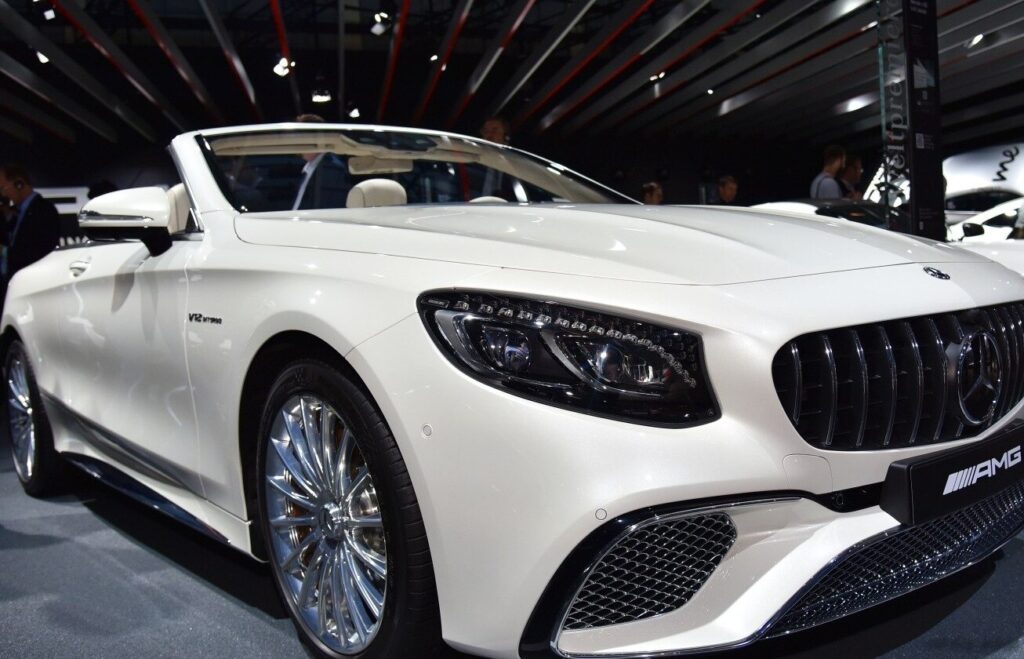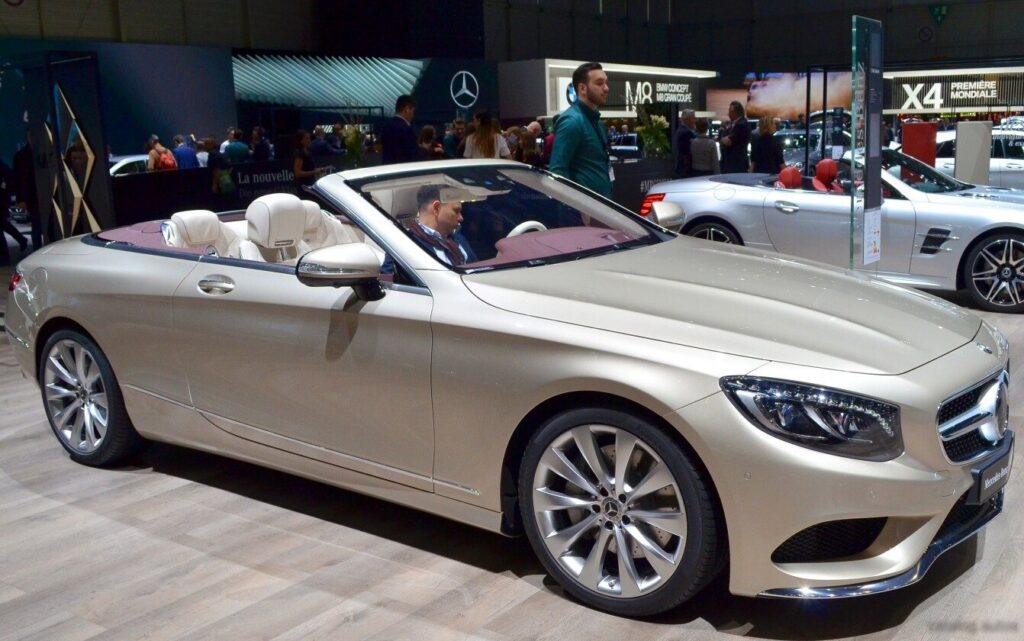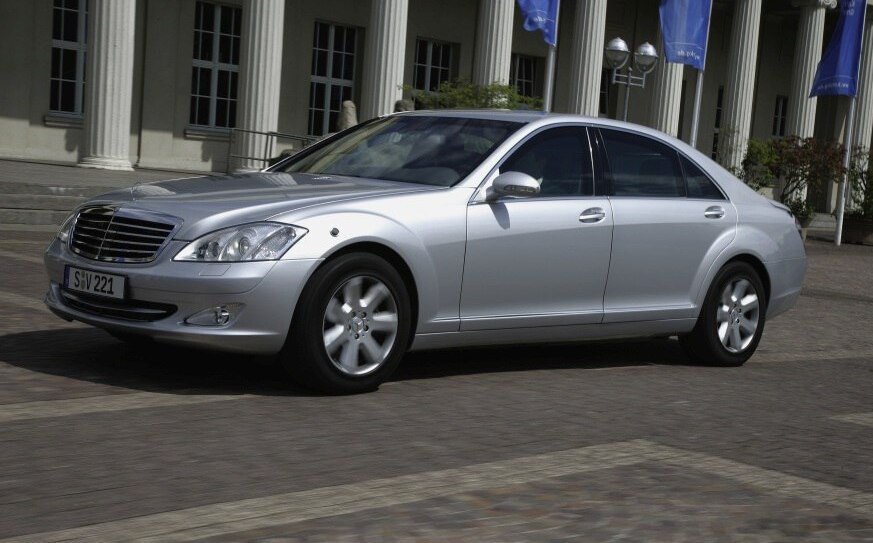
The Mercedes-Benz S-Class Long (V221) S 550, produced from 2005 to 2009, represented a pinnacle of luxury and technology for the German automaker. Positioned as a high-end variant within the V221 generation – the long-wheelbase version of the S-Class – the S 550 offered an extended cabin for enhanced rear passenger comfort, targeting executives and those prioritizing a supremely refined driving experience. It served as a step up from the S 350 and S 450 models, and sat below the even more potent S 600 and AMG variants in the lineup. The “Long” designation signified an increase in wheelbase and overall length, providing significantly more rear legroom than the standard S-Class.
Technical Specifications
| Brand | Mercedes-Benz |
| Model | S-class |
| Generation | S-class Long (V221) |
| Type | S 550 (388 Hp) 7G-TRONIC |
| Start of production | 2005 |
| End of production | 2009 |
| Powertrain Architecture | Internal Combustion engine |
| Body type | Sedan |
| Seats | 5 |
| Doors | 4 |
| Fuel consumption (urban) | 17.7 l/100 km (13.3 US mpg, 16 UK mpg, 5.6 km/l) |
| Fuel consumption (extra urban) | 8.8 l/100 km (26.7 US mpg, 32.1 UK mpg, 11.4 km/l) |
| Fuel consumption (combined) | 12 l/100 km (19.6 US mpg, 23.5 UK mpg, 8.3 km/l) |
| Fuel Type | Petrol (Gasoline) |
| Acceleration 0 – 100 km/h | 5.4 sec |
| Acceleration 0 – 62 mph | 5.4 sec |
| Acceleration 0 – 60 mph | 5.1 sec |
| Maximum speed | 250 km/h (155.34 mph) |
| Weight-to-power ratio | 4.9 kg/Hp, 203.1 Hp/tonne |
| Weight-to-torque ratio | 3.6 kg/Nm, 277.5 Nm/tonne |
| Power | 388 Hp @ 6000 rpm |
| Power per litre | 71 Hp/l |
| Torque | 530 Nm @ 2800 rpm (390.91 lb.-ft. @ 2800 rpm) |
| Engine layout | Front, Longitudinal |
| Engine Model/Code | M 273.961 |
| Engine displacement | 5461 cm3 (333.25 cu. in.) |
| Number of cylinders | 8 |
| Engine configuration | V-engine |
| Cylinder Bore | 98 mm (3.86 in.) |
| Piston Stroke | 90.5 mm (3.56 in.) |
| Compression ratio | 10.7:1 |
| Number of valves per cylinder | 4 |
| Fuel injection system | Multi-port manifold injection |
| Engine aspiration | Naturally aspirated engine |
| Valvetrain | DOHC |
| Engine oil capacity | 8.5 l (8.98 US qt | 7.48 UK qt) |
| Coolant capacity | 8.5 l (8.98 US qt | 7.48 UK qt) |
| Kerb Weight | 1910 kg (4210.83 lbs.) |
| Max. weight | 2565 kg (5654.86 lbs.) |
| Max load | 655 kg (1444.03 lbs.) |
| Trunk (boot) space – minimum | 560 l (19.78 cu. ft.) |
| Fuel tank capacity | 90 l (23.78 US gal | 19.8 UK gal) |
| Length | 5209 mm (205.08 in.) |
| Width | 1872 mm (73.7 in.) |
| Width including mirrors | 2115 mm (83.27 in.) |
| Height | 1473 mm (57.99 in.) |
| Wheelbase | 3165 mm (124.61 in.) |
| Front track | 1604 mm (63.15 in.) |
| Rear (Back) track | 1606 mm (63.23 in.) |
| Front overhang | 871 mm (34.29 in.) |
| Rear overhang | 1173 mm (46.18 in.) |
| Minimum turning circle | 12.2 m (40.03 ft.) |
| Drivetrain Architecture | Rear wheel drive |
| Drive wheel | Rear wheel drive |
| Number of gears | 7 |
| Gearbox type | Automatic transmission G-TRONIC |
| Front suspension | Air suspension |
| Rear suspension | Air suspension |
| Front brakes | Ventilated discs |
| Rear brakes | Ventilated discs |
| Assisting systems | ABS (Anti-lock braking system) |
| Steering type | Steering rack and pinion |
| Tires size | 235/55 R17 |
| Wheel rims size | 8J x 17 |
Powertrain & Engine Architecture
The S 550 was powered by the M273.961 5.5-liter naturally aspirated V8 engine. This engine, a cornerstone of Mercedes-Benz’s engineering at the time, featured a three-valve per cylinder design (two intake, one exhaust) and a relatively high 10.7:1 compression ratio. Fuel delivery was handled by a multi-port fuel injection system, ensuring precise fuel atomization. The engine produced 388 horsepower at 6000 rpm and a substantial 530 Nm (390.91 lb-ft) of torque at 2800 rpm. This power was channeled through Mercedes-Benz’s 7G-TRONIC seven-speed automatic transmission, known for its smooth shifts and wide gear ratios. The 7G-TRONIC allowed for both comfortable cruising and responsive acceleration. The engine was longitudinally mounted, driving the rear wheels.
Driving Characteristics
The S 550 offered a driving experience focused on comfort and effortless power. While not as overtly sporty as some of its competitors or the higher-performance S-Class models, the 5.5-liter V8 provided ample acceleration – 0 to 60 mph in approximately 5.1 seconds. The 7G-TRONIC transmission was programmed for smooth, almost imperceptible gear changes, contributing to a relaxed driving experience. The long wheelbase and air suspension system further enhanced ride quality, effectively isolating passengers from road imperfections. Compared to the S 350, the S 550 offered a noticeable increase in performance, while the S 600, with its turbocharged V12, provided significantly more power but at the expense of fuel economy and a more complex maintenance profile.
Equipment & Trim Levels
The S 550 came standard with a comprehensive array of luxury features. Leather upholstery was standard, along with wood trim throughout the cabin. Power-adjustable and heated front seats were included, as were dual-zone automatic climate control and a premium sound system. The long wheelbase translated into generous rear legroom, making it a particularly appealing choice for chauffeured transport. Optional extras included a rear entertainment system, massaging seats, a panoramic sunroof, and advanced driver-assistance systems like Distronic adaptive cruise control and Parktronic parking assist. Trim levels were relatively simple, with options primarily focused on individual features rather than distinct packages.
Chassis & Braking
The V221 S-Class featured an advanced chassis design incorporating an air suspension system on both the front and rear axles. This system allowed for adjustable ride height and damping, optimizing comfort and handling. The S 550 utilized ventilated disc brakes on all four wheels, providing ample stopping power. Anti-lock braking system (ABS) was standard, enhancing safety and control during emergency braking situations. The suspension was tuned to prioritize ride comfort, but still offered reasonably composed handling for a large luxury sedan.
Market Reception & Comparison
The S 550 was generally well-received by automotive critics, who praised its luxurious interior, comfortable ride, and powerful engine. Fuel economy, however, was a common criticism, with the 5.5-liter V8 consuming a significant amount of gasoline, especially in urban driving. Compared to rivals like the BMW 750i and Audi A8, the S 550 was often seen as offering a more refined and comfortable experience, albeit with slightly less sporting dynamics. Reliability was generally good, although the complex electronic systems of the V221 generation could occasionally present challenges.
Legacy
The M273 engine, while robust, is now showing its age. Common maintenance items for the S 550 include addressing potential oil leaks, maintaining the air suspension system, and ensuring the proper functioning of the electronic control units. The 7G-TRONIC transmission is generally reliable, but requires regular fluid changes. Today, the V221 S 550 represents a relatively affordable entry point into the world of high-end Mercedes-Benz luxury. Well-maintained examples are sought after by enthusiasts who appreciate the car’s blend of comfort, performance, and technology. Its long-term reliability is acceptable, but prospective buyers should be prepared for the potential costs associated with maintaining a complex, high-mileage luxury vehicle.