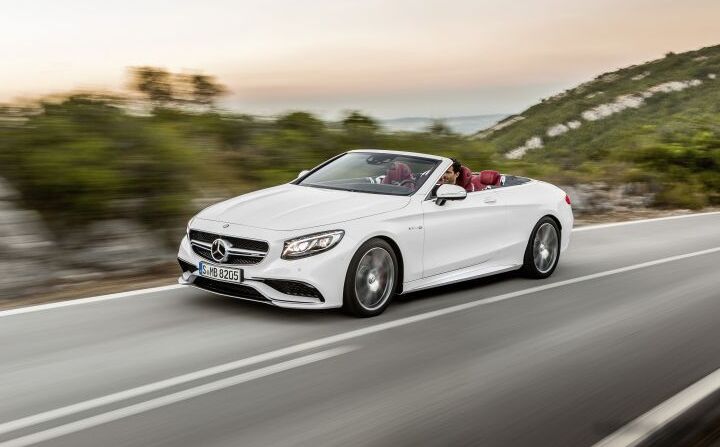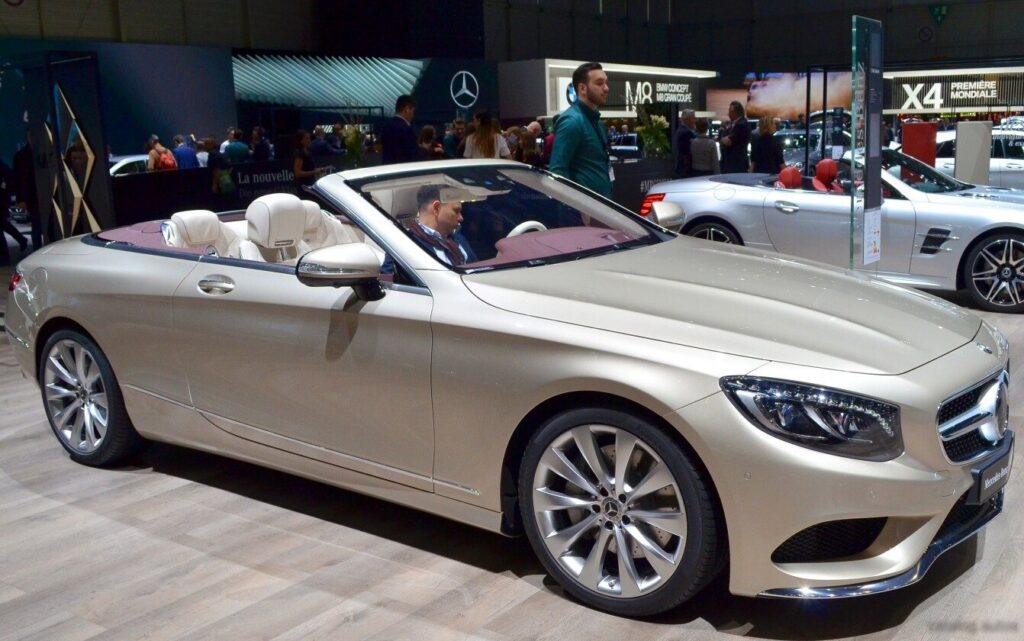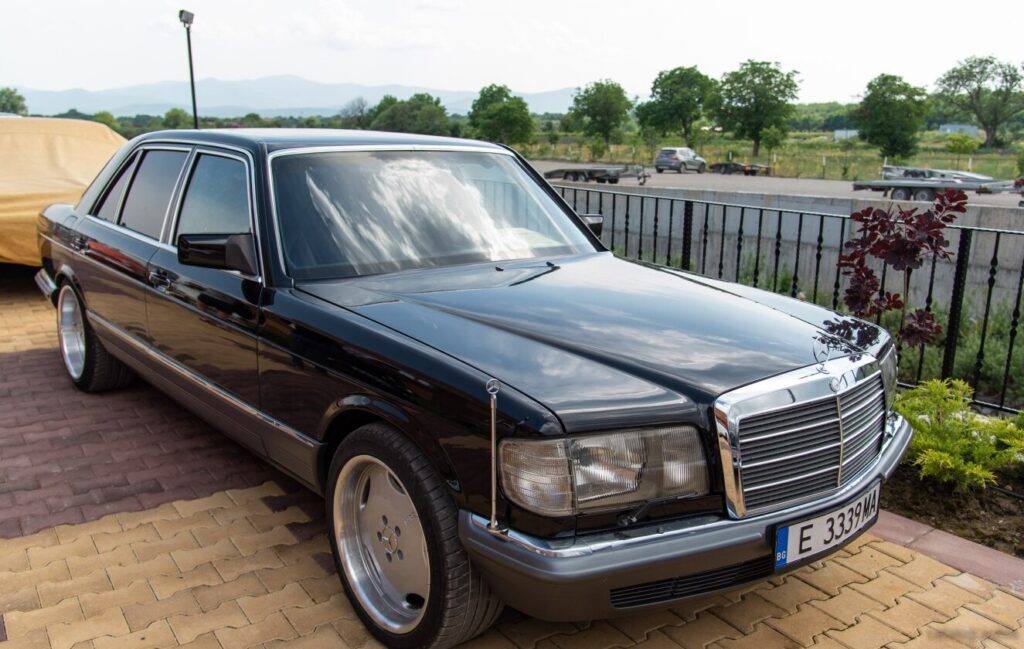
The Mercedes-Benz S-Class SEL (V126) 500 SEL, produced from October 1981 to September 1985, represented the pinnacle of luxury and engineering for the German automaker. Positioned as the flagship model within the V126 generation – the successor to the W116 – the 500 SEL was distinguished by its powerful V8 engine and sophisticated features. It served as a statement of success and technological prowess, primarily aimed at the executive and high-net-worth individual market, particularly in North America and Europe. The “SEL” designation signified a long-wheelbase sedan, offering increased rear passenger legroom. This variant occupied the top tier of the V126 lineup, above the 380 SEL and 560 SEL, offering a unique blend of performance and refinement.
Technical Specifications
| Brand | Mercedes-Benz |
| Model | S-class |
| Generation | S-class SEL (V126) |
| Type (Engine) | 500 SEL V8 (231 Hp) Automatic |
| Start of production | October, 1981 |
| End of production | September, 1985 |
| Powertrain Architecture | Internal Combustion engine |
| Body type | Sedan |
| Seats | 5 |
| Doors | 4 |
| Fuel consumption (urban) | 15.2 l/100 km (15.5 US mpg, 18.6 UK mpg, 6.6 km/l) |
| Fuel consumption (extra urban) | 9.1 l/100 km (25.8 US mpg, 31 UK mpg, 11 km/l) |
| Fuel Type | Petrol (Gasoline) |
| Acceleration 0 – 100 km/h | 8.1 sec |
| Acceleration 0 – 62 mph | 8.1 sec |
| Acceleration 0 – 60 mph | 7.7 sec |
| Maximum speed | 225 km/h (139.81 mph) |
| Weight-to-power ratio | 7.2 kg/Hp, 139.6 Hp/tonne |
| Weight-to-torque ratio | 4.1 kg/Nm, 244.7 Nm/tonne |
| Power | 231 Hp @ 4750 rpm |
| Power per litre | 46.5 Hp/l |
| Torque | 405 Nm @ 3000 rpm (298.71 lb.-ft. @ 3000 rpm) |
| Engine layout | Front, Longitudinal |
| Engine Model/Code | M 117 E 50 / 117.963 |
| Engine displacement | 4973 cm3 (303.47 cu. in.) |
| Number of cylinders | 8 |
| Engine configuration | V-engine |
| Cylinder Bore | 96.5 mm (3.8 in.) |
| Piston Stroke | 85 mm (3.35 in.) |
| Compression ratio | 9.2:1 |
| Number of valves per cylinder | 2 |
| Fuel injection system | Multi-port manifold injection |
| Engine aspiration | Naturally aspirated engine |
| Valvetrain | SOHC |
| Engine oil capacity | 9 l (9.51 US qt | 7.92 UK qt) |
| Coolant | 13.5 l (14.27 US qt | 11.88 UK qt) |
| Kerb Weight | 1655 kg (3648.65 lbs.) |
| Max. weight | 2175 kg (4795.05 lbs.) |
| Max load | 520 kg (1146.4 lbs.) |
| Fuel tank capacity | 90 l (23.78 US gal | 19.8 UK gal) |
| Length | 5135 mm (202.17 in.) |
| Width | 1820 mm (71.65 in.) |
| Height | 1440 mm (56.69 in.) |
| Wheelbase | 3070 mm (120.87 in.) |
| Front track | 1545 mm (60.83 in.) |
| Rear track | 1517 mm (59.72 in.) |
| Drivetrain Architecture | The Internal combustion engine (ICE) drives the rear wheels of the vehicle. |
| Drive wheel | Rear wheel drive |
| Number of gears and type of gearbox | 4 gears, automatic transmission |
| Front suspension | Double wishbone |
| Rear suspension | Threaded twist beam |
| Front brakes | Ventilated discs |
| Rear brakes | Disc |
| Steering type | Cone worm with recirculation balls |
| Power steering | Hydraulic Steering |
| Tires size | Front wheel tires: 205/70 R14Rear wheel tires: 205/70 R14 |
| Wheel rims size | Front wheel rims: 6.5J x 14Rear wheel rims: 6.5J x 14 |
Powertrain & Engine Architecture
The heart of the 500 SEL was the M117 E 50 engine, a 4.97-liter (303.47 cubic inch) naturally aspirated V8. This engine, a cornerstone of Mercedes-Benz’s engineering prowess, featured a single overhead camshaft (SOHC) valvetrain with two valves per cylinder. It utilized Bosch K-Jetronic fuel injection, a mechanical system known for its reliability and precise fuel delivery, though less efficient than later electronic systems. The engine produced 231 horsepower at 4750 rpm and 299 lb-ft of torque at 3000 rpm. The engine’s robust construction and over-engineering contributed to its longevity. Paired with the M117 was a four-speed automatic transmission, providing smooth and refined gear changes. This transmission was designed for comfort and ease of use, prioritizing a luxurious driving experience over outright performance.
Driving Characteristics
The 500 SEL offered a distinctly grand touring experience. While not a sports car, the 231 hp engine provided ample power for effortless cruising and confident acceleration. Zero to 60 mph was achievable in around 7.7 seconds, respectable for the era and vehicle size. The automatic transmission, while smooth, did result in some power loss compared to the available manual transmission in other V126 models. The gear ratios were optimized for relaxed highway driving, with a focus on minimizing engine revolutions at cruising speeds. The long wheelbase and sophisticated suspension – featuring double wishbones at the front and a threaded twist beam at the rear – delivered a comfortable and composed ride, even on imperfect road surfaces. The steering, utilizing a cone worm and recirculation balls system with hydraulic assistance, was precise but lacked the direct feel of more modern steering setups.
Equipment & Trim Levels
The 500 SEL came standard with a comprehensive array of luxury features. Interior appointments included high-quality leather upholstery, burled walnut wood trim, and power-adjustable front seats. Standard equipment also included air conditioning, power windows, central locking, and a high-end audio system. Optional extras were plentiful, including a sunroof, heated seats, a rear seat entertainment system, and upgraded audio options. The long wheelbase provided generous rear passenger space, making the 500 SEL a popular choice for chauffeured transport. The exterior was typically finished in elegant metallic paint colors, and the car featured chrome trim accents throughout.
Chassis & Braking
The V126 S-Class chassis was designed for both comfort and safety. The suspension system, as mentioned, prioritized ride quality. The 500 SEL featured ventilated disc brakes at the front and solid discs at the rear, providing adequate stopping power for the vehicle’s weight and performance. Anti-lock braking system (ABS) was available as an option, a relatively advanced feature for the early 1980s. The steering system, while not particularly sporty, offered precise control and predictable handling. The car’s substantial weight (approximately 3649 lbs) contributed to its stability and planted feel on the road.
Market Reception & Comparison
The 500 SEL was widely praised by automotive critics for its luxurious interior, refined ride, and powerful engine. However, its fuel economy (around 15.2 l/100 km urban, 9.1 l/100 km extra-urban) was considered relatively high, even for the time. Compared to the 380 SEL, the 500 SEL offered significantly more performance, but at a higher price point. The 560 SEL, with its larger 5.6-liter engine, provided even greater power, but was also more expensive and less fuel-efficient. The 500 SEL struck a balance between performance, luxury, and cost, making it a popular choice for discerning buyers.
Legacy
The V126 S-Class, and particularly the 500 SEL, is regarded as a classic of the era. The M117 engine is known for its durability and longevity, and well-maintained examples can still provide reliable service today. The car’s sophisticated engineering and luxurious appointments continue to appeal to collectors and enthusiasts. While parts availability can be a challenge, the 500 SEL remains a desirable and iconic representation of Mercedes-Benz’s commitment to quality and innovation. In the used car market, prices for well-preserved 500 SEL models have been steadily increasing, reflecting their growing status as a collectible automobile.