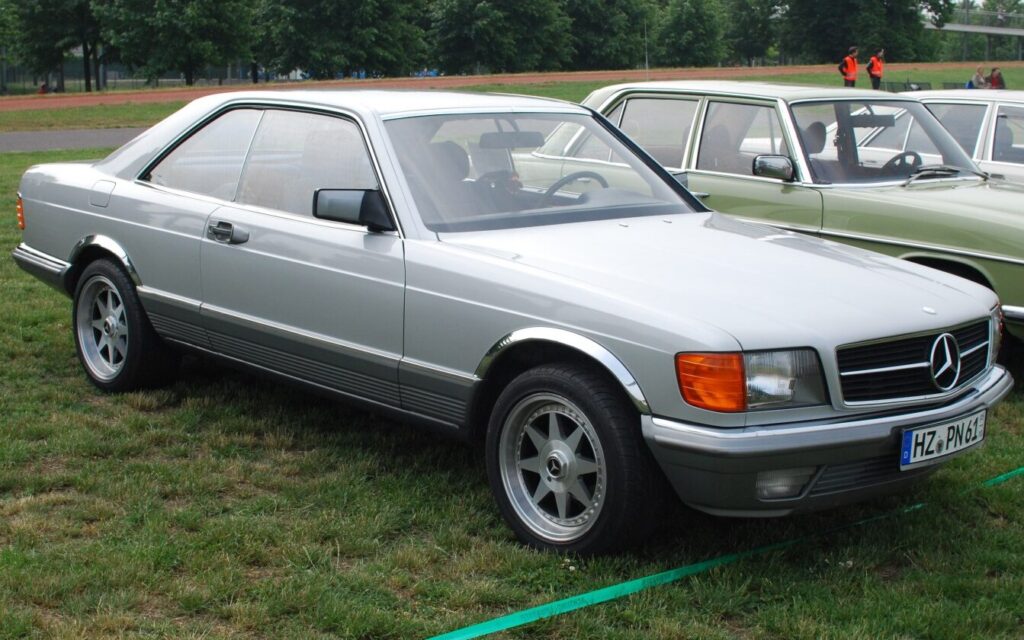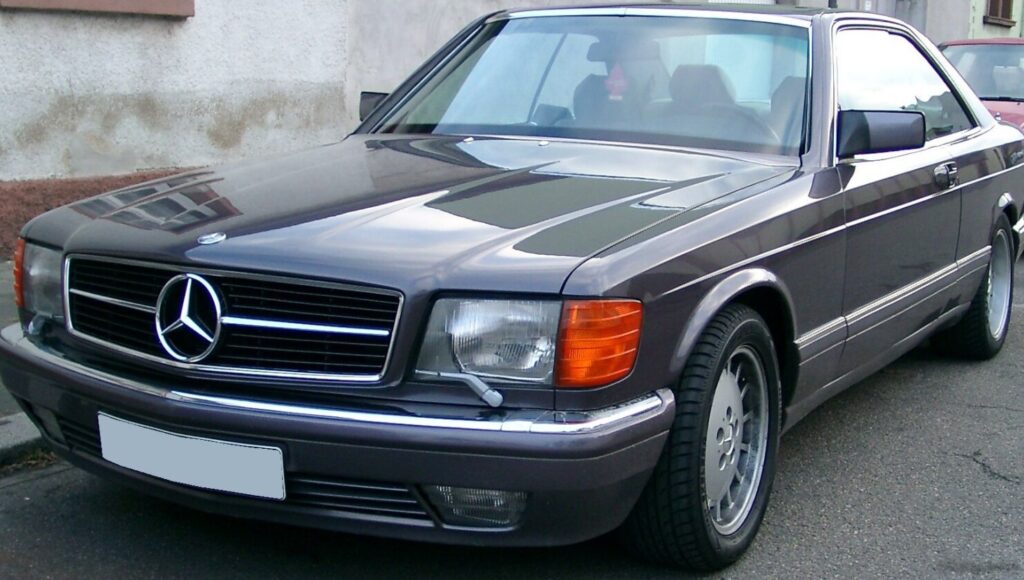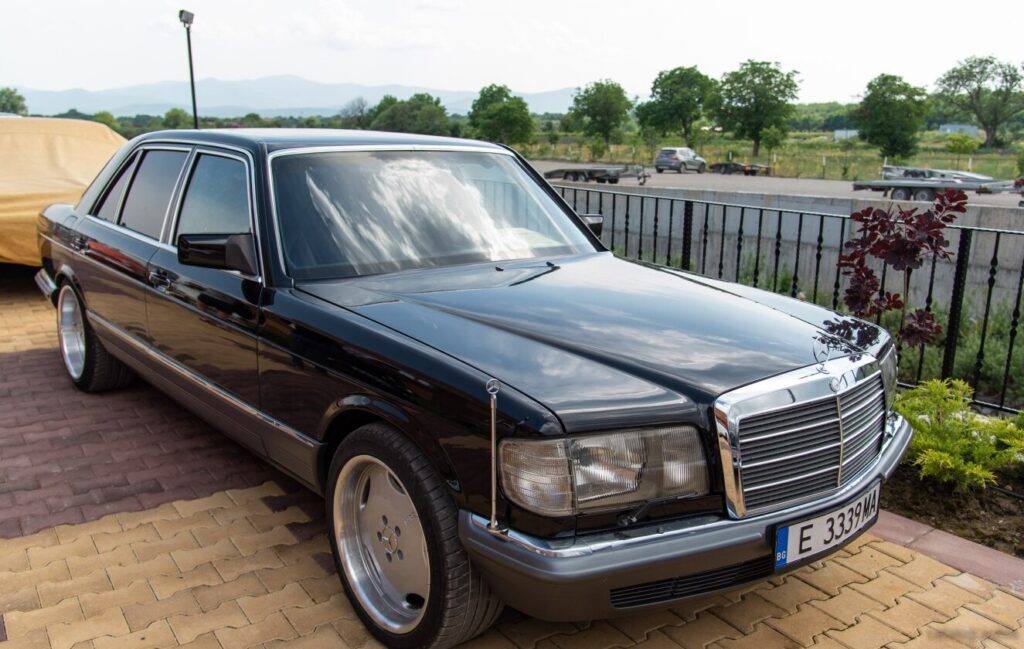
The Mercedes-Benz S-Class SEL (V126) 500 SEL, produced from September 1979 to October 1981, represented the pinnacle of luxury and performance for the German automaker during that era. Positioned as the flagship variant of the W126 series – the successor to the W116 – the 500 SEL featured a potent 5.0-liter V8 engine paired exclusively with a four-speed automatic transmission. This combination aimed to deliver effortless power and a refined driving experience, catering to buyers who demanded the best in both comfort and capability. The “SEL” designation signified the long-wheelbase version, offering increased rear passenger space, further emphasizing its luxury focus. It was a key model in establishing the S-Class as a benchmark for automotive engineering and prestige.
Technical Specifications
| Brand | Mercedes-Benz |
| Model | S-class |
| Generation | S-class SEL (V126) |
| Type (Engine) | 500 SEL V8 (240 Hp) Automatic |
| Start of production | September, 1979 |
| End of production | October, 1981 |
| Powertrain Architecture | Internal Combustion engine |
| Body type | Sedan |
| Seats | 5 |
| Doors | 4 |
| Fuel consumption (urban) | 21.2 l/100 km (11.1 US mpg, 13.3 UK mpg, 4.7 km/l) |
| Fuel consumption (extra urban) | 11.3 l/100 km (20.8 US mpg, 25 UK mpg, 8.8 km/l) |
| Fuel Type | Petrol (Gasoline) |
| Acceleration 0 – 100 km/h | 8.1 sec |
| Acceleration 0 – 62 mph | 8.1 sec |
| Acceleration 0 – 60 mph | 7.7 sec |
| Maximum speed | 225 km/h (139.81 mph) |
| Weight-to-power ratio | 6.9 kg/Hp, 145 Hp/tonne |
| Weight-to-torque ratio | 4.1 kg/Nm, 244.1 Nm/tonne |
| Power | 240 Hp @ 4750 rpm |
| Power per litre | 48.3 Hp/l |
| Torque | 404 Nm @ 3200 rpm (297.98 lb.-ft. @ 3200 rpm) |
| Engine layout | Front, Longitudinal |
| Engine Model/Code | M 117 E 50 / 117.961 |
| Engine displacement | 4973 cm3 (303.47 cu. in.) |
| Number of cylinders | 8 |
| Engine configuration | V-engine |
| Cylinder Bore | 96.5 mm (3.8 in.) |
| Piston Stroke | 85 mm (3.35 in.) |
| Compression ratio | 8.8:1 |
| Number of valves per cylinder | 2 |
| Fuel injection system | Multi-port manifold injection |
| Engine aspiration | Naturally aspirated engine |
| Valvetrain | SOHC |
| Engine oil capacity | 9 l (9.51 US qt | 7.92 UK qt) |
| Coolant | 13.5 l (14.27 US qt | 11.88 UK qt) |
| Kerb Weight | 1655 kg (3648.65 lbs.) |
| Max. weight | 2175 kg (4795.05 lbs.) |
| Max load | 520 kg (1146.4 lbs.) |
| Fuel tank capacity | 90 l (23.78 US gal | 19.8 UK gal) |
| Length | 5135 mm (202.17 in.) |
| Width | 1820 mm (71.65 in.) |
| Height | 1440 mm (56.69 in.) |
| Wheelbase | 3070 mm (120.87 in.) |
| Front track | 1545 mm (60.83 in.) |
| Rear track | 1517 mm (59.72 in.) |
| Drivetrain Architecture | The Internal combustion engine (ICE) drives the rear wheels of the vehicle. |
| Drive wheel | Rear wheel drive |
| Number of gears and type of gearbox | 4 gears, automatic transmission |
| Front suspension | Double wishbone |
| Rear suspension | Threaded twist beam |
| Front brakes | Ventilated discs |
| Rear brakes | Disc |
| Steering type | Cone worm with recirculation balls |
| Power steering | Hydraulic Steering |
| Tires size | Front wheel tires: 205/70 R14Rear wheel tires: 205/70 R14 |
| Wheel rims size | Front wheel rims: 6.5J x 14Rear wheel rims: 6.5J x 14 |
Powertrain & Engine Architecture
The heart of the 500 SEL was the M117 E 50 engine, a 4.97-liter (303.47 cubic inches) naturally aspirated V8. This engine featured a single overhead camshaft (SOHC) design with two valves per cylinder. Crucially, it employed Bosch K-Jetronic fuel injection, a mechanical system known for its reliability and precise fuel delivery, though less efficient than later electronic systems. The M117 was renowned for its smooth power delivery and robust construction. The engine produced 240 horsepower at 4750 rpm and 298 lb-ft of torque at 3200 rpm. The four-speed automatic transmission, a common unit for Mercedes-Benz at the time, was designed for smooth shifts and comfortable cruising. It wasn’t a performance-oriented transmission, prioritizing refinement over aggressive gear changes.
Driving Characteristics
The 500 SEL Automatic offered a distinctly different driving experience compared to the manual transmission versions or the later, more powerful 560 SEL. While the automatic transmission dulled acceleration slightly – 0-60 mph in around 7.7 seconds – it provided a level of ease and comfort that appealed to its target demographic. The gear ratios were optimized for relaxed highway cruising, and the transmission would downshift smoothly when needed. The V8 engine provided ample torque for effortless overtaking, but it lacked the responsiveness of the manual gearbox. The car felt substantial and planted on the road, thanks to its weight and well-tuned suspension.
Equipment & Trim Levels
The 500 SEL was generously equipped, even by 1979 standards. Standard features included power windows, power locks, a sunroof, leather upholstery, and air conditioning. The interior was characterized by its high-quality materials and meticulous craftsmanship. Optional extras included a premium sound system, heated seats, and a self-leveling suspension system. The long wheelbase provided generous rear legroom, making it a favorite among executives and those who frequently traveled with passengers. Wood trim was prevalent throughout the cabin, adding to the luxurious ambiance.
Chassis & Braking
The V126 S-Class utilized a double wishbone suspension at the front and a threaded twist beam rear suspension. This setup provided a comfortable ride while maintaining good handling characteristics. The 500 SEL featured ventilated disc brakes at the front and solid disc brakes at the rear, providing adequate stopping power for its weight and performance. Hydraulic power steering was standard, making the car easy to maneuver, especially at low speeds. The tires were typically 205/70 R14, offering a good balance of comfort and grip.
Market Reception & Comparison
The 500 SEL was generally well-received by automotive critics, who praised its luxurious interior, smooth ride, and powerful engine. However, some criticized the automatic transmission for its lack of responsiveness and the car’s relatively high fuel consumption (around 11.1 mpg in the city). Compared to the 380 SEL, the 500 SEL offered significantly more power and performance, but at a higher price point. The 560 SEL, introduced later, provided even more power, but the 500 SEL remained a popular choice for those who wanted a balance of luxury, performance, and reliability.
Legacy
The M117 engine, found in the 500 SEL, is known for its durability and longevity. With proper maintenance, these engines can reliably exceed 200,000 miles. The V126 S-Class, as a whole, is considered a classic Mercedes-Benz, and well-maintained examples are highly sought after by collectors. The 500 SEL, in particular, is valued for its combination of luxury, performance, and relative rarity. While fuel economy is a concern by modern standards, the 500 SEL remains a testament to Mercedes-Benz’s engineering prowess and commitment to building high-quality automobiles. Finding parts can sometimes be a challenge, but a dedicated aftermarket and enthusiast community support the continued preservation of these iconic vehicles.