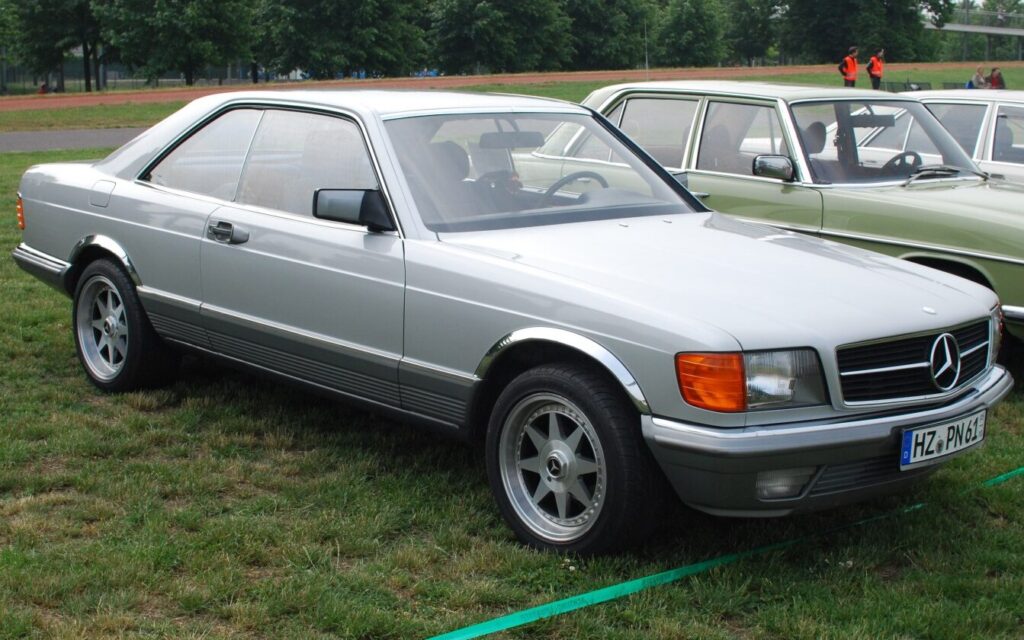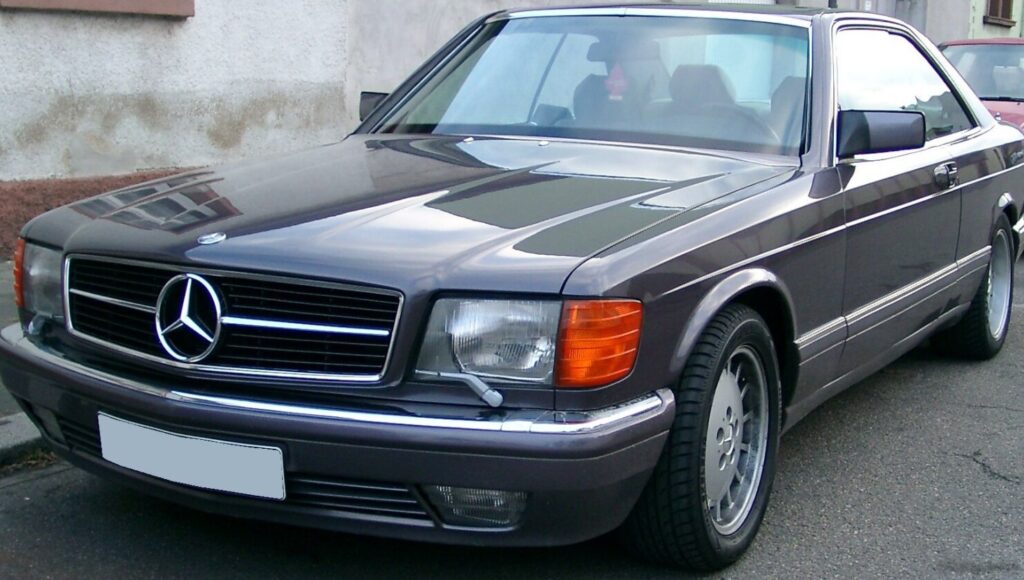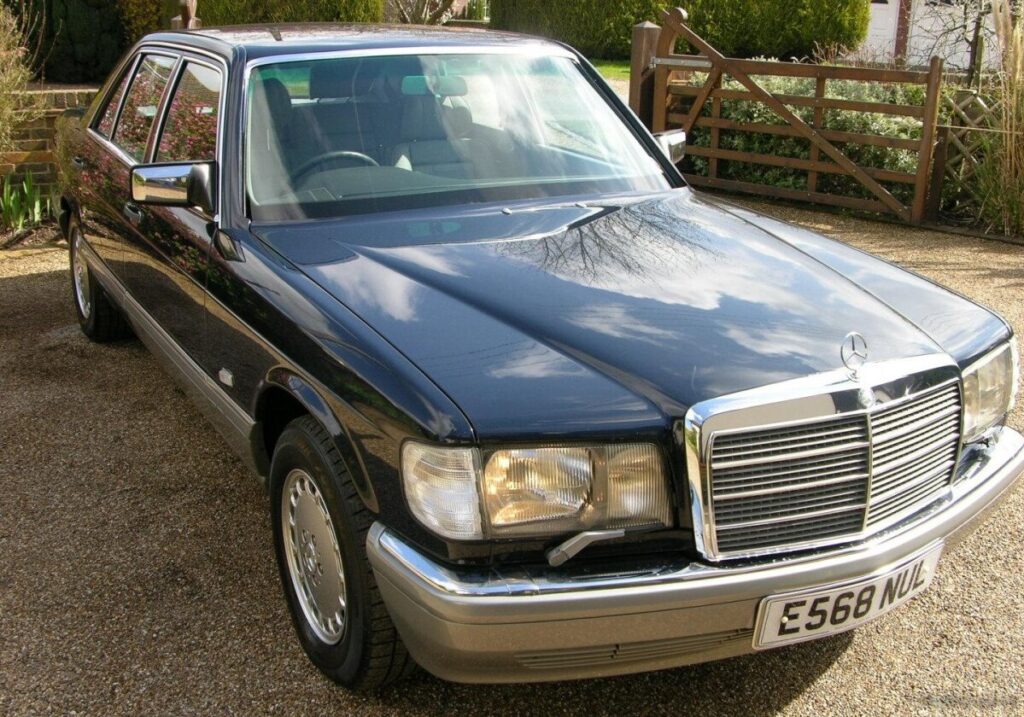
The Mercedes-Benz 300 SEL, part of the W126 S-Class range, represented a significant evolution in luxury automotive engineering when it debuted in September 1985. This facelifted version of the W126, produced through August 1991, offered a blend of sophisticated technology, robust build quality, and refined comfort. The “SEL” designation signified the long-wheelbase variant, prioritizing rear passenger space. The 300 SEL CAT (Catalytic Converter) model, equipped with a 3.0-liter inline-six engine producing 179 horsepower, occupied a middle ground within the S-Class lineup, offering a balance between performance and fuel efficiency. It served as a more accessible entry point into the S-Class experience compared to the flagship V8 models.
Technical Specifications
| Brand | Mercedes-Benz |
| Model | S-class |
| Generation | S-class SEL (V126, facelift 1985) |
| Type (Engine) | 300 SEL CAT (179 Hp) |
| Start of production | September, 1985 |
| End of production | August, 1991 |
| Powertrain Architecture | Internal Combustion engine |
| Body type | Sedan |
| Seats | 5 |
| Doors | 4 |
| Fuel consumption (urban) | 14.5 l/100 km (16.2 US mpg, 19.5 UK mpg) |
| Fuel consumption (extra urban) | 8 l/100 km (29.4 US mpg, 35.3 UK mpg) |
| Fuel Type | Petrol (Gasoline) |
| Acceleration 0 – 100 km/h | 9.3 sec |
| Acceleration 0 – 62 mph | 9.3 sec |
| Acceleration 0 – 60 mph | 8.8 sec |
| Maximum speed | 205 km/h (127.38 mph) |
| Weight-to-power ratio | 8.7 kg/Hp |
| Weight-to-torque ratio | 6.1 kg/Nm |
| Power | 179 Hp @ 5700 rpm |
| Torque | 255 Nm @ 4400 rpm (188.08 lb.-ft. @ 4400 rpm) |
| Engine layout | Front, Longitudinal |
| Engine Model/Code | M 103 E 30 / 103.981 |
| Engine displacement | 2962 cm3 (180.75 cu. in.) |
| Number of cylinders | 6 |
| Engine configuration | Inline |
| Cylinder Bore | 88.5 mm (3.48 in.) |
| Piston Stroke | 80.25 mm (3.16 in.) |
| Compression ratio | 9.2:1 |
| Number of valves per cylinder | 2 |
| Fuel injection system | Multi-port manifold injection |
| Engine aspiration | Naturally aspirated engine |
| Valvetrain | SOHC |
| Engine oil capacity | 6 l (6.34 US qt | 5.28 UK qt) |
| Coolant capacity | 8 l (8.45 US qt | 7.04 UK qt) |
| Kerb Weight | 1550 kg (3417.17 lbs.) |
| Max. weight | 2070 kg (4563.57 lbs.) |
| Max load | 520 kg (1146.4 lbs.) |
| Fuel tank capacity | 90 l (23.78 US gal | 19.8 UK gal) |
| Length | 5160 mm (203.15 in.) |
| Width | 1820 mm (71.65 in.) |
| Height | 1441 mm (56.73 in.) |
| Wheelbase | 3070 mm (120.87 in.) |
| Front track | 1555 mm (61.22 in.) |
| Rear track | 1527 mm (60.12 in.) |
| Drivetrain Architecture | Rear wheel drive |
| Number of gears | 5 |
| Type of gearbox | Manual transmission |
| Front suspension | Double wishbone |
| Rear suspension | Trailing arm |
| Front brakes | Ventilated discs |
| Rear brakes | Disc |
| Steering type | Cone worm with recirculation balls |
| Power steering | Hydraulic Steering |
| Tires size | 205/65 R15 |
| Wheel rims size | 7J x 15 |
Powertrain & Engine Architecture
The heart of the 300 SEL CAT was the M103 E 30 engine, a 2.962-liter (180.75 cubic inches) inline-six cylinder powerplant. This engine was a descendant of the long-running M103 family, known for its smoothness and durability. It featured a single overhead camshaft (SOHC) operating two valves per cylinder. Bosch K-Jetronic fuel injection delivered precise fuel metering, contributing to both performance and emissions control. The catalytic converter, denoted by the “CAT” in the model name, was a crucial component in meeting increasingly stringent emissions regulations. The engine produced 179 horsepower at 5700 rpm and 255 Nm (188 lb-ft) of torque at 4400 rpm. The five-speed manual transmission was standard, providing drivers with full control over the engine’s power band.
Driving Characteristics
The 300 SEL CAT offered a refined and comfortable driving experience. While not overtly sporty, the inline-six provided adequate power for effortless cruising and confident overtaking. Acceleration from 0 to 60 mph took approximately 8.8 seconds, and the car could reach a top speed of 205 km/h (127 mph). The manual transmission allowed for precise gear selection, but the long gearing emphasized fuel economy over outright acceleration. Compared to the 300 SEL with an automatic transmission, the manual version offered slightly improved performance and driver engagement. It also provided better fuel economy. Compared to the higher-output V8 models, the 300 SEL CAT prioritized efficiency and affordability, making it a more practical choice for everyday driving.
Equipment & Trim Levels
The 300 SEL CAT came standard with a generous array of features befitting a luxury sedan. These included power windows, central locking, air conditioning, and a high-quality sound system. The interior was typically upholstered in leather, with wood trim adorning the dashboard and door panels. Optional extras included a sunroof, heated seats, and a more advanced audio system. The long wheelbase of the SEL model provided ample rear legroom, enhancing passenger comfort. The overall aesthetic was one of understated elegance, reflecting Mercedes-Benz’s commitment to timeless design.
Chassis & Braking
The W126 S-Class featured a robust chassis with independent suspension all around. The front suspension utilized double wishbones, while the rear employed a trailing arm setup. This configuration provided a comfortable ride and predictable handling. The 300 SEL CAT was equipped with ventilated disc brakes at the front and solid disc brakes at the rear, providing ample stopping power. Hydraulic power steering made maneuvering the large sedan relatively easy. Tire size was typically 205/65 R15 all around.
Market Reception & Comparison
The 300 SEL CAT was generally well-received by automotive critics. It was praised for its comfortable ride, refined interior, and robust build quality. However, some critics noted that the inline-six engine lacked the effortless power of the V8 models. Fuel economy was considered respectable for a car of its size and class. Compared to its competitors, such as the BMW 7 Series and the Audi A8, the 300 SEL CAT offered a unique blend of luxury, reliability, and practicality.
Legacy
The M103 engine, found in the 300 SEL CAT, is known for its longevity and relatively straightforward maintenance. While not immune to age-related issues, these engines can provide many years of reliable service with proper care. Today, the W126 S-Class, including the 300 SEL CAT, is gaining recognition as a classic car. Well-maintained examples are sought after by collectors and enthusiasts who appreciate their timeless design, robust engineering, and comfortable driving experience. The 300 SEL CAT represents a sweet spot in the W126 lineup, offering a balance of luxury, performance, and affordability that continues to appeal to enthusiasts today.