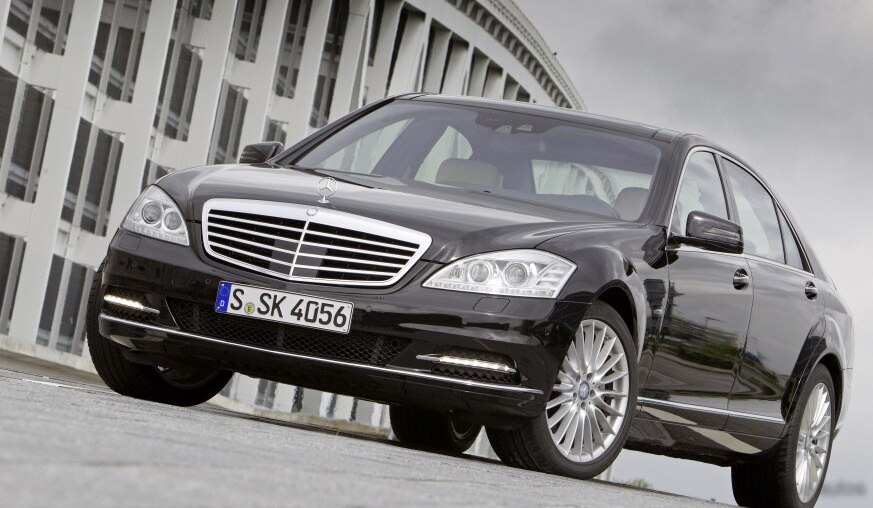
The Mercedes-Benz S 350 4MATIC, produced between 2009 and 2011, was a key variant within the W221 facelift generation of the S-Class. Positioned as a mid-range offering, it bridged the gap between the entry-level S 300 and the more powerful S 500 models. This version combined a naturally aspirated 3.5-liter V6 engine with Mercedes-Benz’s 7G-TRONIC seven-speed automatic transmission and the 4MATIC all-wheel-drive system, aiming to deliver a balance of performance, luxury, and all-weather capability. The W221 facelift, introduced in 2009, brought significant styling and technological updates to the S-Class, enhancing its appeal in the competitive luxury sedan segment.
Powertrain & Engine Architecture
The S 350 4MATIC was powered by the M272.965 engine, a 3.5-liter (3498 cc) naturally aspirated V6. This engine featured a 60-degree V-angle and utilized a multi-port fuel injection system. The engine produced 272 horsepower (hp) at 6000 rpm and 350 Newton-meters (258.15 lb-ft) of torque between 2400 and 5000 rpm. The engine’s specific output was 77.8 hp per liter. It employed three valves per cylinder (two intake, one exhaust) and a compression ratio of 10.7:1. The M272 engine family was known for its relatively smooth operation and refinement, though it lacked the forced induction of some competitors.
The 7G-TRONIC automatic transmission (722.905) was a crucial component of the S 350 4MATIC. This seven-speed automatic was designed for smooth and efficient shifting, contributing to both fuel economy and driving comfort. It featured a torque converter lock-up clutch to reduce slippage and improve efficiency. The transmission offered selectable driving modes, allowing the driver to tailor the shift points to their preferences. The 4MATIC system, a full-time all-wheel-drive system, distributed power between the front and rear axles to enhance traction and stability, particularly in adverse weather conditions. The default torque split was typically 40% front / 60% rear, but could dynamically adjust based on driving conditions.
Engine Details
The M272.965 engine benefitted from Mercedes-Benz’s engineering expertise in engine design. It featured a magnesium block for weight reduction and improved heat dissipation. The engine also incorporated a balance shaft to minimize vibrations, contributing to its smooth operation. Oil capacity was 8 liters (8.45 US qt / 7.04 UK qt), and the recommended oil specification was specific to Mercedes-Benz standards. The cooling system held 7 liters (7.4 US qt / 6.16 UK qt) of coolant.
Driving Characteristics
The S 350 4MATIC offered a refined and comfortable driving experience. While not as overtly powerful as the V8-equipped S 500, the 3.5-liter V6 provided adequate performance for most driving situations. Acceleration from 0 to 100 km/h (0-62 mph) took approximately 7.3 seconds, and 0-60 mph was achieved in around 6.9 seconds. The 7G-TRONIC transmission contributed to smooth and seamless gear changes, enhancing the overall driving experience. The 4MATIC all-wheel-drive system provided enhanced grip and stability, particularly on slippery surfaces. The gear ratios were optimized for a balance of acceleration and fuel efficiency. The car felt composed and stable at highway speeds, typical of the S-Class lineage.
Compared to the higher-performance S 500, the S 350 4MATIC offered a more relaxed and fuel-efficient driving experience. While the S 500 provided significantly more power and quicker acceleration, the S 350 4MATIC prioritized comfort and efficiency. Compared to a potential diesel variant (not widely available in the US market during this period), the S 350 4MATIC offered a smoother, quieter engine experience, but with potentially higher fuel consumption.
Equipment & Trim Levels
The S 350 4MATIC came standard with a comprehensive array of luxury features. These included leather upholstery, power-adjustable front seats with memory function, dual-zone automatic climate control, a premium audio system, and a multi-function steering wheel. Standard safety features included ABS, electronic stability control, and a suite of airbags. The interior typically featured wood trim accents and high-quality materials throughout. Optional extras included a panoramic sunroof, rear seat entertainment system, massaging seats, and advanced driver-assistance systems such as Distronic Plus (adaptive cruise control) and Lane Keeping Assist. The exterior styling was consistent with the W221 facelift, featuring revised headlights, a new front grille, and updated rear taillights.
Chassis & Braking
The S 350 4MATIC utilized a fully independent suspension system, with multi-link suspension at all four corners. This provided a comfortable ride and precise handling. The suspension was tuned to prioritize comfort, but still offered good body control. The car featured disc brakes on all four wheels, providing ample stopping power. ABS (Anti-lock Braking System) was standard, enhancing braking performance and stability. The steering system was a rack-and-pinion setup with power assistance. The standard tire size was 235/55 R17, mounted on 17-inch alloy wheels. Stabilizer bars were fitted to both the front and rear axles to reduce body roll during cornering.
Market Reception & Comparison
The S 350 4MATIC was generally well-received by automotive critics. It was praised for its comfortable ride, refined interior, and balanced performance. Critics noted that it offered a good value proposition within the S-Class range, providing many of the luxury features of the higher-end models at a more accessible price point. Fuel economy was considered reasonable for a large luxury sedan, with combined fuel consumption ranging from 10.2 to 10.5 liters per 100 kilometers (23.1 to 22.4 US mpg). Reliability was generally good, although some owners reported issues with the air suspension system, a common concern across the W221 generation. Compared to competitors such as the BMW 7 Series and Audi A8, the S 350 4MATIC was often seen as offering a more comfortable and luxurious experience, but potentially lacking the sporty driving dynamics of some rivals.
Technical Specifications
| Brand | Mercedes-Benz |
| Model | S-Class |
| Generation | S-Class (W221, facelift 2009) |
| Type | S 350 (272 Hp) 4MATIC G-TRONIC |
| Start of production | 2009 |
| End of production | 2011 |
| Engine | 3.5L V6 (M272.965) |
| Power | 272 hp @ 6000 rpm |
| Torque | 350 Nm @ 2400-5000 rpm (258.15 lb-ft) |
| Fuel Consumption (Urban) | 14.6-15 l/100 km (16.1-15.7 US mpg) |
| Fuel Consumption (Extra Urban) | 7.8-7.9 l/100 km (30.2-29.8 US mpg) |
| Fuel Consumption (Combined) | 10.2-10.5 l/100 km (23.1-22.4 US mpg) |
| CO2 Emissions | 240-245 g/km |
| Acceleration 0-100 km/h | 7.3 sec |
| Acceleration 0-60 mph | 6.9 sec |
| Maximum Speed | 250 km/h (155.34 mph) |
| Kerb Weight | 1880 kg (4144.69 lbs) |
| Fuel Tank Capacity | 90 l (23.78 US gal) |
| Transmission | 7-speed automatic (7G-TRONIC) |
| Drive | All-wheel drive (4MATIC) |
| Length | 5096 mm (200.63 in) |
| Width | 1871 mm (73.66 in) |
| Height | 1479 mm (58.23 in) |
Legacy
The S 350 4MATIC (W221 facelift) remains a desirable used luxury sedan. The M272 engine, while not the most technologically advanced, has proven to be relatively reliable with proper maintenance. The 7G-TRONIC transmission is also generally considered durable. However, potential buyers should be aware of the potential for issues with the air suspension system and other electronic components common to the W221 generation. The car’s comfortable ride, spacious interior, and comprehensive feature set continue to appeal to buyers seeking a luxurious and refined driving experience. Its all-wheel-drive system makes it a practical choice for regions with inclement weather. Today, well-maintained examples can be found at relatively affordable prices, making it an accessible entry point into the world of Mercedes-Benz luxury.