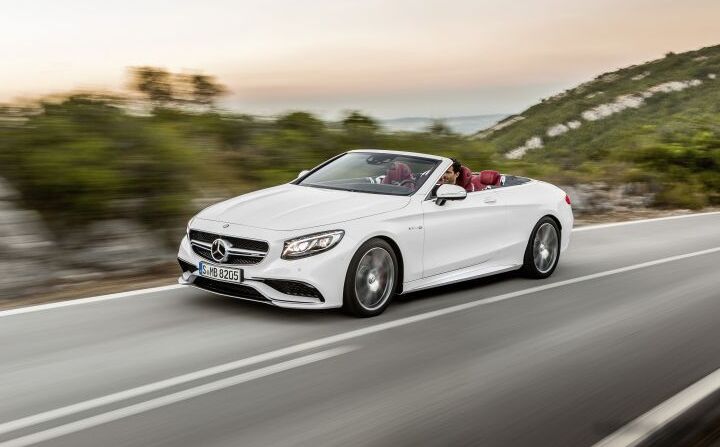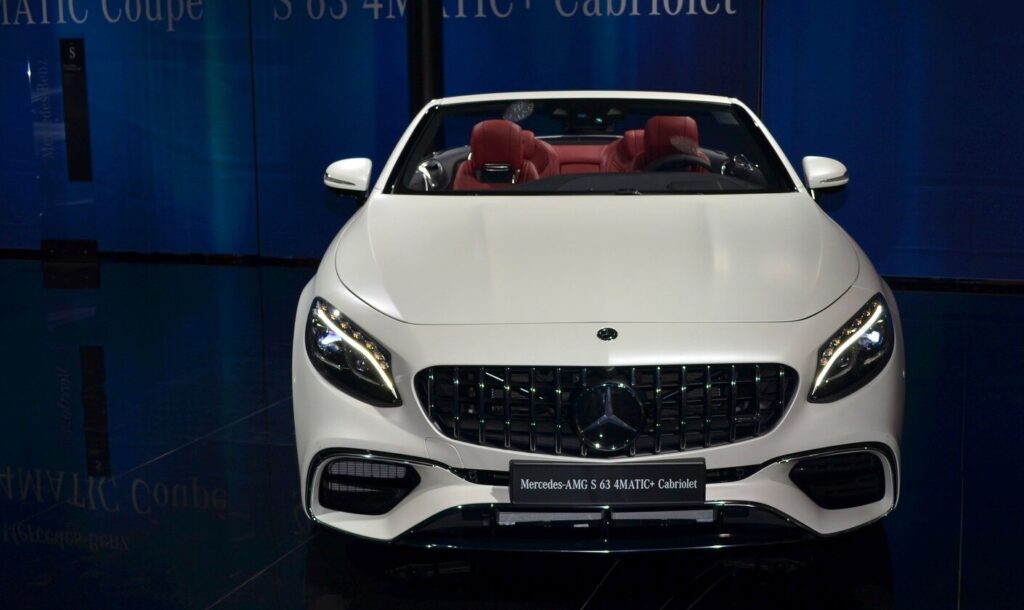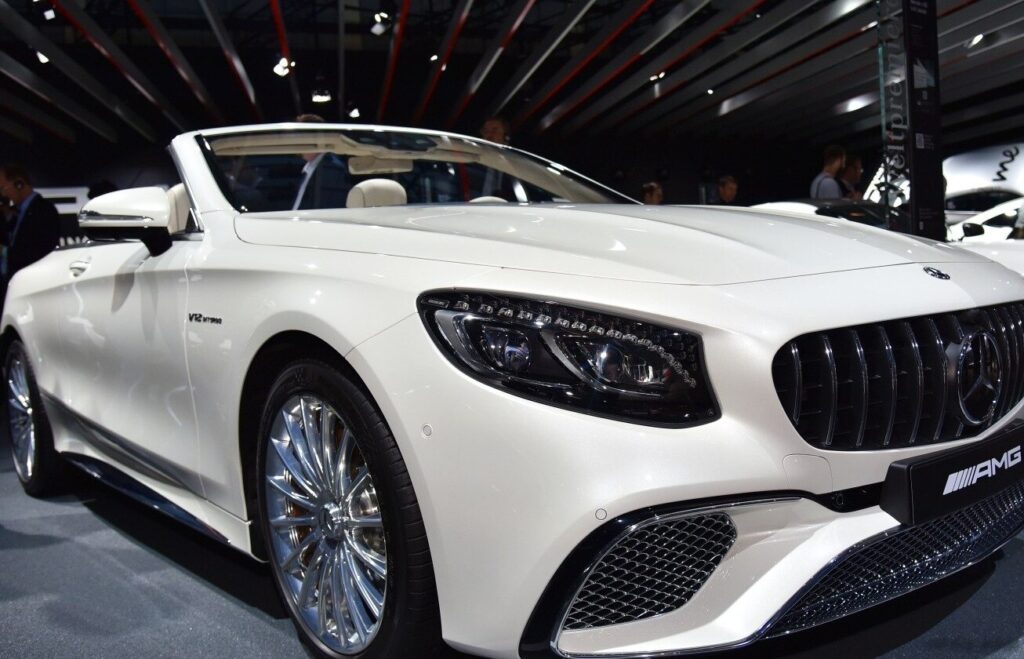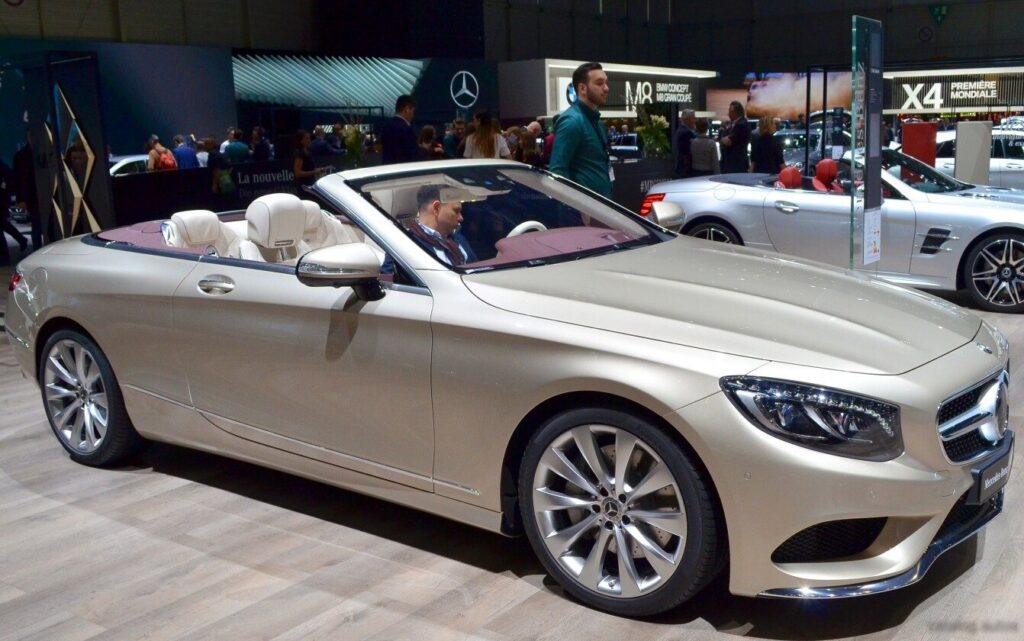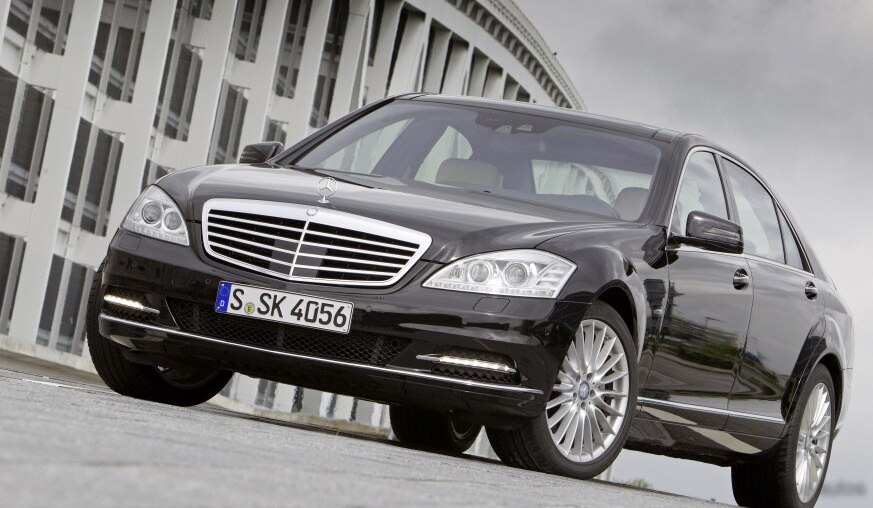
The Mercedes-Benz S 500 BlueEFFICIENCY, produced from 2011 to 2013, represents a significant iteration within the W221 S-Class facelift generation. Positioned as a high-performance variant, it occupied a premium slot in the lineup, bridging the gap between the standard S 500 and the more exclusive S 600 models. This model aimed to deliver substantial power and luxury while incorporating efficiency-enhancing technologies, hence the “BlueEFFICIENCY” designation. It built upon the foundation of the W221 platform (introduced in 2005), which was renowned for its advanced technology, opulent interior, and sophisticated driving experience.
Powertrain & Engine Architecture
At the heart of the S 500 BlueEFFICIENCY lies the M278.932 engine, a 4.7-liter (4663 cc) V8 gasoline engine. This engine is characterized by its direct injection system, twin-turbocharging with intercooling, and a compression ratio of 10.5:1. The direct injection system precisely meters fuel into the combustion chambers, optimizing combustion efficiency and power output. The twin-turbochargers, one per cylinder bank, provide significant boost, contributing to the engine’s impressive 435 horsepower at 5250 rpm and 700 Nm (516.29 lb-ft) of torque available from 1800 to 3500 rpm. The engine boasts a power-to-liter ratio of 93.3 hp/l.
The engine is longitudinally mounted at the front of the vehicle. It is paired with Mercedes-Benz’s 7G-TRONIC automatic transmission, a seven-speed automatic gearbox known for its smooth shifting and responsiveness. This transmission features a torque converter and electronically controlled gear changes, optimizing for both performance and fuel economy. The 7G-TRONIC was a key component in the S-Class’s overall driving experience, providing seamless power delivery and contributing to the car’s refined character.
Fuel Injection and Valvetrain
The M278.932 utilizes a piezo direct injection system, allowing for multiple injections per combustion cycle. This precise control over fuel delivery enhances combustion efficiency, reduces emissions, and improves throttle response. The engine also features four valves per cylinder, operated by dual overhead camshafts (DOHC). This valvetrain configuration optimizes airflow into and out of the cylinders, further contributing to the engine’s power and efficiency.
Driving Characteristics
The S 500 BlueEFFICIENCY delivers a compelling blend of performance and comfort. Acceleration from 0 to 100 km/h (0-62 mph) takes approximately 5 seconds, while 0-60 mph is achieved in around 4.8 seconds. The maximum speed is electronically limited to 250 km/h (155.34 mph). The 7G-TRONIC transmission plays a crucial role in the driving experience, providing smooth and almost imperceptible gear changes. The broad torque curve ensures strong acceleration in virtually any gear, making overtaking maneuvers effortless. Compared to the standard S 500, the BlueEFFICIENCY model offered a noticeable performance improvement due to the optimized engine management and reduced internal friction. Compared to the higher-end S 600 with its V12 engine, the S 500 BlueEFFICIENCY offered a more agile and responsive feel, albeit with slightly less outright power.
The rear-wheel drive configuration contributes to a balanced driving experience, although it doesn’t offer the all-weather capability of the 4MATIC all-wheel drive system available on other S-Class models. The suspension, tuned for comfort, effectively absorbs road imperfections, providing a smooth and refined ride.
Equipment & Trim Levels
The S 500 BlueEFFICIENCY came standard with a comprehensive array of luxury features. Interior appointments typically included high-quality leather upholstery, wood trim, and brushed aluminum accents. Standard equipment included a premium sound system, multi-contour seats with massage function, a navigation system, and a climate control system with multiple zones. The dashboard configuration was characterized by its elegant design and intuitive layout.
Optional extras were plentiful, allowing buyers to personalize their S-Class. These included features such as a rear-seat entertainment system, a panoramic sunroof, advanced driver-assistance systems (such as Distronic Plus adaptive cruise control and lane-keeping assist), and upgraded interior trim options. The S 500 BlueEFFICIENCY often served as a platform for showcasing Mercedes-Benz’s latest technological innovations.
Chassis & Braking
The W221 S-Class chassis features a fully independent suspension system, with multi-link suspension at all four corners. This configuration provides a comfortable ride and precise handling. The S 500 BlueEFFICIENCY typically came equipped with disc brakes on all wheels, providing ample stopping power. Anti-lock braking system (ABS) was standard, enhancing safety and stability during emergency braking situations. The steering system utilizes a rack-and-pinion setup, offering precise and responsive steering feel. The car rides on 255/45 R18 tires mounted on 18-inch alloy wheels.
The kerb weight of the S 500 BlueEFFICIENCY is 1935 kg (4265.94 lbs), while the maximum permissible weight is 2615 kg (5765.09 lbs). This weight distribution contributes to the car’s stable and predictable handling characteristics.
Market Reception & Comparison
The S 500 BlueEFFICIENCY was generally well-received by automotive critics. It was praised for its powerful engine, smooth transmission, luxurious interior, and advanced technology. Fuel economy figures were respectable for a vehicle of its size and performance, with combined fuel consumption ranging from 9.4 to 9.6 l/100 km (25-24.5 US mpg, 30.1-29.4 UK mpg). Compared to the S 600, the S 500 BlueEFFICIENCY offered a better balance of performance and efficiency, making it a more appealing option for drivers who prioritized responsiveness over sheer power. Reliability was generally good, although some owners reported issues with the air suspension system and electronic components, common concerns for complex luxury vehicles of this era.
Technical Specifications
| Brand | Mercedes-Benz |
| Model | S-Class |
| Generation | S-Class (W221, facelift 2009) |
| Type | S 500 BlueEFFICIENCY (435 Hp) G-TRONIC |
| Start of production | 2011 |
| End of production | 2013 |
| Engine | M 278.932 |
| Engine Displacement | 4663 cm3 (284.55 cu. in.) |
| Number of Cylinders | 8 |
| Engine Configuration | V-engine |
| Compression Ratio | 10.5:1 |
| Fuel Injection | Direct Injection |
| Engine Aspiration | Twin-Turbo, Intercooler |
| Power | 435 Hp @ 5250 rpm |
| Torque | 700 Nm @ 1800-3500 rpm (516.29 lb.-ft.) |
| Fuel Consumption (Urban) | 12.9-13.4 l/100 km (18.2 – 17.6 US mpg) |
| Fuel Consumption (Extra Urban) | 7.3-7.4 l/100 km (32.2 – 31.8 US mpg) |
| Fuel Consumption (Combined) | 9.4-9.6 l/100 km (25 – 24.5 US mpg) |
| CO2 Emissions | 219-224 g/km |
| Acceleration 0-100 km/h | 5 sec |
| Acceleration 0-60 mph | 4.8 sec |
| Maximum Speed | 250 km/h (155.34 mph) |
| Kerb Weight | 1935 kg (4265.94 lbs) |
| Fuel Tank Capacity | 83 l (21.93 US gal) |
| Trunk Space | 560 l (19.78 cu. ft.) |
| Transmission | 7-speed automatic G-TRONIC |
Legacy
The S 500 BlueEFFICIENCY, while superseded by later S-Class generations, remains a desirable vehicle in the used car market. Its combination of performance, luxury, and technology continues to appeal to buyers seeking a high-end sedan. The M278 engine, while complex, has proven to be relatively reliable when properly maintained. Common maintenance items include regular oil changes, spark plug replacements, and inspection of the cooling system. The 7G-TRONIC transmission is also generally durable, but may require fluid changes and occasional servicing. Today, these vehicles represent a compelling value proposition for those seeking a sophisticated and capable luxury car at a more accessible price point.