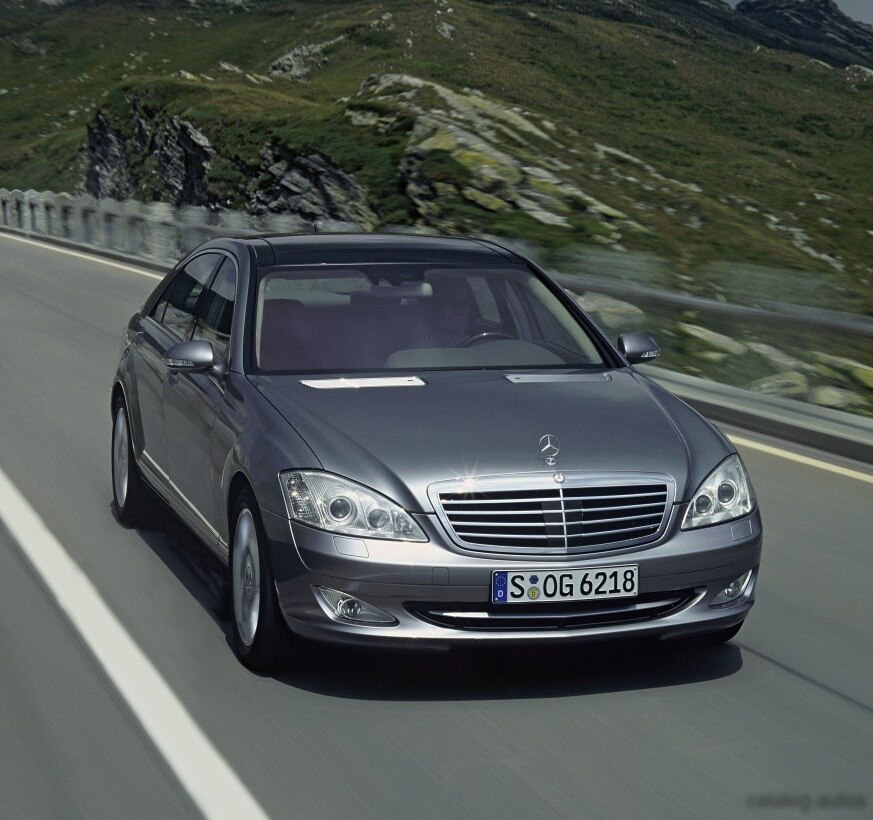
The Mercedes-Benz S 350 4MATIC, produced between 2005 and 2009, was a key variant within the W221 generation of the S-Class. Positioned as a mid-range offering, it bridged the gap between the entry-level S 300 and the more powerful S 500 models. This variant combined a 3.5-liter V6 engine with a 7G-TRONIC automatic transmission and Mercedes-Benz’s 4MATIC all-wheel-drive system, aiming to deliver a balance of performance, luxury, and all-weather capability. The W221 S-Class, as a whole, represented a significant leap forward in automotive technology, introducing innovations like PRE-SAFE brake assist and advanced driver-assistance systems.
Powertrain & Engine Architecture
The heart of the S 350 4MATIC is the M 272.965 engine, a 3.5-liter (3498 cc) naturally aspirated V6. This engine produces 272 horsepower at 6000 rpm and 350 Nm (258.15 lb-ft) of torque between 2400 and 5000 rpm. The engine utilizes a multi-port fuel injection system and a double overhead camshaft (DOHC) valvetrain with four valves per cylinder. The compression ratio is 10.7:1. The M272 engine family was known for its relatively smooth operation and refinement, though it lacked the outright performance of the larger V8 engines offered in the S-Class range.
The engine is longitudinally mounted in the engine bay. Paired with the M 272.965 is the 7G-TRONIC automatic transmission, a seven-speed unit that was a significant advancement over previous Mercedes-Benz automatic transmissions. The 7G-TRONIC offered smoother shifts, improved fuel efficiency, and a wider gear ratio spread. The transmission features a torque converter and electronic shift control. The 4MATIC system is a full-time all-wheel-drive system, distributing power between the front and rear axles to enhance traction and stability, particularly in adverse weather conditions. The default power split is typically 40% front / 60% rear, but this can vary dynamically based on driving conditions and sensor inputs.
Engine Specifications
The M272 engine was designed with a magnesium block to reduce weight, and featured a plastic intake manifold. It was a relatively complex engine for its time, incorporating features like variable valve timing and a two-stage oil pump. The engine oil capacity is 8 liters (8.45 US qt / 7.04 UK qt), and the coolant capacity is 8.5 liters (8.98 US qt / 7.48 UK qt).
Driving Characteristics
The S 350 4MATIC offered a comfortable and refined driving experience, prioritizing smoothness and quietness over outright sportiness. Acceleration from 0 to 100 km/h (0-62 mph) takes 7.3 seconds, while 0-60 mph is achieved in approximately 6.9 seconds. The 7G-TRONIC transmission contributes to a relaxed cruising experience, with well-spaced gear ratios that keep the engine operating within its optimal range. While the 272 hp output is adequate for a large luxury sedan, it doesn’t provide the same level of performance as the S 500 or other higher-powered S-Class variants. The 4MATIC system provides enhanced grip and stability, particularly on slippery surfaces, making the S 350 4MATIC a confident performer in all weather conditions. The steering is precise and well-weighted, though it lacks the direct feel of some sportier sedans.
Equipment & Trim Levels
The S 350 4MATIC came standard with a comprehensive array of luxury features, befitting its position in the S-Class range. Standard equipment typically included leather upholstery, wood trim, automatic climate control, a premium sound system, power-adjustable front seats with memory function, and a sunroof. The S-Class was renowned for its interior quality and attention to detail. Optional extras included features like massaging seats, a rear entertainment system, a navigation system, and advanced driver-assistance systems such as DISTRONIC adaptive cruise control and lane-keeping assist. Interior color options were extensive, allowing buyers to personalize their vehicles. Dashboard configurations were generally consistent across the W221 range, with a focus on elegant design and intuitive controls.
Chassis & Braking
The S 350 4MATIC features an independent multi-link suspension at both the front and rear axles, providing a comfortable ride and good handling characteristics. The suspension is tuned to prioritize ride comfort, absorbing bumps and imperfections in the road surface effectively. The front brakes are ventilated discs, while the rear brakes are solid discs. The braking system is assisted by ABS (Anti-lock Braking System) and ESP (Electronic Stability Program). The steering system is a rack-and-pinion type with power assistance. Standard tire size is 235/55 R17 W, mounted on 8J x 17 inch wheel rims. The curb weight of the S 350 4MATIC is 1875 kg (4133.67 lbs), with a maximum permissible weight of 2550 kg (5621.79 lbs).
Market Reception & Comparison
The S 350 4MATIC was generally well-received by automotive critics, who praised its comfortable ride, refined interior, and all-weather capability. However, some critics noted that its performance was not as exhilarating as that of the S 500 or other higher-powered S-Class models. Fuel economy was a mixed bag, with combined fuel consumption ranging from 10.6 to 10.8 l/100 km (22.2 – 21.8 US mpg / 26.6 – 26.2 UK mpg). Compared to the S 300, the S 350 4MATIC offered a noticeable performance upgrade, while the S 500 provided significantly more power. The S 350 4MATIC offered a compelling alternative for buyers who wanted a luxurious and capable sedan without the higher price tag of the S 500. The 4MATIC system was a significant selling point for buyers in regions with harsh winters or inclement weather.
Technical Specifications
| Brand | Mercedes-Benz |
| Model | S-Class |
| Generation | S-Class (W221) |
| Type | S 350 (272 Hp) 4MATIC 7G-TRONIC |
| Start of production | 2005 |
| End of production | 2009 |
| Powertrain Architecture | Internal Combustion engine |
| Body type | Sedan |
| Seats | 5 |
| Doors | 4 |
| Fuel consumption (urban) | 15-15.2 l/100 km (15.7 – 15.5 US mpg / 18.8 – 18.6 UK mpg) |
| Fuel consumption (extra urban) | 8.2-8.4 l/100 km (28.7 – 28 US mpg / 34.4 – 33.6 UK mpg) |
| Fuel consumption (combined) | 10.6-10.8 l/100 km (22.2 – 21.8 US mpg / 26.6 – 26.2 UK mpg) |
| CO2 emissions | 254-259 g/km |
| Fuel Type | Petrol (Gasoline) |
| Acceleration 0 – 100 km/h | 7.3 sec |
| Acceleration 0 – 62 mph | 7.3 sec |
| Acceleration 0 – 60 mph | 6.9 sec |
| Maximum speed | 250 km/h (155.34 mph) |
| Emission standard | Euro 4 |
| Weight-to-power ratio | 6.9 kg/Hp, 145.1 Hp/tonne |
| Weight-to-torque ratio | 5.4 kg/Nm, 186.7 Nm/tonne |
| Power | 272 Hp @ 6000 rpm |
| Torque | 350 Nm @ 2400-5000 rpm (258.15 lb.-ft. @ 2400-5000 rpm) |
| Engine layout | Front, Longitudinal |
| Engine Model/Code | M 272.965 |
| Engine displacement | 3498 cm3 (213.46 cu. in.) |
| Number of cylinders | 6 |
| Engine configuration | V-engine |
| Cylinder Bore | 92.9 mm (3.66 in.) |
| Piston Stroke | 86 mm (3.39 in.) |
| Compression ratio | 10.7:1 |
| Number of valves per cylinder | 4 |
| Fuel injection system | Multi-port manifold injection |
| Engine aspiration | Naturally aspirated engine |
| Valvetrain | DOHC |
| Engine oil capacity | 8 l (8.45 US qt | 7.04 UK qt) |
| Coolant | 8.5 l (8.98 US qt | 7.48 UK qt) |
| Kerb Weight | 1875 kg (4133.67 lbs.) |
| Max. weight | 2550 kg (5621.79 lbs.) |
| Max load | 675 kg (1488.12 lbs.) |
| Trunk (boot) space – maximum | 560 l (19.78 cu. ft.) |
| Fuel tank capacity | 90 l (23.78 US gal | 19.8 UK gal) |
| Length | 5079 mm (199.96 in.) |
| Width | 1871 mm (73.66 in.) |
| Width including mirrors | 2115 mm (83.27 in.) |
| Height | 1473 mm (57.99 in.) |
| Wheelbase | 3035 mm (119.49 in.) |
| Front track | 1604 mm (63.15 in.) |
| Rear (Back) track | 1606 mm (63.23 in.) |
| Front overhang | 871 mm (34.29 in.) |
| Rear overhang | 1173 mm (46.18 in.) |
| Minimum turning circle (turning diameter) | 11.8 m (38.71 ft.) |
| Drive wheel | All wheel drive (4×4) |
| Number of gears and type of gearbox | 7 gears, automatic transmission G-TRONIC |
| Front suspension | Independent multi-link suspension |
| Rear suspension | Independent multi-link suspension |
| Front brakes | Ventilated discs |
| Rear brakes | Disc |
| Steering type | Steering rack and pinion |
| Tires size | 235/55 R17 W |
| Wheel rims size | 8J x 17 |
Legacy
The M 272 engine, while generally reliable, is known to be susceptible to certain issues, including oil leaks from the valve cover gaskets and potential problems with the balance shaft. The 7G-TRONIC transmission is also known to require regular maintenance, including fluid changes, to ensure smooth operation. However, with proper care, the powertrain can provide many years of reliable service. Today, the W221 S 350 4MATIC represents a relatively affordable entry point into the S-Class ownership experience. Well-maintained examples are still sought after by buyers who appreciate the car’s blend of luxury, comfort, and all-weather capability. The car’s relatively complex systems mean that it requires a knowledgeable mechanic for servicing, but the availability of parts remains good. The S 350 4MATIC remains a testament to Mercedes-Benz’s commitment to engineering excellence and luxurious appointments.