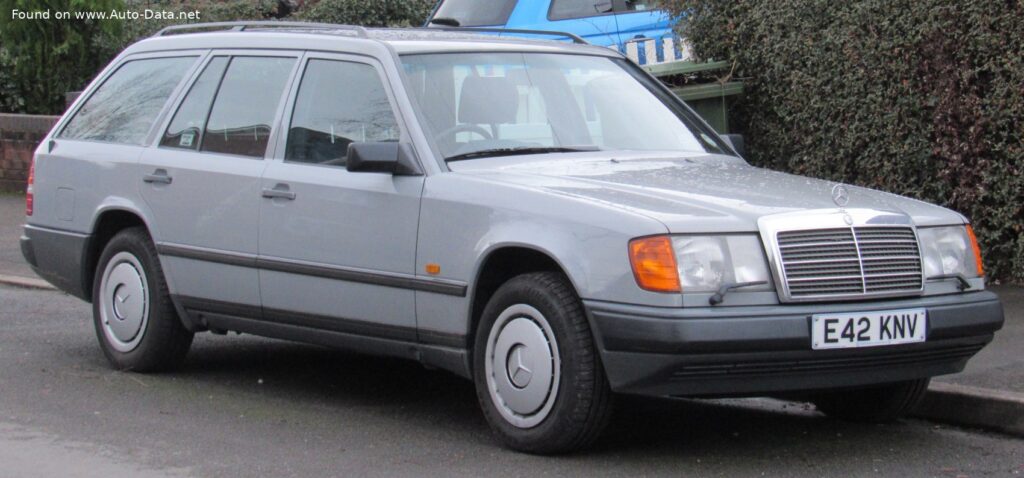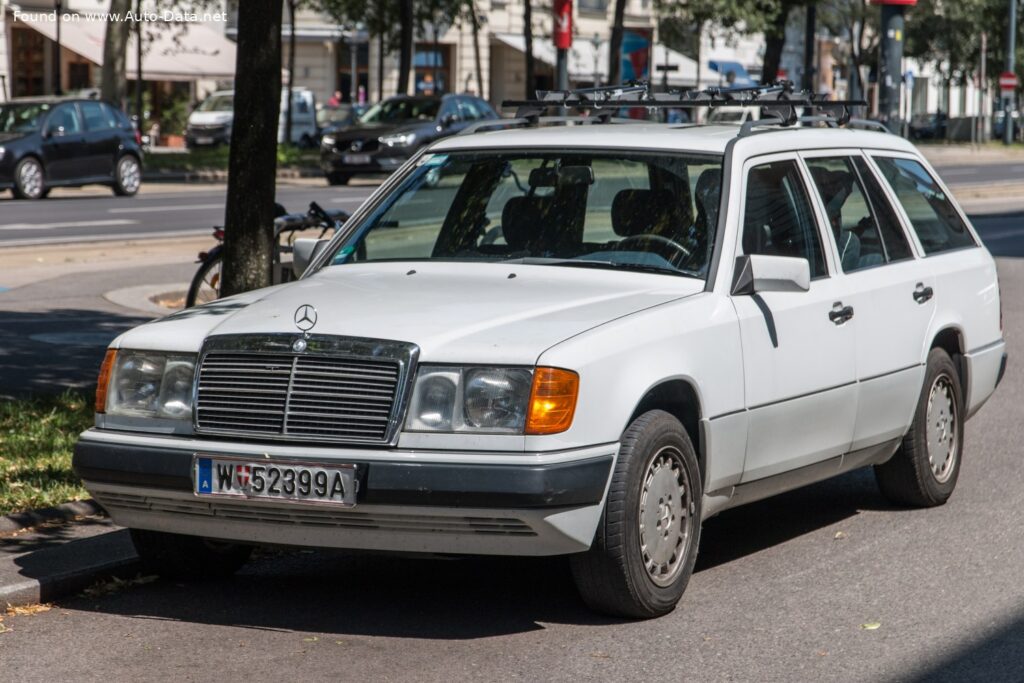
The Mercedes-Benz S124 (facelift 1989) 200 TE (136 Hp), produced from July 1992 to July 1993, represents a refined iteration of the W124 series, a generation renowned for its durability and engineering excellence. This specific variant, a station wagon (estate) designated “TE,” was primarily aimed at the European market, offering a balance of practicality, comfort, and the prestigious Mercedes-Benz brand. While not officially sold in the United States in this configuration, the W124 wagon gained a global reputation for its robust construction and versatility, setting a high standard for executive wagons of its time. The S124 series as a whole replaced the W123 and introduced a more modern aesthetic while maintaining the brand’s commitment to quality.
The 200 TE: Positioning within the W124 Lineup
The “S” in S124 specifically denotes the station wagon body style, offering increased cargo capacity and passenger space compared to the sedan. The 200 TE, equipped with a 2.0-liter engine producing 136 horsepower, occupied the entry-level position within the W124 wagon range. It served as a more accessible option compared to higher-performance models like the 230 TE, 280 TE, and the later E320 TE. This positioning was deliberate, targeting buyers who prioritized fuel efficiency, lower running costs, and a comfortable driving experience over outright speed and power. In markets with taxation based on engine displacement, the 200 TE offered a compelling value proposition.
Powertrain & Engine Architecture
The heart of the Mercedes-Benz S124 (facelift 1989) 200 TE (136 Hp) is the M 111 E 20 engine (code 111.940), a naturally aspirated, inline four-cylinder gasoline engine. Displacing 2.0 liters (1998 cc or 121.93 cubic inches), this engine represented a significant advancement in Mercedes-Benz’s four-cylinder technology. It featured a Double Overhead Camshaft (DOHC) valvetrain with four valves per cylinder, enhancing breathing and volumetric efficiency. The engine utilized Bosch multi-port fuel injection for precise fuel delivery, contributing to improved fuel economy and reduced emissions.
The M111 engine produced 136 horsepower at 5500 rpm and 140.14 lb-ft of torque at 4000 rpm. The engine was mounted longitudinally in the front of the vehicle, driving the rear wheels through a four-speed automatic transmission. This transmission, a robust and reliable unit, was designed for smooth operation and durability. While not offering the sportiness of a manual gearbox, it provided a comfortable and convenient driving experience, particularly suited to the car’s intended role as a luxury family vehicle. The automatic transmission featured a torque converter for smooth launches and a traditional hydraulic control system.
Driving Characteristics
The 200 TE Automatic offered a comfortable and refined driving experience, prioritizing smoothness and ease of use over outright performance. Acceleration from 0 to 60 mph took approximately 11 seconds, with a top speed of 116.82 mph (188 km/h). Compared to the manual transmission version of the 200 TE, the automatic resulted in a slight performance decrease due to the inherent losses within the torque converter and transmission. However, the automatic’s smooth gear changes and relaxed cruising ability were highly valued by many drivers.
Compared to the more powerful 230 TE or 280 TE variants, the 200 TE Automatic felt less eager to accelerate, particularly when fully loaded. The gear ratios of the four-speed automatic were optimized for fuel efficiency and comfortable cruising, rather than aggressive acceleration. Power delivery was linear and predictable, making the car easy to control in various driving conditions. The suspension, tuned for comfort, absorbed bumps and imperfections in the road effectively, providing a smooth and stable ride.
Equipment & Trim Levels
The S124 200 TE came standard with a comprehensive list of features, reflecting Mercedes-Benz’s commitment to luxury and comfort. Standard equipment typically included power windows, central locking, a high-quality audio system, and comfortable cloth upholstery. The interior featured wood trim accents and a well-designed dashboard layout. The wagon’s rear suspension often included a self-leveling system to maintain ride height when carrying heavy loads.
Optional extras available for the 200 TE included leather upholstery, sunroof, air conditioning, and upgraded audio systems. Some models were also equipped with cruise control and heated seats. Trim levels varied depending on the market, with some countries offering more extensive customization options than others. The facelifted models (post-1989) generally featured upgraded interior materials and improved sound insulation compared to earlier W124s.
Chassis & Braking
The S124 200 TE utilized a robust chassis and suspension system designed for comfort, stability, and safety. The front suspension featured independent wishbones, while the rear suspension employed an independent multi-link setup. This configuration provided excellent ride quality and handling characteristics. The steering system was a hydraulic power steering system, offering precise and responsive control.
Braking duties were handled by ventilated disc brakes at the front and disc brakes at the rear. The Anti-lock Braking System (ABS) was standard equipment, enhancing braking performance and stability, particularly on slippery surfaces. The chassis was designed with high structural rigidity, contributing to the car’s overall safety and handling. Stabilizer bars were fitted to both the front and rear axles to reduce body roll during cornering.
Market Reception & Comparison
The Mercedes-Benz S124 200 TE Automatic received generally positive reviews from automotive critics, particularly for its comfort, build quality, and practicality. While its performance was not considered sporty, it was deemed adequate for most driving situations. Fuel economy was a strong point, with the 200 TE achieving around 19.8 US mpg in urban driving and 33.6 US mpg on the highway.
Compared to its siblings, the 200 TE offered a more affordable entry point into the W124 wagon range. It was more fuel-efficient than the 230 TE and 280 TE, making it a popular choice in markets with high fuel prices or taxation based on engine displacement. Reliability was also a key strength, with the M111 engine proving to be a durable and long-lasting unit. Compared to rivals like the BMW E34 Touring and Audi 100 Avant, the 200 TE was often praised for its superior build quality and perceived reliability.
Technical Specifications
| Category | Specification |
| General Information | |
| Brand | Mercedes-Benz |
| Model | W124 |
| Generation | S124 (facelift 1989) |
| Type (Engine) | 200 TE (136 Hp) |
| Start of production | July, 1992 year |
| End of production | July, 1993 year |
| Powertrain Architecture | Internal Combustion engine |
| Body type | Station wagon (estate) |
| Seats | 5 |
| Doors | 5 |
| Performance Specs | |
| Fuel consumption (economy) – urban | 11.9 l/100 km |
| Fuel consumption (economy) – extra urban | 7 l/100 km |
| Fuel Type | Petrol (Gasoline) |
| Acceleration 0 – 60 mph | 11 sec |
| Maximum speed | 188 km/h |
| Engine Specs | |
| Power | 136 Hp @ 5500 rpm |
| Torque | 190 Nm @ 4000 rpm |
| Engine layout | Front, Longitudinal |
| Engine Model/Code | M 111 E 20 / 111.940 |
| Engine displacement | 1998 cm3 |
| Number of cylinders | 4 |
| Fuel injection system | Multi-port manifold injection |
| Valvetrain | DOHC |
Legacy
The Mercedes-Benz S124 series, including the 200 TE, has achieved a legendary status among automotive enthusiasts. Its reputation for exceptional build quality and durability has ensured its continued desirability in the used car market. The M111 engine, while not the most powerful unit in the W124 lineup, is known for its reliability and longevity.
Today, well-maintained examples of the 200 TE are highly sought after by collectors and enthusiasts who appreciate their classic styling, comfortable ride, and practical versatility. The car’s relatively simple mechanicals make it easier to maintain and repair compared to more complex modern vehicles. The S124 200 TE Automatic remains a testament to Mercedes-Benz’s engineering prowess and a symbol of a bygone era of automotive excellence, continuing to provide reliable and enjoyable transportation for owners around the world.