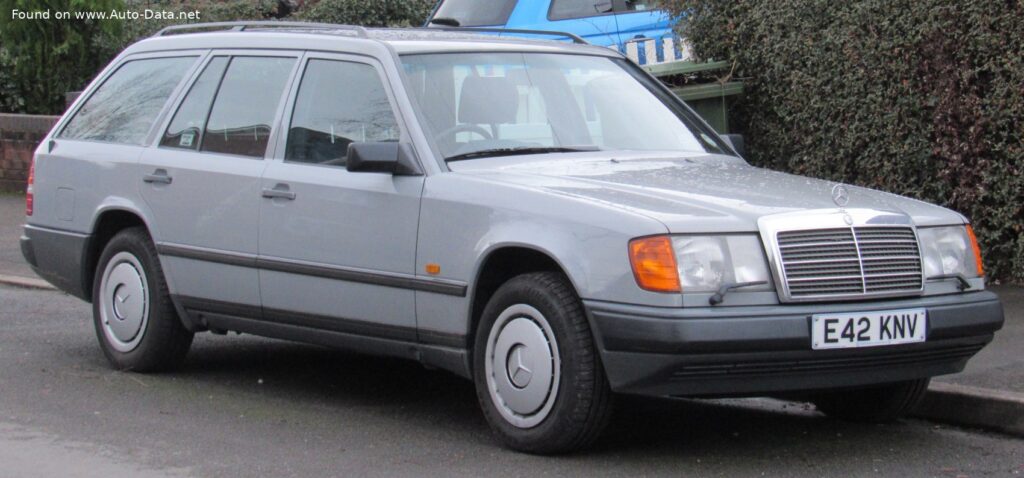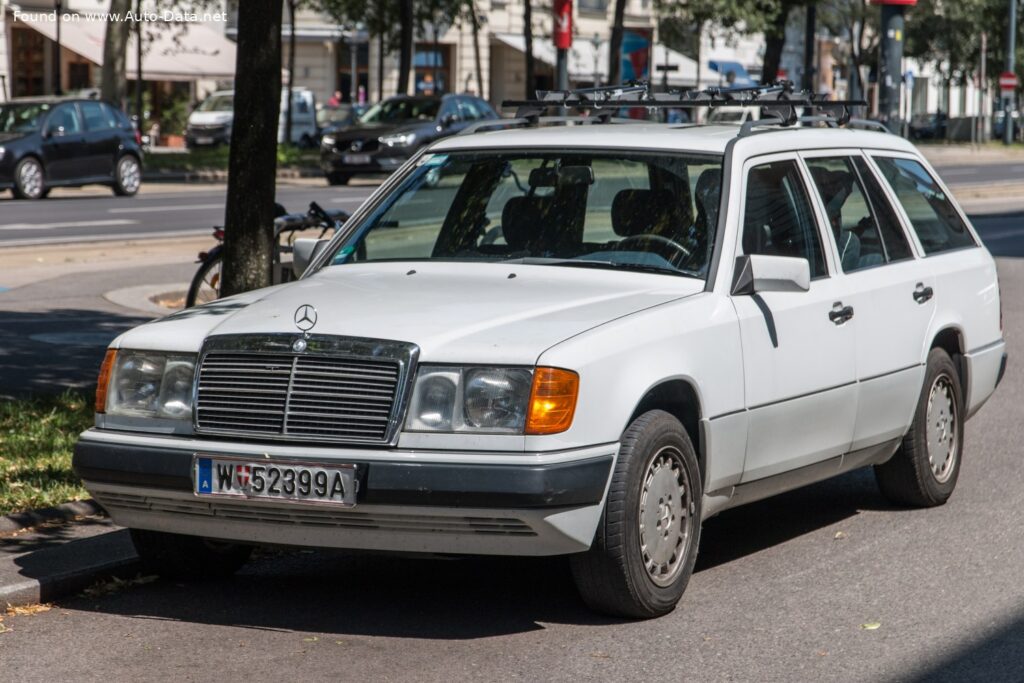
The Mercedes-Benz S124 (Facelift 1989) 200 TE, produced between July 1992 and July 1993, represents a significant variant within the W124 series, a generation renowned for its robust engineering and enduring quality. This model was primarily aimed at the European market, serving as an entry point into the premium executive station wagon segment. While the W124 chassis – encompassing saloon, coupe, and convertible body styles – achieved global recognition, the 200 TE, with its 2.0-liter engine, was particularly popular in regions where fuel efficiency and taxation favored smaller displacement engines. Often considered one of the last “over-engineered” Mercedes-Benz vehicles, the 200 TE combined a stately presence with everyday practicality, establishing a benchmark for reliability and build quality that continues to resonate with enthusiasts and collectors.
Powertrain & Engine Architecture: The M111 and Automatic Transmission
The heart of the 1992-1993 Mercedes-Benz S124 200 TE is the M111 E 20 engine (code 111.940), a modern inline-four-cylinder unit for its time. It features a dual overhead camshaft (DOHC) valvetrain with four valves per cylinder. This naturally aspirated, multi-port fuel injection petrol engine displaces 1998 cubic centimeters (approximately 121.93 cubic inches). It produces 136 horsepower at 5500 revolutions per minute, providing ample power for daily driving and comfortable cruising. Torque output is 190 Newton-meters (140.14 pound-feet) at 4000 rpm, delivering a smooth and responsive power delivery characteristic of Mercedes-Benz engines.
The M111 engine was a significant departure from previous Mercedes-Benz four-cylinder designs, incorporating features like a short-runner intake manifold for improved torque at lower engine speeds and a lightweight alloy cylinder head. The multi-port fuel injection system, controlled by a Bosch Motronic engine management system, optimized fuel delivery for both performance and efficiency. The engine’s 9.6:1 compression ratio contributed to its balance of power and fuel economy.
Power is transmitted to the rear wheels through a four-speed automatic transmission, a common and reliable choice for premium vehicles of the era. This transmission, typically the 722.3 series unit, is known for its smooth shifting and durability. While not offering the performance of a manual transmission, the automatic provided a more relaxed driving experience, aligning with the 200 TE’s focus on comfort and practicality. The gear ratios were optimized for fuel efficiency and comfortable highway cruising, with a relatively tall final drive ratio.
Driving Characteristics
The 200 TE Automatic offered a comfortable and refined driving experience, prioritizing smoothness and ease of use over outright performance. With a kerb weight of approximately 3240.8 pounds, acceleration from 0 to 60 mph took around 10.9 seconds, and the top speed was 113.71 mph. These figures were competitive for a family-oriented station wagon in the early 1990s, but noticeably slower than the higher-powered W124 variants like the 230E or 300E.
Compared to the manual transmission versions of the 200E (the saloon equivalent), the automatic version felt slightly less responsive, particularly during quick acceleration. However, the automatic transmission’s smooth shifting and ease of operation made it ideal for city driving and long-distance journeys. The rear-wheel-drive configuration provided balanced handling, although it wasn’t particularly sporty. The suspension, tuned for comfort, absorbed bumps and imperfections in the road effectively, providing a smooth and stable ride.
The 200 TE’s fuel economy was a key selling point, particularly in Europe. It achieved approximately 19.6 US mpg in urban conditions and 28.7 US mpg on the highway, thanks to its relatively small engine and efficient automatic transmission. The 19.02 US gallon fuel tank provided a commendable cruising range, making it a capable long-distance tourer.
Equipment & Trim Levels
The Mercedes-Benz S124 (facelift 1989) 200 TE was positioned as an entry-level model within the W124 station wagon range. Standard equipment included power windows, central locking, a sunroof, and an anti-lock braking system (ABS). The interior featured cloth upholstery, although leather was available as an optional extra. The dashboard layout was typical of the W124 series, with a clear and functional design.
Optional extras included automatic climate control, heated front seats, a premium sound system, and upgraded interior trim. Many 200 TEs were equipped with the optional self-leveling rear suspension, which maintained a consistent ride height regardless of the load. Alloy wheels were also a popular option, enhancing the car’s aesthetic appeal. The level of equipment varied depending on the specific market and the customer’s preferences.
Chassis & Braking
The S124 200 TE utilized a robust chassis and suspension system designed for comfort and stability. The front suspension featured independent wishbones with coil springs and shock absorbers, while the rear suspension employed an independent multi-link setup, a sophisticated design for its time. This multi-link suspension provided excellent ride quality and handling characteristics, minimizing body roll and maximizing tire contact with the road.
Braking was provided by ventilated discs at the front and solid discs at the rear, supplemented by the aforementioned ABS system. The ABS system helped to prevent wheel lockup during hard braking, improving stability and control. Steering was hydraulic power-assisted, providing precise feedback and ease of maneuverability. The vehicle rode on 195/65 R15 tires mounted on 6.5J x 15-inch wheel rims, a practical and comfortable setup suitable for various road conditions.
Market Reception & Comparison
Critics generally praised the Mercedes-Benz S124 200 TE for its build quality, comfort, and practicality. While its performance wasn’t particularly exciting, it was considered adequate for its intended purpose as a family-oriented station wagon. The 200 TE’s fuel economy was a significant advantage in European markets, where fuel prices were high and taxation favored smaller displacement engines.
Compared to other W124 variants, the 200 TE offered a more affordable entry point into the Mercedes-Benz range. The 230E and 300E models provided more power and performance, but at a higher price. The 200 TE’s reliability was also a key selling point, with the M111 engine proving to be a durable and long-lasting unit. In terms of competition, the BMW 5 Series Touring and Audi 100 Avant offered similar levels of performance and practicality, but the W124 was often praised for its superior build quality and overall refinement.
Technical Specifications
| Category | Specification |
| General Information | |
| Brand | Mercedes-Benz |
| Model | W124 |
| Generation | S124 (facelift 1989) |
| Type (Engine) | 200 TE (136 Hp) Automatic |
| Production Start | July, 1992 |
| Production End | July, 1993 |
| Powertrain Architecture | Internal Combustion Engine |
| Body Type | Station wagon (estate) |
| Seats | 5 |
| Doors | 5 |
| Performance Specs | |
| Fuel Consumption (Urban) | 12 l/100 km (19.6 US mpg) |
| Fuel Consumption (Extra Urban) | 8.2 l/100 km (28.7 US mpg) |
| Fuel Type | Petrol (Gasoline) |
| Acceleration 0 – 60 mph | 10.9 sec |
| Maximum Speed | 183 km/h (113.71 mph) |
| Weight-to-Power Ratio | 10.8 kg/Hp (92.5 Hp/tonne) |
| Weight-to-Torque Ratio | 7.7 kg/Nm (129.3 Nm/tonne) |
| Engine Specs | |
| Power | 136 Hp @ 5500 rpm |
| Power per Liter | 68.1 Hp/l |
| Torque | 190 Nm @ 4000 rpm (140.14 lb.-ft. @ 4000 rpm) |
| Engine Layout | Front, Longitudinal |
| Engine Model/Code | M 111 E 20 / 111.940 |
| Engine Displacement | 1998 cm3 (121.93 cu. in.) |
| Number of Cylinders | 4 |
| Engine Configuration | Inline |
| Cylinder Bore | 89.9 mm (3.54 in.) |
| Piston Stroke | 78.7 mm (3.1 in.) |
| Compression Ratio | 9.6:1 |
| Valves per Cylinder | 4 |
| Fuel Injection System | Multi-port manifold injection |
| Engine Aspiration | Naturally aspirated |
| Valvetrain | DOHC |
| Engine Oil Capacity | 5.5 l (5.81 US qt) |
| Coolant Capacity | 8.5 l (8.98 US qt) |
| Space, Volume and Weights | |
| Kerb Weight | 1470 kg (3240.8 lbs.) |
| Max. Weight (Gross Vehicle Weight) | 2120 kg (4673.8 lbs.) |
| Max Load | 650 kg (1433 lbs.) |
| Fuel Tank Capacity | 72 l (19.02 US gal) |
| Dimensions | |
| Length | 4765 mm (187.6 in.) |
| Width | 1740 mm (68.5 in.) |
| Height | 1489 mm (58.62 in.) |
| Wheelbase | 2800 mm (110.24 in.) |
| Front Track | 1497 mm (58.94 in.) |
| Rear Track | 1497 mm (58.94 in.) |
| Drivetrain, Brakes and Suspension Specs | |
| Drivetrain Architecture | Rear-wheel drive (ICE drives rear wheels) |
| Drive Wheel | Rear wheel drive |
| Number of Gears & Type | 4 gears, automatic transmission |
| Front Suspension | Wishbone |
| Rear Suspension | Independent multi-link suspension |
| Front Brakes | Ventilated discs |
| Rear Brakes | Disc |
| Assisting Systems | ABS (Anti-lock braking system) |
| Steering Type | Cone worm with recirculation balls |
| Power Steering | Hydraulic Steering |
| Tire Size (Front/Rear) | 195/65 R15 |
| Wheel Rim Size (Front/Rear) | 6.5J x 15 |
Legacy
The Mercedes-Benz W124 series, and the 200 TE in particular, has earned a lasting reputation for its exceptional build quality and reliability. The M111 engine, known for its durability, continues to provide dependable service in many surviving examples. Today, the W124 is a sought-after classic car, appreciated by enthusiasts for its timeless design and engineering integrity. While the 200 TE was primarily a European market model, its legacy as a practical and refined station wagon endures. Well-maintained examples command increasing prices in the used car market, reflecting the growing appreciation for this iconic Mercedes-Benz.